
Plant These 13 Flowers Next Spring And Hummingbirds Keep Checking Your Yard All Season Long
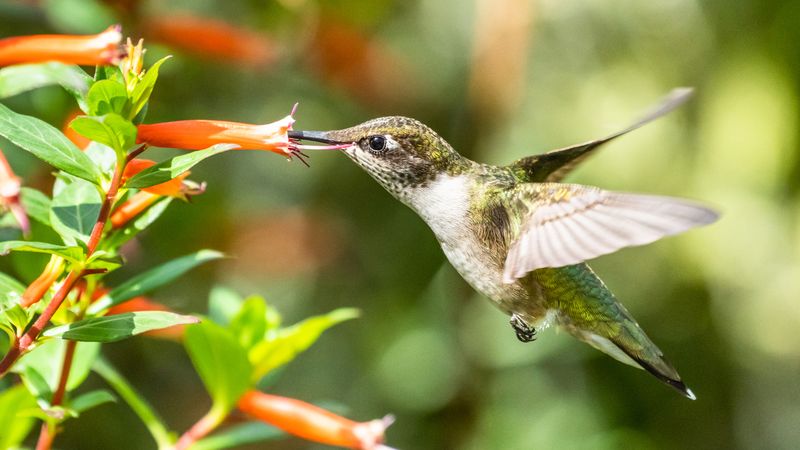
Ever watched a hummingbird zip into your yard, take one look around, and leave just as fast? That usually means it found nothing worth sipping.
The good news is that the right flowers, planted in spring, can keep these tiny birds coming back from their first spring visit until they head south in fall. Here are 13 dependable picks that bloom at different times, so your yard never runs out of nectar.
1. Salvia
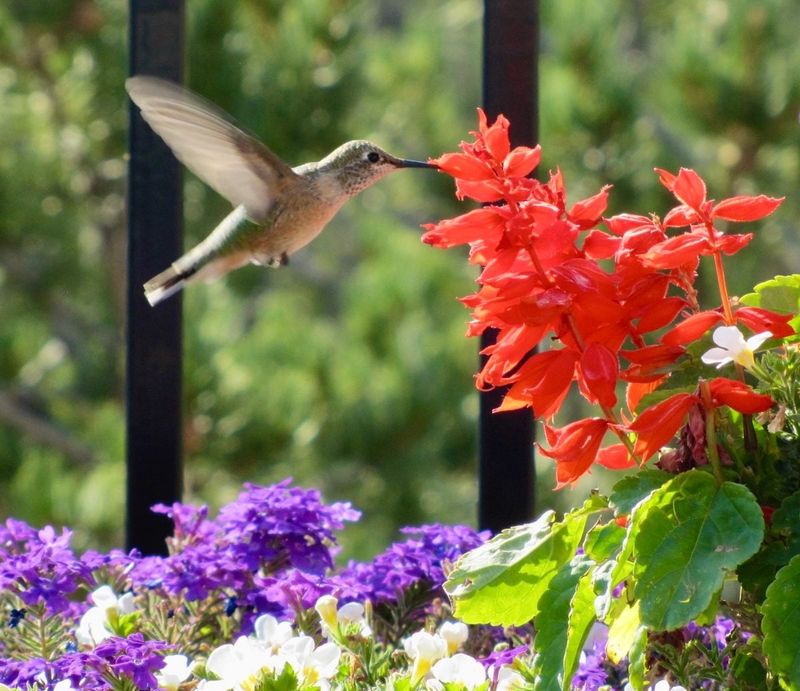
Ask almost any longtime hummingbird watcher which plant they would keep if they could only grow one, and salvia wins most of the time. The narrow, tube-shaped flowers fit a hummingbird beak almost perfectly.
Many types bloom from late spring right through the first frost.
Red varieties like ‘Lady in Red’ and the deep purple ‘Black and Blue’ are especially popular with hummers. Plant them in full sun with soil that drains well, and they will handle summer heat without much fuss.
If your salvia slows down in midsummer, snip off the faded flower spikes. A quick trim often pushes out a fresh round of blooms within a couple of weeks, which keeps the nectar flowing when birds need it most.
2. Agastache (Hummingbird Mint)
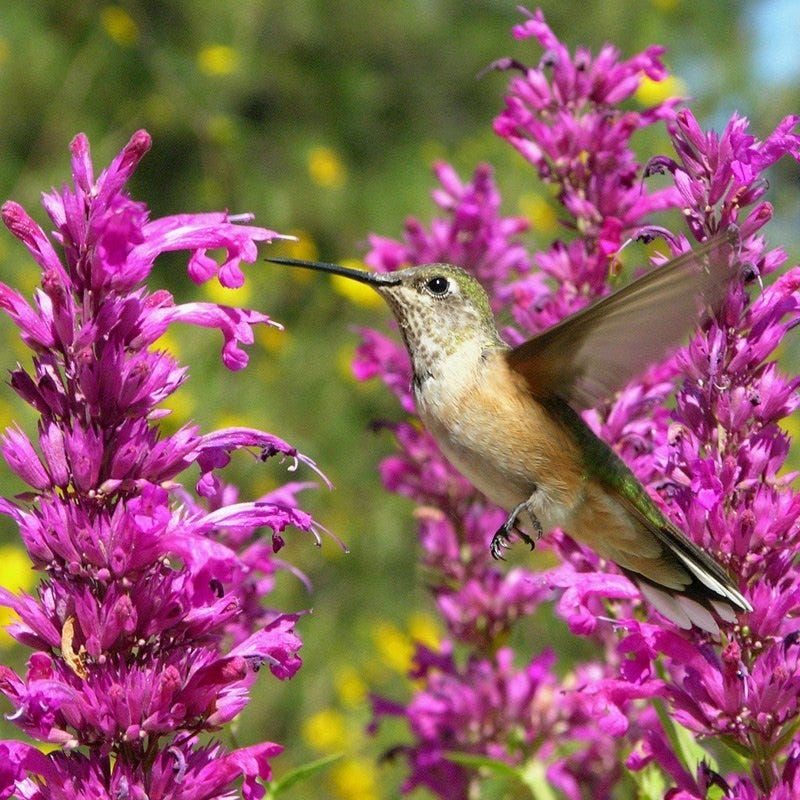
The nickname says it all. Gardeners call agastache hummingbird mint because the birds seem to find it within days of planting.
Here is why it earns a spot. The plant shrugs off drought, holds up in hot, dry corners, and deer and rabbits usually leave it alone.
Its leaves smell a bit like licorice or mint when you brush them.
Give it lean, gritty soil and skip the heavy fertilizer. Rich, soggy ground is the fastest way to lose agastache over winter, so a sunny slope or raised edge is ideal.
3. Calibrachoa (Million Bells)
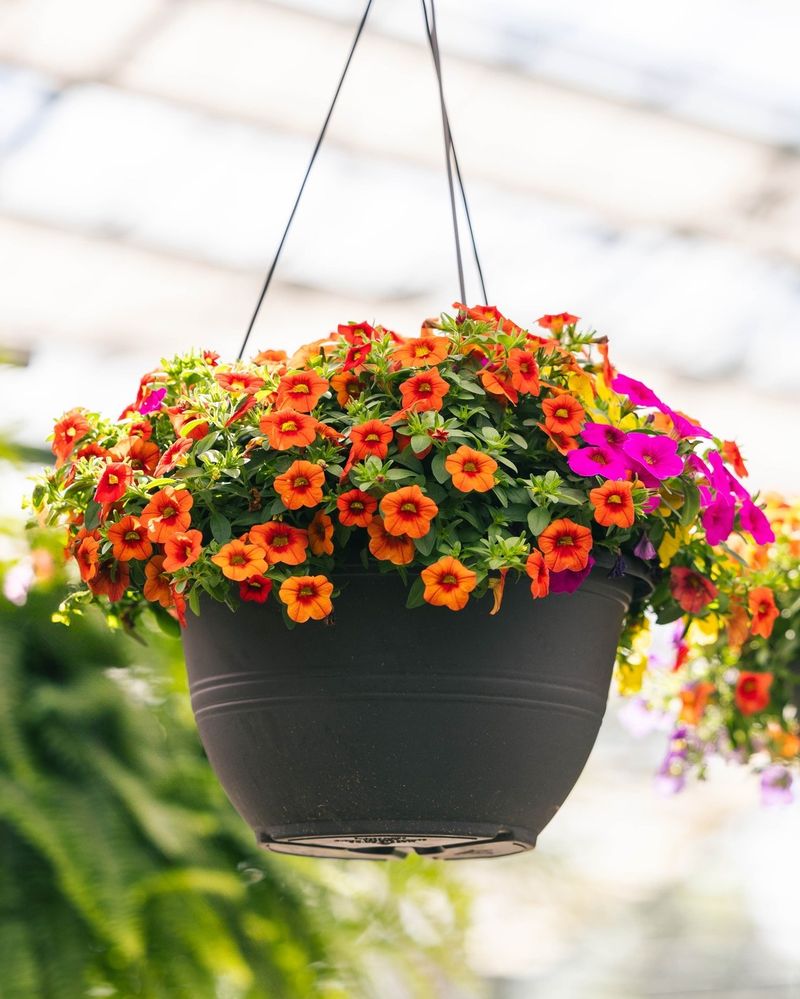
Tired of petunias that get sticky and leggy by July? Million bells look like tiny petunias but tend to keep blooming without the messy deadheading.
The small trumpet flowers come in red, orange, pink, and yellow, all colors hummingbirds love. They shine in hanging baskets and window boxes, which puts nectar right at eye level near your porch.
Feed them lightly every couple of weeks, since container soil runs out of nutrients fast. Yellowing leaves usually mean they are hungry, not sick.
4. Penstemon (Beardtongue)
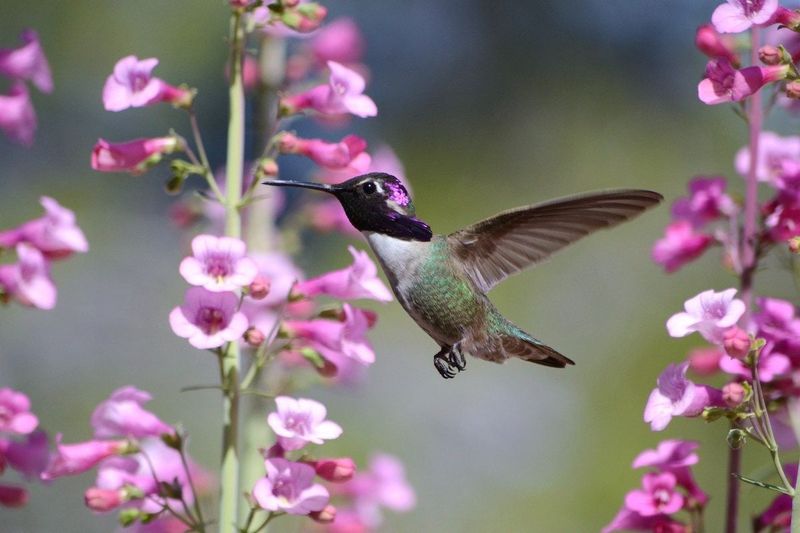
Long before anyone hung a feeder, native penstemon was feeding hummingbirds across North America. Its tall spikes of tubular flowers seem built for them.
Penstemon is low-maintenance once settled in. It wants full sun and soil that drains fast, and it actually dislikes being pampered with too much water.
The most common way people lose it is wet winter roots. Plant it where water does not puddle, and use gravel mulch instead of thick wood chips around the crown.
5. Trumpet Honeysuckle
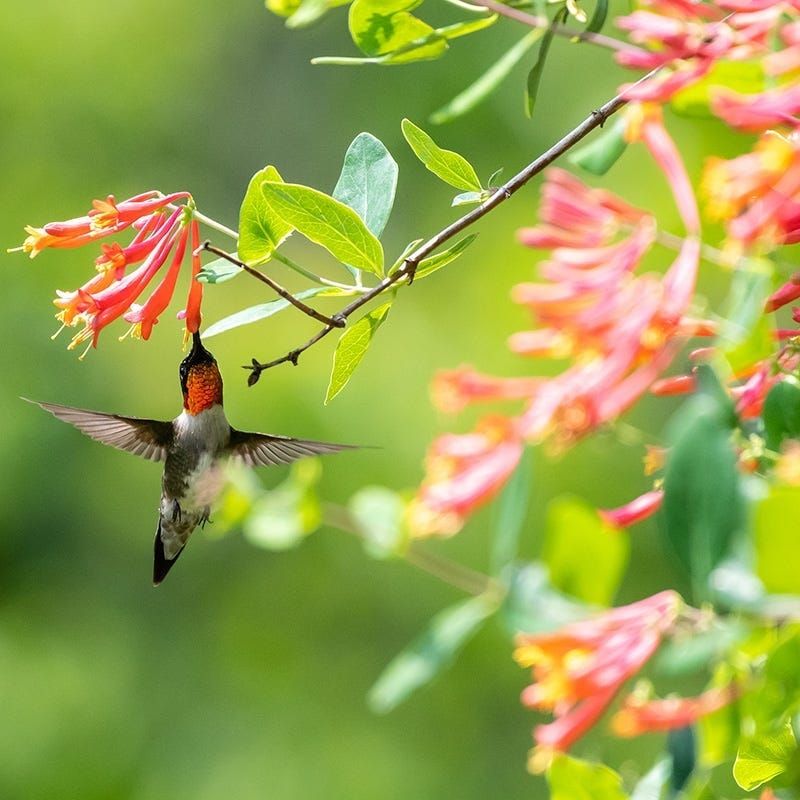
Picture a fence covered in coral-red trumpets, with a hummingbird working its way along the whole row. Trumpet honeysuckle makes that scene easy.
Unlike the aggressive Japanese honeysuckle, Lonicera sempervirens is a well-behaved native vine. It blooms heavily in spring and often keeps putting out flowers into summer.
Give it a trellis or fence and at least half a day of sun. If you spot white powdery leaves, improve airflow by thinning crowded stems rather than reaching for sprays first.
Fun fact: in many areas, this vine is one of the first nectar sources ready when hummingbirds return.
6. Cuphea (Firecracker Plant)
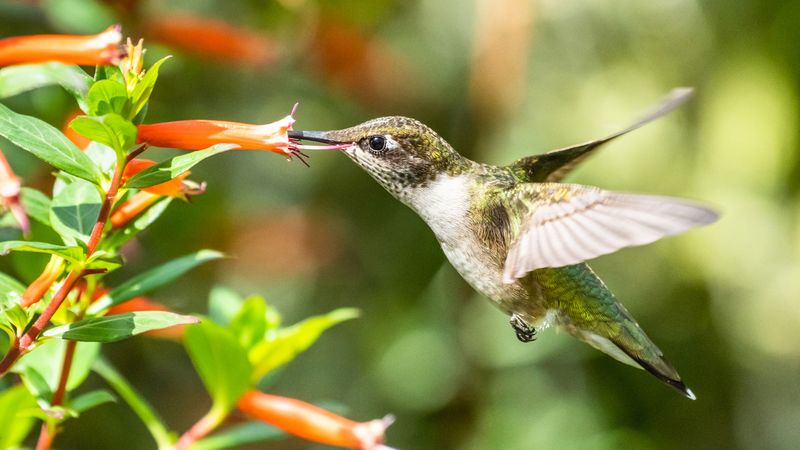
Cuphea flowers look like tiny lit firecrackers, red tubes with a bright tip. Hummingbirds treat them like a candy aisle.
It loves heat. When other plants droop in August, cuphea often keeps blooming nonstop in pots or beds.
In most of the US it grows as an annual. Water when the top inch of soil is dry, and you will rarely see it take a break.
7. Pentas
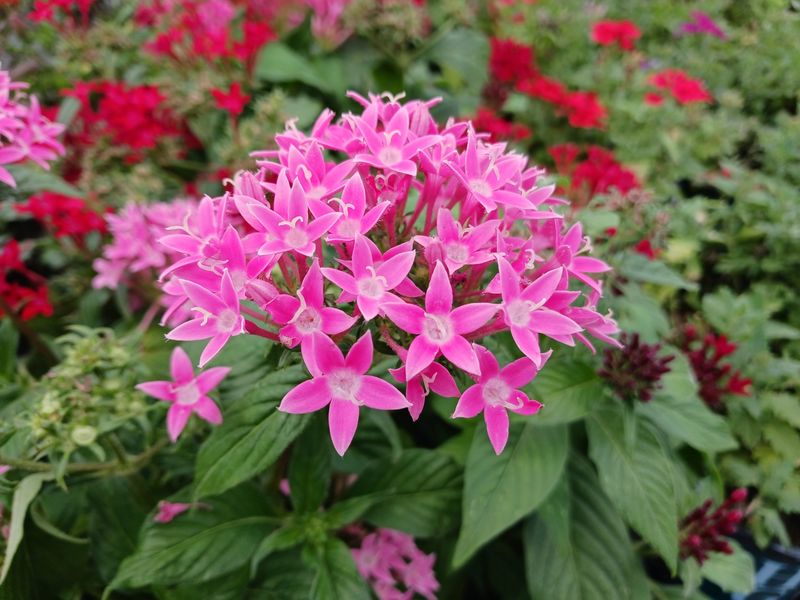
Some flowers come and go. Pentas just keep showing up, with round clusters of little star-shaped blooms all summer long.
They thrive in warm weather, which makes them a strong swap for hot spots where petunias fry. Red and pink types tend to draw the most hummingbird traffic.
Plant them after nights stay warm, since cold soil can stall them. Pinch off spent clusters and new ones form quickly.
8. Obedient Plant
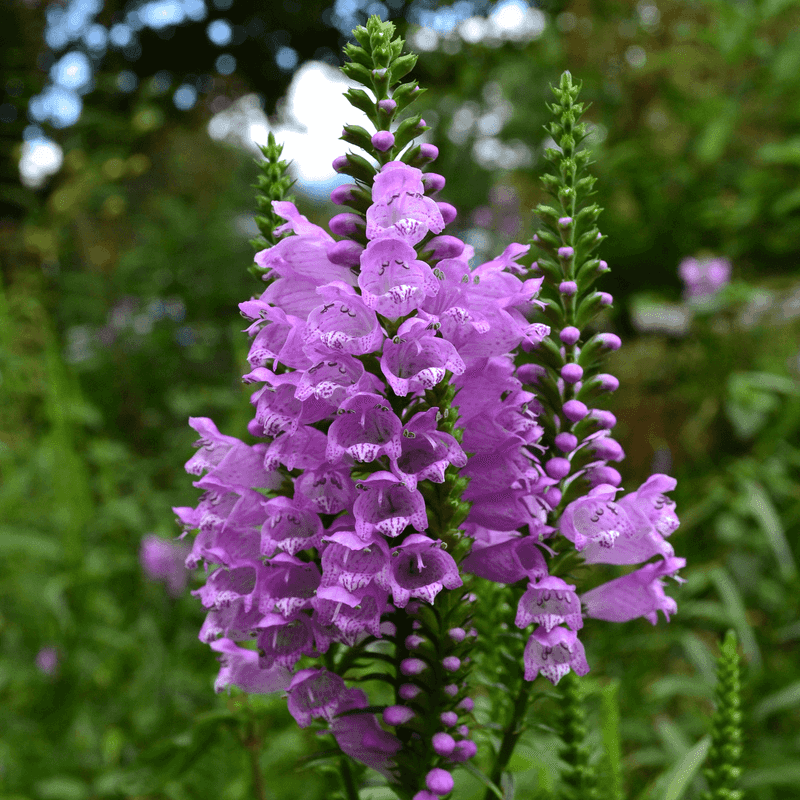
Push one of its little flowers to the side and it stays there, which is how obedient plant got its funny name.
The real value is timing. It can bloom from early June into September, covering the stretch when many spring flowers have quit.
Fair warning, it spreads in rich, moist soil. Plant it in average soil or pull a few runners each spring to keep it in its lane.
9. Columbine
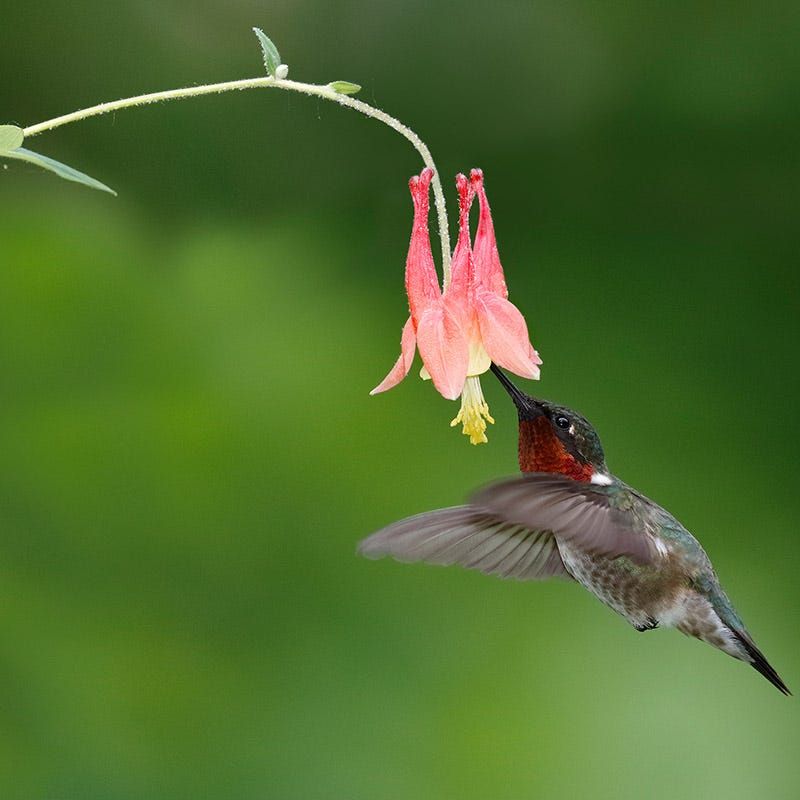
Early spring is a hungry time for hummingbirds just back from migration. Native columbine is often blooming right when they arrive.
Its nodding crimson flowers with yellow centers hold nectar deep in long spurs. It grows in full sun or part shade and handles rocky spots well.
Leaves with white squiggly trails come from leaf miners. Simply cut those leaves off after bloom, and fresh foliage will grow back.
10. Coral Bells (Heuchera)
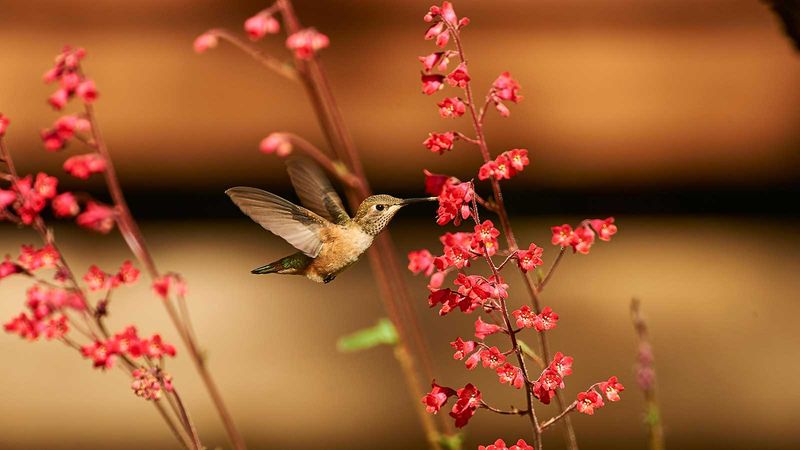
Most people buy coral bells for the colorful leaves, then get surprised when hummingbirds start visiting the flower stalks.
From about May through July, thin stems rise with tiny bells. Deer and rabbits usually pass them by, and they fit nicely along shady edges.
If plants heave out of the ground over winter, press them back down and add a little soil around the crown in spring.
11. Echinacea (Coneflower)
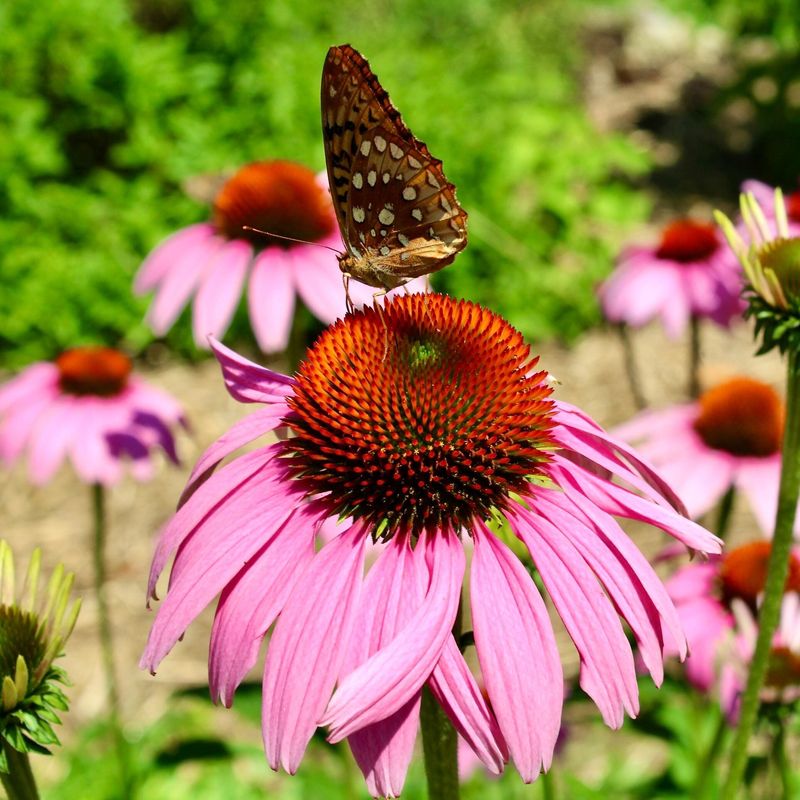
Coneflowers are tough as old boots, and that is a big reason they belong here.
They are not tubular, so hummingbirds visit them less than salvia. Still, they add summer nectar, pull in insects hummingbirds also eat, and survive heat and dry spells.
Skip heavy watering, which can cause floppy stems. Leave a few seed heads in fall for goldfinches too.
12. Daylily
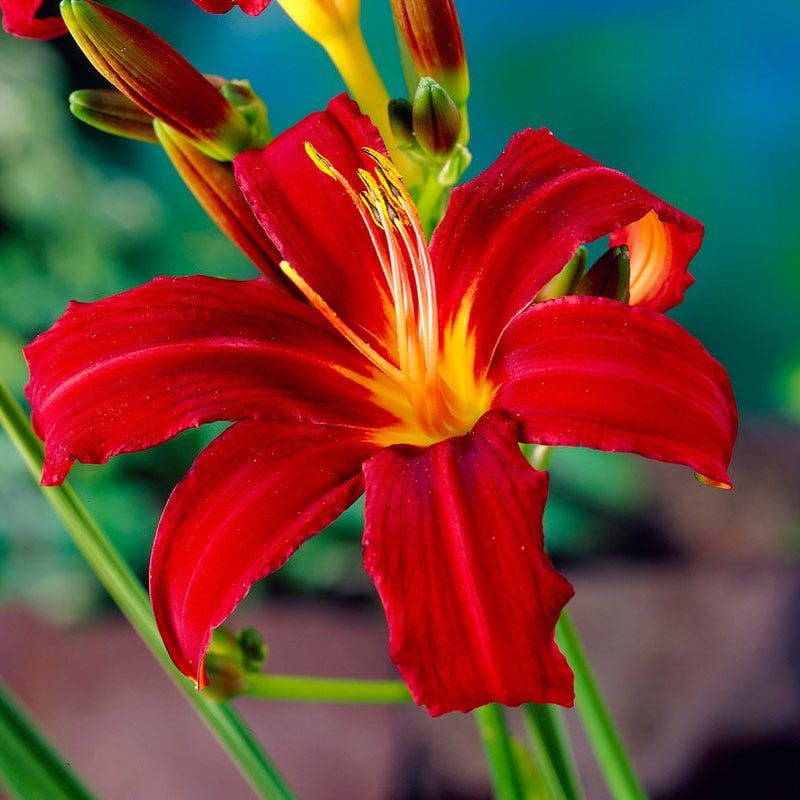
Grandma’s garden probably had daylilies, and there is a good reason they lasted. They are nearly impossible to kill.
Each bloom lasts one day, but plants keep making buds for weeks. Red and orange varieties may catch a hummingbird’s eye more than pale ones.
If yours stopped blooming, crowding is the usual cause. Dig and divide the clump in early spring or fall, and flowers often return the next season.
13. Hosta
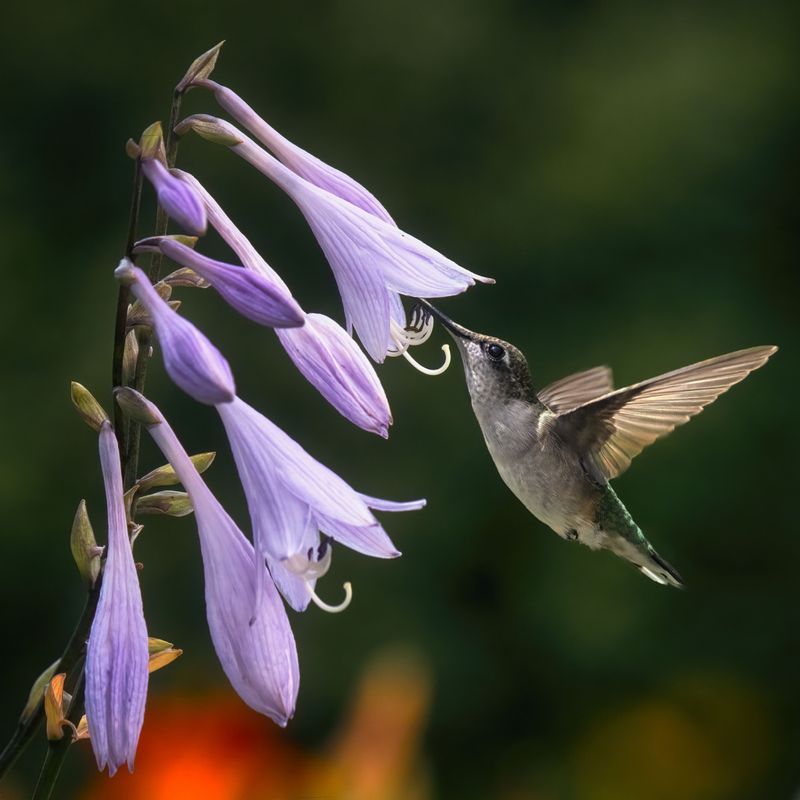
Shady yards often feel left out of hummingbird plans. Hostas help fix that.
Their lavender or white bell-shaped flowers rise on tall stalks in summer, and hummingbirds will sip from them where sun-loving flowers fail.
Holes in leaves usually mean slugs. Water in the morning instead of evening, which can reduce slug damage without buying much of anything.
Mix hostas with coral bells and columbine, and even your shadiest corner can join the hummingbird route.