
The Scents That Keep Deer Out Of North Carolina Yards And The Few That Invite Them Right In
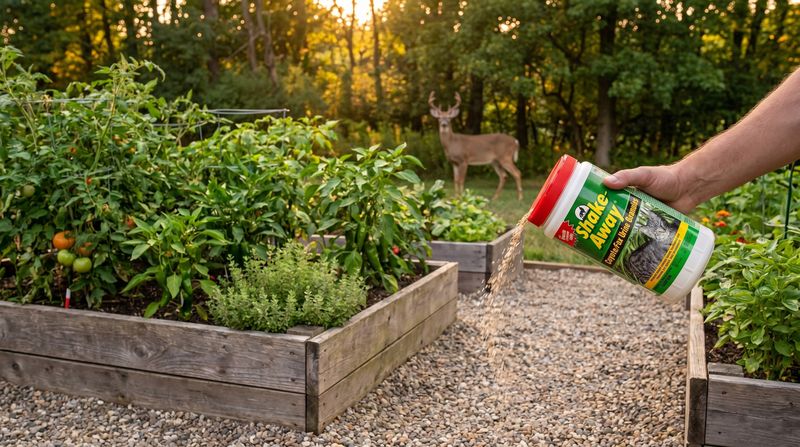
A deer can smell your hostas, your apple tree, and your tomato patch long before it ever sets a hoof in your North Carolina yard. That powerful nose is the reason some yards get stripped bare overnight while the house next door stays untouched.
The good news is that you can use smell to your advantage, steering deer away with the right plants and sprays while cutting back on the odors that ring their dinner bell. Here are seven scents that send deer packing and three that roll out the welcome mat.
1. Garlic
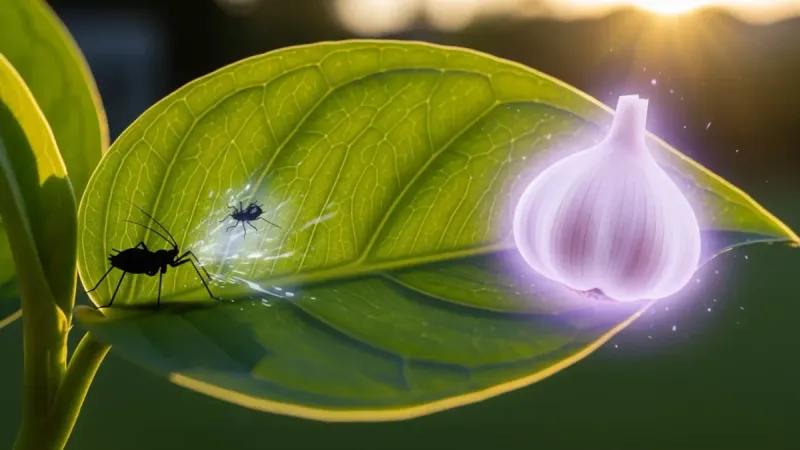
Grandma swore by garlic for colds, and it turns out deer hate it almost as much as germs do. With roughly 297 million scent receptors, a deer gets hit hard by that sharp, sulfur-heavy smell.
The easiest trick is to crush a few cloves and sprinkle them on the mulch around plants deer keep nibbling. For a spray, blend smashed garlic with water and a small squirt of dish soap, let it steep overnight, strain it, and mist the leaves.
Many store-bought repellents, including products from North Carolina-based I Must Garden, also lean on garlic along with eggs and white pepper.
Reapply after every rain, since a Piedmont thunderstorm can wash your work away in minutes. Garlic is gentle on box turtles, toads, and the pollinators you want buzzing around, which makes it a solid steward-friendly first line of defense.
2. Hot Pepper and Capsaicin Sprays
Picture a deer taking one bite of a hosta and getting a mouthful of fire. That memory sticks, and that’s exactly the point of capsaicin.
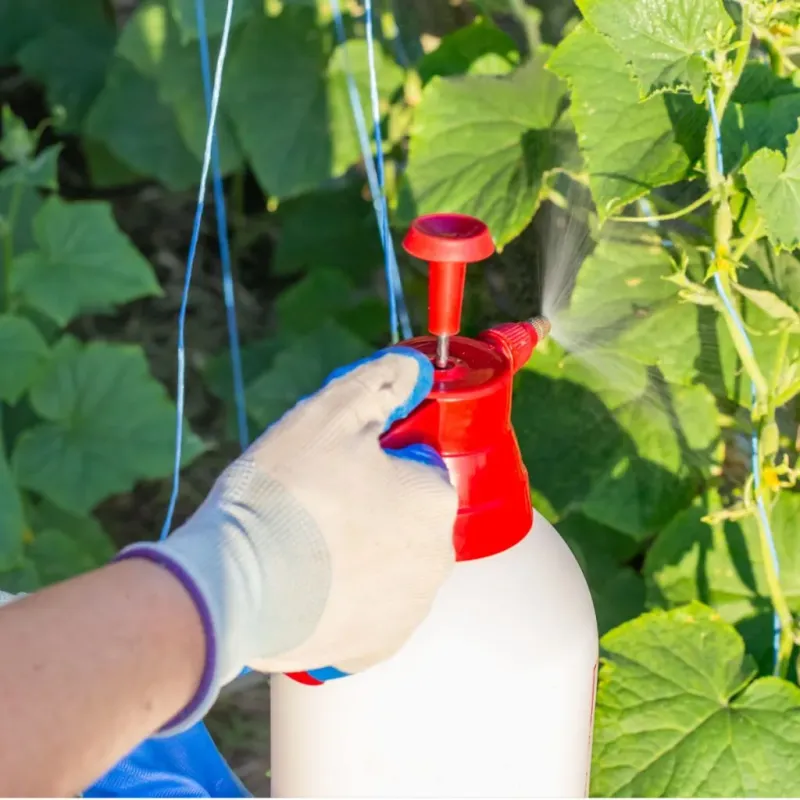
Hot pepper sprays work on two fronts: the smell warns deer off, and the taste punishes any that ignore the warning. Mix a tablespoon or two of cayenne powder or blended hot peppers with a quart of water and a few drops of dish soap so it clings to leaves.
Wear gloves and keep it away from your eyes, because it bites people too. Skip spraying open blooms where bees and butterflies feed, and focus on foliage instead.
Rotate this spray with a garlic or oil-based mix every few weeks so deer never get comfortable with one flavor.
3. Peppermint, Clove, and Rosemary Oils
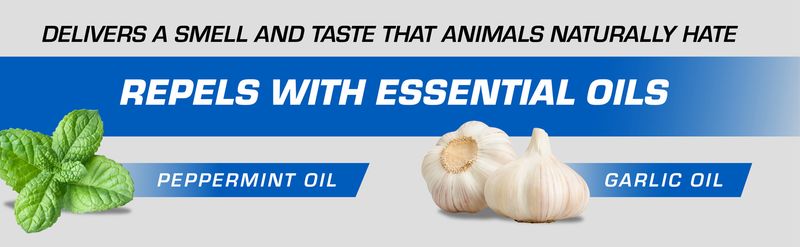
Walk past a shelf of botanical deer repellents and you’ll notice they smell more like a spa than a barnyard. Peppermint, clove, cinnamon, rosemary, and lemongrass oils show up again and again in these formulas.
Strong plant oils overwhelm a deer’s nose and mask the tasty scent of your shrubs. Commercial blends are usually labeled safe for people, pets, and the environment when used as directed, which matters if you share your yard with kids, dogs, and fireflies.
You can make a light DIY version with a few drops of oil, water, and a little soap, though store-bought products tend to last longer. Fun fact: some brands add fish oil too, which sounds odd but makes the coating stick and stink a bit longer between applications.
4. Predator Urine and Your Family Dog
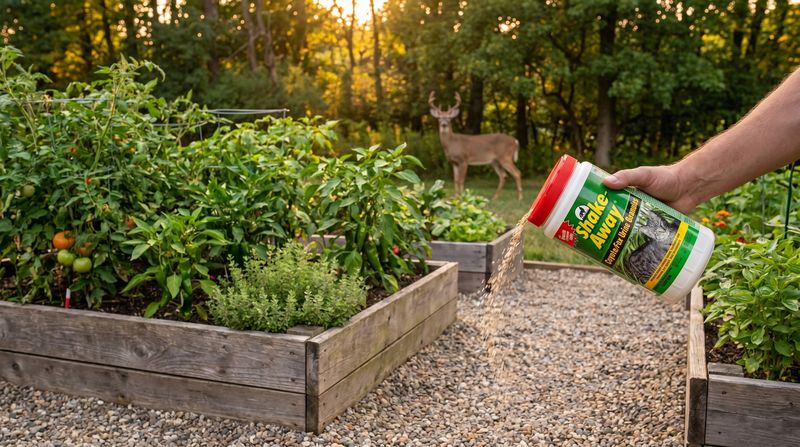
Nothing says danger to a deer quite like the smell of something that eats deer. Coyotes and foxes both roam North Carolina, and their urine sends a clear message to any browsing doe.
Predator urine products come in granules or liquids you place along the edges of beds or near trails where deer enter. Even your dog helps here, since a pup marking the yard leaves a scent that suggests a hunter lives nearby.
Keep expectations realistic, because deer in busy suburbs can grow bold over time. Move the scent spots around and pair them with other tricks for better results.
Never set out anything meant to trap or harm wildlife, since the goal is gentle discouragement, not injury.
5. Fragrant Herbs Like Lavender, Sage, and Catmint
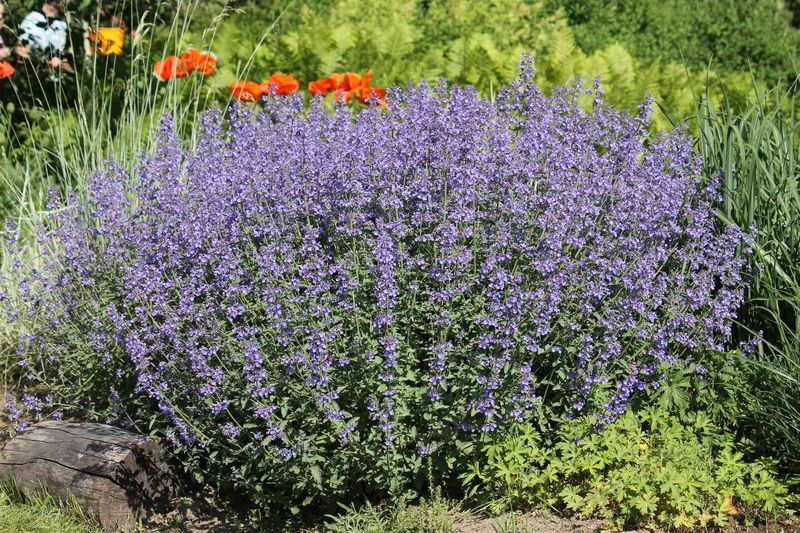
Some of the best deer fences you’ll ever own smell wonderful to you and awful to them. Lavender, rosemary, sage, thyme, oregano, chives, and catmint all pack strong oils and fuzzy leaves deer tend to avoid.
Plant them as a living border around your vegetable bed or tuck them between tastier plants to confuse a deer’s nose. Anise hyssop, with its licorice scent, is another favorite and a magnet for native bees.
A quick warning about mint: it spreads aggressively, so grow it in pots rather than the ground. Lavender needs sharp drainage, so add gravel to heavy Piedmont clay or try it in a raised bed.
A very hungry deer may sample anything, but these herbs usually get skipped.
6. Daffodils and Ornamental Onions
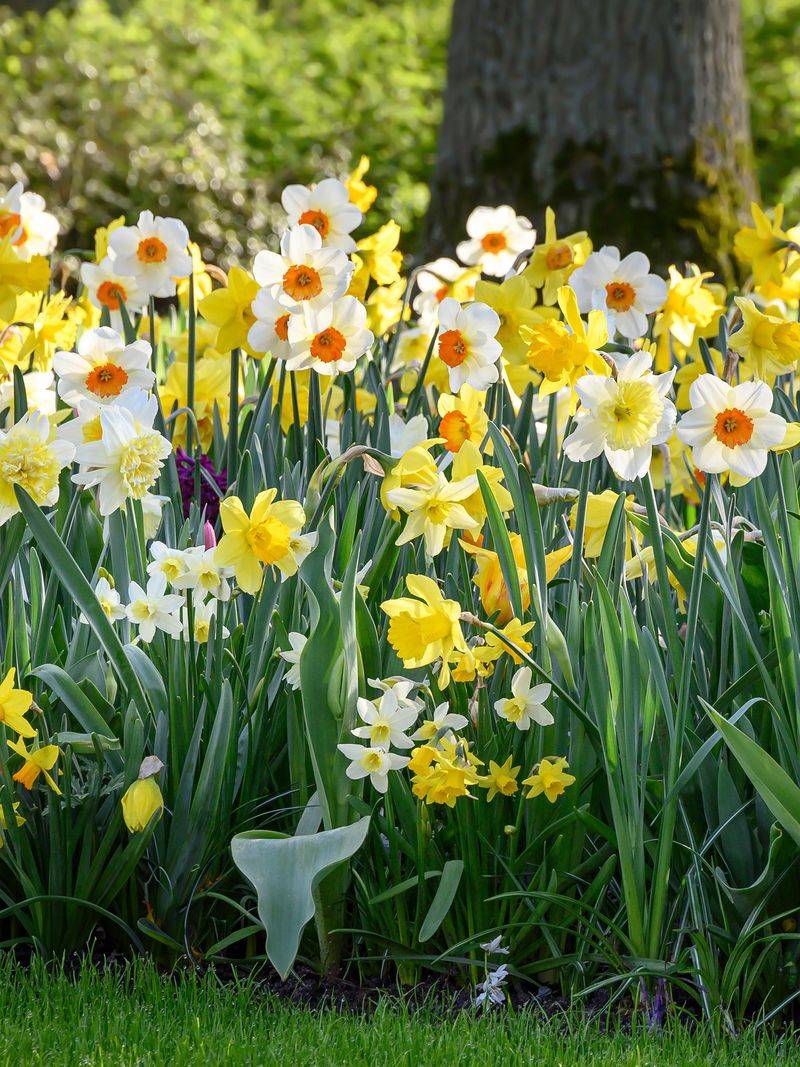
Every March, daffodils pop up across North Carolina like little yellow stop signs. Deer get the hint, because these bulbs contain compounds that are toxic to them.
Plant daffodils in fall around tulips or other deer favorites to build a protective ring. Ornamental onions, or alliums, add purple globes later in spring and carry that oniony punch deer dislike.
Both come back year after year with almost no fuss. Since daffodils are not native, consider mixing in native deer-resistant flowers like foxglove beardtongue and rattlesnake master for a yard that feeds local pollinators too.
7. Native Scented Shrubs Like Spicebush and Sweetshrub
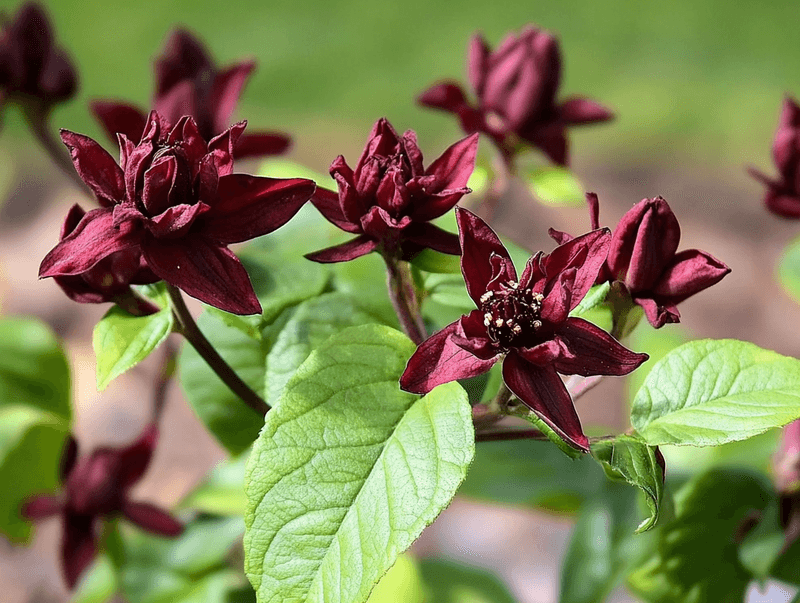
Crush a spicebush leaf between your fingers and you’ll smell why deer leave it alone. That spicy, citrusy scent belongs to a true North Carolina native that also hosts the spicebush swallowtail butterfly.
Sweetshrub, or Carolina allspice, offers maroon spring blooms that smell like fruit and wine to people, yet deer usually pass it by. Sweet pepperbush, yaupon holly, and American beautyberry round out a strong native lineup.
Swapping invasive privet or burning bush for these natives protects your yard twice: fewer deer snacks and more food for goldfinches, songbirds, and pollinators. Plant in fall, when cool weather helps roots settle in before summer heat.
8. Fallen Apples and Pears
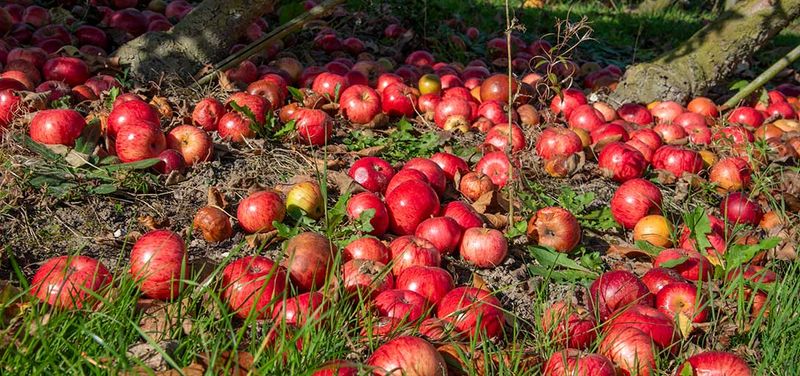
Here’s where things flip. That sweet, slightly fermented smell drifting from under your fruit tree is basically a neon sign for deer, and they can catch food scents from about half a mile away.
Windfall apples and pears are a top attractant, especially in late summer and fall. Once deer find the free buffet, they often stick around and start munching your shrubs and garden too.
The fix is simple: rake up fallen fruit every day or two during the season. Compost it in a closed bin rather than an open pile.
Your reward is fewer deer, fewer yellowjackets, and a tidier yard.
9. Pumpkins, Corn, and Acorns
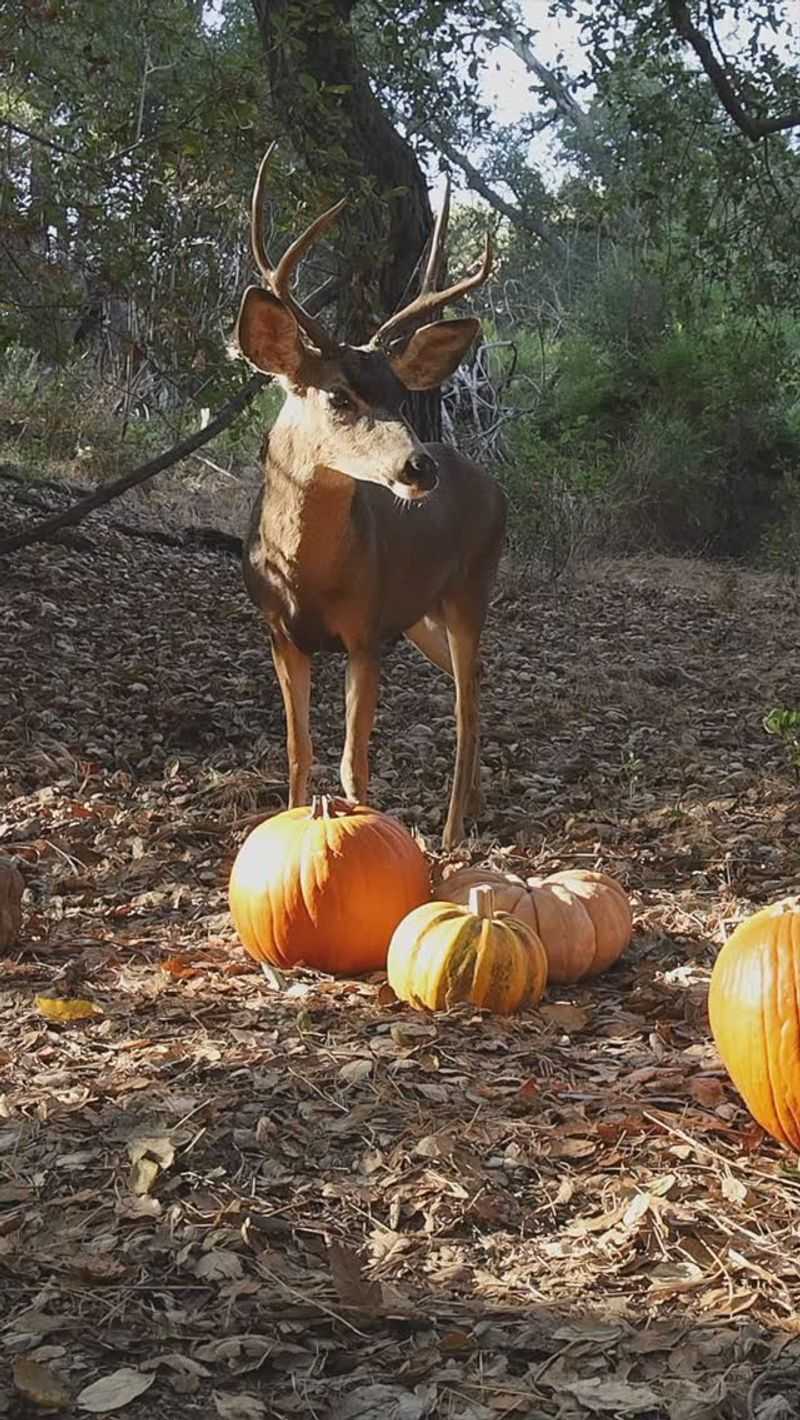
Ever wonder why deer show up right when your fall pumpkins look their best? Pumpkin leaves, flowers, and fruit all give off smells deer find hard to resist.
Corn is another magnet, and acorns from your oaks can draw deer close in autumn as they bulk up before the rut. You don’t need to cut down oaks, which feed hundreds of native caterpillars and birds, but you can manage what’s nearby.
Harvest pumpkins and corn promptly, and clear leftover stalks and smashed jack-o-lanterns after Halloween. Keep tender plantings away from heavy acorn zones, or surround them with the scented herbs mentioned earlier.
10. Doe Estrus and Hunting Lures
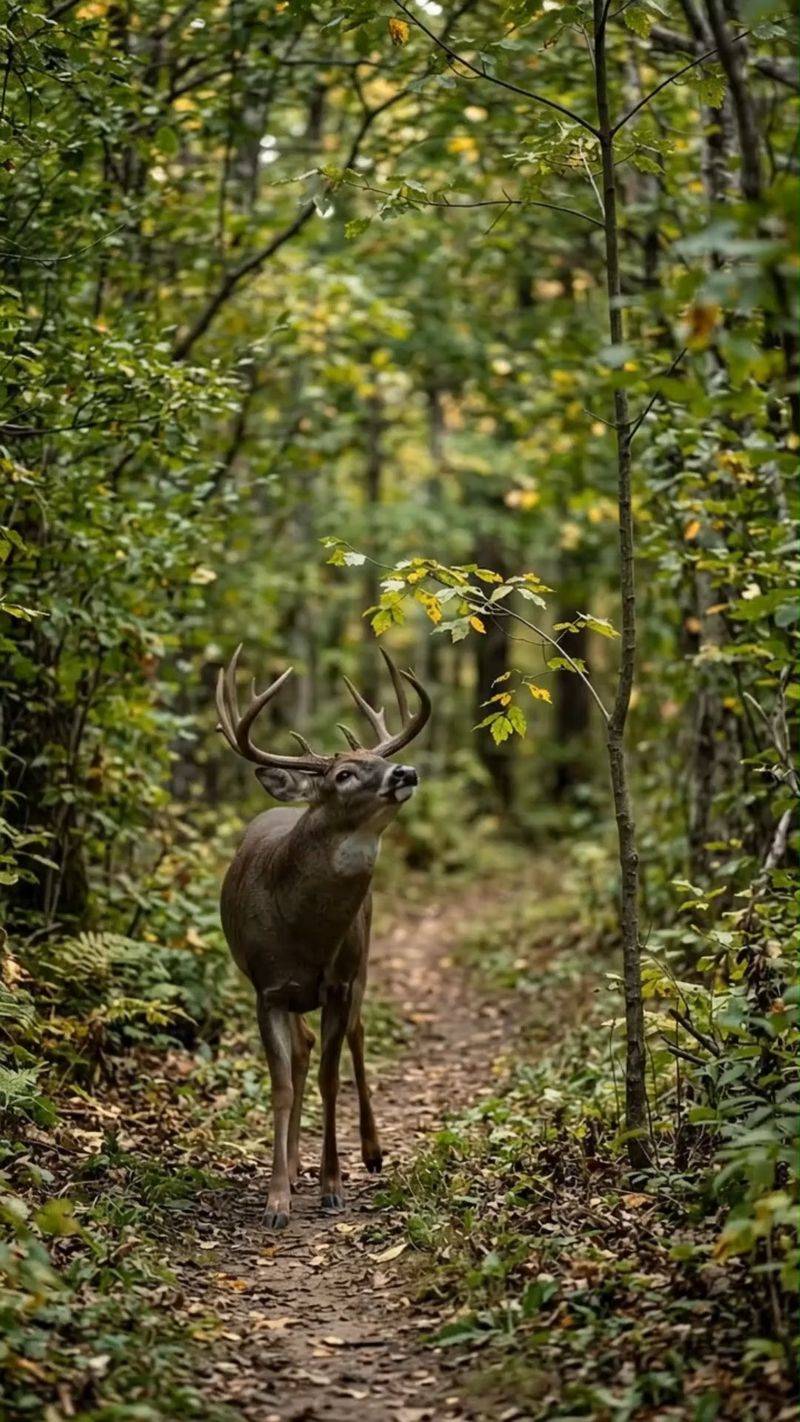
Hunters buy these scents for one reason: to pull bucks in close. Doe estrus urine mimics a female in heat, and tarsal gland scents stir up territorial and mating instincts during the fall rut.
Homeowners sometimes pick up these products thinking any deer scent will scare deer off. The opposite happens, and an agitated buck can rub and shred young trees with his antlers.
Keep hunting lures far from your landscaping and store them sealed if someone in the house hunts. Wrap young tree trunks with guards in October and November for extra protection during the rut.