
Spiders Sneaking Indoors As The Nights Get Colder Hate These 9 Household Smells – Here’s Where To Use Each One
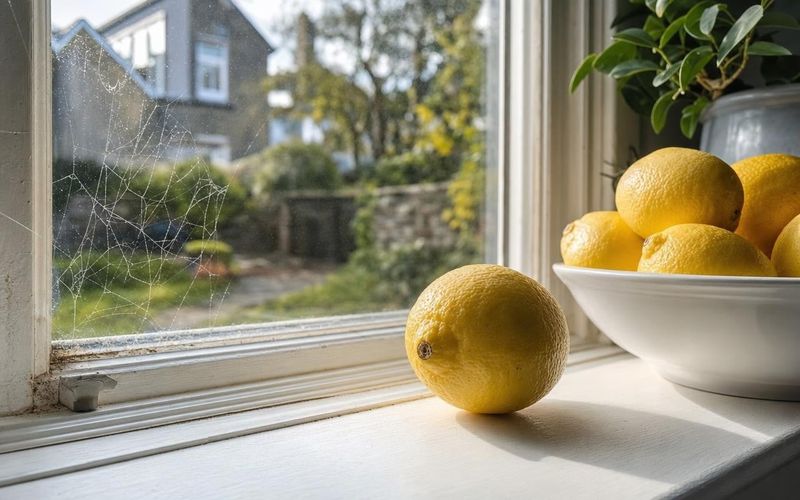
When the nights turn chilly, you might suddenly spot more spiders scurrying across your floor or hanging in a corner. Many of them are looking for warmth and the easy meals that other indoor bugs provide.
The good news is that spiders sense smells through tiny receptors on their legs, and some strong scents may help send them packing. Here are nine common household smells you can use, plus the exact spots where each one works best.
1. Peppermint
Ask any pest pro for a natural spider deterrent and peppermint usually comes up first. Its menthol may overstimulate the sensitive receptors on a spider’s legs, making a treated spot feel unpleasant to cross.
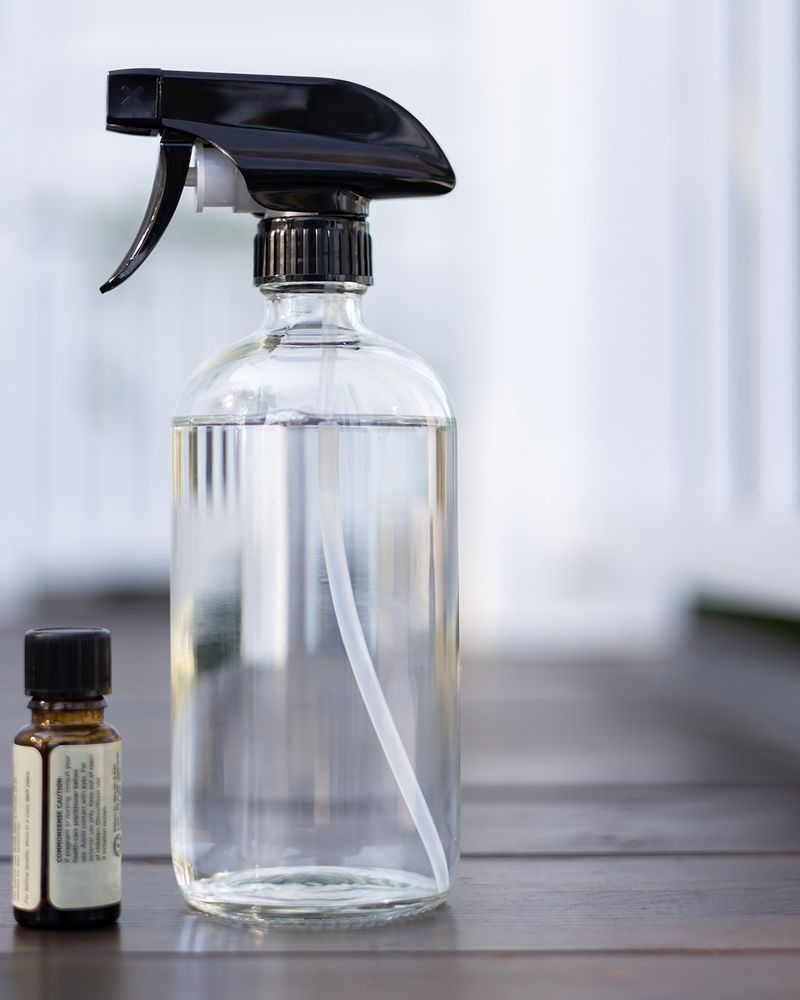
For a simple spray, mix 10 to 15 drops of peppermint essential oil with 1 cup of water and 1 teaspoon of dish soap. Mist it along baseboards, window edges, doorframes, and behind big furniture.
Reapply every few days or at least weekly, since the scent fades fast.
Cotton balls are handy for tight spaces. Add 2 or 3 drops to each and tuck them in closets, cabinets, and under sinks, swapping them out every two to three weeks.
Gardeners can also pot up mint near the front door, and used peppermint tea bags work nicely behind appliances.
2. Lavender
Grandma’s linen closet always smelled like lavender, and she may have been onto something. The plant contains linalool and linalyl acetate, compounds that spiders tend to avoid.
Its strong aroma can also scramble the scent trails spiders use to get around. That makes it a smart pick for bedrooms and closets, where you want something pleasant for people too.
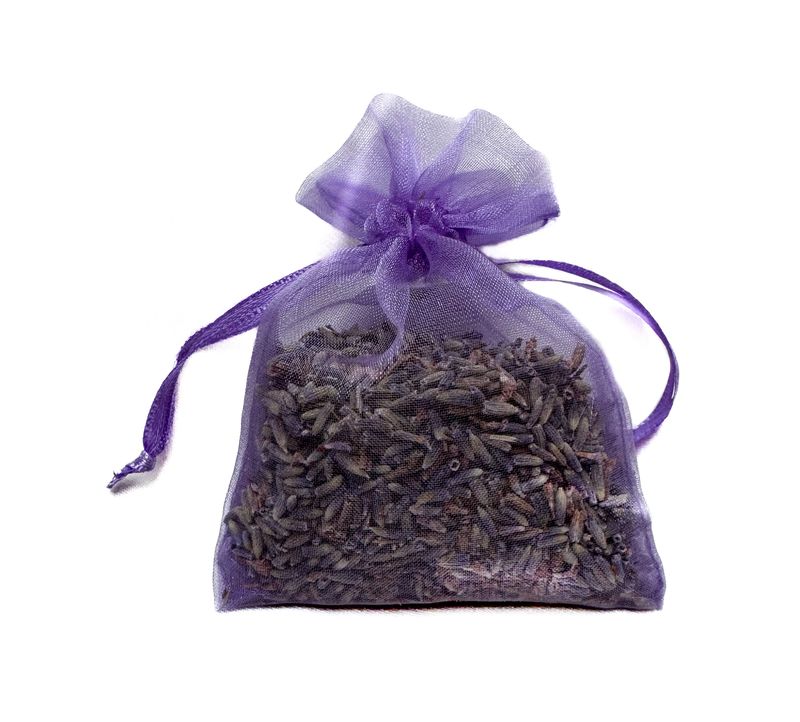
Fill small sachets with dried lavender and place them in drawers, near air vents, or under the bed. You can also mix 10 to 20 drops of lavender oil with water and spray it around windows and corners.
For a quick touch, wipe doorframes with a cloth dabbed with a few drops.
3. Eucalyptus

Walk into a room with eucalyptus and your nose wakes right up. The sharp, camphor-like smell comes from cineole, and spiders seem to dislike it just as strongly as we notice it.
Fresh branches in a vase near your entryway make a gentle, long-lasting option that doubles as decor. For bigger rooms like the living room or home office, a diffuser spreads the scent farther.
Want a spray instead? Mix 8 to 12 drops of eucalyptus oil with 1 cup of water and mist entry points and anywhere you keep finding webs.
Keep diffused oils away from cats, since many essential oils can bother pets.
4. Citrus
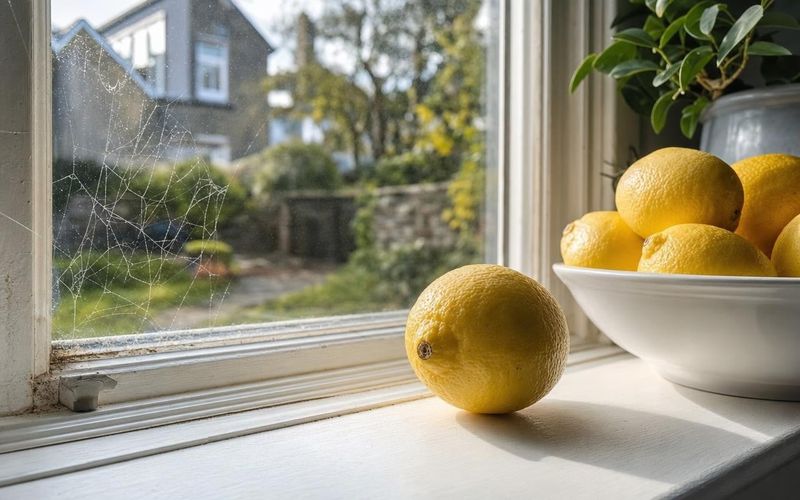
Those lemon peels headed for the trash still have a job to do. Citrus fruits carry limonene, a natural compound that may bother a spider’s chemical sensors.
Rub leftover peels along windowsills and baseboards to leave behind a fresh scent line. A bowl of oranges or lemons on the counter adds a little extra scent to the kitchen.
For a sprayable version, mix about 20 drops of lemon or lime essential oil, or some juice, with water. Wipe or spray counters, tile floors, and window frames.
Test first on wood and stone, since acidic juice can dull some finishes.
5. Tea Tree Oil
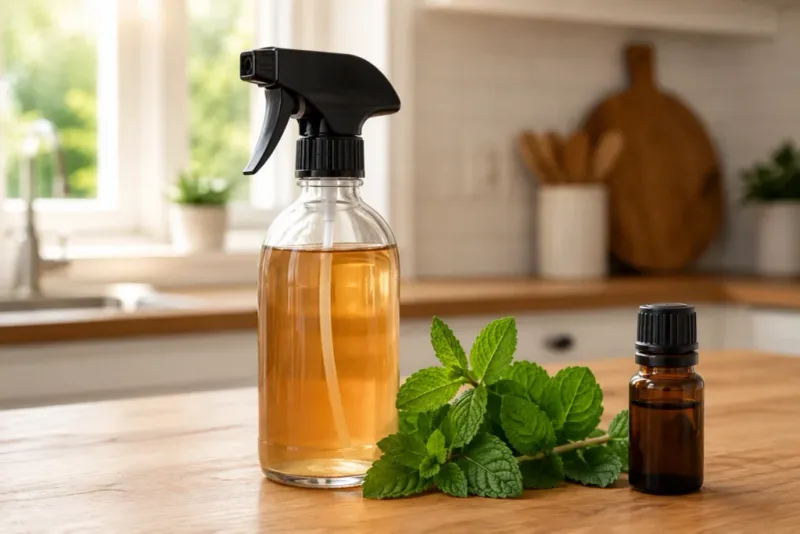
Here’s a two-for-one trick: clean the floor and make it less inviting for spiders at the same time. Tea tree oil has a potent, medicinal smell that works as a natural repellent.
Add a few drops to your mop bucket or spray cleaner during your weekly tidy. You’ll be wiping away old webs and leaving a scent behind in one step.
For problem corners, combine 10 to 15 drops with 1 cup of water and spray windowsills, doorframes, and furniture edges where cobwebs keep showing up. A dab on a cotton ball also works in out-of-the-way spots.
Keep it far from pets, as tea tree oil can be toxic to dogs and cats.
6. Cinnamon

Fall already smells like cinnamon, so why not put it to work? The spice contains cinnamaldehyde, which may create a barrier that both spiders and ants prefer not to cross.
A light sprinkle along door thresholds, garage entries, and window tracks is the easiest move. It fits right in with the season and costs only a few cents from your spice rack.
Cinnamon essential oil gives a stronger punch near entry points during fall and winter. Just remember the powder can stain light fabrics and carpet, so stick to hard floors and sweep it up before company comes.
7. White Vinegar
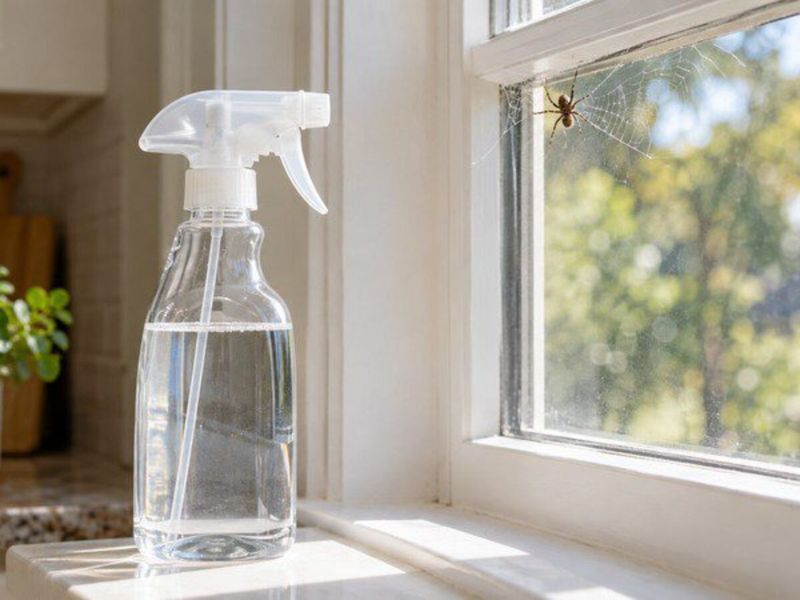
Sour, sharp, and cheap, white vinegar is probably already in your pantry. Its acetic acid gives off a smell spiders find highly irritating, which can confuse how they move around.
Mix equal parts vinegar and water in a spray bottle. Focus on damp spots like under sinks, plus baseboards, window sills, and little nooks where webs pile up.
Reapply about every two weeks, or sooner after rainy, humid stretches. Using it as your regular bathroom and kitchen cleaner keeps the scent fresh without extra work.
Don’t worry, the vinegar smell fades for people within an hour or so.
8. Cedar
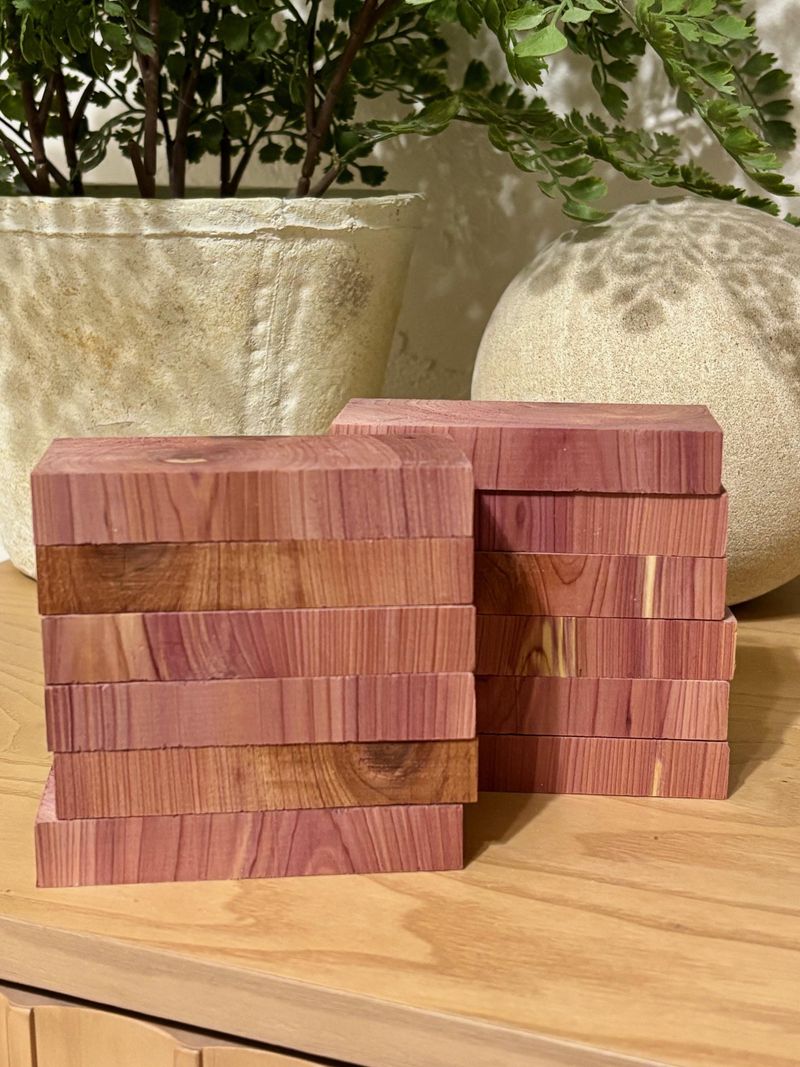
Old cedar chests kept wool safe for generations, and that same wood helps in storage spaces today. Cedar’s natural oils, including cedrol, may disrupt a spider’s senses.
Attics, basements, and garages are where cedar really shines. Those quiet, cluttered areas are exactly where spiders like to settle in when it gets cold.
Set cedar blocks or chips in closets, storage bins, and drawers. Lightly sand blocks every few months to refresh the scent.
A cedar essential oil spray can cover spots where blocks won’t fit.
9. Rosemary
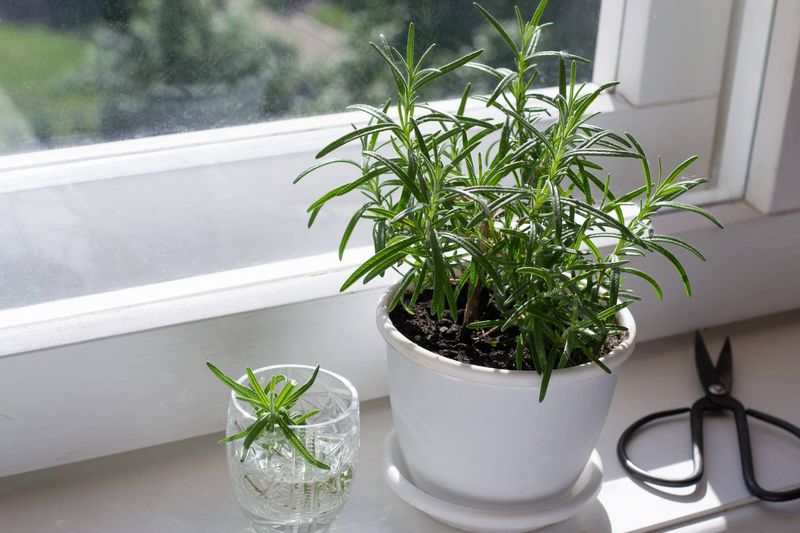
Gardeners, this one’s for you. Bringing a potted rosemary indoors before the first frost gives you fresh herbs for winter cooking and a scent spiders may avoid.
Rosemary holds eucalyptol and camphor, the same punchy compounds behind its piney smell. Set the pot on a sunny windowsill or near a door, and give it at least six hours of light.
Let the soil dry slightly between waterings, since soggy roots are the top reason indoor rosemary dies. Tuck fresh sprigs in corners, or use rosemary oil in a spray or diffuser.
Pair any of these smells with sealing gaps and vacuuming webs for the best results.