
Protect Your North Carolina Dogwood’s Buds This October for Spring Flowers
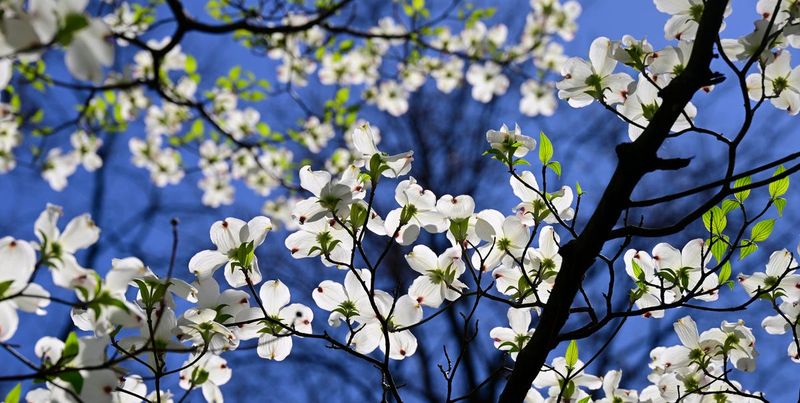
Your dogwood has been quietly getting ready for spring since late summer. The flower buds are already sitting at the tips of its branches, waiting out the winter.
October cannot make a heavy bloom happen, but it can help you avoid undoing what the tree has already built. Here is what to do, and what to skip, in your North Carolina yard.
October finds next spring’s buds already in place
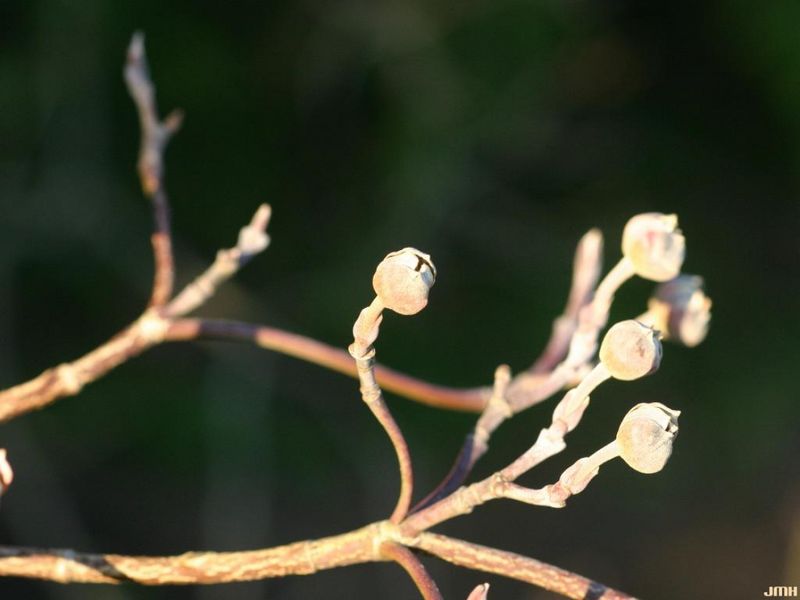
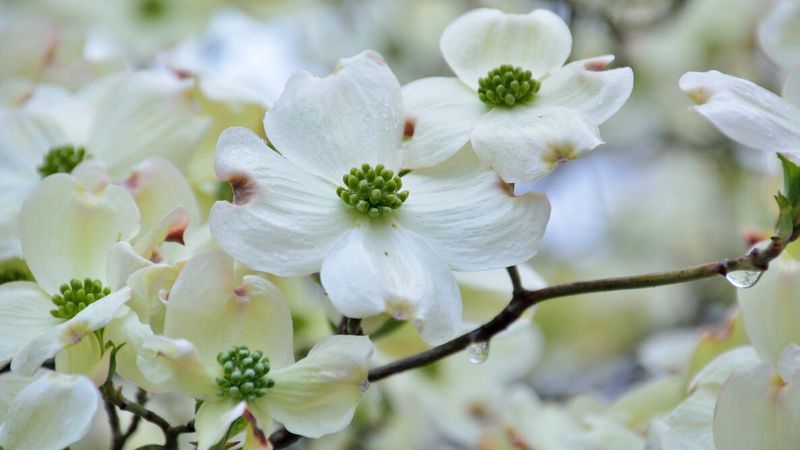
Walk out to a native flowering dogwood in October and look at the ends of the twigs. Those small, rounded knobs are next spring’s flower buds.
A U.S. Forest Service review of Cornus florida reports that floral buds become evident in late summer, stay dormant through winter, and open in spring.
That timing changes how to think about fall care. Nothing you do this month creates those buds.
The job now is to protect what is already there, so the tree can open them when the weather warms.
No single October chore can promise a heavy bloom. Maryland Extension’s dogwood guide points out that light, drought stress, and the overall health of the tree all play a part.
Whether the buds make it through winter matters too, and that part is out of your hands.
This article is about native flowering dogwood only. Kousa dogwood and shrubby dogwoods, such as the red-twig types, are different plants, and the advice here may not fit them.
If you are not sure which one is in your yard, check the leaves and flower shape before you pick up any tools.
Leave routine shaping until after the flowers fade
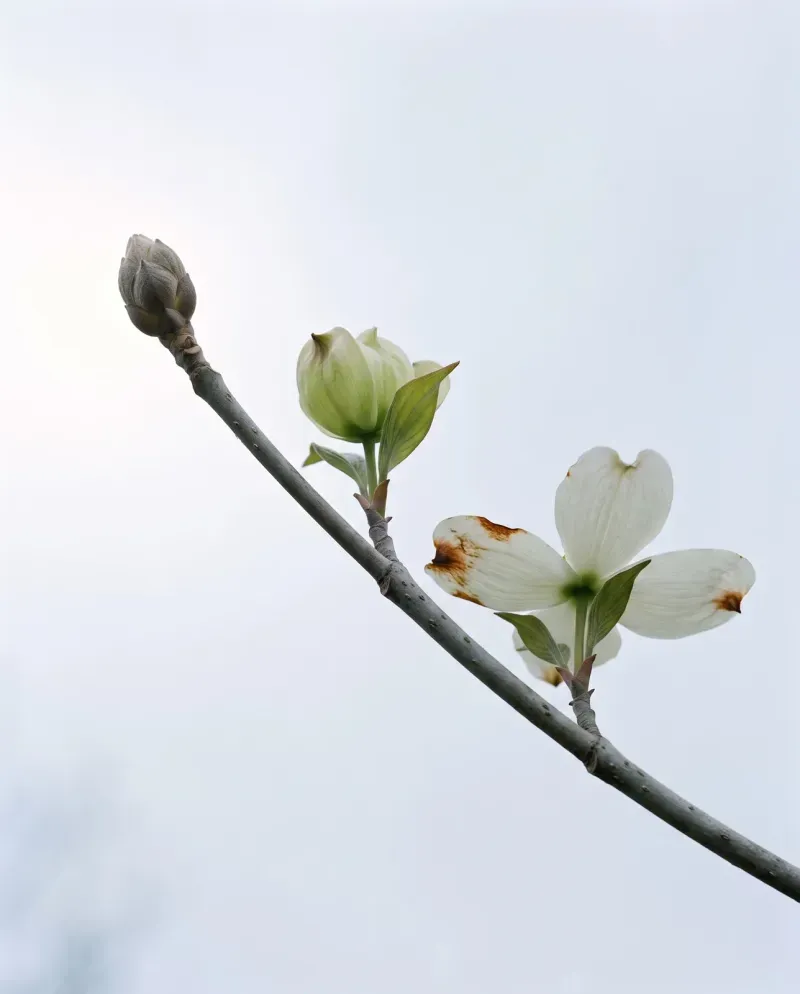
If you want one clear October priority, this is it: put the pruning shears away. Cutting back branch tips in fall can remove the flower buds sitting there.
NC Cooperative Extension in Burke County warns that fall pruning of spring-flowering dogwoods can cut off the next year’s flowers, and it suggests pruning just after the blooms fade.
Picture a neighbor tidying a dogwood into a neat shape in October. Every inch trimmed off a branch tip is an inch of possible flowers gone.
A light trim may cost only a few blooms, while heavy shaping can cost a lot more.
Not every cut is routine shaping, though. A broken limb, a branch rubbing against the house, or a dead stem that could fall is a different case.
Safety and structure can justify a cut at any time, and you simply accept that you may lose a few buds.
Advice on timing does vary by purpose and source. Maryland Extension lists late fall or early winter as one possible time to prune.
If your goal is next spring’s flowers, the cautious choice is to wait until the petals drop, then shape the tree.
Water only when conditions call for it
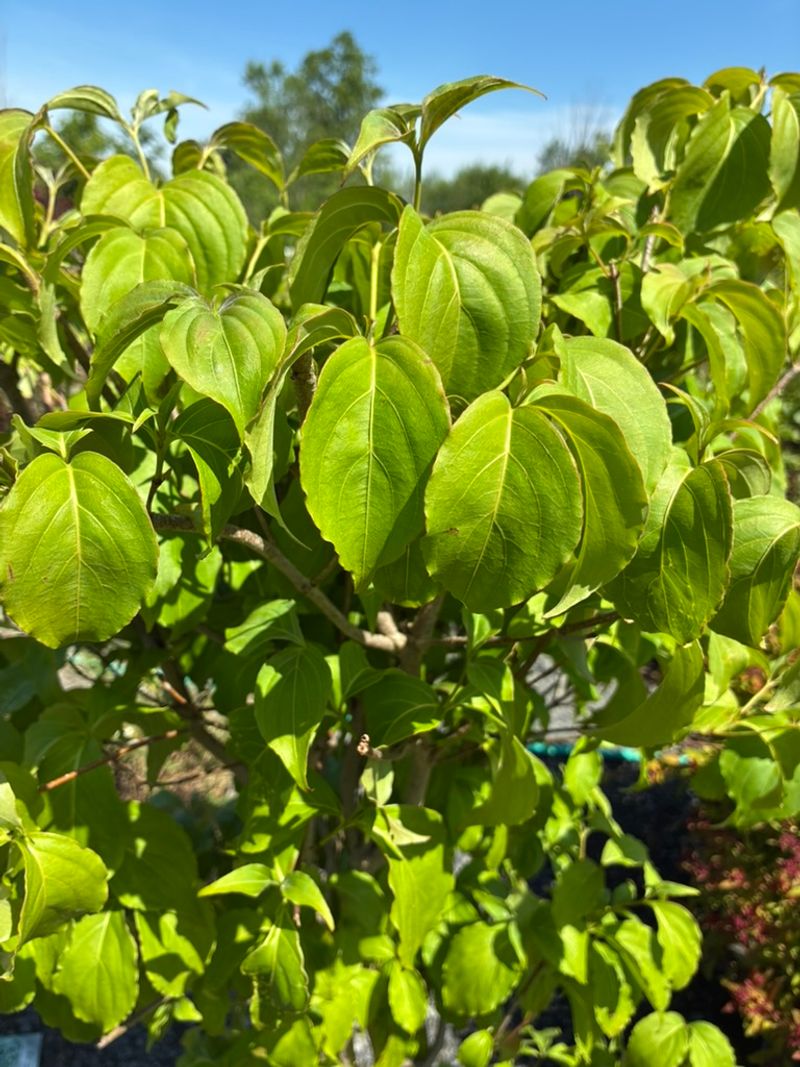
Skip the calendar and check the soil. Rain, soil type, and sun exposure all change how fast a yard dries out.
A dogwood in sandy Coastal Plain soil will need attention sooner than one in a shady, heavier Piedmont bed.
For an established tree, water when a prolonged dry spell sets in. The NC State Extension Gardener Handbook suggests watering established woody plants about every 10 days as a general guide during dry periods.
Make sure the water soaks down into the deeper root zone rather than just wetting the surface.
Recently planted dogwoods need closer watching. Maryland Extension recommends checking soil moisture 4 to 6 inches down at least weekly and watering when it is dry.
Push a trowel in and feel the soil: if it is damp, wait, and if it is dry, give the tree a slow, deep drink.
Keep expectations honest. Watering helps a dogwood cope with dry weather, but it does not promise more flowers next April.
Use mulch to support the soil, not to promise blooms
Mulch earns its place by looking after the ground, not by forcing flowers. A layer of organic material helps hold soil moisture and keeps soil temperatures from swinging as much.
That is steady, supportive care for the roots.
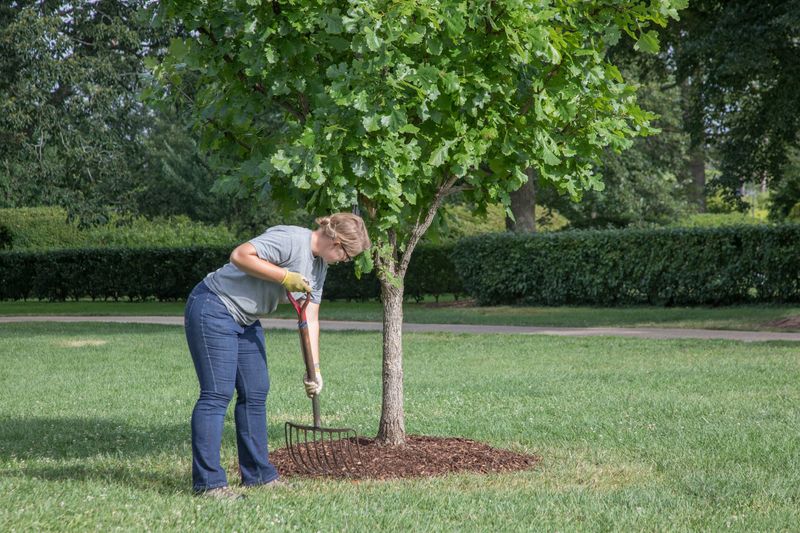
NC State’s Extension Gardener Handbook recommends a 2 to 3 inch layer of organic mulch, such as shredded hardwood or pine bark. It also says to keep the mulch at least 6 inches away from the trunk.
Picture a doughnut, not a volcano. Spread the mulch wide, thin it out, and leave a bare ring around the base so the bark can stay dry.
Mulch piled against the trunk holds dampness against the bark, which is exactly what you do not want.
If last year’s mulch has packed down, fluff it with a rake instead of adding a fresh heap on top. Measure once with a ruler, and you will not need to guess again.
Skip automatic fertilizer as a bloom booster
A bag of fertilizer can look like an easy shortcut to a showier spring. It is not.
Maryland Extension advises fertilizing dogwoods only according to soil-test results, not on a routine schedule.
A soil test tells you what your yard actually lacks. If nothing is missing, extra fertilizer gives the tree nothing it needs.
NC State Extension’s fertilizing guide notes that fertilizer is not a cure-all, can make some problems worse, and may push soft growth that demands more water.
Bloom density also depends on more than autumn care. Light, drought stress, tree condition, and winter survival of the buds all matter, and no one treatment can promise flowers.
If your dogwood has looked weak, start with a soil test through your county Extension office. Then you are working from facts instead of hope.
Protect the buds and let spring arrive
Hold off on routine pruning until after the flowers fade, check the soil before you water, and keep mulch 2 to 3 inches deep and clear of the trunk. Those steps look after a tree whose buds are already formed.
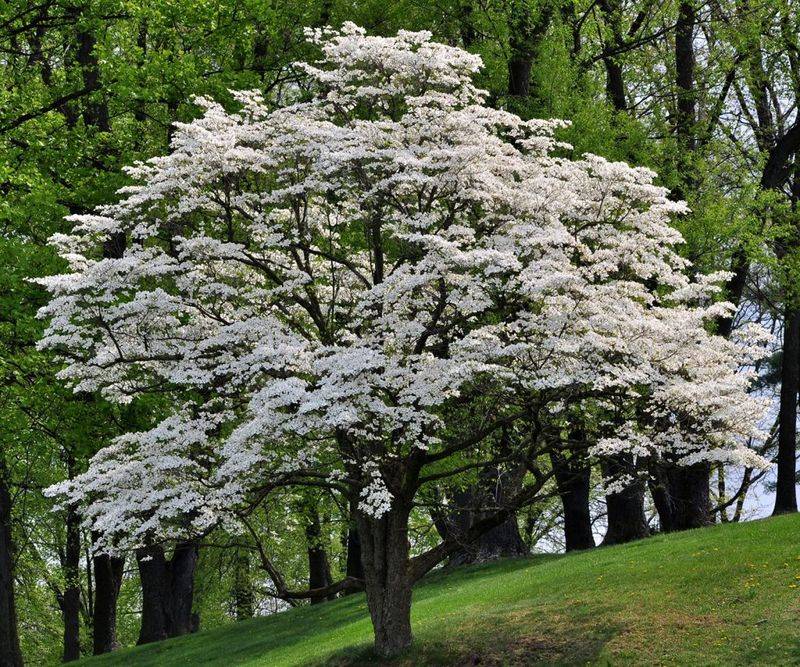
None of it guarantees a dogwood covered in white. It just gives the buds their best shot.
The rest is up to winter.