
Is a Black Walnut Tree Hurting Your Tomatoes? What Juglone Really Does in a Backyard Garden
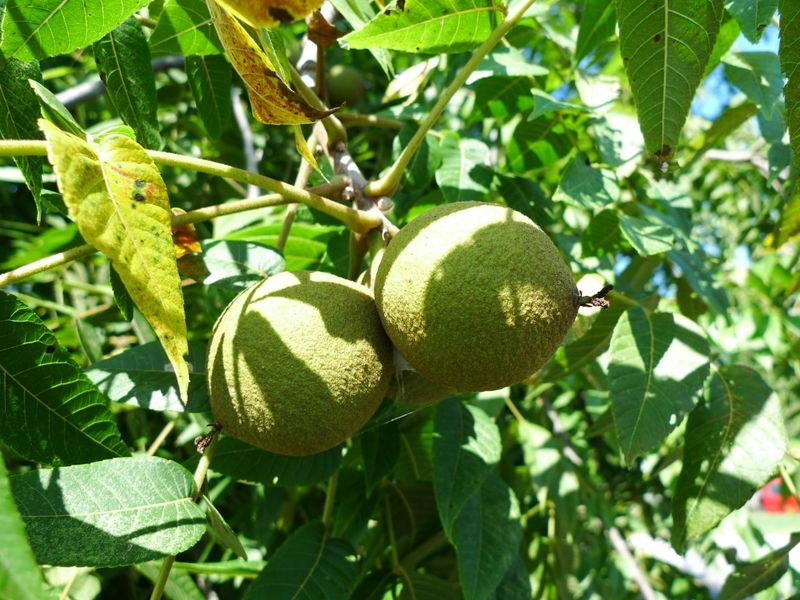
You planted tomatoes with care, and now the leaves are drooping next to your neighbor’s big black walnut. It is easy to wonder if the tree is to blame.
Black walnuts do make a compound called juglone that can bother some plants, but the full story is more mixed than most garden advice admits. Here is how to sort out what is really going on and where to put your beds next year.
A nearby walnut does not automatically poison a tomato
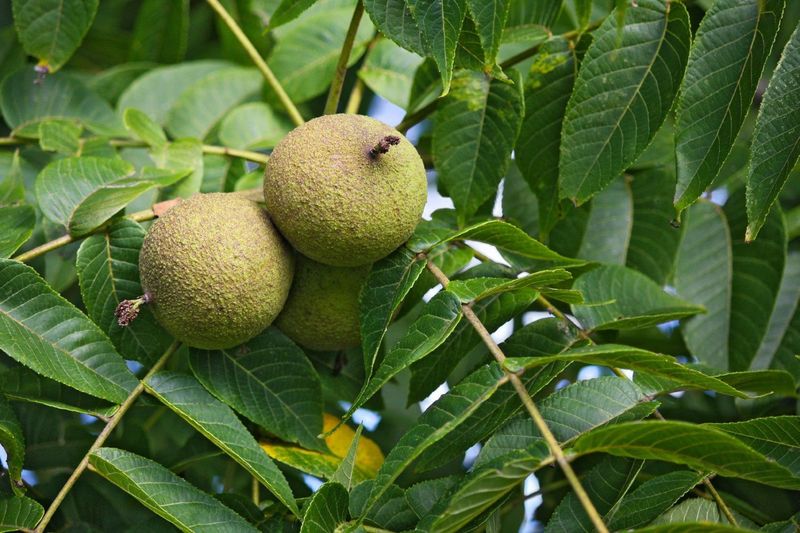
Black walnut trees make a compound called juglone, and it can harm some plants. That part is well established.
What is less settled is how much juglone actually reaches the tomatoes in your yard.
A soil study in the Journal of Environmental Quality found measurable juglone near black walnut roots. The same study also found that juglone breaks down through both microbial and non-microbial processes.
How much is present, and how long it lingers, depends on the soil.
So finding juglone near a tree is not the same as proving it will hurt a tomato ten or twenty feet away. University of Maryland Extension describes walnut toxicity as a real concern for sensitive plants, and it is reasonable to take it seriously.
At the same time, a critique by Cupler and colleagues points out that the classic stories of wilted tomatoes near walnuts rested on limited, observational evidence. Other factors could have been at work in those cases.
The practical takeaway is that juglone is a possible risk that depends on your conditions, not a guaranteed poison. Your walnut may be a factor, but it should not be the only suspect.
The next few sections show how to check the other usual culprits and how to site beds wisely.
Which vegetables and fruit plants may be sensitive?
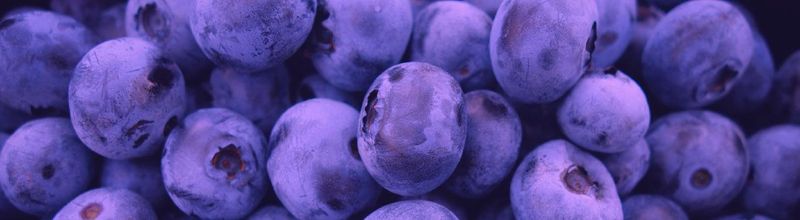
Gardeners most often see tomatoes, peppers, eggplant, potatoes, and blueberries on lists of plants that may be sensitive to juglone. Purdue Extension includes these on its guidance about walnut and plant sensitivity.
Notice the word may. Purdue notes that relatively few plants have been tested in controlled experiments, and a lot of what is known comes from people watching what grows well or poorly near walnuts.
That means the lists are a helpful heads-up, not a verdict. A tomato near a walnut might struggle, or it might do fine.
Plants that are not on a list have simply not always been studied.
It also helps to avoid ranking these crops against each other. The evidence is too thin to say that one is more vulnerable than another, so treat them all as plants worth giving a little extra care.
If you grow peppers beside a walnut and they look healthy, that is a useful observation. If your potatoes are struggling, do not jump straight to juglone.
Light, water, and root competition can cause similar problems, which the next sections cover.
What does a 50-foot buffer actually mean?
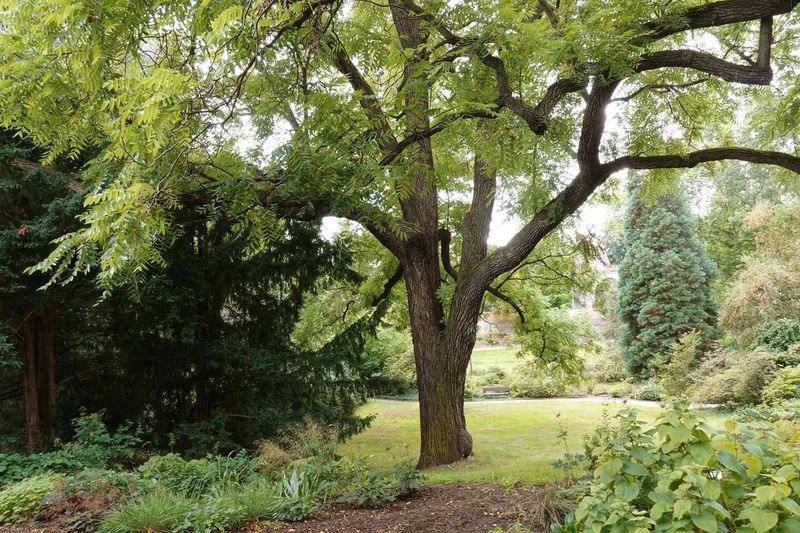
You will often hear that vegetables should be planted at least 50 feet from a black walnut. Wisconsin Extension gives that distance as a precaution for black walnut and butternut trees.
The Morton Arboretum describes a typical root zone of about 50 to 60 feet for a large tree. Roots often reach well past the edge of the leaves, so the canopy is not a reliable boundary.
Still, 50 feet is a rule of thumb. It is not a line where juglone suddenly stops mattering, and it is not a promise of safety on the far side.
Real exposure changes with tree size, soil type, drainage, and the microbes in the ground. The soil study in the Journal of Environmental Quality found that juglone breaks down at different rates depending on these conditions.
Think of 50 feet as a sensible target when you have the room. If your yard is small, aim for as much distance as you can manage and use the other steps in this article to improve your odds.
Wilting can point to shade, thirst, or root competition
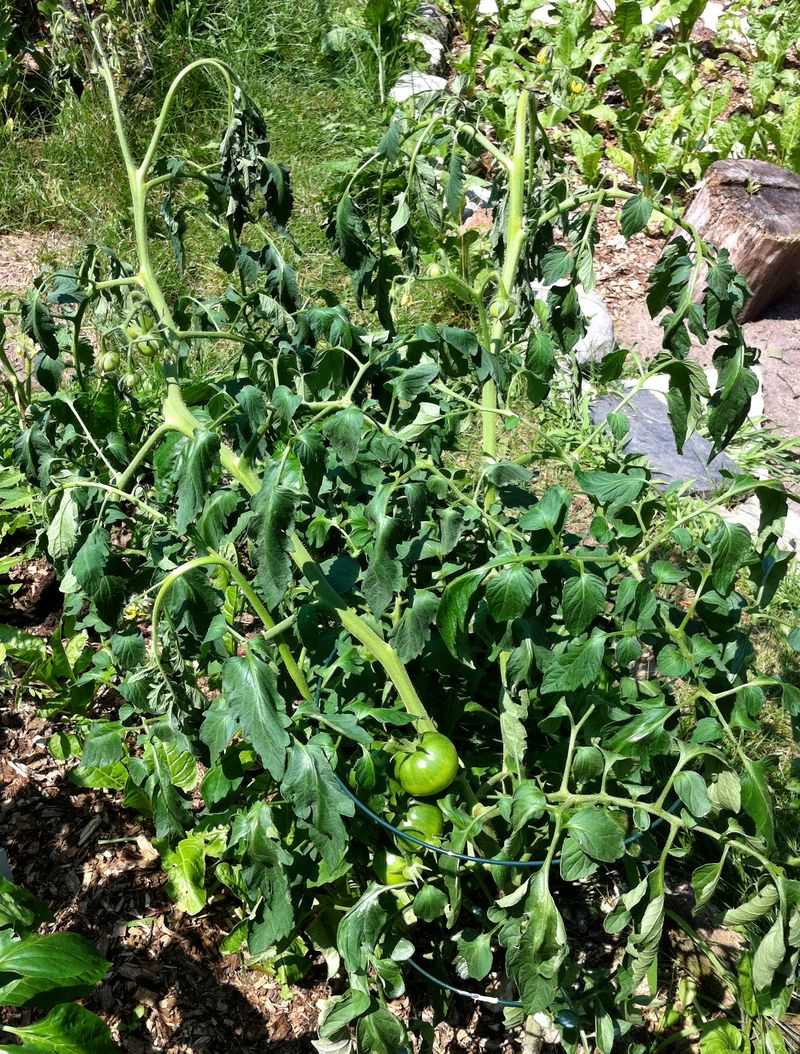
Picture a tomato with limp leaves on a hot July afternoon. Before blaming the walnut, run a quick checkup.
A few minutes outdoors can tell you a lot.
Start with light. Tomatoes and peppers want full sun, and a walnut’s big canopy can cast long shade across a bed.
Iowa State Extension notes that low light and dry soil can produce symptoms similar to juglone injury.
Next, push a finger a few inches into the soil. If it is dry well below the surface, thirst may be the problem.
Mature walnut roots are good at pulling water and nutrients from the ground, so they can compete with nearby vegetables, especially in dry spells.
Then look at the pattern. Is the whole bed struggling, or just the side closest to the tree?
Are plants in full sun doing better? These clues will not prove the cause, but they help.
Yellowing, wilting, and stunting can come from shade, drought, poor nutrition, or juglone. Symptoms alone cannot tell you which one.
Adjusting one thing may help, but it will not necessarily rescue a plant that is already struggling.
Site the next bed for sun and fewer competing roots
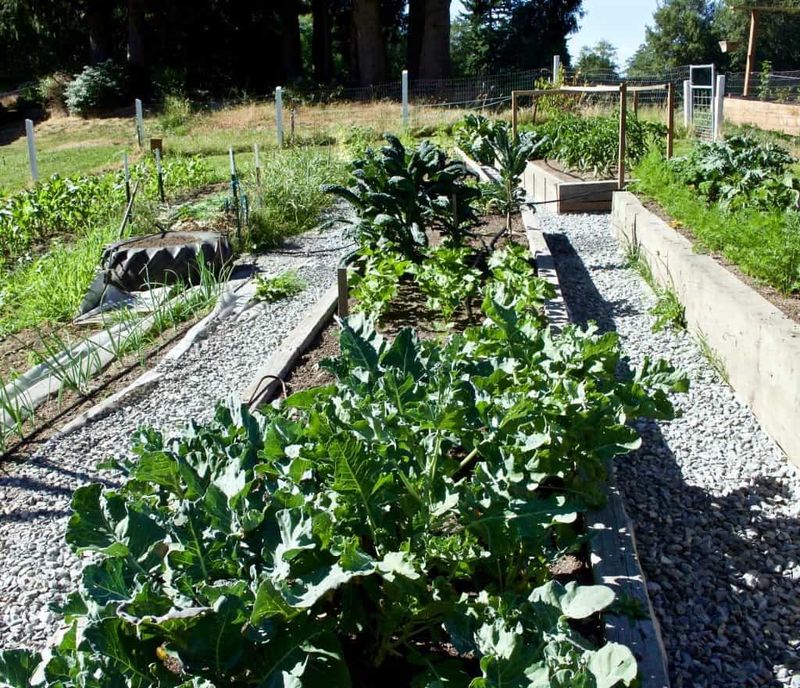
When you plan next year’s garden, think sun first. Pick the brightest spot you have, then slide it as far from the walnut as is practical.
A bed with six to eight hours of direct light and fewer tree roots has a head start no matter what juglone is doing.
Fifty feet or more is a good cautious goal, as Wisconsin Extension suggests. If your lot cannot give you that, farther is generally better than closer, but there is no magic number.
Distance also cuts down on competition. Fewer walnut roots in your bed means less pressure on water and nutrients.
Iowa State Extension recommends adequate irrigation and full sun for sun-loving plants, which are good habits anywhere.
Blueberries deserve a note. They appear on lists of potentially sensitive plants, and an Ask Extension answer reminds growers that sun, water, and soil conditions matter too.
Blueberries also need acidic soil, so a move helps only if the new spot suits them.
Moving tomatoes, peppers, or blueberries may reduce their exposure to juglone and root competition. It cannot guarantee a good harvest, so keep watering and watching.
A raised bed may help if it limits walnut-root penetration
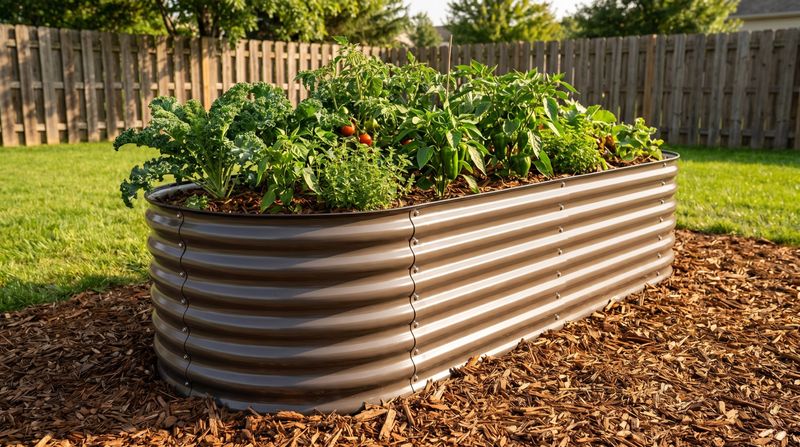
If you have no room to move, a raised bed is worth considering. A raised bed may help if it limits walnut-root penetration, since roots that cannot reach your soil cannot compete with your plants or add juglone there.
Its other benefits, such as better drainage and warmer soil, may help too.
Effectiveness depends on conditions. Purdue Extension advises minimizing root penetration, but it does not name one bed depth or liner that works everywhere.
Check the bed each season for roots creeping in from the sides or bottom.
Debris matters as well. Keep walnut leaves, hulls, and shells out of beds with sensitive plants, and raking them away from the bed edges is a simple habit.
Purdue cautions against using walnut leaves, bark, or chips as mulch for sensitive plants.
Advice on composting differs. Iowa State Extension, in an Ask Extension answer, says leaves can be composted and suggests at least six months for hulls, shells, and other slow-decomposing material.
Because sources vary, there is no single rule to treat as settled.
Each of these steps lowers avoidable risks. None of them proves that juglone caused past problems.
Sometimes the best answer is simply a sunnier, better-watered bed.