
The Fall Weekend That Decides Whether Aerating Actually Saves Your North Carolina Lawn
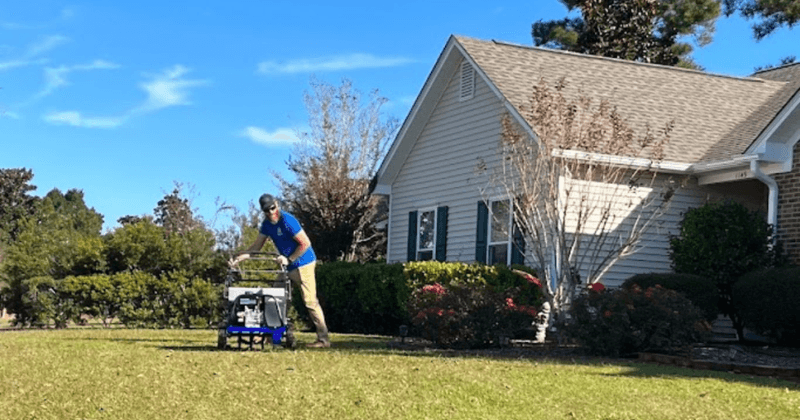
Walk across a worn patch of yard after a rain and notice how hard the ground feels under your shoes. That squeezed, packed soil is called compaction, and it can make grass struggle.
Aeration is one tool for loosening it, but when you do it matters a lot, and it depends on the kind of grass you grow. Here is how to decide whether your North Carolina lawn needs it and how to do it safely.
Choose the season by grass type
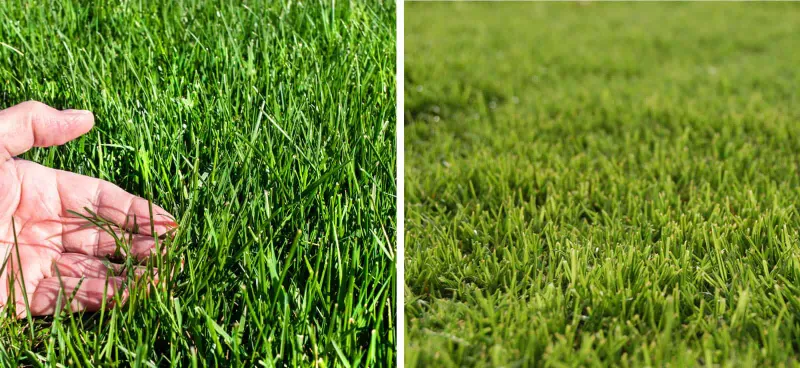
Before you pick a date, figure out what grass you actually have. Cool-season grasses such as tall fescue, Kentucky bluegrass, and fine fescues are common in the mountains and Piedmont.
Warm-season grasses such as bermudagrass, zoysiagrass, centipedegrass, and St. Augustinegrass are common in the Piedmont and Coastal Plain.
Your region is only a hint, not proof. The Piedmont has plenty of both types, and neighbors on the same street can grow different lawns.
Look at the blades, check whether the lawn turns tan in winter, or ask your local Extension office to help identify it.
Once you know, the calendar gets clearer. NC State’s Extension Gardener Handbook recommends core aerating cool-season turf in fall, and its established-lawn guidance calls for late spring or early summer on warm-season turf, when the grass is actively growing and can recover from the disturbance.
That means the fall aeration rule does not transfer to bermudagrass or its warm-season cousins. Punching holes in a warm-season lawn in October would be the wrong move.
It also means the title’s drama is overstated. No single fall weekend decides whether aeration saves a lawn.
Grass type, soil moisture, and the condition of your turf shape the timing, and a fescue lawn has a window of weeks, not one make-or-break Saturday.
Decide whether compaction calls for aeration
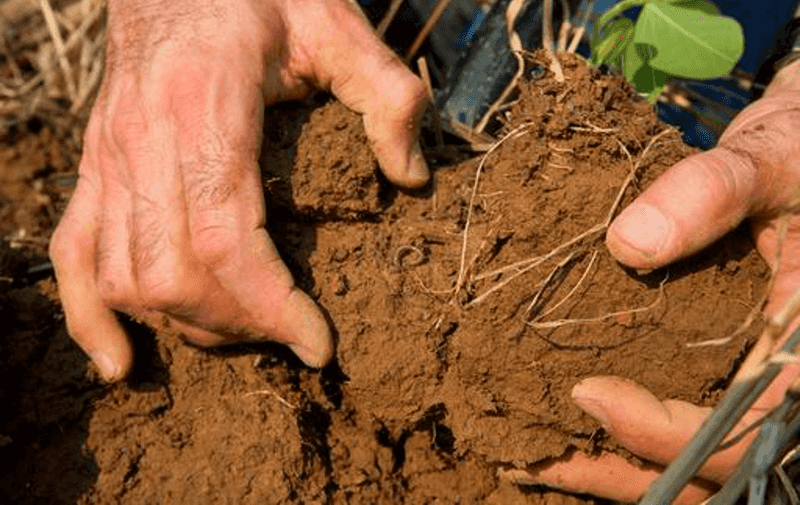
Not every lawn needs aerating. NC State names heavy traffic and clay soils as reasons to consider it, and says lawns can be aerated once a year, especially under heavy use or on heavy clay, according to the Extension Gardener Handbook.
Can is the key word. A lawn with soft soil and healthy roots does not need a yearly pass.
Look for clues. A path where kids or dogs run every day, a spot where a mower or truck parks, or ground that a screwdriver barely enters after rain all point toward compaction.
Thin grass along a new-construction lot is another common sign, since building crews often pack the soil down.
The clay idea needs care too. NC State’s soil guidance notes that much of the Piedmont and mountain subsoil is clay-rich, while Coastal Plain soils tend to be sandier.
So a Wilmington yard and a Greensboro yard may have very different dirt.
Either kind can get compacted. Foot traffic, heavy equipment, and construction squeeze sandy soil as well as clay.
Test the ground first, then decide whether aeration fits your lawn.
Set realistic expectations for what aeration can fix
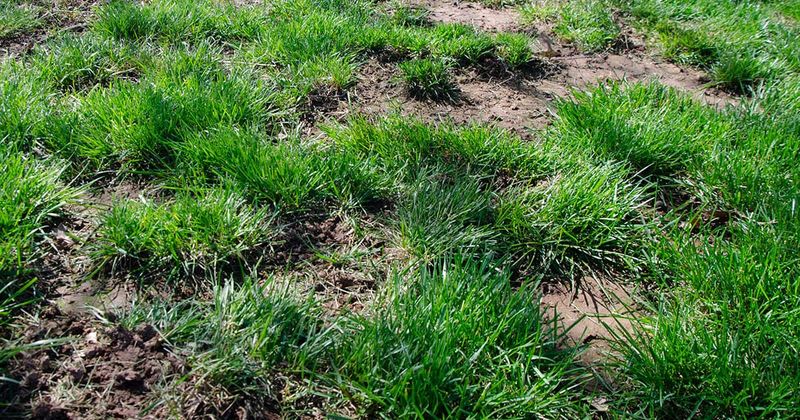
Aeration has a specific job: helping to alleviate compaction. NC State’s established-lawn guidance describes it that way, and it stops there.
It does not promise a thick lawn by spring.
Drainage is a separate problem. A different NC State soil publication cautions that core aeration in compacted soil does not directly improve how water moves through it.
If a low corner stays soggy for days, you may need grading, a swale, or a drain, not more holes.
Thin turf is its own question. Tall fescue is a bunch-type grass, so it does not spread into bare spots the way bermudagrass can.
The Extension Gardener Handbook says those bare areas need reseeding.
A quick diagnosis helps. Hard ground with worn grass points to compaction.
Bare soil that is soft points to seeding. Standing water points to drainage.
Many lawns have more than one issue, and aeration is just one possible piece of the repair.
Mark buried lines and sprinkler components first
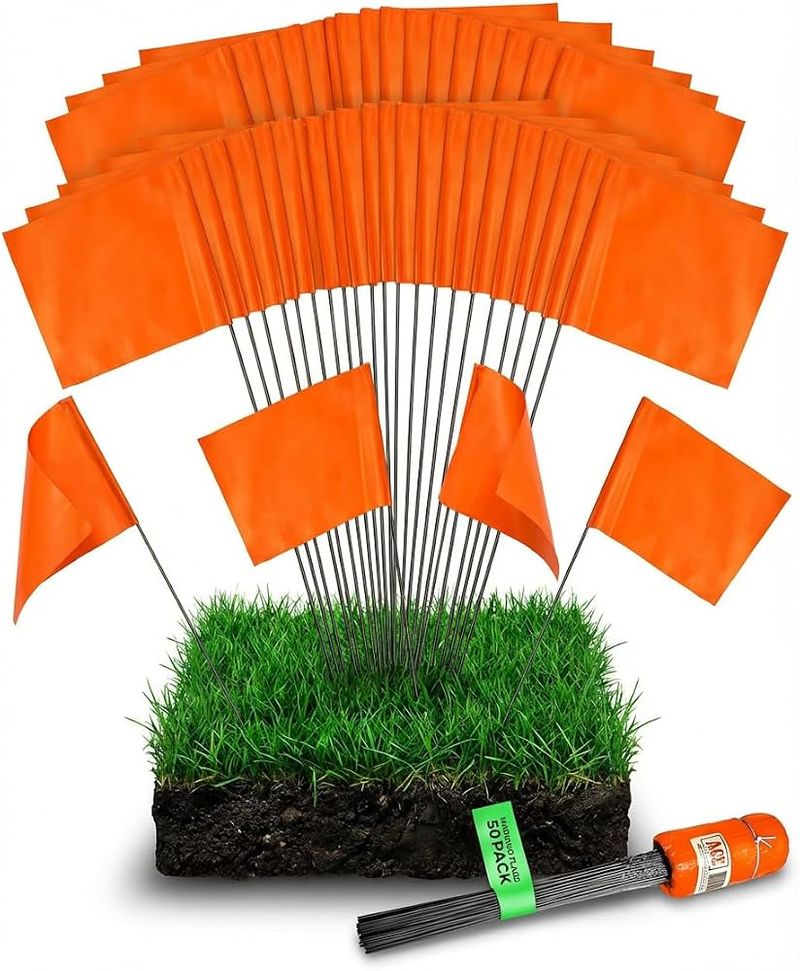
Safety comes before the machine. A core aerator pushes hollow tines into the ground, and those tines can snap sprinkler heads or cut shallow lines.
NC State advises marking sprinkler heads, shallow sprinkler lines, and underground utility, cable, and septic lines before you start, as explained in the Extension Gardener Handbook.
Flag every sprinkler head with a small marker. If you know where the lines run, mark them too.
Walk the yard and note the septic tank, drain field, and any cable or buried wire you know about.
For public utilities, call 811 early. NC811 generally needs three full business days to process a locate request, so do not wait until Saturday morning to ask.
A public locate request does not cover everything. NC811 does not mark private lines through its service, such as a line to a detached garage, a landscape light circuit, or an irrigation line.
For those, you may need a private locator, or the installer’s plans. If you cannot say where something runs, leave that area for another day.
Use a core aerator when the soil is moist
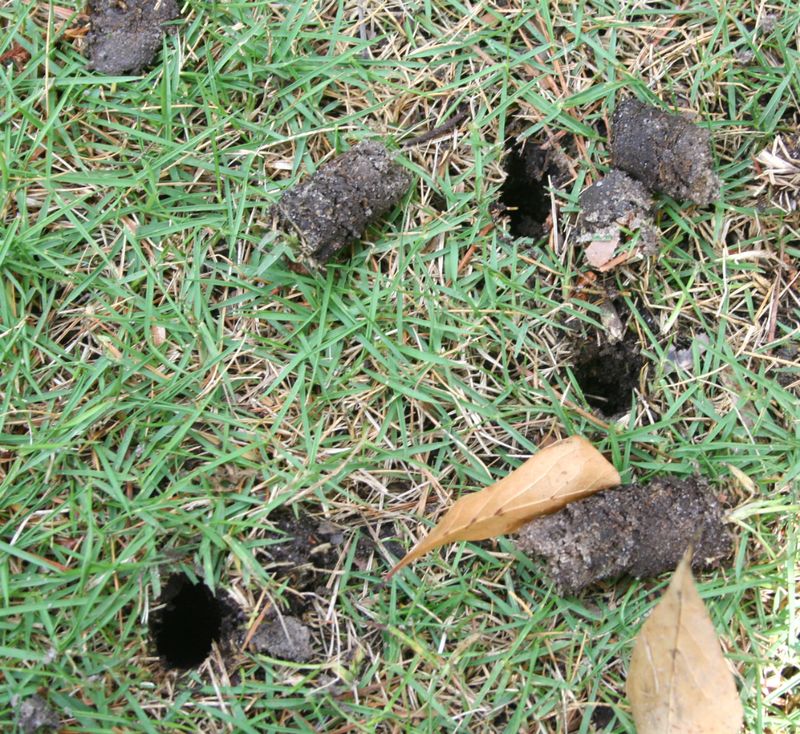
Rent or borrow a core aerator, also called a plug aerator. It pulls small cylinders of soil out of the ground.
Skip spike tools. NC State advises against spike aeration because it can further compact the soil around each hole.
Soil moisture decides how well the job goes. Dry clay is too hard for tines to enter, and saturated soil turns messy and smears.
Aim for soil that is moist but not saturated. NC State suggests aerating after a soaking rain or irrigation so the machine can reach about 2 to 3 inches deep.
A simple test is to push a screwdriver into the ground. If it slides in easily, you are close.
If you have to lean on it, water the lawn and wait a day. If mud sticks to your boots, wait longer.
Make a couple of passes, going over heavily used areas a second time at a different angle. Then decide about the plugs.
NC State’s established-lawn guidance suggests chopping and spreading them, and NC State says cores work back into the soil within two to four weeks. You can also simply leave them where they fall.
Keep tall-fescue seeding on its own calendar
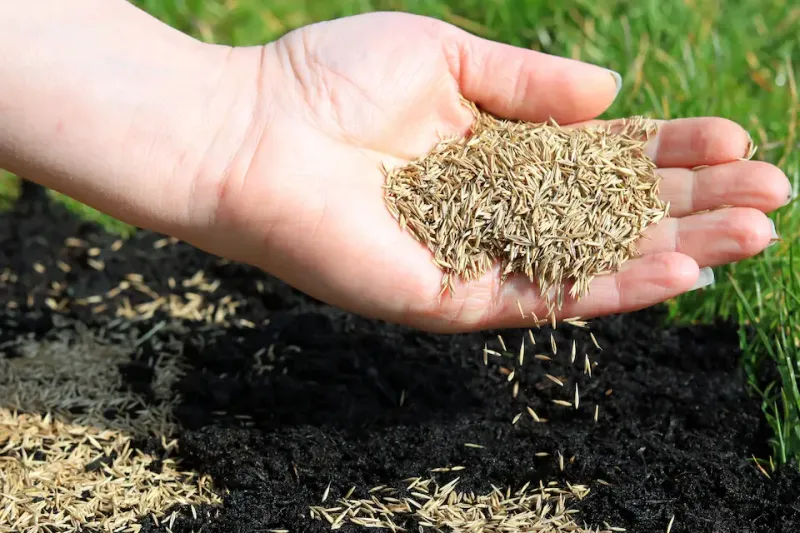
Aerating and overseeding are two decisions, and they run on different calendars. For tall fescue, NC State’s recommended seeding dates are August 15 to September 1 in the mountains, September 1 to 15 in the Piedmont, and September 15 to October 15 in the Coastal Plain.
As of October 16, 2026, those published windows have passed in all three regions. That does not make establishment impossible.
NC State warns that seeding later raises the chance of failure, since young seedlings have less time to root before cold weather arrives.
So if your fescue lawn has bare areas and you missed the dates, you have choices. You can accept a lower chance of success and seed anyway, keeping the soil evenly moist, or you can plan to seed at the right time next year.
Either way, bare ground needs seed, not just holes.
If compaction is also a problem, you can still core-aerate a cool-season lawn this fall when the soil is moist enough, and keep seeding as its own call.
A lawn rarely turns around in one weekend. It improves through steady, season-by-season choices.