
Could Road Salt Along Your Driveway Be Harming the Plants Next To It? How To Protect Them This Winter
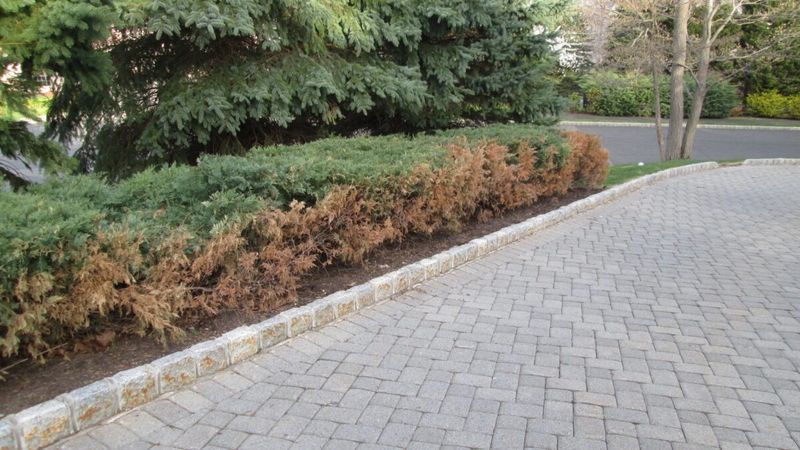
Every spring, many gardeners spot a strip of brown grass or a tired-looking shrub right beside the driveway. Winter deicer may be one possible reason, and it is something you can plan around before the first snow.
A few simple habits can lower the chance that salt ever reaches your lawn edge, hydrangeas, or evergreens. Here is how to spot the risks and protect the plants you care about.
Why can salt leave a brown strip beside pavement?
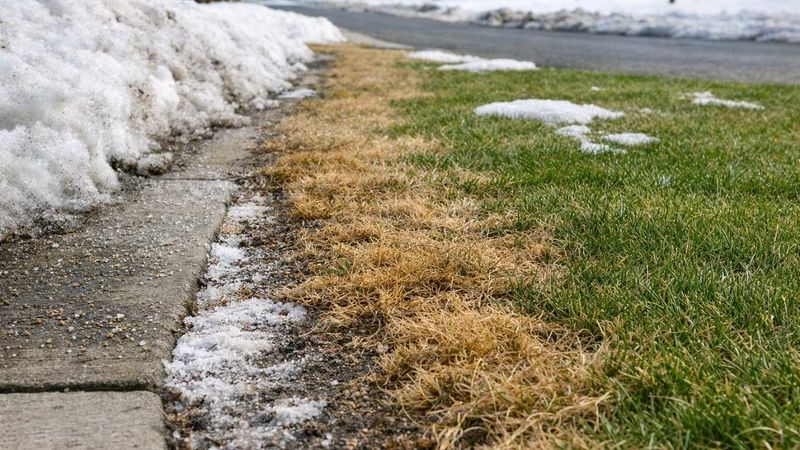
Deicer, especially sodium chloride (rock salt), can hurt plants in two different ways. Knowing both helps you decide what to protect and how.
The first route is through the roots. When salty meltwater soaks into the soil, it can make it harder for roots to pull in water, so a plant can act thirsty even when the ground is wet.
According to University of Minnesota Extension, high salt levels can injure or even kill plants.
The second route is through the leaves. When a plow, a passing car, or a shovel flings salty slush onto a shrub, the salt can land on foliage or needles and damage them on contact.
This is called direct spray, and it is a different problem from salty water in the soil.
The difference matters because each route calls for its own fix. Spray exposure is about what lands on branches, so moving plants or shielding them can help.
Root exposure is about where salted snow and meltwater end up, so steering that water away from beds is the better move.
Think of a lawn edge hugging the pavement. Meltwater from a salted driveway often drains right into it, which is why that narrow strip is a common place to look.
A hydrangea or boxwood near the drive might face both spray and runoff in the same winter.
None of this means salt is always the culprit. It means salt is a real, preventable risk worth planning around.
A brown edge is a clue, not a diagnosis
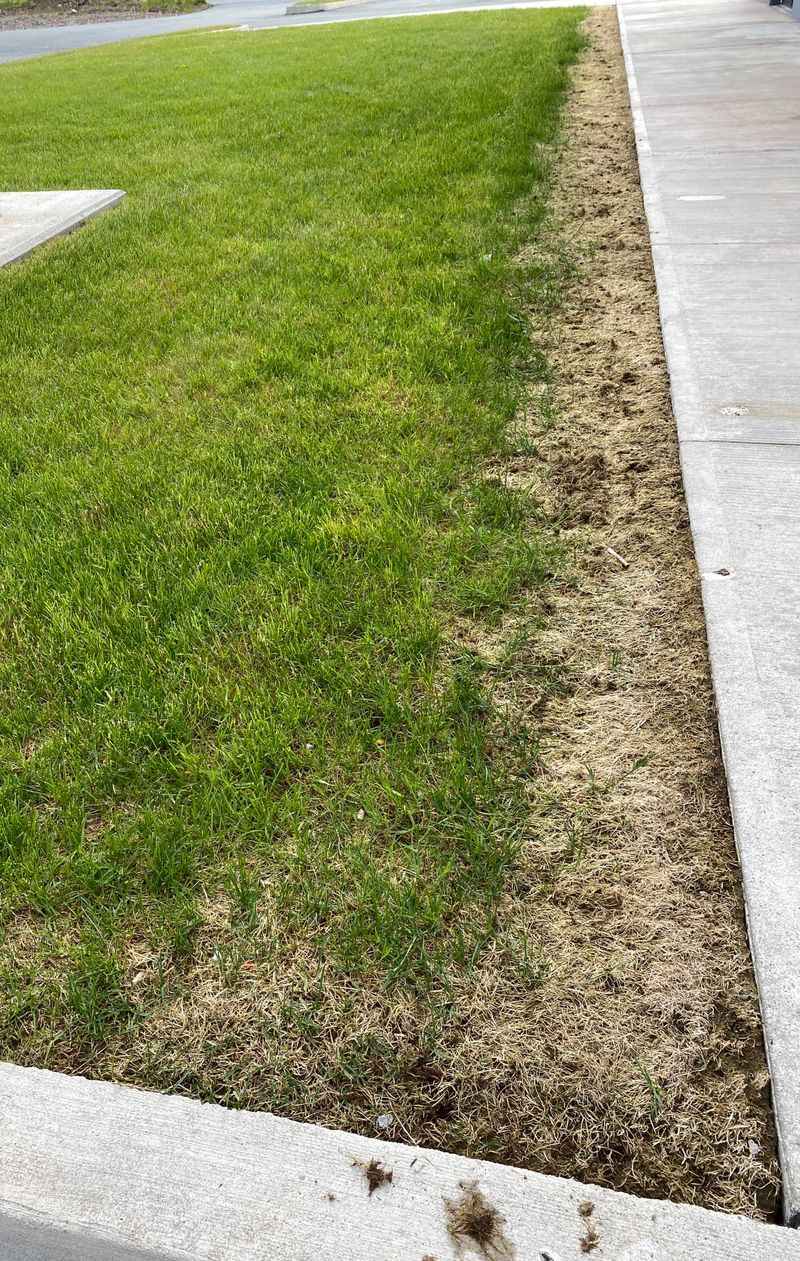
Brown grass beside the driveway after snowmelt is a familiar sight. It can point toward deicer, but it cannot prove it by itself.
Grass hurt by deicer often shows up in a strip along the pavement. A University of Minnesota Extension turf diagnosis page describes this pattern, which is why location is a useful first clue.
Timing is another clue, since damage often becomes obvious once the snow melts.
Still, plenty of other things can leave similar marks. Winter cold, drying wind, drought, and drainage problems can all brown a lawn or shrub.
Penn State Extension notes that salt injury can look like other plant problems, so it pays to keep an open mind.
Evergreens deserve a special look. According to University of Minnesota Extension, they can be especially vulnerable to salt spray, since their needles stay exposed all winter.
To sort out the cause, ask a few simple questions. Is the damage mostly on the side facing the road or driveway?
Does it fade with distance from the pavement? Does water pool or stay soggy in that spot?
If the answers line up with where salt was used, deicer becomes a more likely suspect. If they do not, look at wind exposure, watering, and drainage before pointing at the salt bin.
Plan where the snow will go
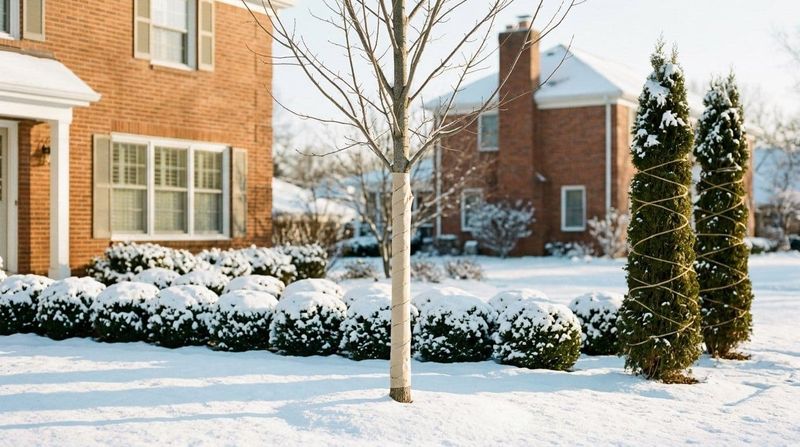
A little planning before the first storm can save a lot of worry in spring. Walk the driveway and walkway and note where lawn edges, shrubs, and beds sit nearby.
Next, pick a spot for the snow. Salted snow piled against a hydrangea or boxwood will drip its meltwater straight into the soil around the roots.
As University of Minnesota Extension explains, meltwater can carry deicer into the soil.
Heavy snow has another downside. Tossing a big load onto a shrub can snap its branches, so choose an open area with no plants, or a spot where the water will run toward a drain or paved surface rather than a garden bed.
Shovel or scrape early and often. Fresh snow lifts off easily, while packed snow turns to ice and tempts you to reach for more salt.
Distance guidance varies, so treat any number as a starting point. The University of Minnesota suggests planting shrubs and trees at least 3 feet from salted walks and driveways in its regional guidance.
Penn State Extension advises keeping rock salt 5 to 10 feet away from salt-sensitive plants.
Your own yard may need more or less room, depending on slope, drainage, and how much salt you use. Your local Extension office can help you adjust.
Use only the deicer you need
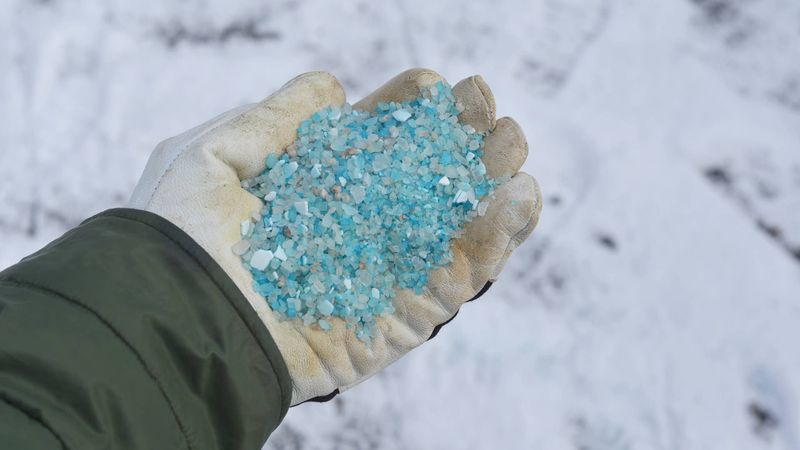
Less really can be more when it comes to deicer. A simple routine keeps the salt on the pavement and away from your plants.
Start by removing as much snow and ice as you can. Salt works best on a thin layer, so a well-shoveled surface needs far less.
Then read the product label and use the minimum amount that does the job. Penn State Extension encourages using only what is needed for safety.
Many people spread far more than necessary, and extra granules do not melt ice faster. Once the pavement is dry, sweep up stray granules so you can reuse them instead of letting them wash toward the lawn.
Sand is a handy tool in some spots. It adds traction where melting is not essential, but it does not melt ice.
The EPA best-management-practice fact sheet treats traction materials and deicers as separate tools, so if you truly need ice removed, sand will not replace it.
You may see products sold as gentler options. Be cautious, since no chemical deicer should be thought of as harmless to plants.
University of Minnesota Extension notes that different products come with different trade-offs, and even alternatives can cause damage when overused.
Switching brands is not a guarantee of safety. Following the label and applying sparingly matters more than the name on the bag.
Shield foliage from spray
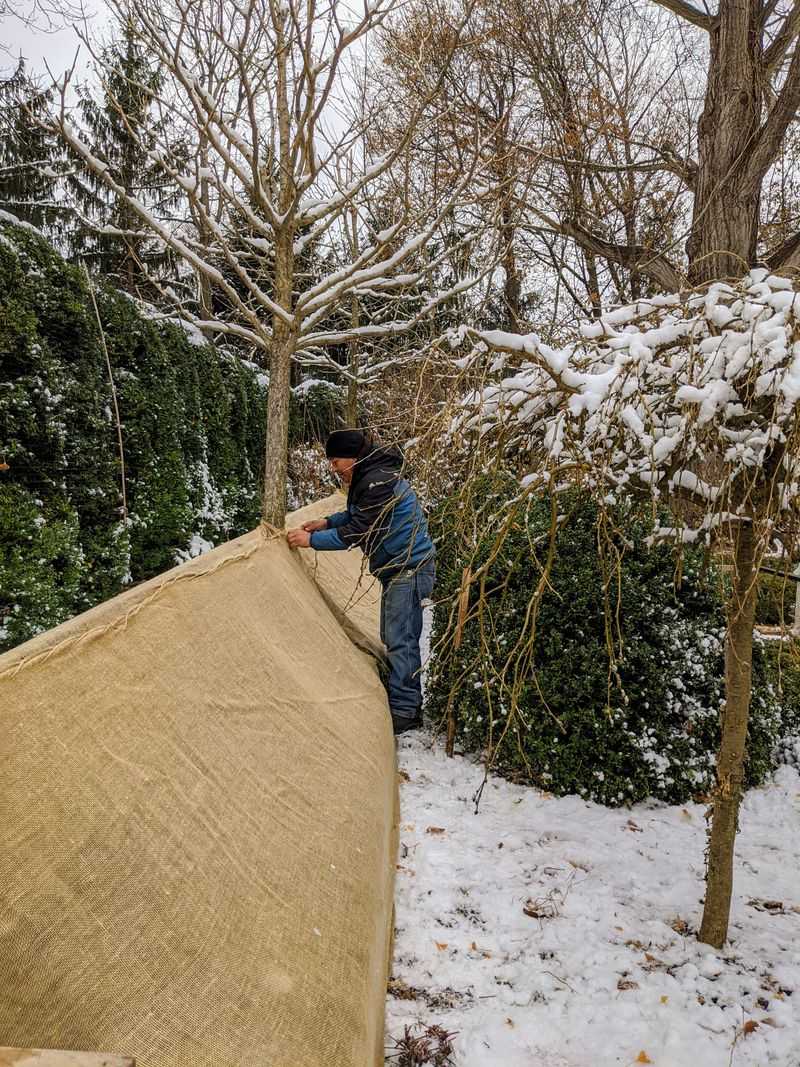
If a favorite evergreen sits close to the road or driveway, a simple screen can help keep salty spray off its leaves. Burlap stretched over stakes is a common choice.
According to University of Minnesota Extension, burlap barriers may help against spray. Evergreens can be especially vulnerable since their needles hold salt all winter.
Set the stakes before the ground freezes, and place the screen on the side facing the pavement. Leave the top open and keep the burlap from pressing against the branches so air can still move through.
This kind of shield works for spray only. It will not stop salty meltwater from soaking into the ground and reaching the roots.
A plant wrapped in burlap can still take up salt through the soil if runoff flows underneath.
Think of the screen as one layer of protection rather than a complete fix. It is most useful for shrubs that face a plowed road or a spot where passing traffic kicks up slush.
Check the screen after heavy storms. Wet snow can weigh it down or push it over, and a quick reset keeps the cover where you need it.
Test soil before trying a rescue
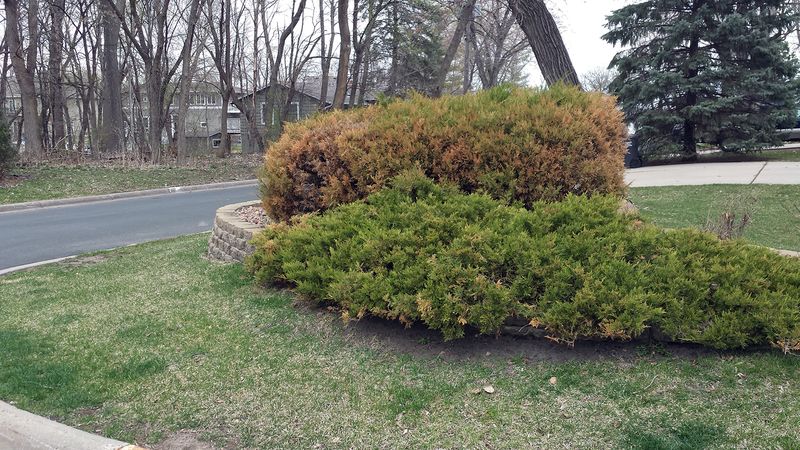
When spring shows brown patches, it is tempting to grab an amendment and hope for the best. A calmer first step is to find out what the soil is actually doing.
Utah State University Extension recommends testing soil for excess salinity before taking action. A soil test can show whether salt is high or whether the problem lies elsewhere.
Your local Extension office can explain how to collect a sample and read the results.
You may hear that flushing the soil with water can help. Leaching can sometimes move salts down and away, but only where drainage allows water to carry them off.
The Federal Highway Administration discusses this in the context of roadside soils, and where water pools or drains slowly, extra watering may not help.
Gypsum comes up often too. Penn State Extension gives a gypsum recommendation for its described conditions, but that advice does not apply to every yard.
Whether it makes sense for you depends on your soil and test results.
No fixed amount of water or any single product can promise that a plant will bounce back. Some damaged plants recover, and some do not.
Asking local Extension for advice is a smart move, because they know your soil type and climate.
Reduce the salt that reaches the garden
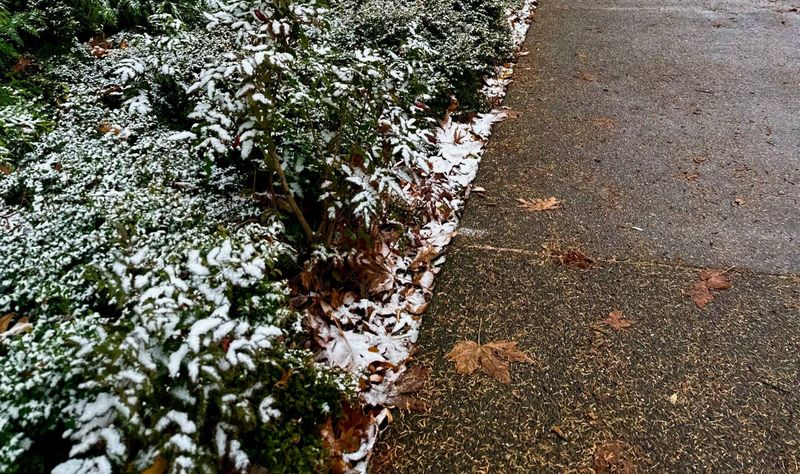
Protecting plants from deicer comes down to a few habits. Clear snow first, use salt sparingly, and send salted snow and runoff somewhere other than your beds, as University of Minnesota Extension advises.
When spring browning appears, investigate before blaming the salt. As the University of Minnesota turf diagnosis page shows, several problems can cause brown grass.
A little attention before the first flake falls is the kindest thing you can do for your lawn edge.