
Why North Carolina Gardeners Should Never Cut Back Their Native Shrubs Right After The Berries Ripen
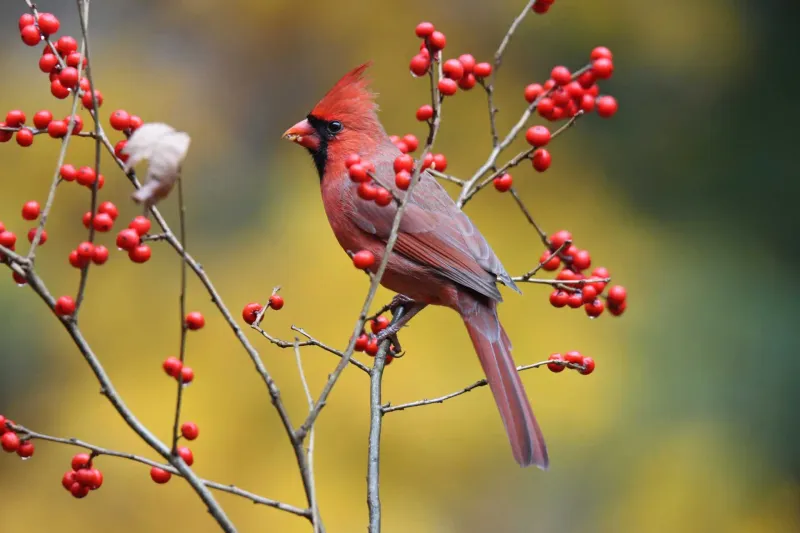
That tidy fall cleanup might be clearing away a bird buffet. Many native shrubs in North Carolina yards hold fruit that birds can eat as the weather cools.
A little patience with the pruners can keep that food in place. Here is how to decide what to leave, what to cut, and when.
Why a tidy fall cut can remove winter food
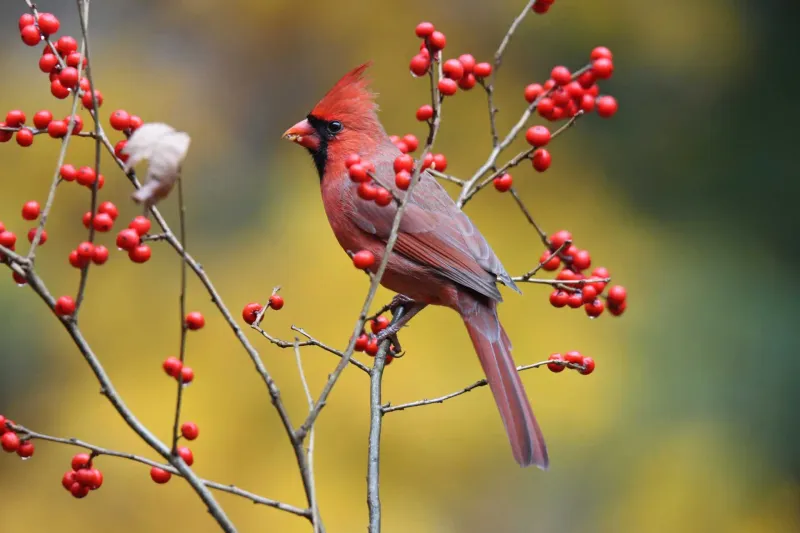
Picture a shrub loaded with ripe fruit in October. One quick trim to make the yard look neat, and that fruit ends up in the yard waste bin instead of in a bird’s beak.
An unnecessary cut right after berries ripen can take away food that might have stayed available for weeks.
NC State Extension advises leaving some fruit- and seed-producing plants in place through fall and winter. It also explains that winter-resident birds primarily eat fruits and seeds that persist on plants or on the ground.
That makes a fruiting shrub a handy pantry right outside your window.
Berries are not the whole story, though. Birds eat many things, and young birds lean heavily on insects and spiders in the warmer months.
Fruit is one valuable seasonal resource for many birds, not their only food and not a guarantee that any single bird gets through the winter.
Still, small choices add up in a backyard. If a shrub is healthy, not blocking a walkway, and not in need of a fix, you can often skip the cut for now.
The pruners will still be in the shed when the fruit is gone.
That is the heart of this approach. You are not banning pruning.
You are simply asking whether a cut is necessary right now, and whether it would remove food you would like to leave for wildlife.
Which native shrubs may offer fruit for wildlife?
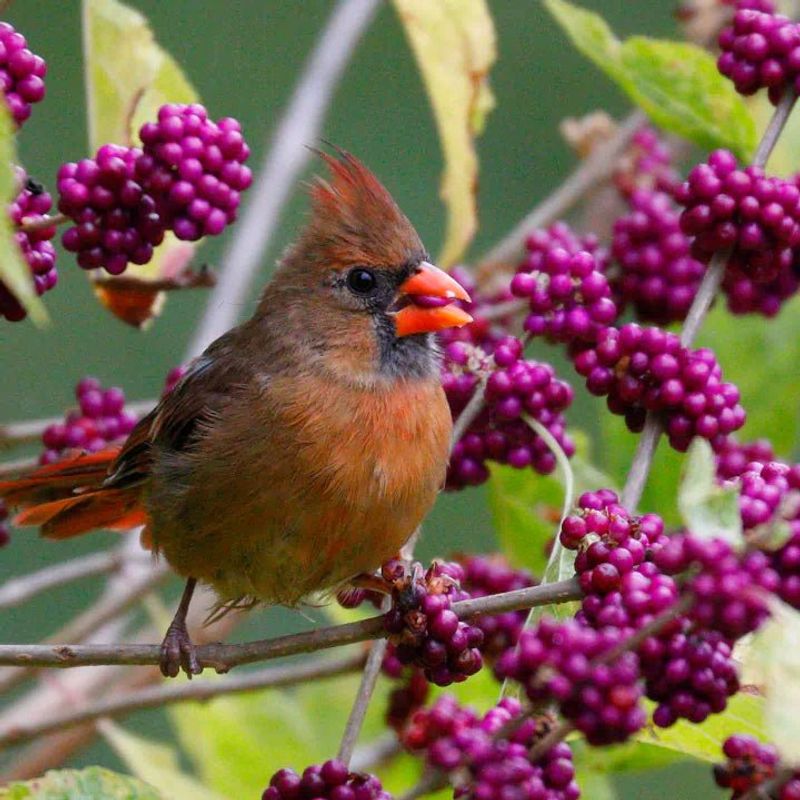
Three good candidates for leaving in place are American beautyberry, winterberry holly, and red chokeberry. Each one carries fruit that can feed wildlife.
Knowing them by sight helps you spot fruit worth saving before you reach for the loppers.
American beautyberry is easy to recognize by its tight clusters of bright purple berries along the stems. NC State’s Plant Toolbox entry for American beautyberry lists it in the Coastal Plain, Piedmont, and Mountains, and notes that its fruit may last into winter.
Red chokeberry is also listed across all three regions, and its fruit may last through winter as well.
Winterberry holly puts on a show of red berries that ripen from late summer into fall. According to the winterberry entry, the fruit persists into winter.
If you plant it for berries, you will want a compatible male plant near the females so they can set fruit.
Notice the wording here. Some fruit lasts, some may last, and none of it is promised to hang around all season.
Birds, weather, and the particular year all play a part, so check your own shrubs rather than assuming.
Wax myrtle is another shrub worth knowing. NC State Extension notes that yellow-rumped warblers eat its fruit in winter.
That is a nice reason to hold off on trimming one if it grows in your yard.
American beautyberry has a clear late-winter window
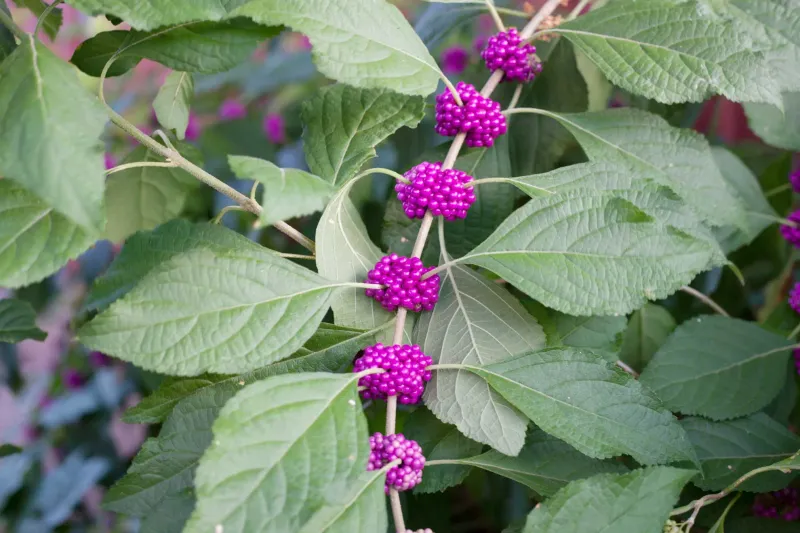
Beautyberry makes the timing question simple. Its purple fruit can hang on into early winter, and NC State’s Plant Toolbox recommends pruning it in late winter, before new growth.
The flowers and fruit form on new shoots, which is why that window works well for the plant.
Here is what that means in practice. If you cut in October, you remove fruit that could have stayed for birds.
If you wait until late winter, the fruit has had its time on the stem, and you are still pruning right on schedule.
So the wait costs the shrub nothing. You skip the fall cut, enjoy the purple clusters while they last, and plan your pruning for the weeks before buds begin to swell.
Gardeners in the mountains may see growth start later than those on the coast, so watch the plant itself rather than the calendar.
One caution applies. Late winter is the recommended window for beautyberry, and the guidance does not call for a hard cut.
Choose the amount you remove based on the size and shape you want, and keep in mind that this timing belongs to beautyberry, not to every shrub in the yard.
Other shrubs need their own pruning schedule
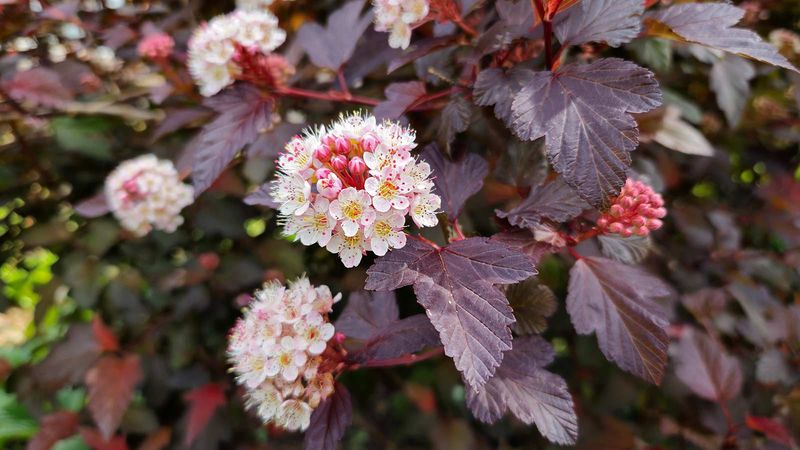
Before any shrub gets a haircut, figure out what it is. Species differ in when they flower, and that decides when pruning makes sense.
A quick plant ID saves you from cutting off next year’s blooms or fruit.
NC State’s general pruning guidance draws a helpful line. Spring-flowering shrubs that bloom on old growth are generally pruned after flowering.
Shrubs that bloom on new growth, beautyberry among them, are typically pruned in late winter or early spring.
Say you have a shrub that sets flower buds the previous year. A winter cut would remove those buds, and you would lose the spring show.
A shrub that blooms on fresh shoots, on the other hand, can handle a trim before growth starts.
Fall pruning is not automatically wrong, either. The same guidance allows it for some new-growth-flowering shrubs when fruit is not a key feature.
The trouble comes when a cut is unnecessary and takes away fruit you wanted to leave available.
A good habit is to look up your specific shrub in the NC State Plant Toolbox or the Extension pruning publications. Write the best timing on a plant tag or in a garden notebook.
Then you will have an answer ready when pruning urges strike on a pretty fall weekend.
Check for active nests before pruning
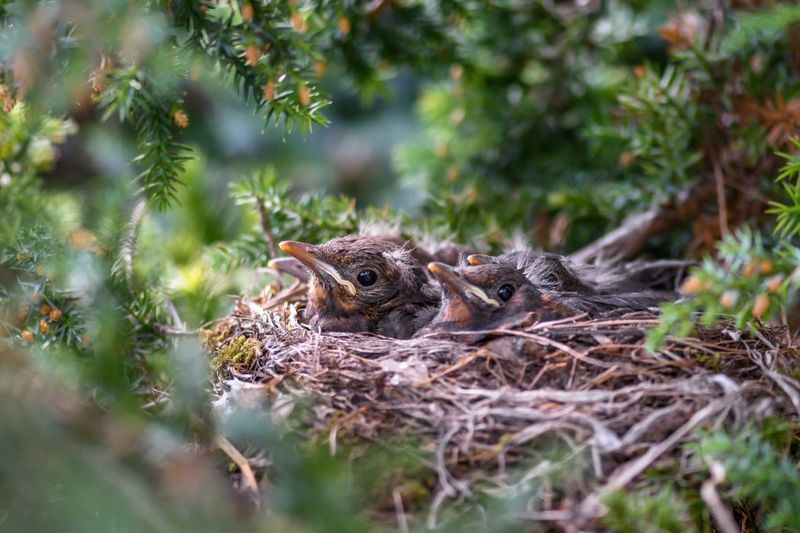
Berries are only one reason to pick pruning dates with care. Birds also build nests in shrubs, and a cut at the wrong moment can destroy one.
This is a separate question from fruit, and it deserves its own check.
NC State Extension recommends avoiding shrub and tree pruning during the nesting season, which it gives as early March through late July. That window overlaps with the time many gardeners feel the urge to prune as spring arrives.
Keep it in mind when you plan late winter jobs, too.
Before you cut, walk around the shrub and look closely. Part the outer branches gently and scan the dense interior, where nests often hide.
Listen for adult birds scolding or flying in and out with food.
If you find an active nest, postpone the work. The shrub will cope with a delay, and the family inside will not cope well with a sudden trim.
Come back once the nest is empty and recheck before you start.
Leave fruit when you can, then prune with purpose
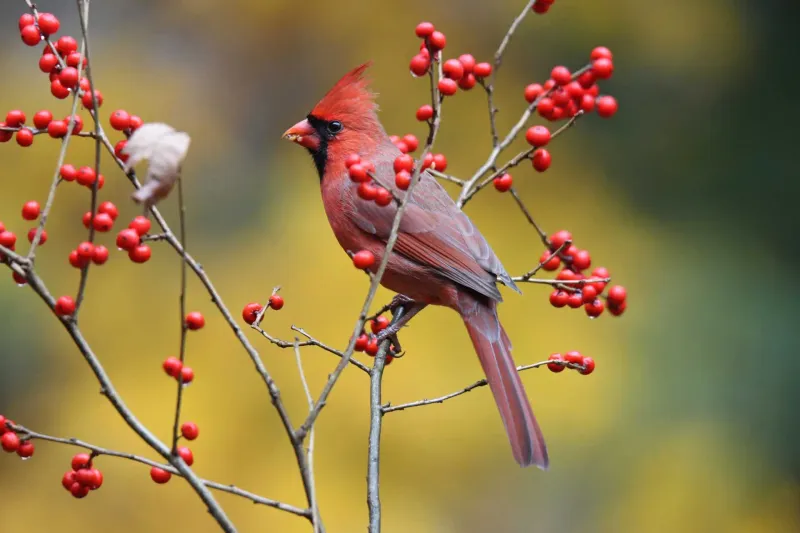
A simple rule can guide you. If a shrub is carrying fruit and a cut is not needed, leave it standing while the fruit lasts.
When the berries are gone, prune on the schedule for that species, as laid out in the NC State pruning guidance.
Before the first snip, look for nests, since early March through late July is the nesting season in NC State’s advice. Some shrubs can be pruned in fall when fruit is not a priority, so this is targeted stewardship, not a ban.
A yard that looks a little shaggy in November may be the one feeding its neighbors by January.