
Clearing Leaf Debris Around Slug-Prone Hostas Can Reduce Nearby Slug Shelter This Fall
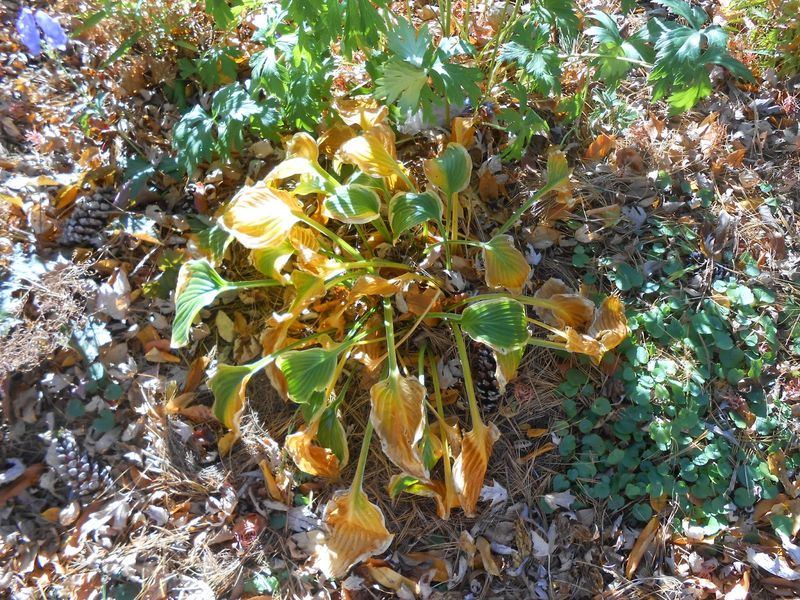
If slugs keep chewing holes in your hostas, the leaves piled around the plant may be part of the story. Slugs love cool, damp hiding places, and a soggy leaf heap is a cozy one.
A small fall cleanup right at the base of your hosta can take away some of that shelter. It will not fix everything, but it is an easy job that costs nothing.
Damp debris can shelter slugs
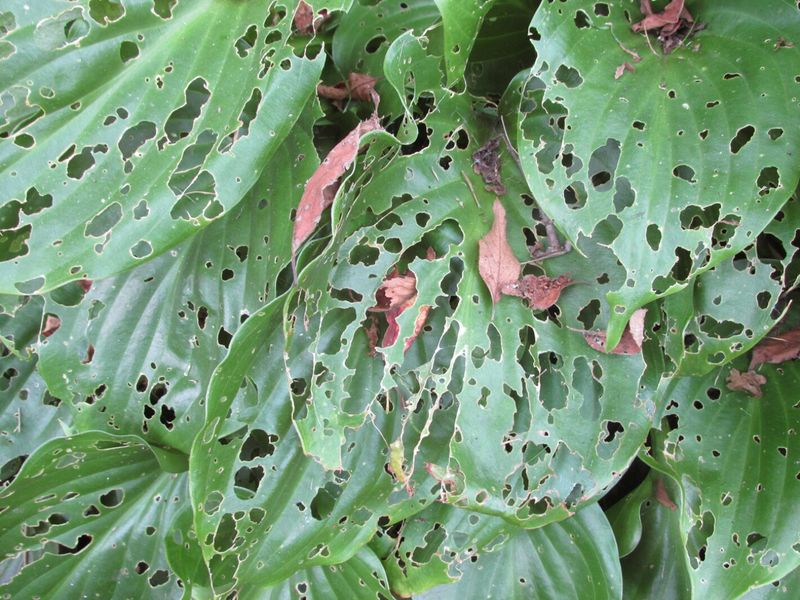
Slugs are creatures of cool, shaded, wet places. During the day they tuck themselves into spots that stay moist, then come out to feed when the air is damp and the light is low.
A pile of soggy leaves or a mat of dead plant stems beside your hosta fits that description well.
According to University of Minnesota Extension, slugs typically hide under plant debris, mulch, boards, and similar cover. Hostas, with their broad leaves that shade the ground, already create a cool, humid spot.
Add a layer of wet litter and the shelter gets even better.
That does not mean debris alone caused the holes in your hosta leaves. Slugs can also live in other damp corners of the garden, such as under stones, boards, or dense groundcovers.
Weather matters too, since wet seasons tend to bring more slug activity, as noted in Penn State Extension guidance.
So think of the leaf litter around your hosta as one possible hiding place, not the single culprit. If that hosta has a history of ragged, chewed leaves, the debris right beside it is a sensible place to start.
Removing it takes away one cozy option, which is a modest but real step.
Slug overwintering habits vary
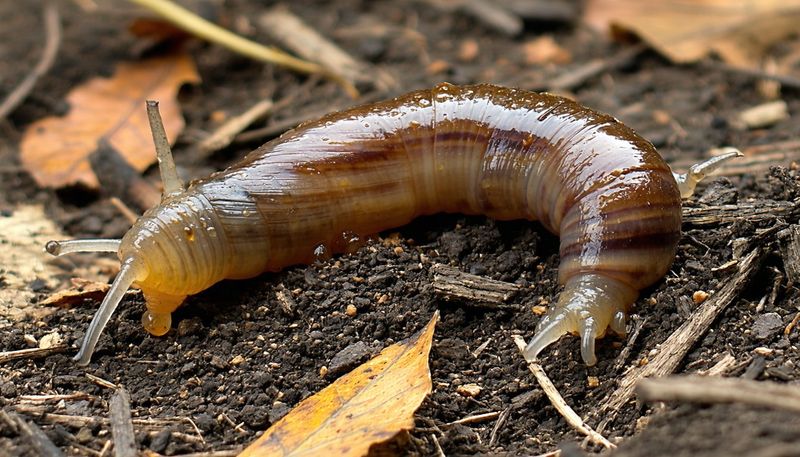
Ask two garden experts how slugs get through winter and you may hear two different answers. That is because slugs are not all alike, and the sources describe different habits.
Minnesota Extension says slugs typically overwinter as eggs tucked into protected spots, such as soil, plant debris, and mulch. By that account, the clutter near your plants could hold next year’s slugs before they hatch.
Iowa State Extension describes it differently. In its account, most species overwinter as adults, then lay eggs in moist places near the soil surface in spring or early summer.
Both can be true in different regions and for different species. What neither source says is that eggs gather at the crown of a hosta.
The sources point to a range of protected sites, not one particular spot on one plant.
Here is the practical meaning. Clearing debris near a hosta may remove some hiding or egg-laying places, but you cannot count on it to wipe out slugs, because adults may already be sheltering elsewhere.
Keep your expectations realistic and treat cleanup as one tool among several.
Clear debris from the hosta’s immediate area
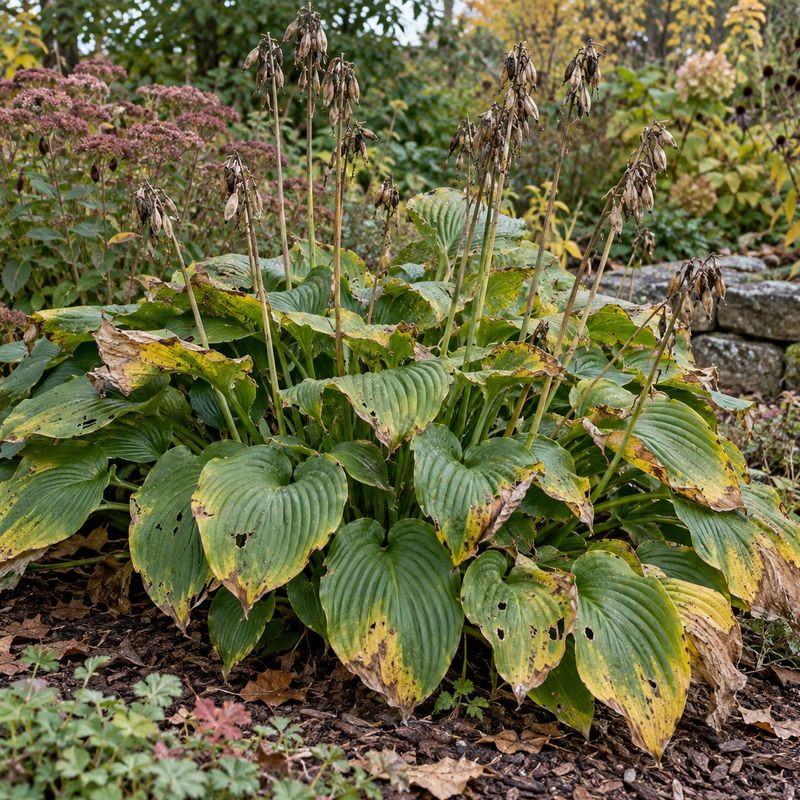
Here is the job. Pick the hosta that gets chewed most each year, and use a hand rake or gloved hands to remove the leaves and dead debris beneath and right around it.
Pull back any mulch so it is not heaped against the base of the plant.
Aim to leave a clear ring of bare or lightly covered soil around the clump. Once the hosta foliage has died back, you can also cut away the collapsed, mushy leaves, since they hold moisture and make good hiding spots.
Iowa State Extension recommends raking leaves from beds in fall where slugs are a problem. Meanwhile, Oregon State Extension advises against piling leaves or bark dust near slug-prone plants such as hostas.
Toss the debris in a compost pile, or move it well away from your hostas. Dumping it a foot from the plant defeats the purpose.
What can you expect? This is habitat reduction, meaning fewer cool, damp hiding places right next to a plant slugs already like.
It may help, but it cannot promise a slug-free spring or stop every nibble. Slugs can travel in from other parts of the yard.
Preserve useful leaf cover elsewhere
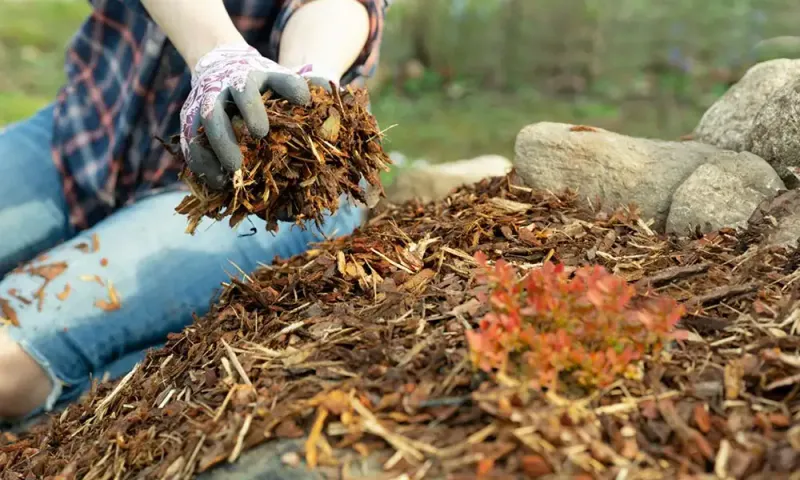
Before you strip every bed, remember that fallen leaves do real good. A loose layer insulates soil, and the dead stems and leaf litter in a perennial border give shelter to beneficial insects and other wildlife through winter.
Iowa State Extension notes that leaves and perennial plant material can protect roots and crowns, and it advises against clear-cutting perennial beds. That is a good reason to keep your slug cleanup narrow.
So work in a small zone. Clear the area under and just around the hosta that has suffered, then leave the rest of the bed mostly as it is.
Your coneflowers, asters, and other perennials will appreciate their winter blanket.
If you have a lot of leaves, you have options. Shred some with a mower and spread them thinly, add them to a compost pile, or tuck a modest layer around plants that are not slug magnets.
Just keep thick piles away from the base of any plant that slugs love.
The balance is simple. Remove the soggy heap where it counts, and let the rest of the garden keep its natural protection.
You get less shelter for slugs near your hosta without losing the benefits that leaves bring elsewhere.
Check for signs of active slug damage
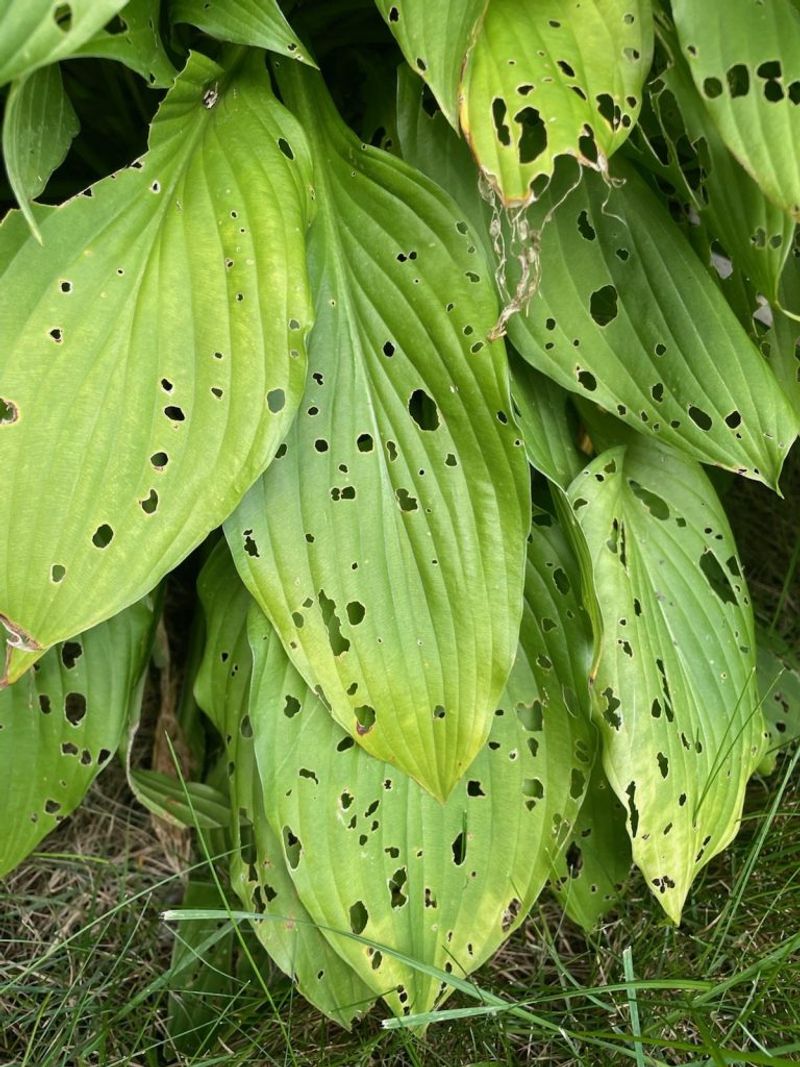
Grab a flashlight after dusk on a damp evening. Slugs feed at night and in low light, so that is when you are most likely to catch them at work on your hosta.
During the day, look for the clues they leave behind. Silvery, dried slime trails on leaves, soil, or stones are a giveaway, along with ragged holes chewed in the leaf blades.
Lift boards, flowerpots, and stones near the plant and see who is hiding underneath.
Finding a few slugs does not mean you need an all-out attack. Minnesota Extension says low-to-moderate feeding usually does not affect plant health, so some holes are mostly a cosmetic problem.
Severe feeding, on the other hand, can injure plants.
A good rule is to judge by the plant. If your hosta leafs out strong and looks healthy apart from a few lacy leaves, you may only need to keep tidying and watching.
If new shoots are being shredded or the plant looks weaker each year, step up your efforts.
Jot down what you see, including dates and where the slugs hide. Those notes will help you decide next spring whether the cleanup made a difference or whether you need another step.
Use additional controls only if slugs persist
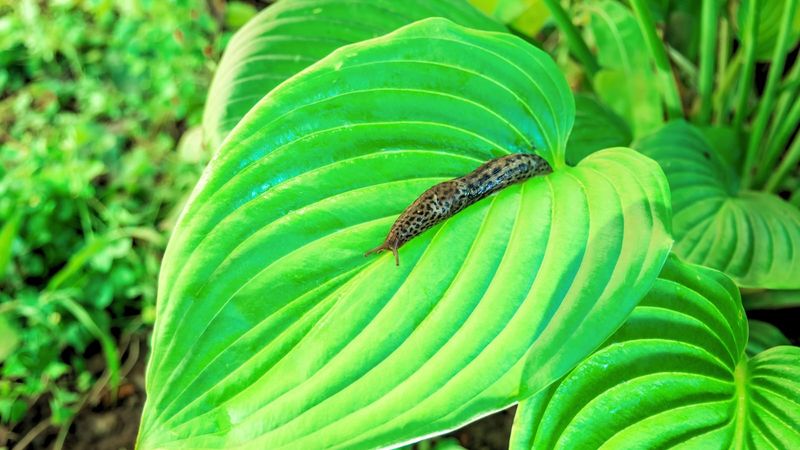
If slugs are still chewing after you have cleaned up, try simple, hands-on methods first. Hand-picking works best in the evening with a flashlight, dropping slugs into a container of soapy water.
Shelter traps are another option described by Minnesota Extension. Lay a board or overturned pot on the soil near your hosta, and slugs will gather under it during the day.
Check it each morning and remove what you find.
Minnesota Extension also recommends combining steps to reduce both slug numbers and slug habitat. Cleanup, trapping, and hand-picking work better as a team than any one does alone.
Skip folk fixes such as salt, coffee grounds, or eggshells, which are not reliable controls.
If you decide to use bait, read and follow the product label. Be careful with pets, because the National Pesticide Information Center warns that metaldehyde is highly toxic to dogs.
Iron phosphate products are less toxic to dogs, but they can still pose a risk, so no bait should be called completely pet-safe.
Targeted cleanup can reduce favorable shelter near your hosta, but it cannot guarantee a slug-free spring. Think of it as taking away a few welcome mats.