
Is October Really the Best Time to Plant Shallots in North Carolina? What to Know Before You Plant
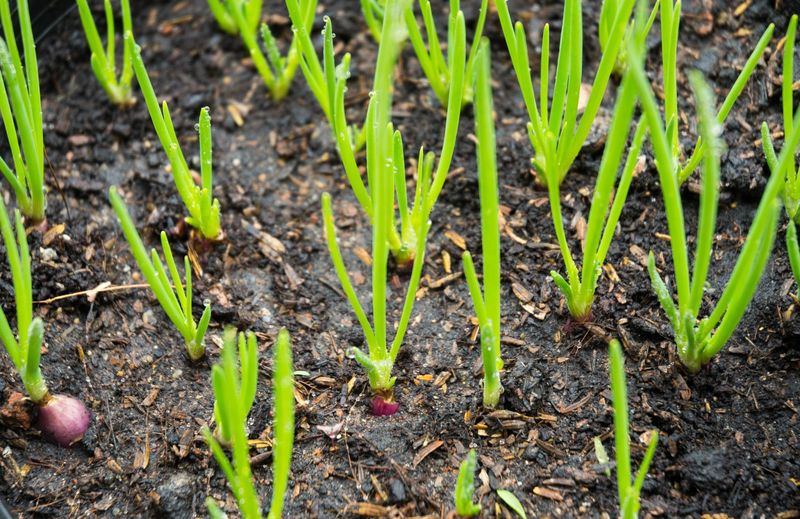
Plenty of gardeners hear that a quick October planting job will bring fat shallots by next summer. The truth is more mixed, and it depends on where your yard sits and how you plant.
Fall planting may help in some gardens, but timing alone will not decide bulb size. Here is what to weigh before you push a single bulb into the soil.
Does October fit your part of North Carolina?
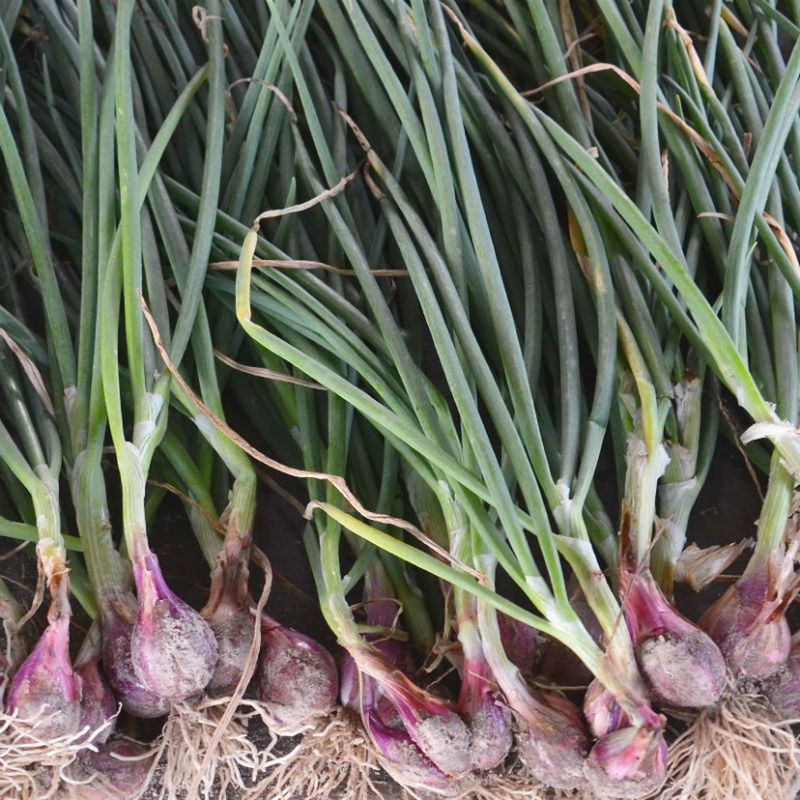
No source I reviewed shows a narrow October planting window for shallots that works across North Carolina. Nobody has published a shallot trial in the state that confirms one exact date range as the best.
So a claim like “plant in the next two weeks” is a guess, not a tested rule.
What we do have is general vegetable guidance. NC State’s vegetable gardening handbook says planting dates can run 10 to 20 days earlier in western North Carolina and 7 to 14 days later in the Coastal Plain.
That advice covers vegetables in general. It is not the result of shallot experiments, so treat it as a clue about how much the calendar shifts, not as a shallot schedule.
Think about what that means in your yard. A gardener in the mountains faces colder snaps earlier than someone near Wilmington, and a Piedmont clay yard behaves differently from sandy coastal soil.
One date cannot fit all three.
A smart next step is to look over the planting calendars linked on NC State’s garden calendars page. Then call or visit your county Cooperative Extension office and ask what local gardeners have seen with fall-planted shallots.
Their answer, based on your area’s weather and soil, will beat any statewide date.
Fall planting may bring an earlier harvest, not larger bulbs
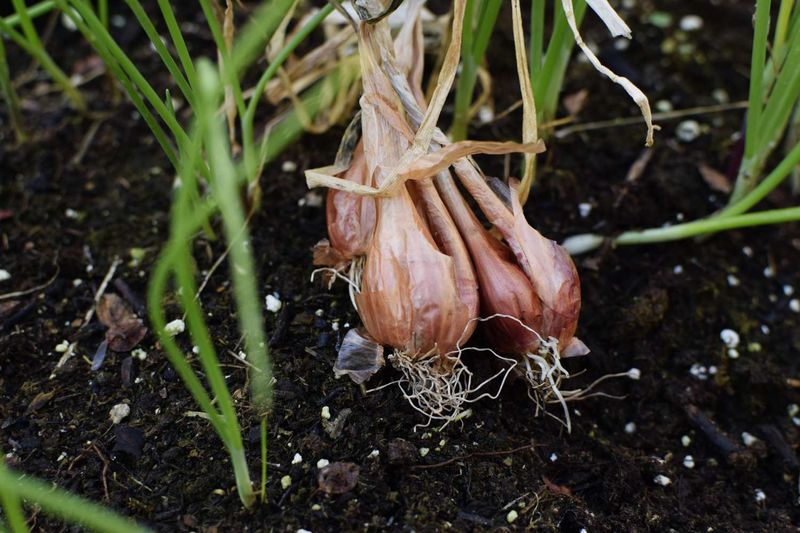
Planting in autumn can move the harvest earlier. Oregon State Extension says fall planting can bring shallots in sooner than spring planting.
That is a real perk if you want bulbs out of the ground before summer heat sets in.
Earlier does not mean bigger, though. The same source warns that a long, mild winter can make growth start and stop.
That can produce extra growing points, which often means more but smaller bulbs than a spring planting would give.
So there are three separate outcomes to keep apart: an earlier harvest, a larger single bulb, and a bigger total crop. Fall planting may help with the first one.
It does not reliably deliver the other two.
Density matters too. Oregon State’s overwintered shallot trial found a tradeoff between bulb size and yield per area.
Both of these findings come from Oregon, not North Carolina, so they cannot prove that October gives our gardeners any edge.
If you plant this fall, count it as an experiment. Keep notes on the date, the weather, and what you harvest, and you will learn more about your own yard than any headline can tell you.
Choose sound planting bulbs and know what you are buying
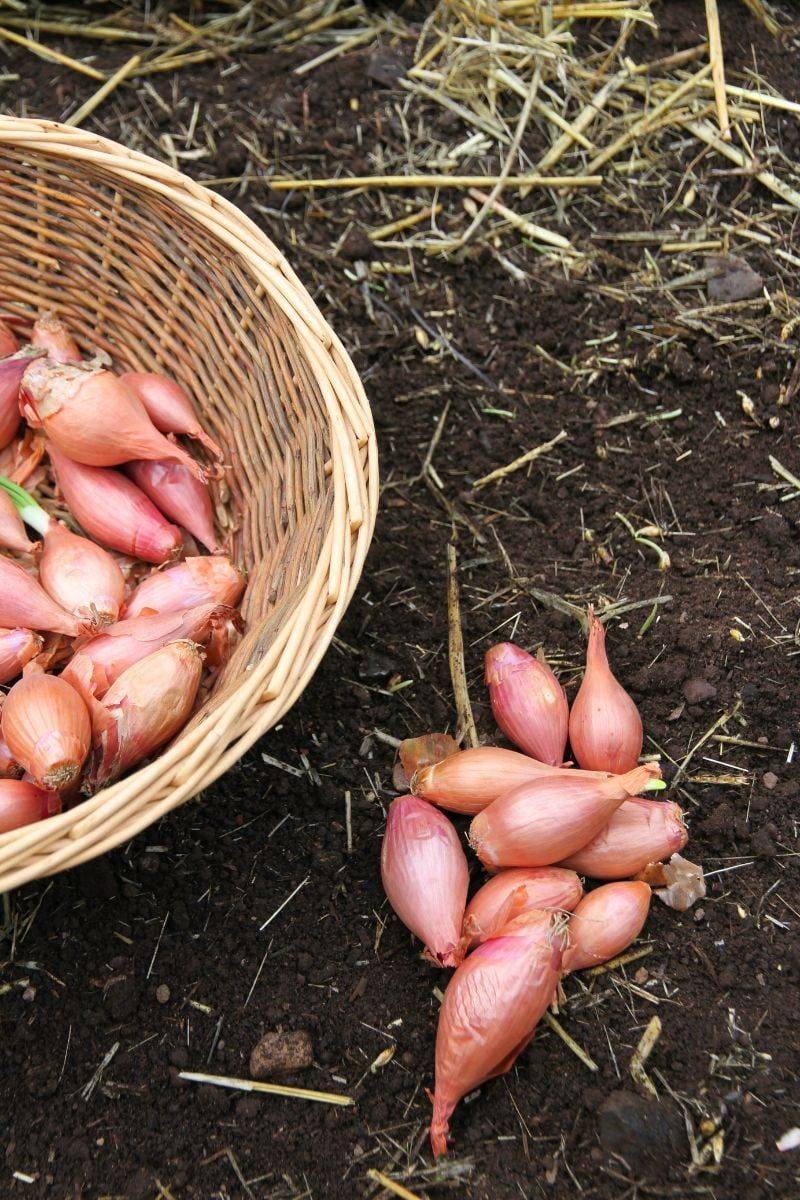
Shallots can be grown from bulb sets or from seed, and the two are not interchangeable. Everything about separating bulbs and planting them pointed end up applies to sets.
If you buy seed, follow the packet directions instead.
With sets, pick firm, undamaged bulbs with dry skins. Skip any that feel soft, look moldy, or have deep cuts.
Utah State Extension notes that sets can be planted in autumn for a late-spring harvest, though very cold winters can cut yield.
Where you buy matters. A grocery-store shallot might be tempting, but an Extension expert on Ask Extension points out that commercially grown bulbs are often treated with a sprout inhibitor.
That does not mean every one will fail, only that it is a gamble. Planting stock sold for propagation is the safer buy.
You may hear that smaller sets always make bigger shallots. That is not a promise.
A smaller bulb may carry fewer growing points, but results vary, so pick healthy sets first and worry about size second.
Spacing trades individual size against yield per area
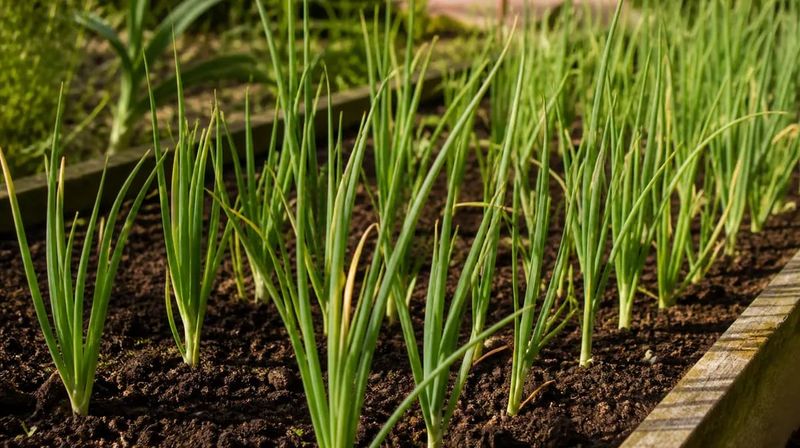
“Fatter” can mean a bigger single bulb, a larger cluster, or more total harvest. Spacing pushes those outcomes in different directions.
You get to decide which one you care about most.
Utah State Extension reports that closer spacing tends to give smaller, single bulbs, while wider spacing favors clusters. In Oregon State’s trial, denser planting produced more yield per area, but the average bulb was smaller.
The trial also found that the overall average bulb-weight difference between small and large planting stock was not statistically significant.
For a starting point, Virginia Tech suggests 4 to 6 inches between sets and 12 to 18 inches between rows. Treat that as reference guidance from a neighboring state, not a rule tested in North Carolina soil.
Here is a simple way to choose. If you have a small bed and want the most shallots possible, plant toward the closer end.
If you want larger individual bulbs or clusters, give them more room.
Neither choice guarantees fat shallots. Spacing shifts the odds, and your weather and soil still have a say.
Give sets sun, drainage, and measured care
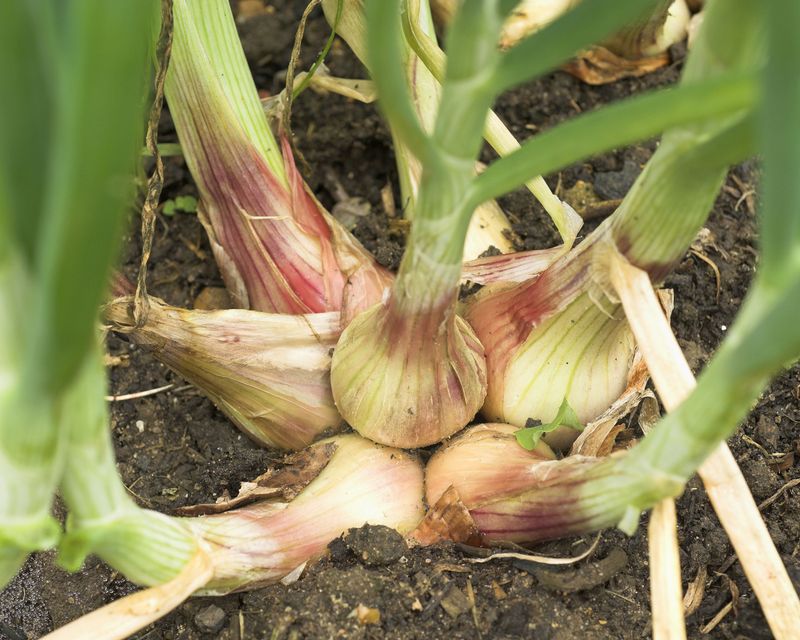
Start with the site. Shallots like a sunny spot with soil that drains well.
If water pools in a corner of your yard after rain, plant somewhere else or build a raised bed.
Set each bulb in individually with the pointed end up, using the spacing you picked. Virginia Tech’s guidance covers planting depth and row layout if you want details.
Press the soil gently around each bulb so it stays put.
Water carefully. UC Master Gardeners of Santa Clara County warn that wet soil can contribute to rot, and Utah State Extension says overwatering contributes to bulb rot.
In fall and winter, rain often does the work for you, so check the soil before you add water.
Skip the urge to add extra fertilizer in hopes of bigger bulbs. A soil test tells you what your bed actually needs, and your county Extension office can explain how to collect a sample and read the results.
Good drainage and sensible watering protect the bulbs you planted, but they cannot promise a particular size.
Harvest when the tops signal maturity, then cure the bulbs
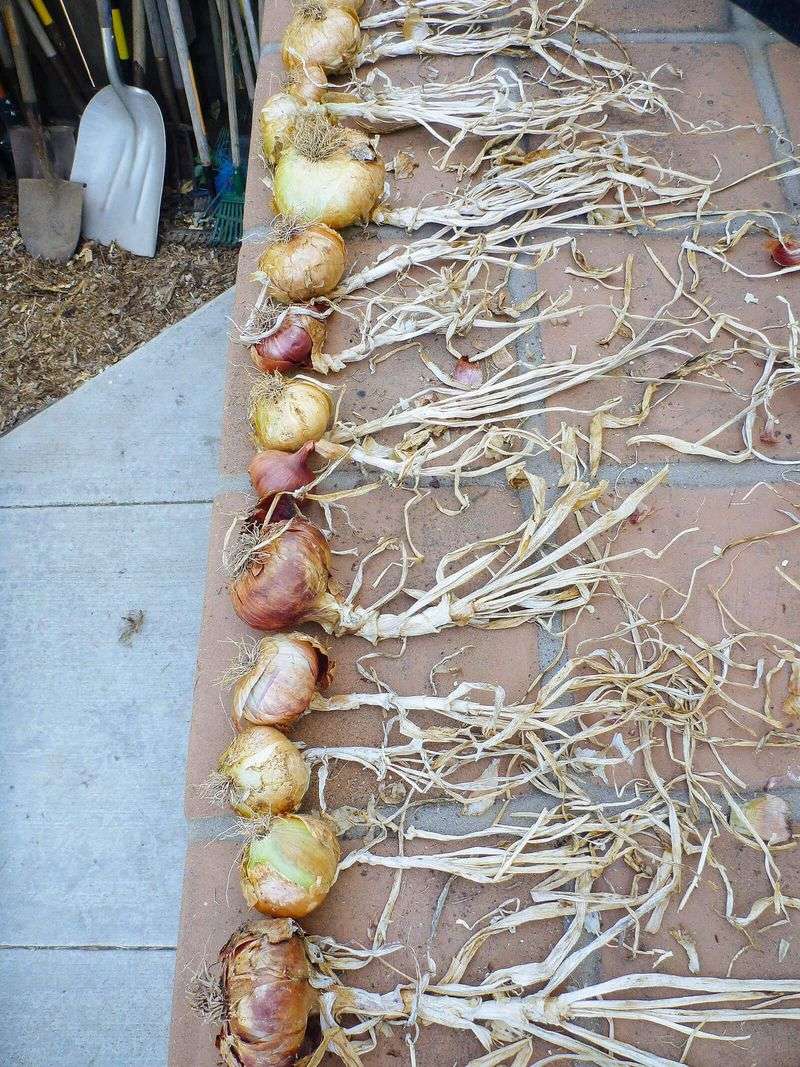
Let the plants tell you when they are ready. When the tops yellow or fall over, the bulbs are close to done.
Utah State Extension describes these signs as the cue to harvest dry bulbs.
No calendar date fits every yard. Variety, winter weather, and spring conditions all shift the timing, so a fall planting is not guaranteed to be ready by any set point next summer.
Check your plants every few days as the season warms instead of circling a date.
Once you lift the bulbs, curing comes next. Virginia Tech advises curing before storage.
Spread them in a single layer somewhere dry, shaded, and breezy, such as a covered porch or garage with good airflow.
Wait until the outer skins feel papery and the necks are dry. Then trim the tops and roots and store the bulbs in a cool, dry place.
Save a few of your best, firm bulbs if you want planting stock for the next season.
Let local conditions—not a timing trick—guide the decision
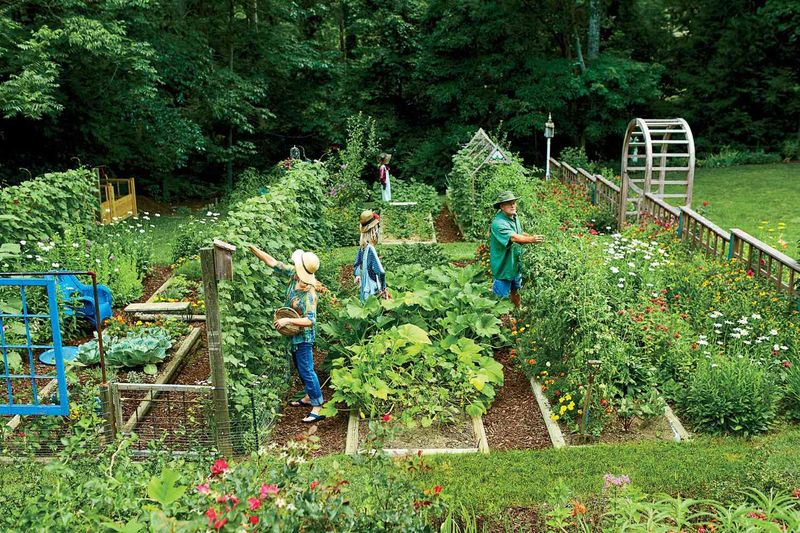
Your best plan rests on a few plain steps. Check NC State’s garden calendars and your county Extension office for timing, and remember that regional date adjustments are general, not shallot-specific.
Buy sound sets, pick spacing for the result you want, and keep the bed from getting soggy.
None of that can promise fatter shallots from a particular October window. What it can do is give your bulbs a fair start.
The best timing secret is simply knowing your own yard.