
Before You Toss Everything Into Your Compost This Fall, Keep These 13 Things Out Of The Pile
Fall hands you a mountain of leaves, spent tomato vines, and kitchen scraps, and the compost pile looks like the perfect place for all of it. But a few wrong items can bring rats, bad smells, plant diseases, and even chemicals back into the beds you work so hard on.
Next spring, that compost goes right around your tomatoes, hydrangeas, and geraniums, so what you add now really matters. Here are 13 things to keep out of the pile so your compost helps your garden instead of hurting it.
1. Meat and Bones
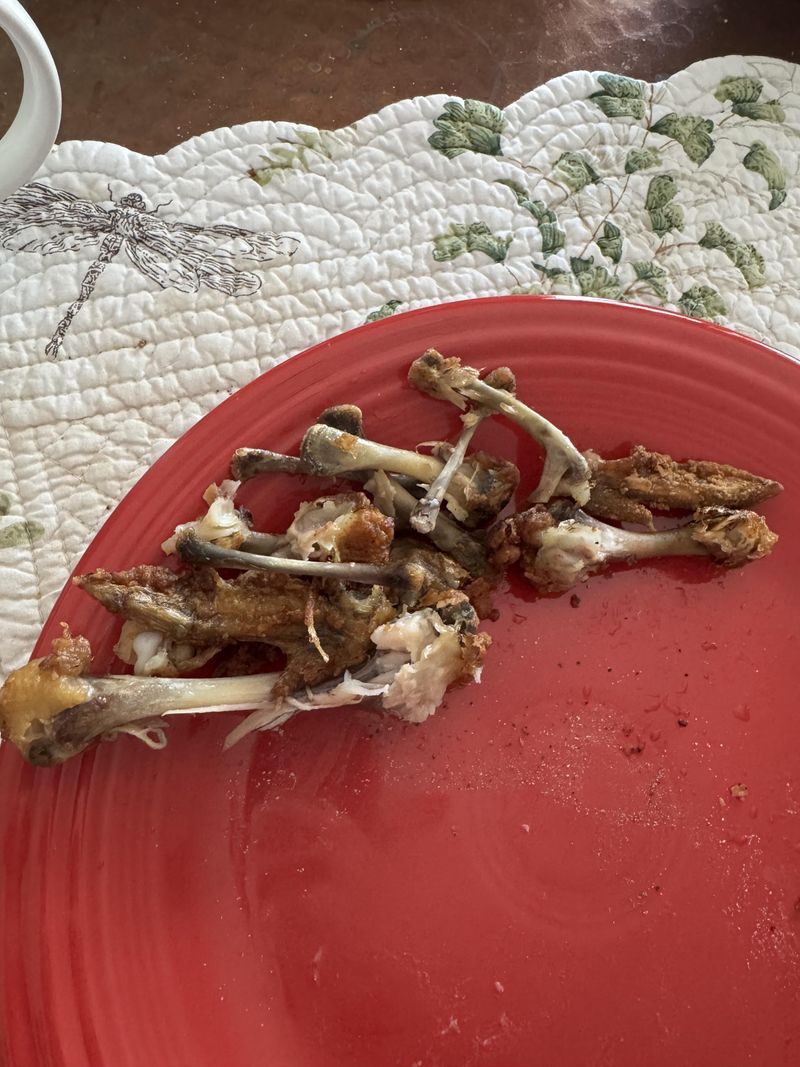
Picture a raccoon prying the lid off your bin at 2 a.m. That midnight raid usually starts with one leftover chicken bone.
Meat scraps and bones break down very slowly in a home pile. While they sit there, they rot and give off a smell that pulls in rodents, raccoons, stray dogs, and flies from all over the neighborhood.
Once critters learn your compost is a buffet, they dig, scatter, and keep coming back. Toss meat in the trash or check if your town offers a curbside food waste program that handles it safely at high heat.
2. Dairy Products
Sour milk smells bad in the fridge. Now imagine it warming up under a pile of leaves for a few weeks.
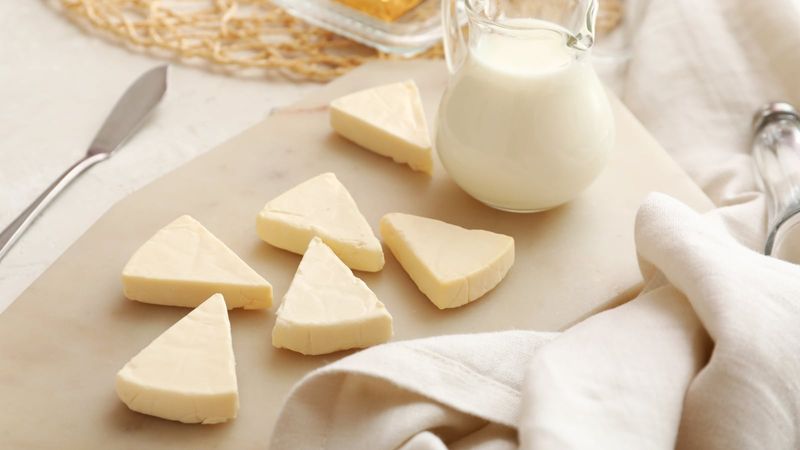
Milk, cheese, yogurt, butter, and sour cream tend to ferment instead of breaking down cleanly. The result is a sharp, sour odor that can hang over your whole yard and attract pests just like meat does.
Dairy can also make parts of the pile slimy and airless, which slows everything down. Pour the last splash of milk down the drain and keep cheese rinds in the trash.
3. Fats, Oils, and Grease
Bacon grease seems harmless enough. After all, it came from food, right?
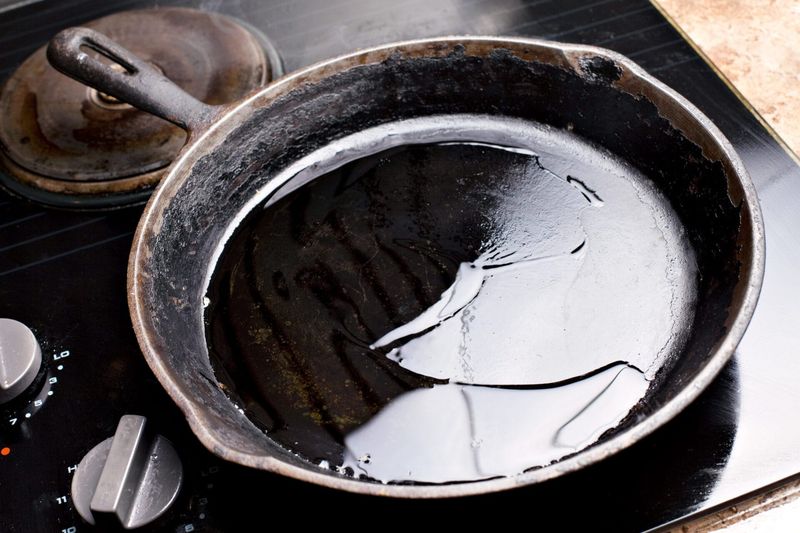
The trouble is how oil behaves. It coats leaves, peels, and other materials in a greasy film that blocks air and water, and the helpful microbes doing the composting work need both to stay busy.
Greasy patches also smell rancid and invite animals to dig. Let cooking fat cool and harden in a can, then throw it out.
A little oil left on a salad leaf is fine, but skip pouring pans of grease onto the heap.
4. Diseased or Pest-Infested Plants
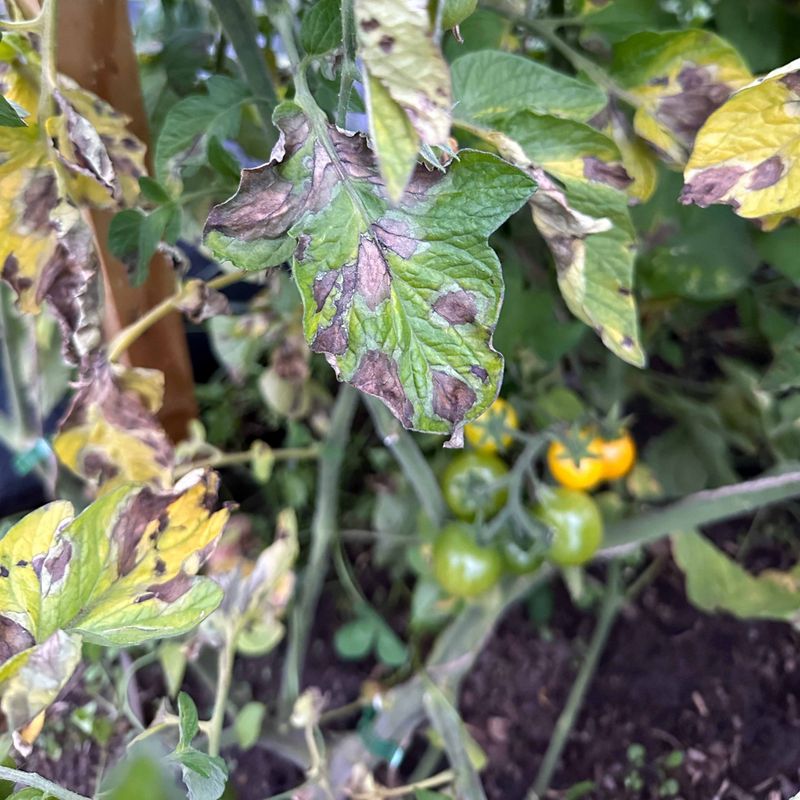
Your tomato plants fought early blight all summer, and now those spotted, yellowing vines are ready to come out. Tempting as it is, they should not go in the compost.
Most backyard piles never get hot enough, long enough, to kill fungi like blight or wilt diseases. Pests such as squash vine borers and some insect eggs can also ride along through the winter.
Spread that compost next spring, and you may hand the same problem right back to your new tomatoes. Bag sick plants for the trash or check if your town burns or hot-composts yard waste.
Healthy leaves and stems can still go in the pile.
5. Weeds With Mature Seeds
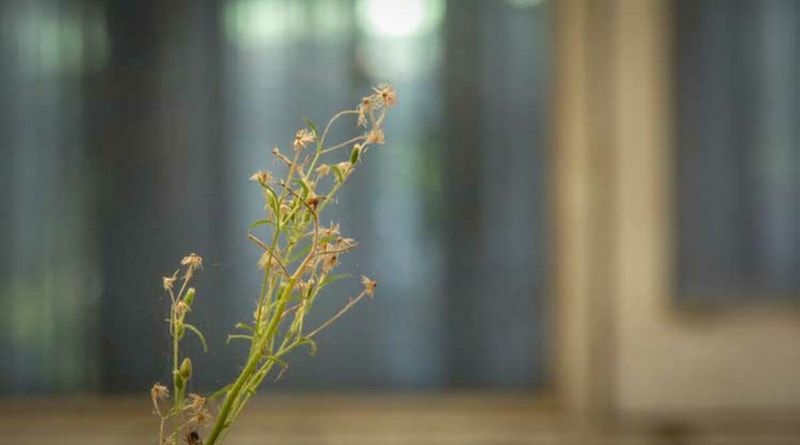
One crabgrass or pigweed plant can drop thousands of seeds. Every one of them is waiting for a ride into your flower beds.
Many weed seeds handle the warm, moist conditions of a home pile just fine. When you spread that finished compost around your petunias or clematis, you end up planting a fresh crop of weeds without meaning to.
Young weeds pulled before they flower are safe to add. Once you see seed heads, fluffy tops, or dry pods, bag them up instead.
Fall is prime seed season, so look closely before tossing.
6. Invasive Plants
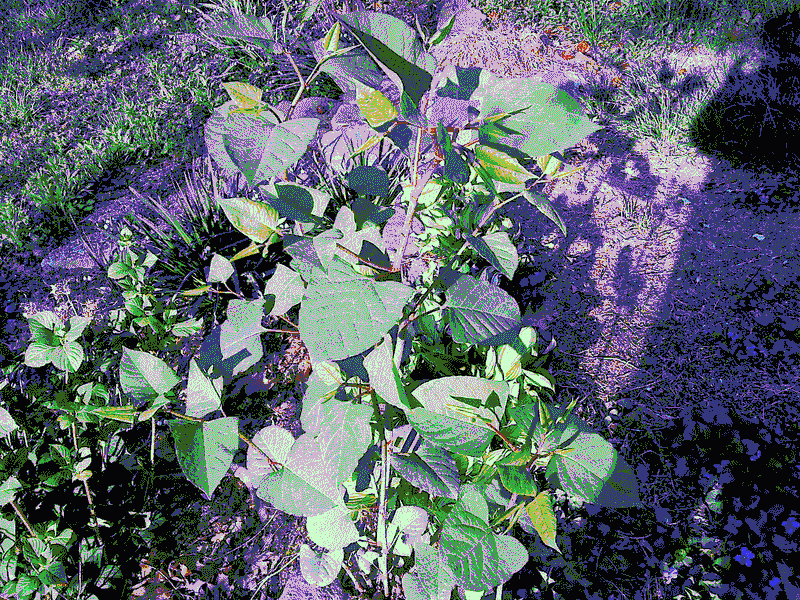
Some plants just refuse to die. Japanese knotweed can regrow from a piece of root about the size of a fingernail.
Bermuda grass, bindweed, English ivy, and other aggressive spreaders keep living in roots, runners, and rhizomes. A compost pile can feel more like a cozy nursery to them than a final stop.
Spread that compost, and they may pop up across your garden and crowd out the plants you actually want. Dry them out completely on a tarp in the sun, or bag them for disposal following your local guidelines.
7. Chemically Treated Yard Trimmings
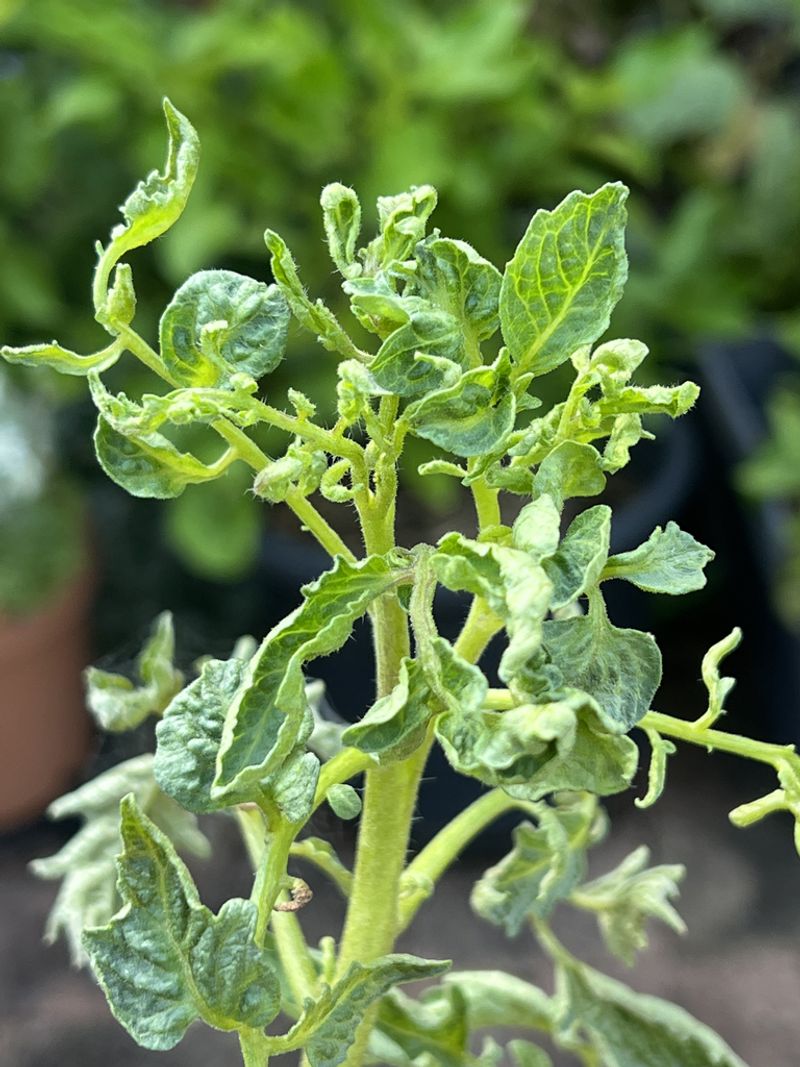
Here is a sneaky one that has ruined many vegetable gardens. Grass clippings from a lawn treated with weed killer look exactly like any other clippings.
Some herbicides break down very slowly and can survive composting. Tomatoes, peppers, beans, and potatoes are especially sensitive, and the damage often shows up as twisted, curled, or cupped leaves.
Pesticides may also harm the worms and microbes that make compost work. If you or a neighbor sprayed the lawn or leaves, keep those trimmings out.
When in doubt, ask before accepting free clippings or bagged leaves.
8. Treated or Painted Wood
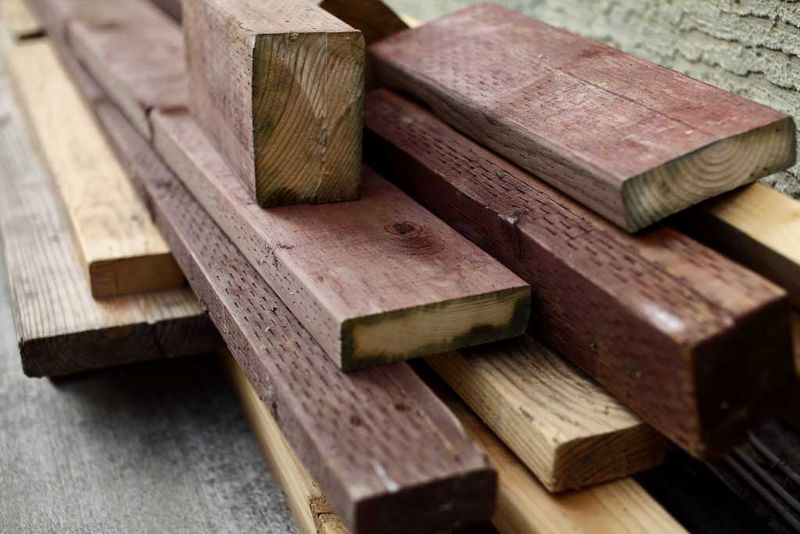
Building a raised bed this fall? Those leftover scraps belong nowhere near the heap.
Pressure-treated lumber, painted boards, plywood, MDF, and laminated wood can contain chemicals like copper, chromium, arsenic, or boron. Over time, those can leach into your compost and then into the soil where you grow food and flowers.
Plain, untreated wood chips and sawdust are fine in small amounts and add useful carbon. For anything glued, stained, painted, or tinted green, use your local trash or wood recycling service.
9. Pet Waste and Kitty Litter
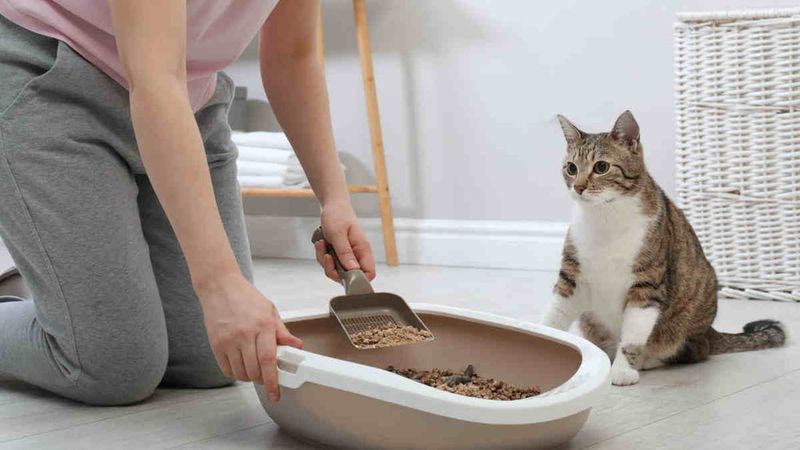
Dog and cat waste might seem like natural fertilizer, similar to cow manure. It is not the same at all.
Pet waste can carry harmful bacteria such as E. coli and Salmonella, plus parasites like roundworms. Backyard piles typically do not stay hot enough to kill them, which puts anyone handling the soil at risk, especially kids.
Used kitty litter adds another issue, since many types are made of clay that does not break down. Bag pet waste and send it out with the trash.
10. Coal or Charcoal Ash
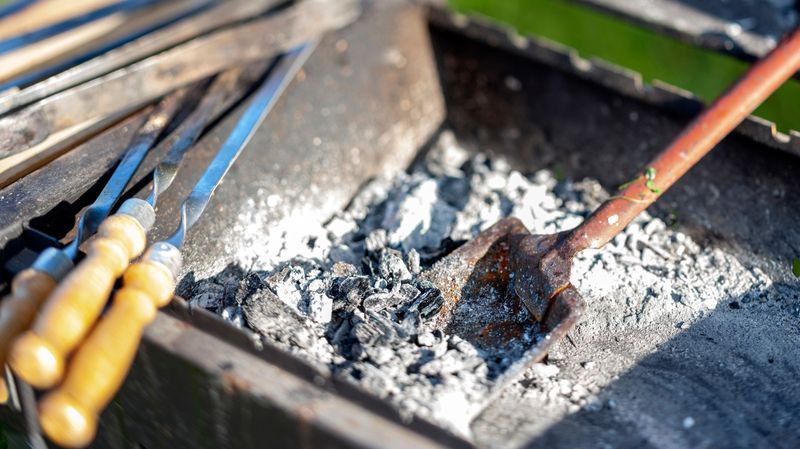
End-of-season cookouts leave a grill full of gray ash. Do not dump it on the compost.
Coal and many charcoal briquettes contain sulfur, fillers, and lighter fluid residue. Some may also hold heavy metals that can harm plants and the tiny living things in your pile.
Small amounts of clean wood ash from untreated firewood are a different story and can be used sparingly. Briquette ash, though, should cool completely and go in a metal can for the trash.
11. Toxic Plants
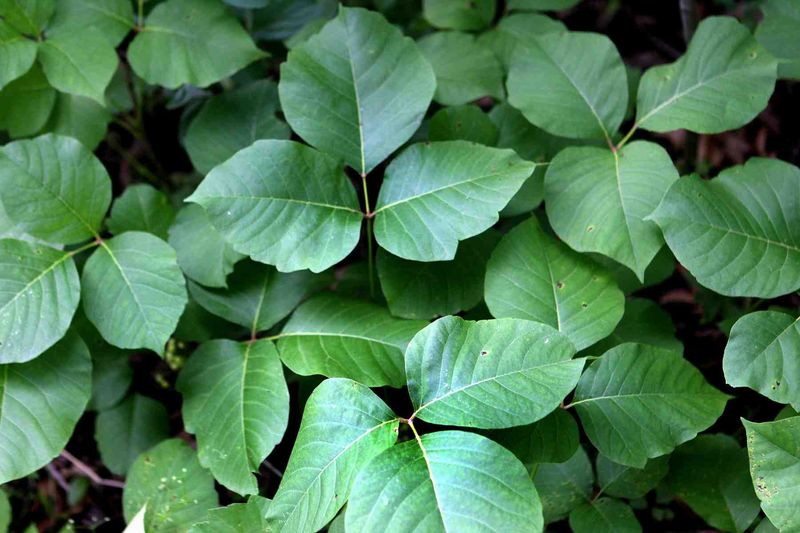
Black walnut trees are gorgeous in October. Their leaves, hulls, and roots, though, contain juglone, a natural compound that can stunt or kill tomatoes and other garden plants.
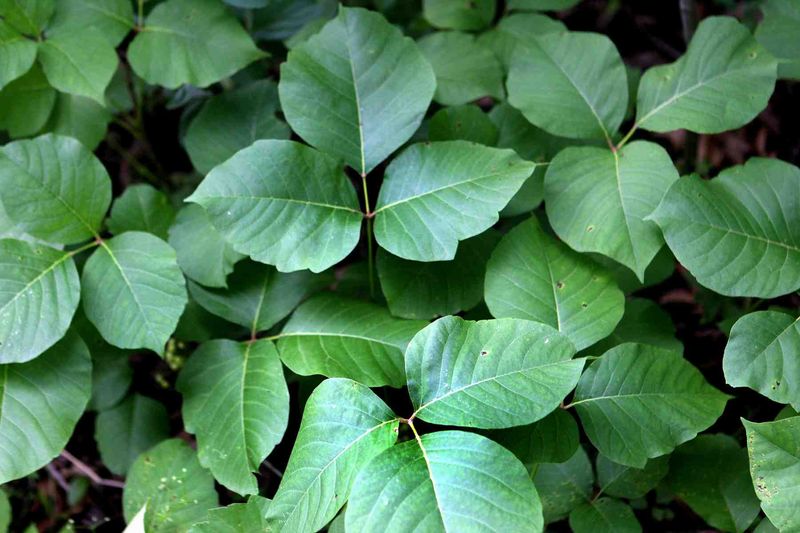
Poison ivy and poison oak bring trouble too. The oil that causes those itchy rashes, urushiol, can last a long time, and you could end up touching it again when you spread finished compost.
Eucalyptus leaves also carry oils that can slow the growth of nearby plants. Keep these out of the pile, and wear gloves when you bag them up.
12. Large Amounts of Citrus, Onions, and Garlic
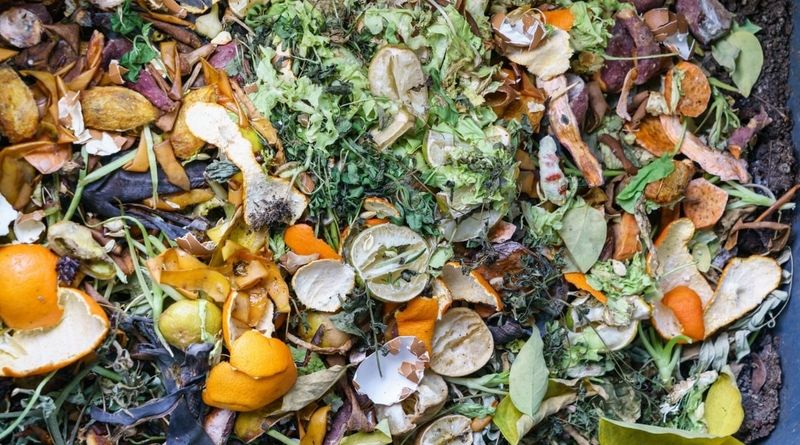
A few orange peels are no big deal. A whole holiday season of juicing, though, is a different story.
Big loads of acidic citrus, along with strong onions and garlic, can slow down decomposition. In large amounts they may also bother the worms and helpful microbes, especially in a worm bin.
Keep these as a small sprinkle rather than a big share of the pile. Chopping peels and mixing them with dry leaves helps everything break down evenly.
13. Bread and Cooked Grains or Pasta
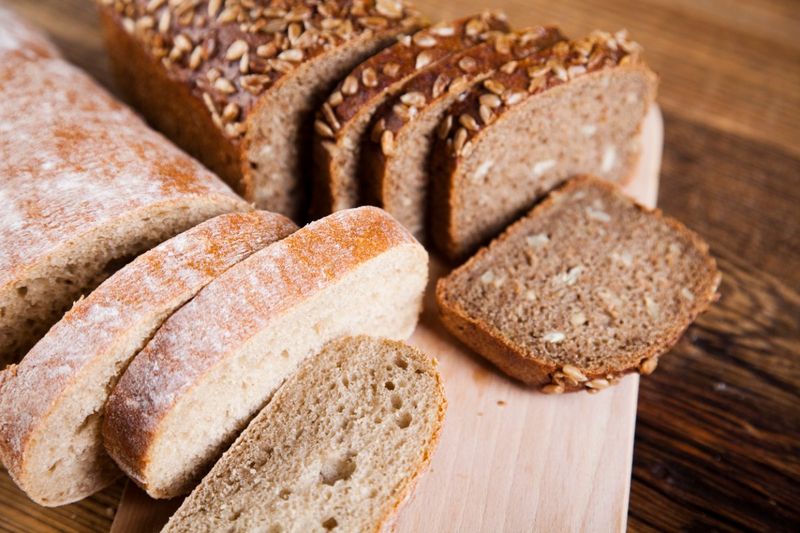
Stale bread and leftover spaghetti feel too useful to throw away. Mice and rats agree completely.
Bread, rice, pasta, and other cooked grains attract pests fast. They can also turn moldy and clump together in slimy patches that block airflow.
If you do add a little, bury it deep in the center of a hot, active pile and cover it with leaves. For larger amounts, the trash or a city food waste program is the safer bet.
Your future garden beds will thank you.