
A Brush Pile Can Add Useful Shelter and Cover to Your North Carolina Yard in Winter
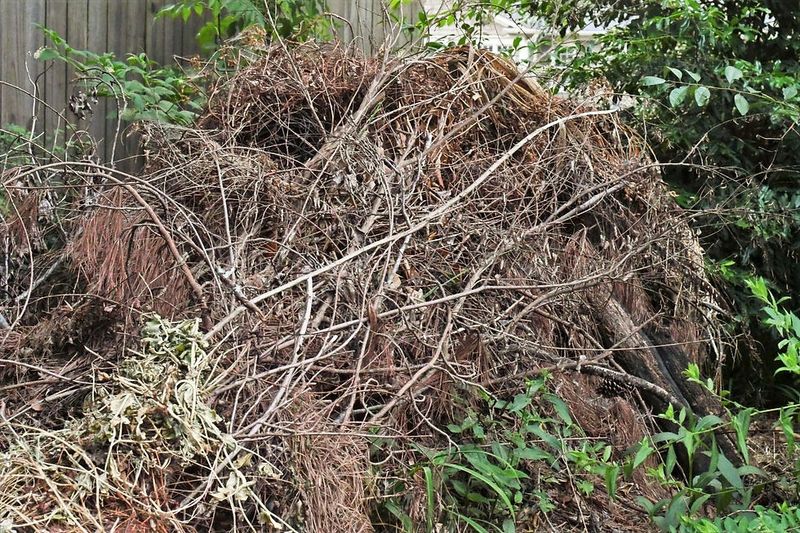
Those fall prunings stacked by the curb could be doing more good in your yard. A brush pile gives small animals a place to hide from hawks, cold wind, and neighborhood cats.
With a little planning, you can build one that fits a residential lot and keeps your family safe. Here is how to do it the North Carolina way.
A brush pile can add cover a mown lawn lacks
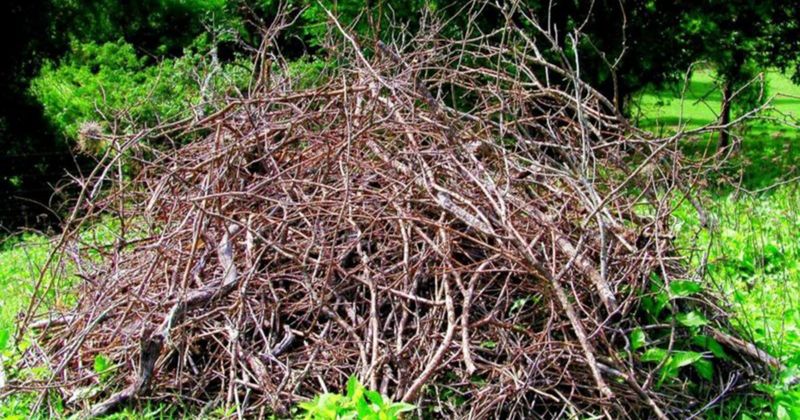
Walk across a closely mown lawn in January and notice how little there is to hide behind. A small bird or rabbit caught in the open has few places to duck out of sight.
A pile of woody branches changes that by adding a tangle of gaps, tunnels, and shaded corners close to the ground.
North Carolina State Extension says brush piles in yard corners make excellent cover for birds and small mammals. That is the supported benefit here: shelter and escape cover, the kind of structure a tidy, short-cropped lawn does not offer.
Cover like this can matter on cold, windy days and when predators are near.
It helps to be clear about what a brush pile is not. Nobody has run a North Carolina study that compares one backyard pile against a neatly kept lawn, so there is no basis for saying one pile shelters more wildlife than every tidy yard.
A pile is also no guarantee of visitors. Some yards will see activity quickly, and others may see very little.
Think of it as one useful habitat feature, not a complete habitat. Animals still need food, water, and surrounding vegetation to make use of a place.
The rest of this guide covers where to put the pile, how to build it, what to put in it, who might use it, and how to keep it working as it settles. Even if you never spot an animal, you will have turned yard debris into something with a purpose.
Choose a location that balances cover and safety
Where you put the pile matters as much as how you build it. The U.S.
Fish and Wildlife Service suggests placing piles where cover is needed, such as a clearing, fence row, or woodland edge, and near food or water sources if you can. A bare back corner next to a hedge is a good example.
If you hope reptiles and amphibians might use it, NC State advises choosing dry ground. The backyard herp guidance recommends a spot near a tree, bush, or thicket.
Avoid low spots where water collects after storms.
Now weigh the household side. CDC tick-prevention guidance recommends clearing brush around homes and lawn edges and keeping recreation areas away from yard edges and trees.
No placement is tick-safe, so keep the pile well away from patios, swing sets, and trampolines, and off the paths you walk every day.
Also keep it away from buildings. Dry brush is flammable, and Connecticut wildlife guidance says to site piles away from structures.
A good test: could you leave it alone for months without walking past it daily? If so, you have probably found a workable spot.
Build a modest dome with a sturdy base
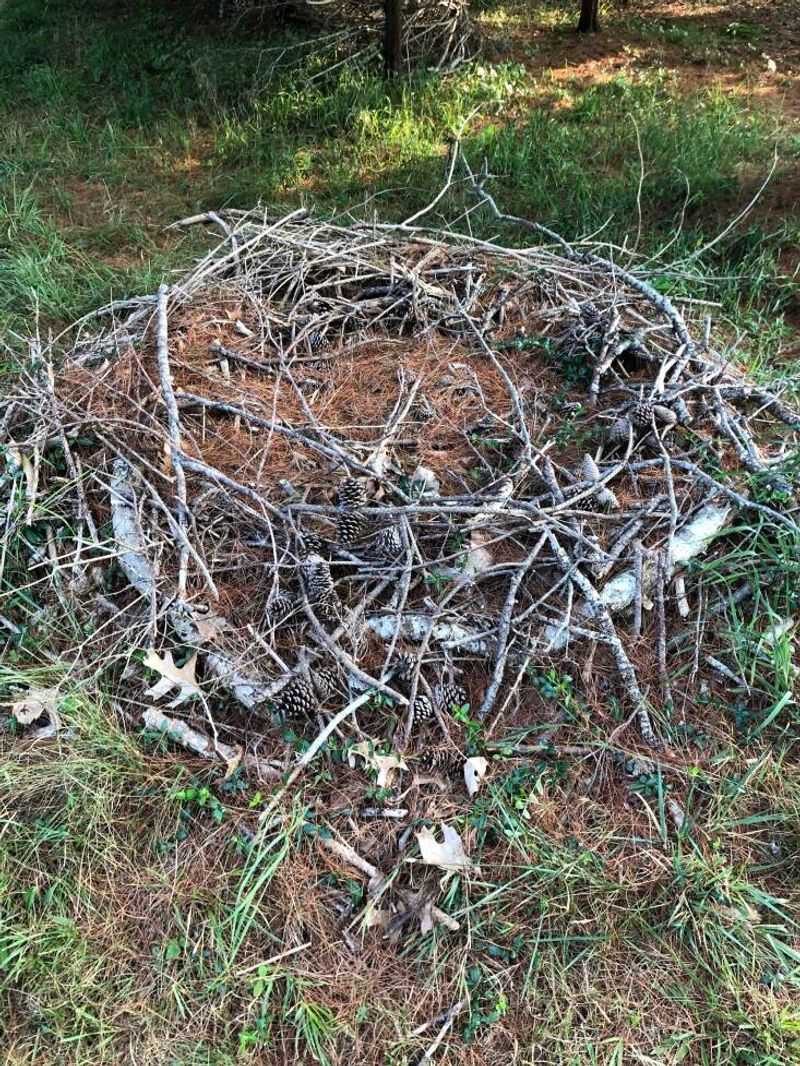
Start with the biggest pieces. NC State’s backyard guidance describes a dome-shaped pile about 5 feet wide at the base that can shelter a variety of wildlife.
Treat that as a handy size for a residential yard rather than a strict rule.
Lay thick logs or heavy limbs on the ground first, spaced so gaps remain between them. Then crisscross smaller branches over the top, building upward and inward into a rounded mound.
The crisscrossing keeps the stack from collapsing and creates the hollow spaces animals use.
Gaps are the point. The U.S.
Fish and Wildlife Service notes that openings let animals get in and out, so avoid packing the pile tight or burying the entrance. Finish with a layer of thinner twigs and leafy cuttings on top.
Wear sturdy gloves and long sleeves while you work, and check your hands and legs for ticks afterward. You can build in stages as you prune through the season, or tackle it in a single afternoon if you have the material on hand.
There is no required design or timeline. What matters is a stable, open structure made from what your yard already provides.
Use suitable prunings and avoid spreading invasive plants
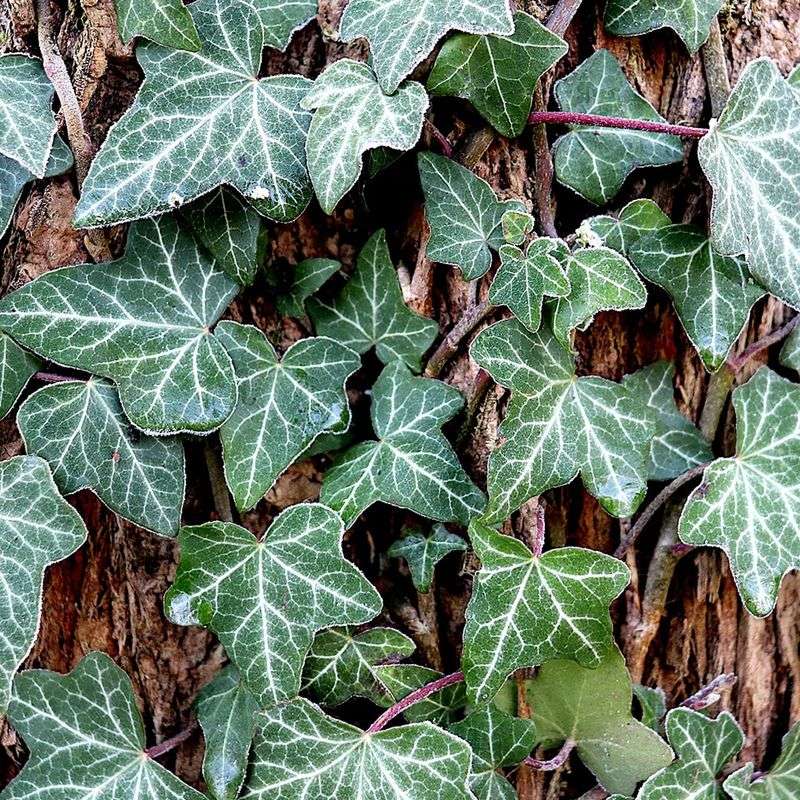
The best material is clean, untreated wood: fallen limbs, shrub prunings, small logs, and storm cleanup from your own trees. These pieces break down naturally and are what NC State’s backyard wildlife guidance has in mind when it describes brush piles for wildlife.
Leave out anything chemically treated. That means pressure-treated lumber, painted or stained scraps, old fence boards, and plywood.
Those materials do not belong in a spot where animals will crawl and rest.
Watch for invasive plants too. If you have been cutting back Chinese privet, English ivy, or Japanese honeysuckle, check for seeds, berries, or pieces that could root before they go on the pile.
The U.S. Fish and Wildlife Service advises avoiding the spread of seeds and other plant parts, and says that when appropriate, piles can be built from such vegetation right where it was cut.
In practice, that means you should not haul seed-laden invasive cuttings across the yard or into a new area. If there is any doubt that the material could resprout or drop seed, keep it out of your pile and dispose of it in a way that keeps it from spreading.
Skip burning as a shortcut, since dry brush is a fire hazard. Choose native prunings when you can, and keep the pile simple.
Which neighbors might use the shelter?
Plenty of local animals may find a pile useful, though none are promised. NC State identifies the eastern cottontail as a species that uses brush piles for escape cover.
A rabbit that bolts from your garden might duck into a tangle like this.
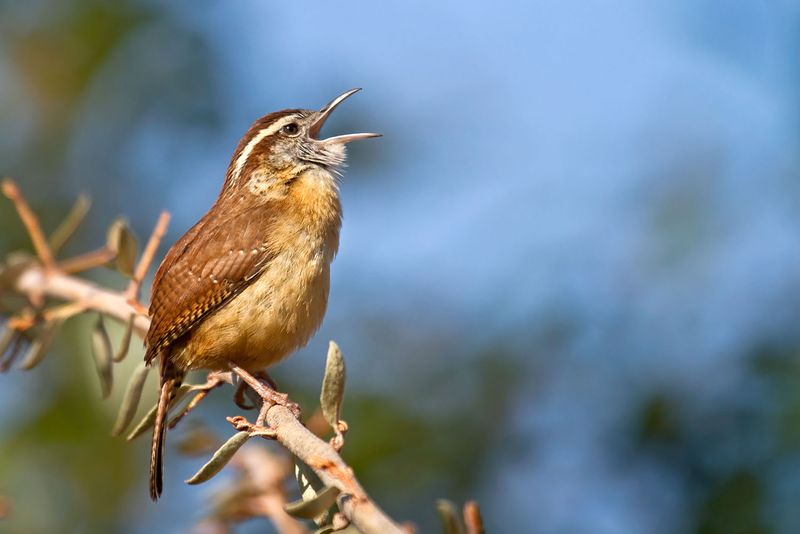
Birds are possible users too. Cornell says Carolina wrens can be encouraged by keeping a brush pile in the yard.
Listen for their loud, ringing song near thick cover.
NC State also says reptiles and amphibians readily use brush piles in suitable settings, such as dry ground near a tree, bush, or thicket. That does not mean toads will move into your particular pile, only that the setup suits them in general.
Snakes and other wildlife may use a pile as well. Never reach into it, poke at it, or try to handle any animal you see there.
If you spot a snake, leave it alone and keep children and pets away from that area. Watch from a distance, enjoy what you notice, and let the animals come and go on their own terms.
Leaf litter and brush piles do different habitat work
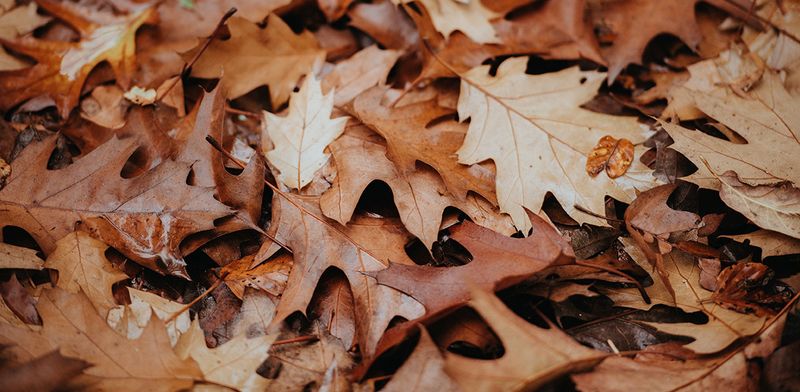
Leaves and brush piles often get lumped together, but they are not the same thing. A 2025 study in Maryland residential yards found that removing autumn leaves cut the spring emergence of arthropods by 17 percent overall, with bigger drops for some groups.
That research looked at leaf litter. It did not study brush piles, and it was done in Maryland, not North Carolina.
So it is a good reason to think twice before bagging every leaf, but it does not show that insects reliably overwinter in a brush pile. Leaves under shrubs and in garden beds and a stack of branches each add something different to a yard.
A pile also changes over time. Wood settles, sags, and slowly rots, and the open spaces inside shrink as that happens.
University of Maryland Extension recommends adding material every few years.
So plan on topping it up. After a season or two, check whether it has slumped into a low heap, and lay fresh logs and branches over it to restore the hollows.
Do this from the outside, wearing gloves, without digging into the pile. A pile you keep adding to can stay useful, but it will never stay exactly as you built it.
Treat the pile as one part of a wildlife-friendly yard
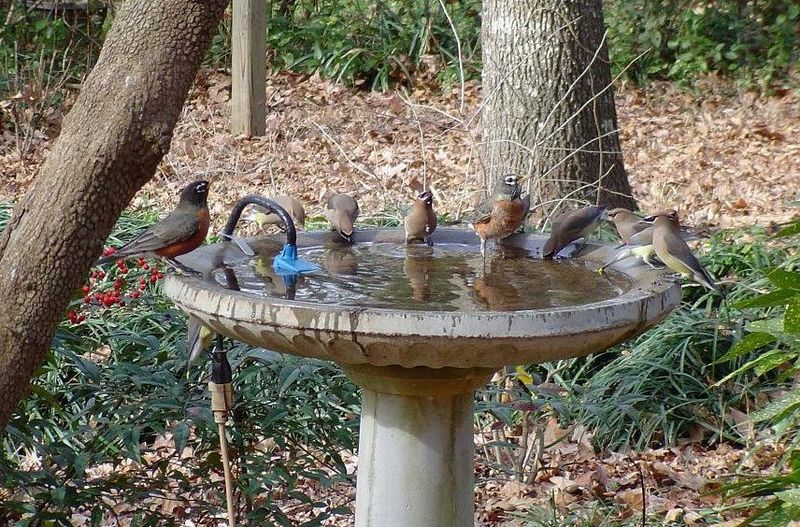
A brush pile works best as one piece of a bigger picture. Keep suitable prunings as a modest shelter, place it away from play areas and buildings, and add material as it settles.
Cover works alongside food, water, and the surrounding habitat animals depend on, so native shrubs and a water source help too.
You may never know exactly who stops by, and that is fine. What you get is a useful corner built from what you already had.
A yard waste problem becomes a small act of stewardship.