
A Nighttime Opossum in Your North Carolina Yard Is Normal, but It Doesn’t Mean Fewer Ticks
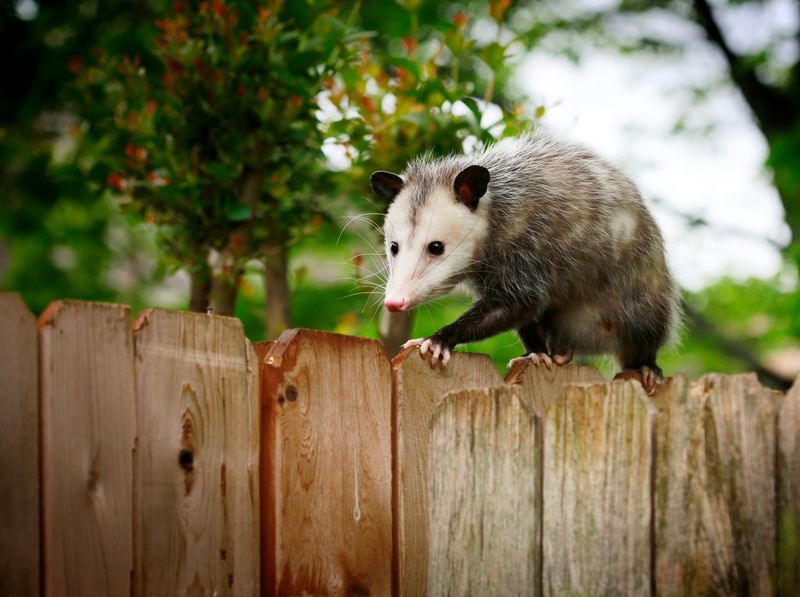
A shuffling shape crosses your porch light at 10 p.m., and you realize an opossum is checking out your yard. Many North Carolina homeowners hear that these animals gobble up thousands of ticks.
The real story is more mixed, and it matters if you want to keep your family and pets safe. Here is what the research shows and what you can do about ticks yourself.
Why an opossum may be out after dark
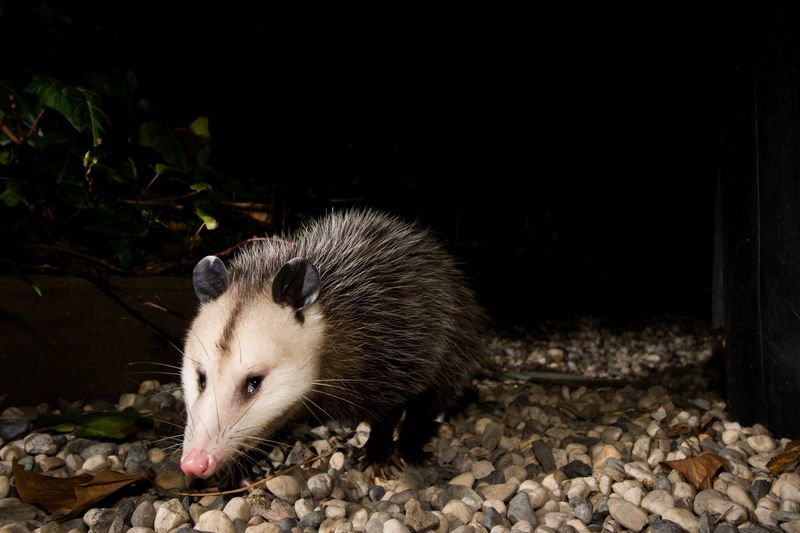
Seeing an opossum after sunset is ordinary. North Carolina’s official mammal account describes the Virginia opossum as essentially nocturnal, active all year, and a regular night forager in residential areas.
Your yard is simply part of its route.
Opossums do not hibernate. According to the NC Wildlife Resources Commission, they may stay in a den during short stretches of extreme cold, but otherwise they keep roaming through winter.
So a sighting in November, January, or July means about the same thing: a native animal is out looking for a meal.
Here is where the popular story runs ahead of the facts. Being active at night and all year does not show that opossums step up their foraging before winter in a way that helps your yard.
It also does not predict a lower tick count come spring.
Think of the sighting as a clue about the animal, not about your tick risk. A neighbor with no opossum visits and you with a nightly visitor could have very similar tick numbers.
Your shrubs, leaf piles, and the edge of nearby woods tell you far more about tick exposure than a passing set of eyes shining in a flashlight beam.
If you want to know whether opossums frequent your property, a motion-activated trail camera near the fence line can show you the pattern without any disturbance. Just keep food out of the picture so you are watching normal behavior.
A varied diet does not make an opossum tick control
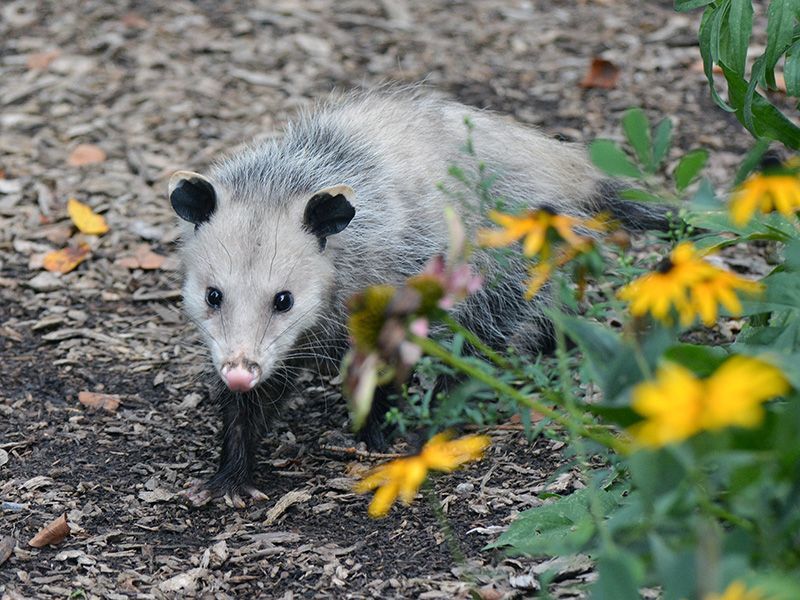
Opossums are native omnivores, which means they eat just about anything. The NC Wildlife Resources Commission lists insects, snails, slugs, rodents, fruit, and carrion among their foods.
That menu helps explain why the animal does well in suburbs, farms, and forests alike.
A broad menu is not the same as a pest-control contract. An animal that eats whatever it stumbles across is not working through your yard like a trained exterminator.
It may eat a few beetles one night and a fallen persimmon the next.
So it is smart to skip promises that an opossum will clear out slugs, rodents, ticks, or any other particular pest. Nobody has measured it as a yard-management tool, and your results could vary from one night to the next.
That does not make the animal less valuable. Opossums clean up carrion and take part in the web of native wildlife that makes a yard feel alive.
You can appreciate them for that role without handing them a job they were never shown to do.
A practical example: if slugs are chewing your hostas, hand-picking them at dusk or setting a shallow beer trap will do more than waiting for a visitor. Treat any opossum help as a bonus, never as the plan.
A laboratory experiment helped fuel the tick claim
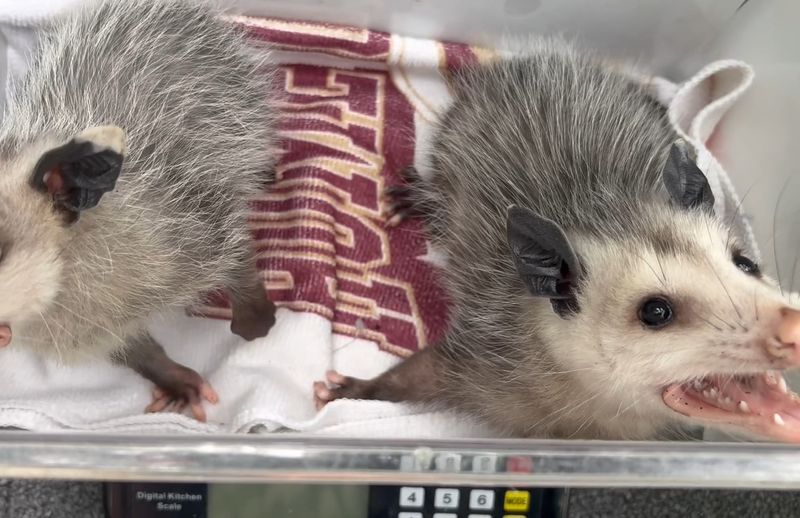
Many people have heard that opossums are tick-eating machines. One piece of that story comes from a 2009 study, in which researchers placed larval blacklegged ticks on captured animals and reported high tick mortality on opossums.
In other words, many ticks that landed on opossums did not survive.
That is an interesting finding, but look closely at the setup. It was a laboratory experiment with captured animals and young ticks placed on them on purpose.
Nobody watched what happens when a wild opossum wanders through a real yard.
The study did not test whether an opossum visiting your property lowers the tick count there. It also did not measure disease risk, and it certainly did not follow a North Carolina yard from fall into spring.
Because of that, the results cannot be stretched into a dependable promise for homeowners. A tick that dies on an opossum in a lab tells us something about that host and that tick, not about your backyard.
Here is a useful way to hold the idea: a lab result is a starting question. The next step is to check whether it holds up in the wild, and that is exactly what a later team set out to do.
What researchers found in wild opossums
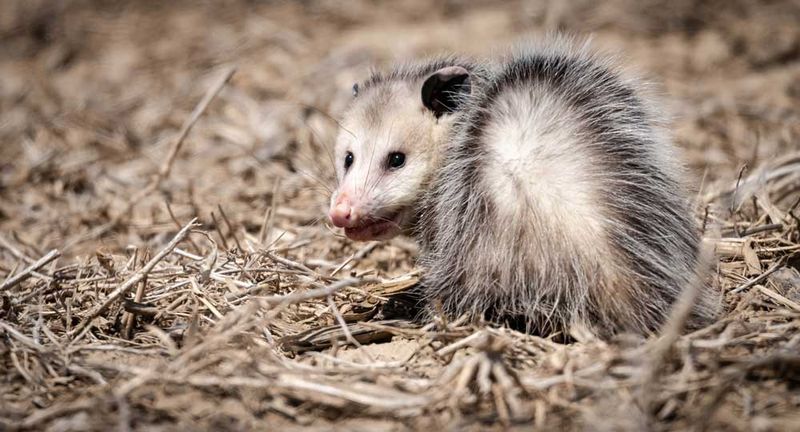
A later team asked a simple question: do wild opossums really eat ticks the way the lab work suggested? In a 2021 study, researchers examined stomach contents from 32 wild opossums in central Illinois.
They found no ticks and no tick parts.
The team also reviewed 23 published studies of opossum diets. None of those reported ticks as a food item.
Taken together, the results led the researchers to conclude that ticks are not a preferred food for opossums.
That challenges the popular claim, including the often-repeated figure of thousands of ticks eaten each week. Those numbers do not describe something shown to happen in the wild or something a homeowner can count on.
There are limits worth keeping in mind. The study looked at opossums from one region, and it found no major tick-eating role.
That is not proof that no opossum has ever swallowed a tick by accident while grooming or eating.
The practical takeaway is straightforward. Opossums may still eat the odd tick, but there is no good reason to count on them to protect your yard.
For that, you need steps that are actually recommended by health authorities.
Use recommended steps to reduce tick exposure

If ticks worry you, put your effort into steps that health agencies recommend. North Carolina DHHS advises pruning shrubs and bushes, removing leaf litter, and keeping grass short.
These changes reduce the shady, damp spots where ticks like to wait.
The CDC adds a useful border idea. Place a wood-chip or gravel barrier about 3 feet wide between your lawn and any wooded area.
It marks a dry strip that ticks are less likely to cross, and it gives you a clear line between play space and tick habitat.
Plan a weekend project. Rake leaves out of the corners along your fence, trim low branches near the patio, and mow the lawn edge before the grass gets shaggy.
In the Piedmont, wooded lot lines are a good place to start.
Personal protection counts just as much. DHHS recommends EPA-approved repellent and checking yourself for ticks after time in tick habitat, including gardening near brush.
Check under the arms, behind the knees, along the hairline, and around the waist.
The CDC also recommends daily tick checks for outdoor pets. Run your hands over dogs and cats after they come inside, especially around the ears, neck, and between the toes.
These steps lower your risk, but none of them guarantees a tick-free yard. Layer them together and stay watchful through the warm months.
Let a passing opossum move on
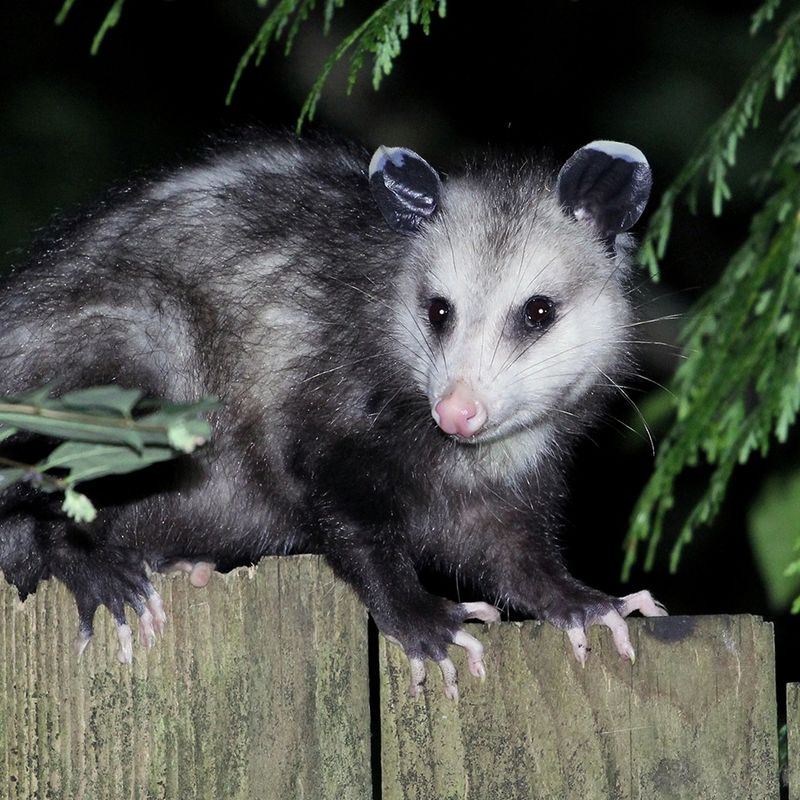
Most of the time, the best response is no response. Leave a passing opossum alone, and do not handle it, feed it, or try to lure it closer.
The NC Wildlife Resources Commission warns that feeding wildlife can spread disease and create conflict.
To keep visits low-drama, use tight-lidded garbage containers and secure any chicken feed, as the agency’s opossum guidance suggests. A daytime sighting alone is not necessarily a problem, since some opossums move about in daylight.
If an opossum stays exposed for a long time, walks in tight circles, or looks injured, do not approach it. Call a licensed small-mammal rehabilitator for advice instead.
If an animal bites or scratches someone, wash the wound and get medical advice promptly. The CDC says health professionals should assess possible rabies exposure.
You can respect a native neighbor and still do your own tick work. The opossum has its night shift, and the tick checks are yours.