
Stink Bugs Are Lining Up At Your Windows Right Now – 11 Natural Fixes That Keep Them From Moving In For Winter
Those brown, shield-shaped bugs crawling across your window screens are not there by accident. As nights cool below 60 degrees, stink bugs start hunting for a warm place to sleep through winter, and your house looks perfect to them.
They will not eat your food or bite you, but once a few get inside, more tend to follow, and squishing them leaves a smell you will not forget. The good news is that a handful of simple, natural fixes can help keep them outside where they belong.
1. Seal Every Crack and Gap
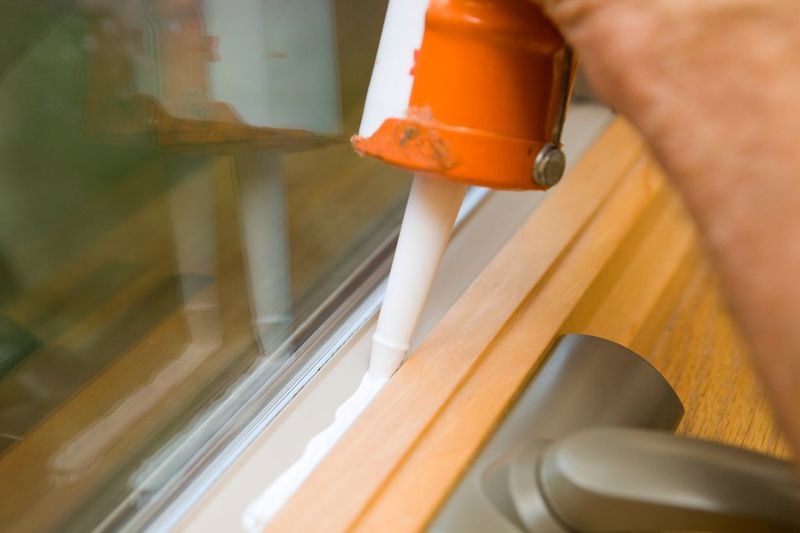
A stink bug can squeeze through a gap about as thin as a credit card. That means the tiny crack you never noticed around your kitchen window may be a wide-open front door to them.
Walk around your house on a sunny afternoon and look closely at window frames, door frames, siding seams, and the foundation. Pay extra attention to spots where pipes, cables, and dryer vents enter the wall, since builders often leave small gaps there.
Fill those openings with a good silicone or silicone-latex caulk. It stays flexible through cold weather, so it will not crack and open new doorways by January.
A single tube and an hour of work can block dozens of entry points, which makes this the fix that does the heaviest lifting on the whole list.
2. Patch Screens and Add Weatherstripping
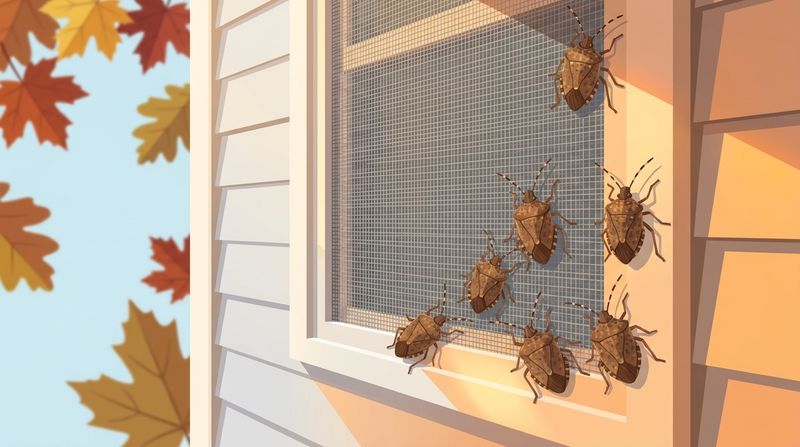
Remember that little tear in the bedroom screen you meant to fix back in June? Stink bugs found it already.
Check every window and door screen for rips, loose corners, or bent frames. Small holes can be patched with an inexpensive screen repair kit, while badly damaged screens are worth replacing.
Do not forget attic and crawl space vents, which need fine mesh to keep bugs from wandering in unseen.
Next, run your hand along the edges of exterior doors. Feel a draft?
Worn weatherstripping and missing door sweeps leave gaps that bugs love. Fresh strips and a sweep along the bottom of the door close those spaces up tight, and they may even trim a little off your heating bill this winter.
3. Mist Windows With a Peppermint Oil Spray
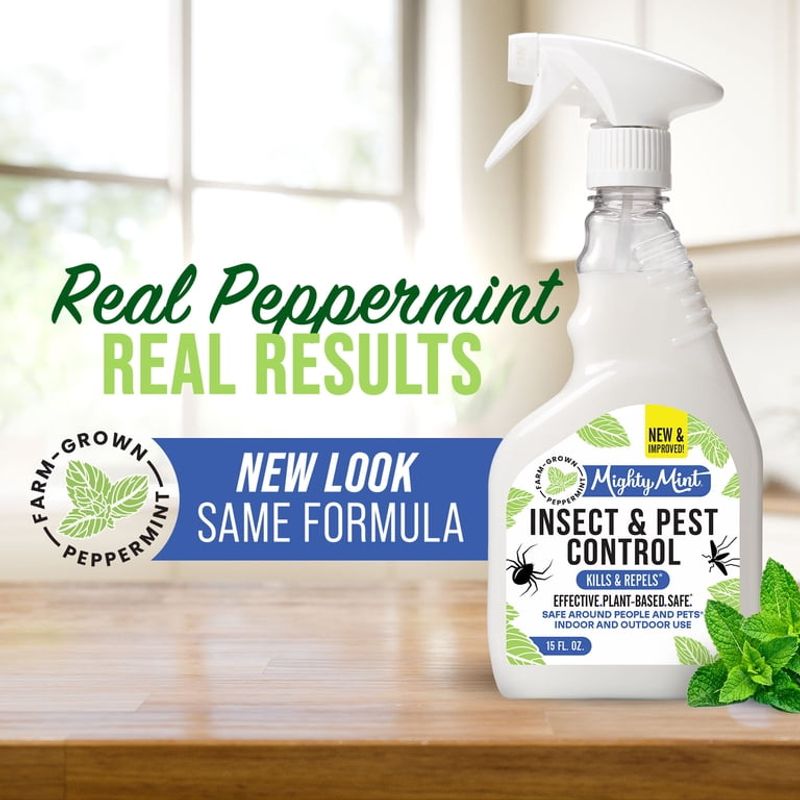
Here is a fix that makes your house smell better while it works. Stink bugs reportedly dislike strong scents, and peppermint tops the list of favorites for a homemade spray.
Mix 10 to 15 drops of essential oil with two cups of water in a spray bottle. Peppermint, spearmint, clove, lemongrass, rosemary, and tea tree are all popular choices, and you can blend a couple together.
Shake well before every use, since oil and water separate.
Lightly mist windowsills, door frames, and any spots where you see bugs gathering. Outdoors, reapply every few days and after rain.
Treat it as a helper rather than a force field, since a scent spray may help deter bugs but works best alongside sealed gaps and good screens.
4. Spray a Garlic Barrier
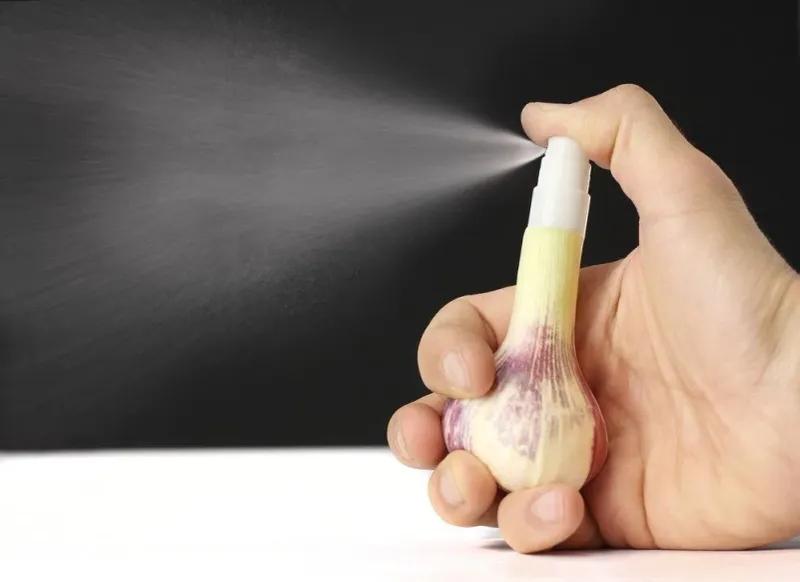
Vampires are not the only ones who hate garlic. Lots of insects steer clear of its sharp smell, and stink bugs seem to be among them.
Crush several garlic cloves and stir them into two cups of water. Let the mix sit for a few hours or overnight, then strain out the chunks so they will not clog your sprayer.
Add about a teaspoon of mild dish soap, which helps the liquid cling to surfaces.
Spray it around the outside of windows, doors, and along siding where bugs like to sun themselves. The garlic scent fades for people in about an hour, though it lingers long enough to make your walls less inviting.
Keep it outdoors, unless you want your living room smelling like an Italian kitchen.
5. Plant Lavender, Mint, and Mums Near Entryways
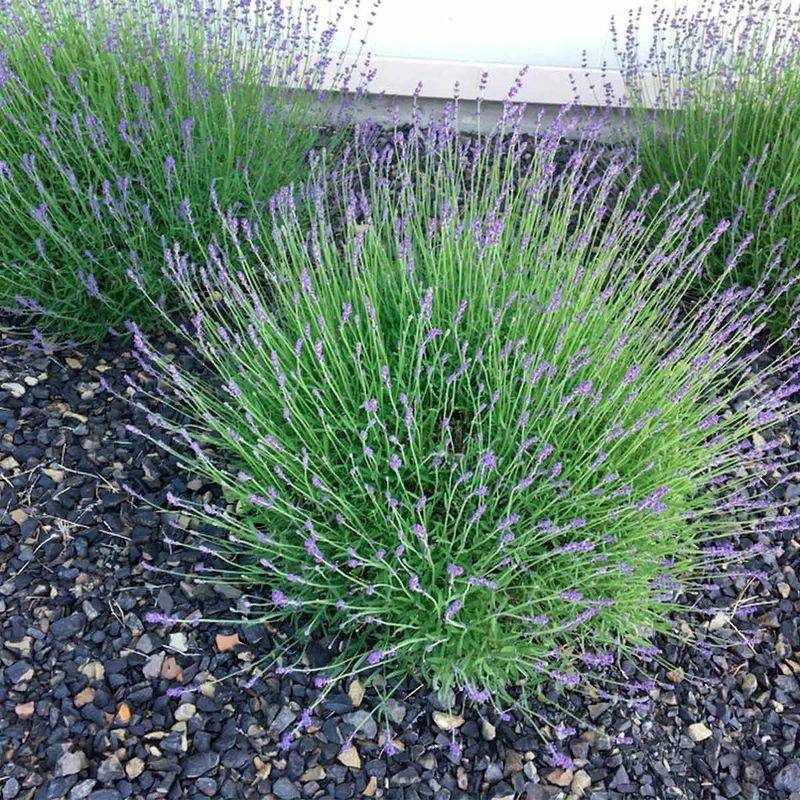
Gardeners get a bonus round with this one. Some plants give off scents that may help keep stink bugs away, and many of them look wonderful by the front door.
Chrysanthemums are a natural fall pick, since they bloom right when stink bugs start hunting for shelter. Lavender, mint, basil, lemon thyme, and catnip also make the list.
Grow mint in a pot, though, because it spreads like gossip once it hits open soil.
Group containers near doors, under windows, and around patio entries. Plants alone will not stop a determined swarm, but they can make the area a little less welcoming.
Plus, you get fresh herbs for cooking and a pretty porch, which is not a bad trade at all.
6. Switch to Yellow Bug Lights

Bright porch lights act like a welcome sign after dark. Stink bugs are drawn to light, and a glowing bulb right next to your door practically points them inside.
Swap white bulbs near entry points for yellow bug lights. Insects have a harder time seeing that warmer color, so fewer show up.
Motion-sensor lights are another smart choice, since they stay off until someone actually needs them.
Inside, close blinds and curtains in the evening. Lamps shining through windows can pull bugs to the glass, where they search for a way in.
It costs almost nothing, and it is one of the quickest changes you can make tonight.
7. Clear Leaf Piles and Move the Firewood

Picture a stink bug as a traveler needing a motel for the night. A soggy pile of leaves or a stack of logs against the garage is exactly that motel.
Rake up leaf piles, pick up fallen fruit from trees, and clear away old garden debris. Pulling spent tomato and squash vines helps too, since stink bugs feed on those plants in summer and hang around afterward.
Firewood deserves special attention. Store it at least 20 feet from your house and raise it off the ground on a rack.
When you bring logs inside, shake or tap each one first so you are not carrying in hidden hitchhikers along with your kindling.
8. Trim Shrubs Away From the House
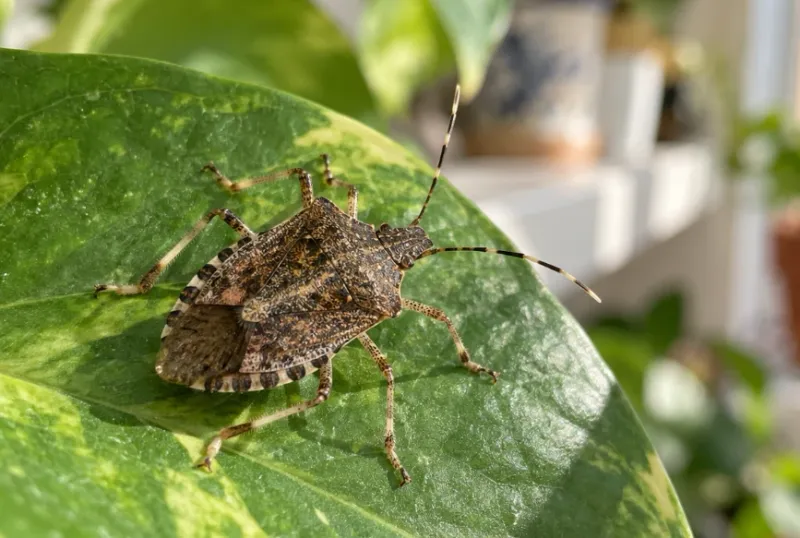
Branches touching your walls are basically bridges with a toll-free pass. Stink bugs crawl right across them and onto your siding, windows, and roofline.
Grab your pruners and cut back shrubs, vines, and tree limbs so they sit at least a foot or two away from the house. Climbing plants on trellises right against the wall are worth a second look as well.
Fall is a fine time for light shaping on many shrubs, though hold off on heavy cuts to spring bloomers like lilacs and some hydrangeas, or you may snip off next year’s flowers. A little breathing room also improves air flow and makes it easier to spot gaps that need caulk.
9. Dust Sills With Diatomaceous Earth
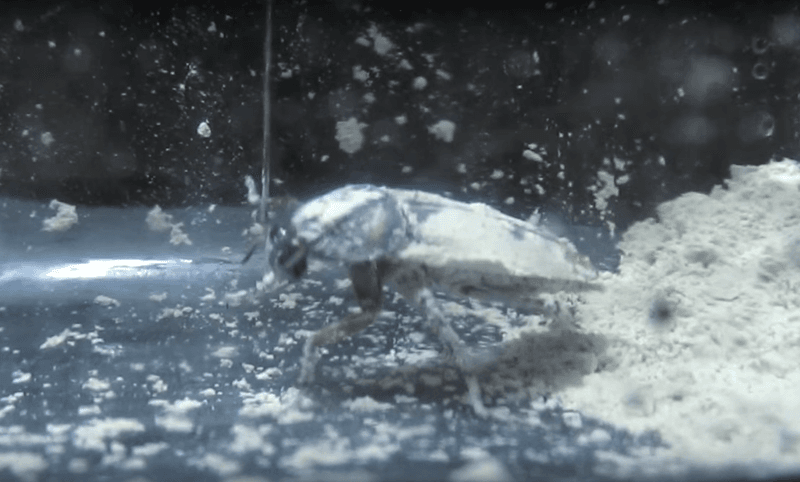
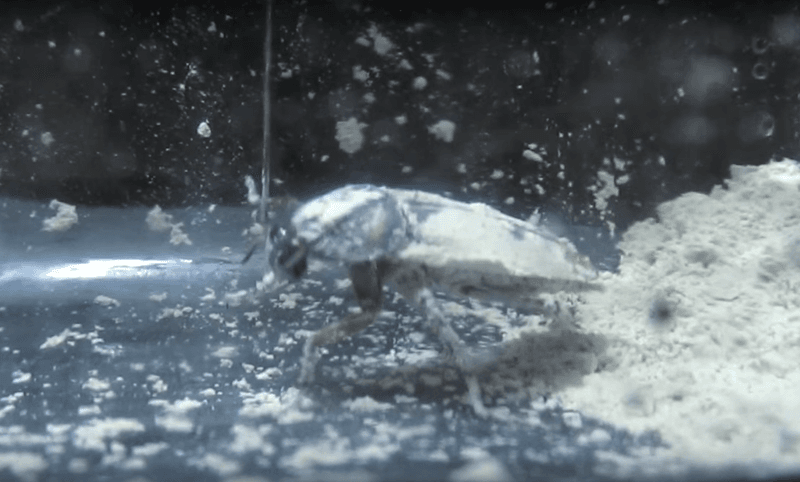
It looks like plain white flour, but diatomaceous earth is actually made from the fossil shells of tiny water creatures called diatoms. Those crushed shells have sharp edges that dry out insects that crawl through them.
Buy the food-grade kind and sprinkle a thin line along windowsills, door thresholds, and other spots where bugs keep sneaking in. A light dusting works better than thick piles, which bugs tend to walk around.
Wear a mask when applying it, since the fine dust can bother your lungs. Keep it dry, too, because it stops working when wet.
Refresh the line after cleaning or if it gets damp.
10. Build a DIY Light Trap
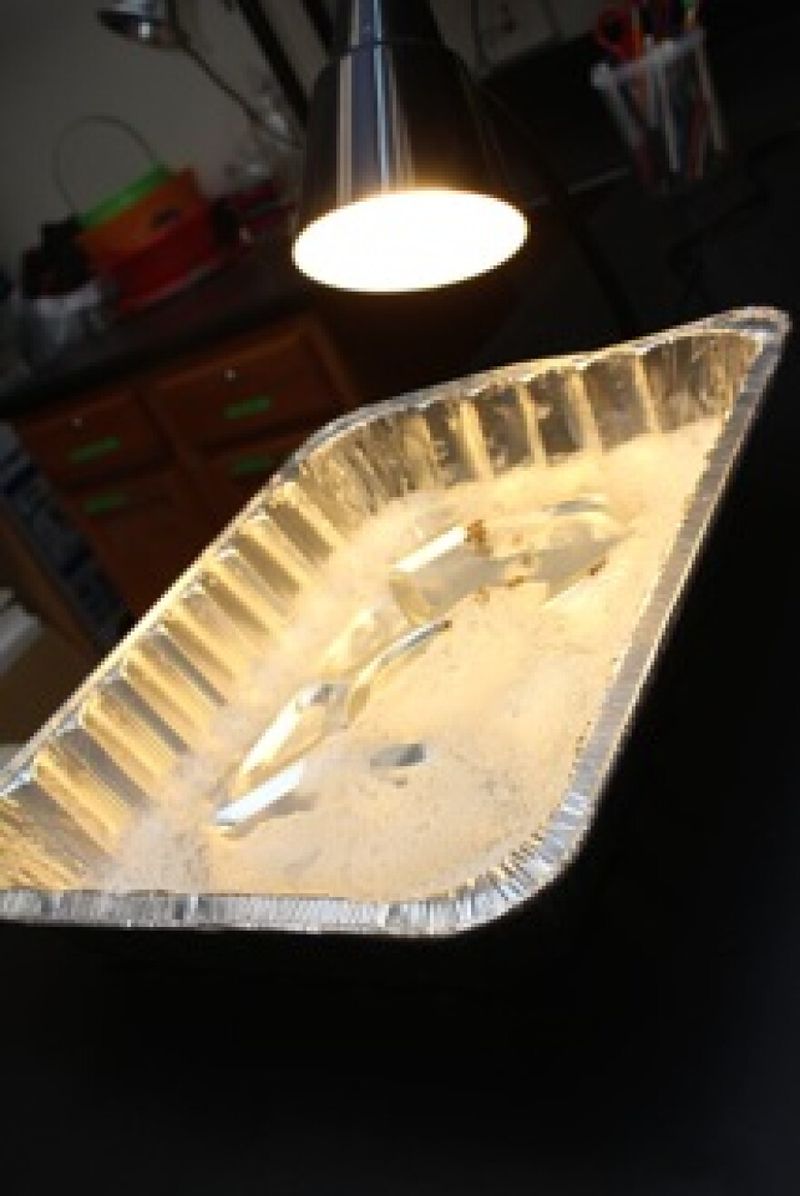
Some stink bugs will slip past even the best defenses. For those sneaky few, a homemade trap turns their love of light against them.
Fill a foil roasting pan with a couple inches of water and add a few drops of dish soap. Set it in a dark room where you have seen bugs, then aim a desk lamp right into the pan.
The bugs fly toward the glow, land in the water, and the soap keeps them from climbing out.
Run it overnight and check it in the morning. Attics, spare rooms, and basements are great spots.
Empty the pan outside, and you will have a pretty good idea of how many bugs were hiding in your walls.
11. Vacuum Them Up Instead of Squishing
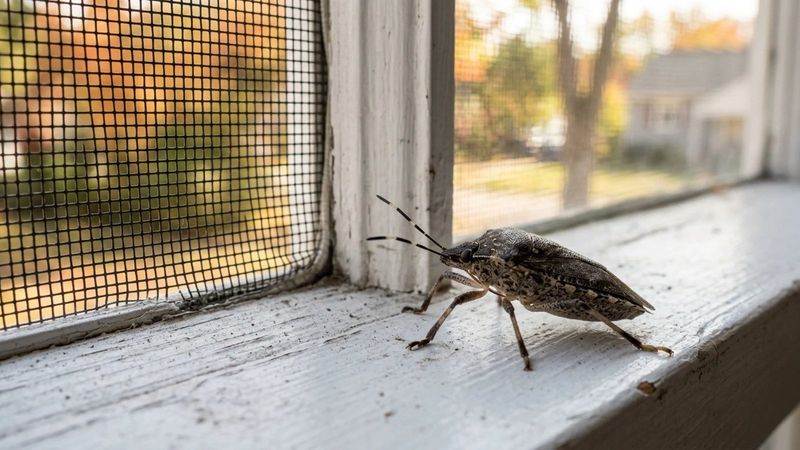
Whatever you do, do not squash them. A crushed stink bug releases the smell that gave it its name, and some experts say that odor may even signal other bugs to gather.
A vacuum is your best friend here. Suck up bugs from windows, curtains, and ceilings, then take the bag or canister outside right away and empty it into a sealed trash bag.
Some folks keep an old stocking stretched over the hose end, held with a rubber band, to catch bugs before they reach the machine.
For just one or two, try knocking them into a jar of soapy water. Quick, clean, and no lingering stink in your home all winter.