
Growing Beets And Only Getting Tiny Roots? 15 Fixes For Big, Sweet Beets Next Season
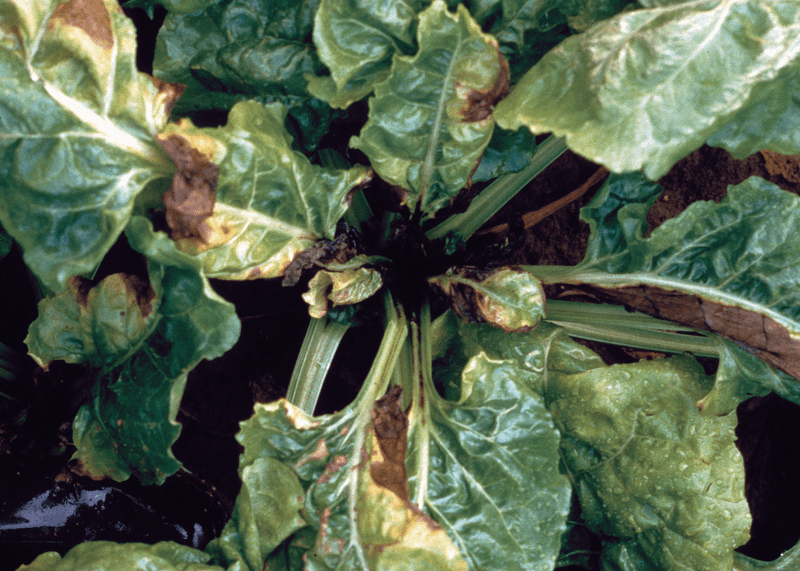
You pull up a beet expecting a fat, purple root, and out comes something the size of a marble. It happens to lots of backyard gardeners, and it usually means the plant was missing something it needed underground.
The good news is that most causes are simple to spot and easy to fix. Here are 15 changes that can help you grow big, sweet beets next season.
1. Check and Adjust Soil pH
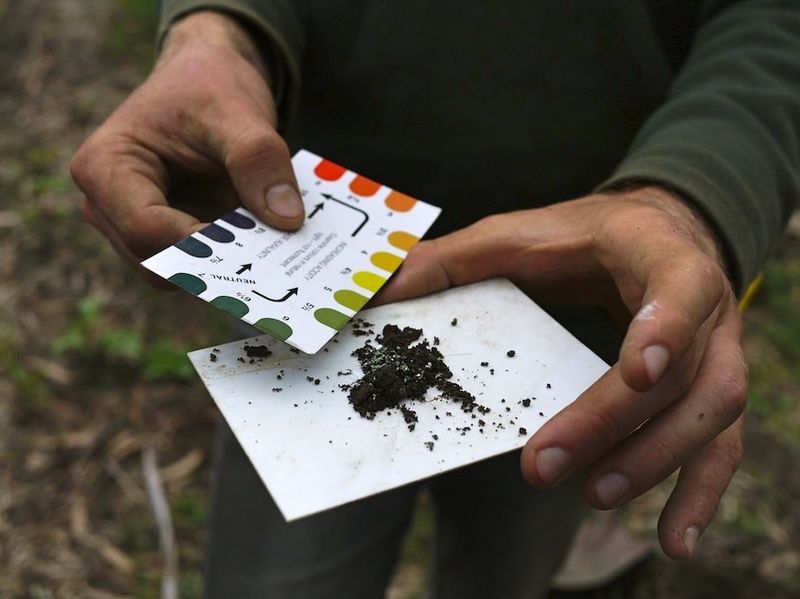
Picture a beet sitting in soil that is too sour. It can be surrounded by fertilizer and still go hungry, because the wrong pH locks nutrients away from the roots.
Beets like a pH between 6.0 and 7.0, slightly acidic to neutral. A cheap home test kit or a sample sent to your county extension office will tell you where you stand.
If your number is low, garden lime or a light dusting of wood ash can raise it. If it is too high, elemental sulfur or peat moss can bring it down, though changes take a few months, so fall is a smart time to start.
2. Loosen Heavy or Compacted Soil
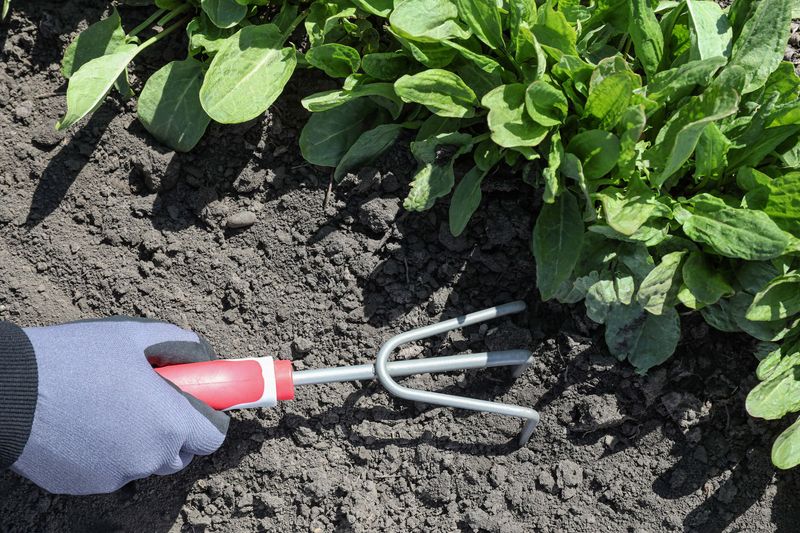
Ever tried to push your thumb into hard clay? A baby beet root faces the same struggle, and when it can’t push outward, it simply stays small or grows lumpy.
Beets do best in loose, crumbly soil like sandy loam. Heavy clay and soil that gets walked on often both squeeze roots tight.
Use a digging fork to loosen the bed about 8 to 10 inches deep. Then mix in 2 to 3 inches of compost to keep it fluffy and help water drain.
Try to stay off the bed once it’s ready, since footsteps pack it right back down.
3. Give Beets Full Sun
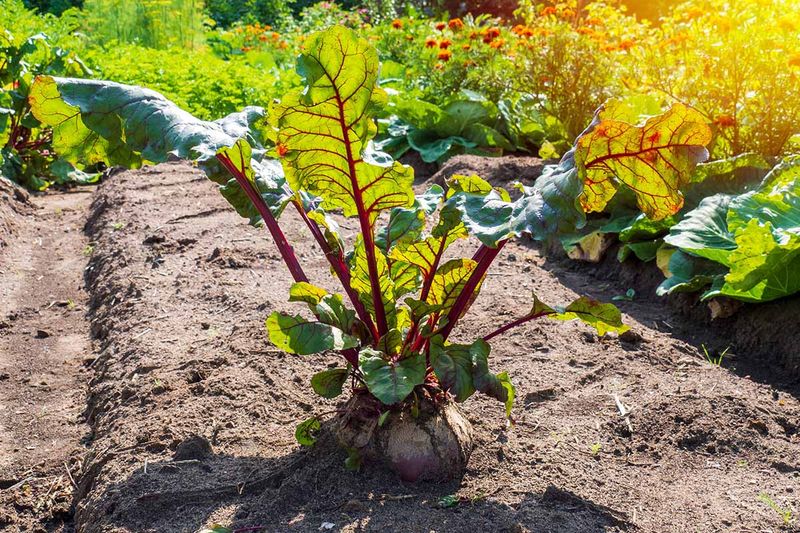
Leaves are little solar panels, and the sugar they make gets stored in the root. Less sun means less sugar, and less sugar means a skinny beet.
Aim for at least six hours of direct sunlight a day. Beets grown in shade often have long, floppy tops and roots that never bulk up.
Watch your yard for a day before planting next season. Note where shadows from fences, trees, or the house fall, and save the sunniest spot for your beets.
4. Thin Seedlings Without Mercy
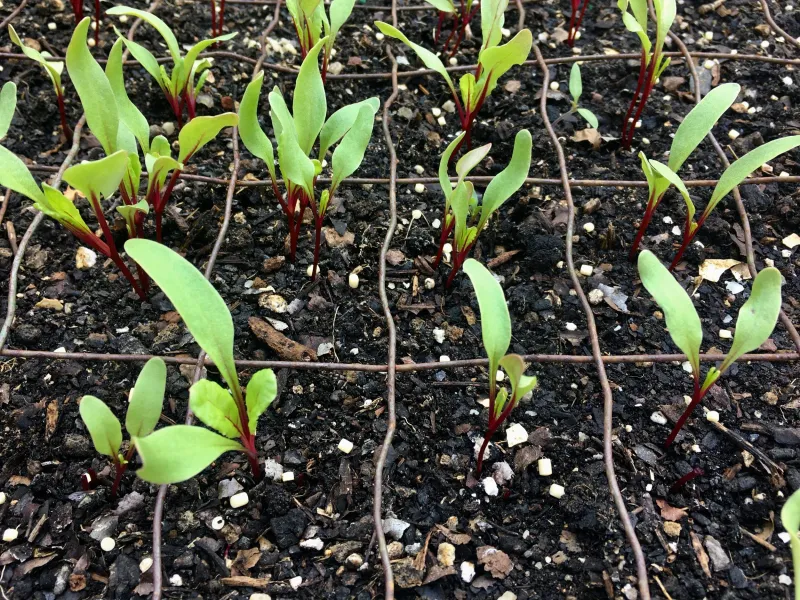
Here’s a fun fact that surprises many gardeners: a single beet “seed” is actually a dried cluster holding two to four seeds. Plant one, and you may get a tiny crowd.
Those crowded seedlings fight over water and food, and nobody wins. The result is a row of tiny roots.
When seedlings have two or three true leaves, thin them to 3 to 4 inches apart. Snip extras at soil level with scissors instead of pulling, so you don’t disturb the keepers.
Bonus: those thinnings make tasty microgreens for a salad.
5. Water Deeply and Consistently
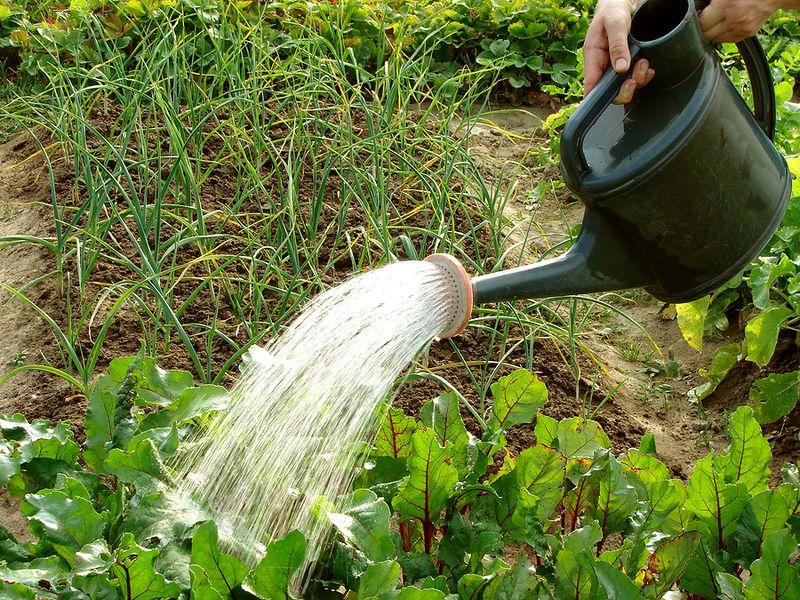
Dry for a week, soaked for a day, dry again. That roller coaster is rough on beets.
Uneven watering can leave roots woody, bland, or cracked. Beets want about one inch of water each week from rain or your hose.
Deep soakings once or twice a week work better than quick daily sprinkles, because water reaches down where roots grow. A soaker hose or a simple rain gauge makes it easy to keep track.
6. Work in Compost Before Planting
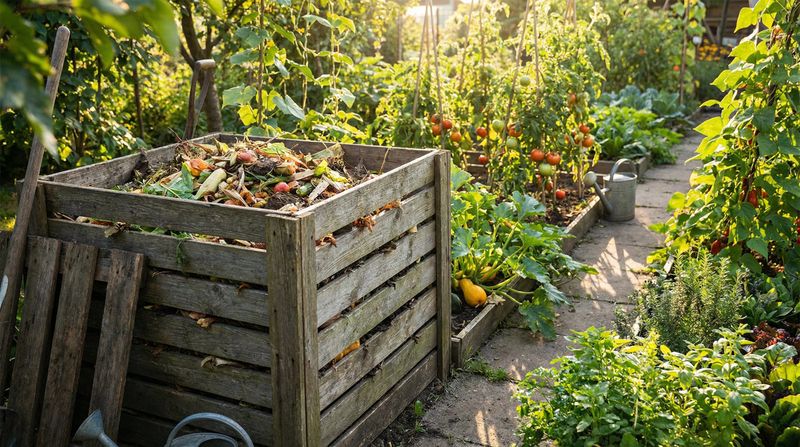
Think of compost as a welcome mat for roots. It feeds the soil, holds moisture, and keeps the ground soft.
Before planting, mix aged compost or well-rotted manure into the top 6 to 8 inches of soil. Fresh manure is too strong and can harm young plants, so make sure it has broken down first.
Compost also helps steady your soil pH over time. One good layer each season can slowly turn tired dirt into rich, dark soil that beets love.
7. Cut Back on Nitrogen
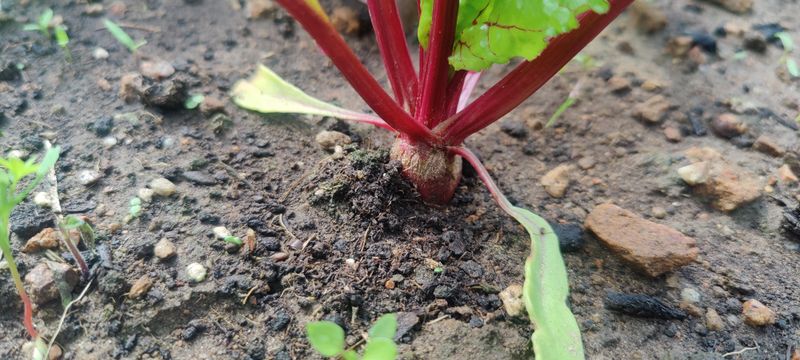
Big, gorgeous leaves and a puny root? That’s a classic sign of too much nitrogen.
Nitrogen tells plants to grow leaves. Give beets lots of it, from lawn fertilizer or high-nitrogen plant food, and they put energy into tops instead of roots.
Choose a balanced fertilizer like 5-5-5, or one with a higher middle number for phosphorus. Also keep lawn fertilizer from drifting into your vegetable beds.
8. Add Phosphorus for Root Power
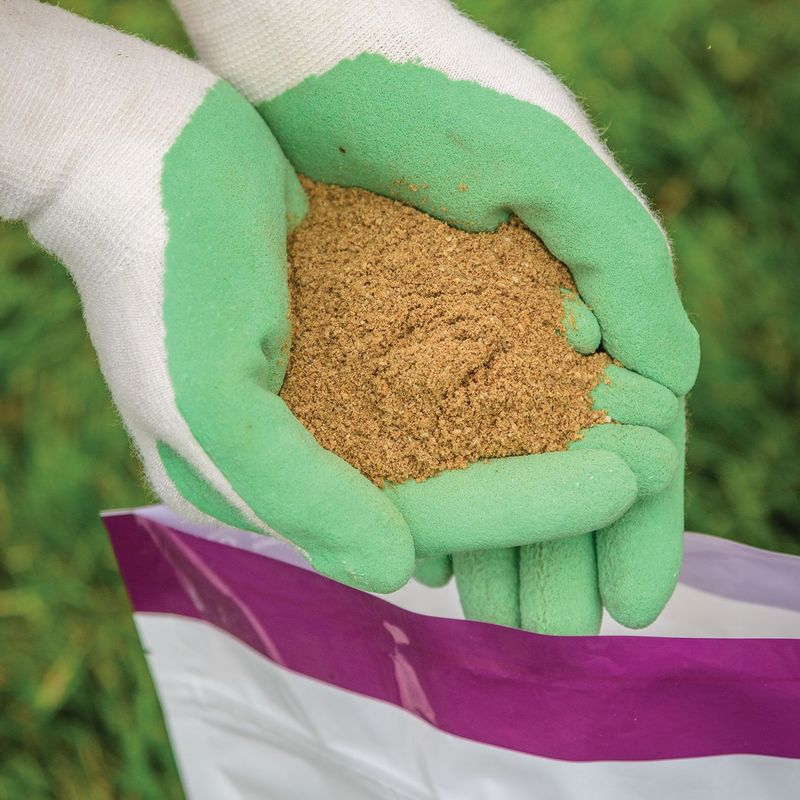
Phosphorus is the root builder of the nutrient world. Without enough, beets can stall out underground.
Your soil test will show whether phosphorus is low. If it is, bone meal is an easy organic fix that you can mix into the soil before planting.
Don’t add it blindly, though. Many garden soils already have plenty, and extra phosphorus can wash away and cause problems in nearby water.
9. Boost Potassium for Dense, Juicy Roots

Slice a well-fed beet and you’ll see firm, juicy rings of color. Potassium helps make that happen.
Potassium supports overall plant health and helps beets handle heat and dry spells better. It also helps roots fill out with dense flesh.
Kelp meal is a gentle organic source. Wood ash adds potassium too, but it also raises pH, so use it lightly and only if your soil isn’t already alkaline.
10. Watch for Boron Deficiency
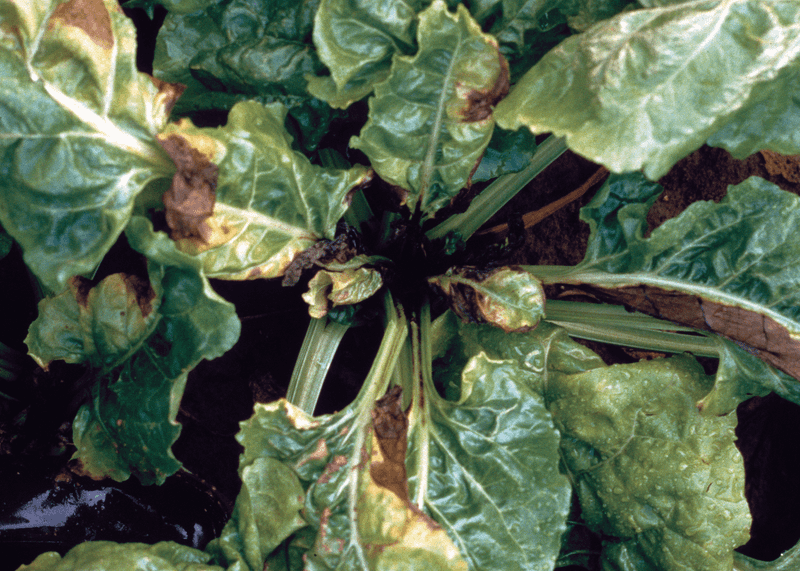
Cut into a beet and find black, corky patches inside? Boron could be the culprit.
Boron is a micronutrient, which means beets need only a tiny bit. Still, too little can cause dark spots, poor growth, and less sweetness.
A soil test can confirm a shortage. If needed, a very weak boric acid solution can be applied during root growth, but follow directions closely, because too much boron is toxic to plants.
11. Plant During Cool Weather
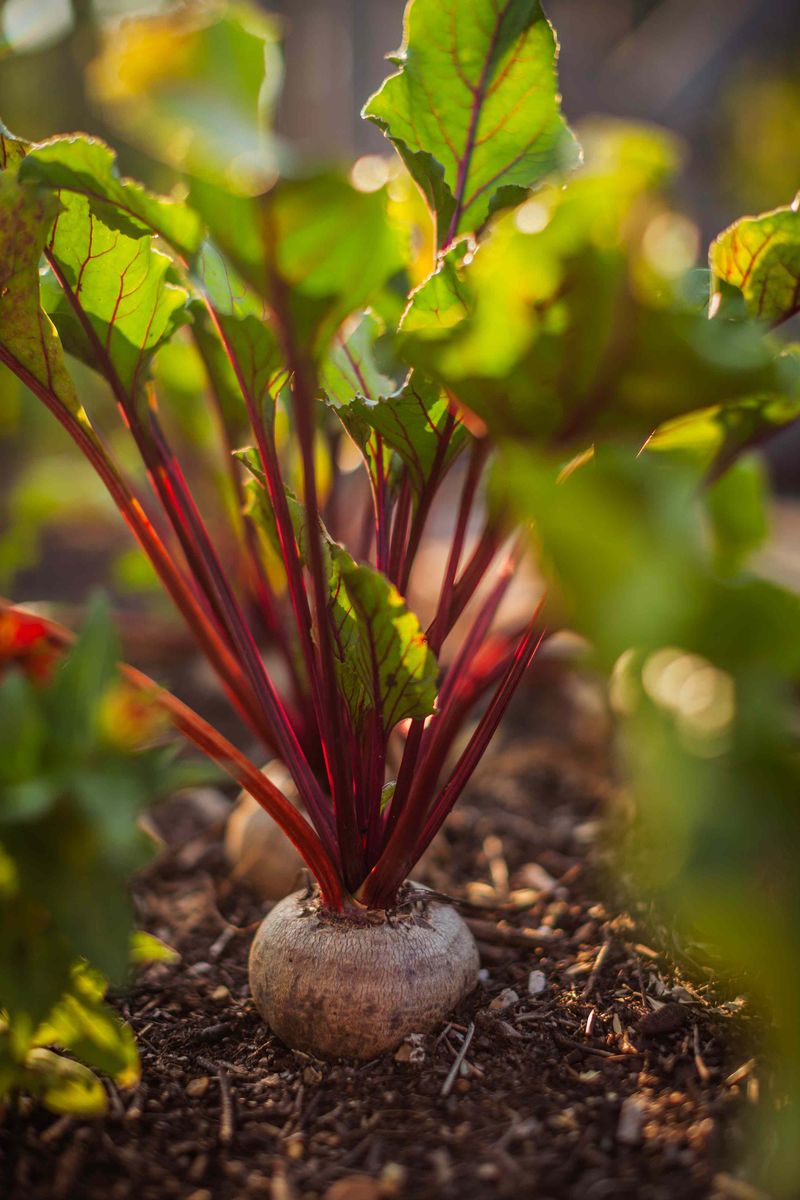
Beets are cool-weather fans. They grow happiest between 55 and 75 degrees F.
Plant in early spring as soon as your soil can be worked, or in late summer for a fall crop. Hot weather can make beets bolt, sending up a flower stalk while the root turns tough.
In warm southern areas, fall and winter planting often works best. Up north, a spring crop plus a late-summer sowing can give you two harvests.
12. Pick Varieties Bred for Size
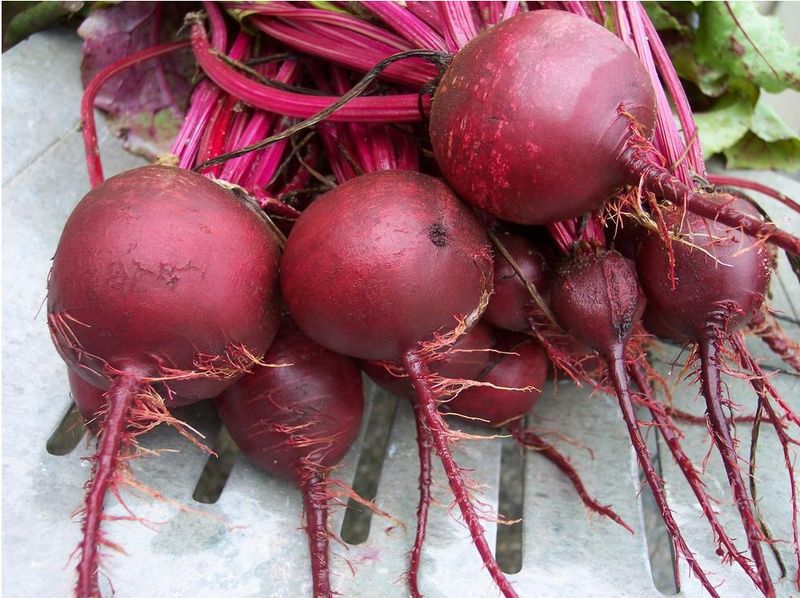
Not all beets are built to be big. Some are bred as small baby beets, so your tiny harvest might just be the seed packet doing its job.
For larger roots, look for Detroit Dark Red, Lutz Green Leaf, or Crosby’s Egyptian. Lutz is famous for growing huge while staying sweet, and it stores well too.
Read the packet before you buy. It will usually list the mature size and how many days the variety needs.
13. Harvest at the Right Size
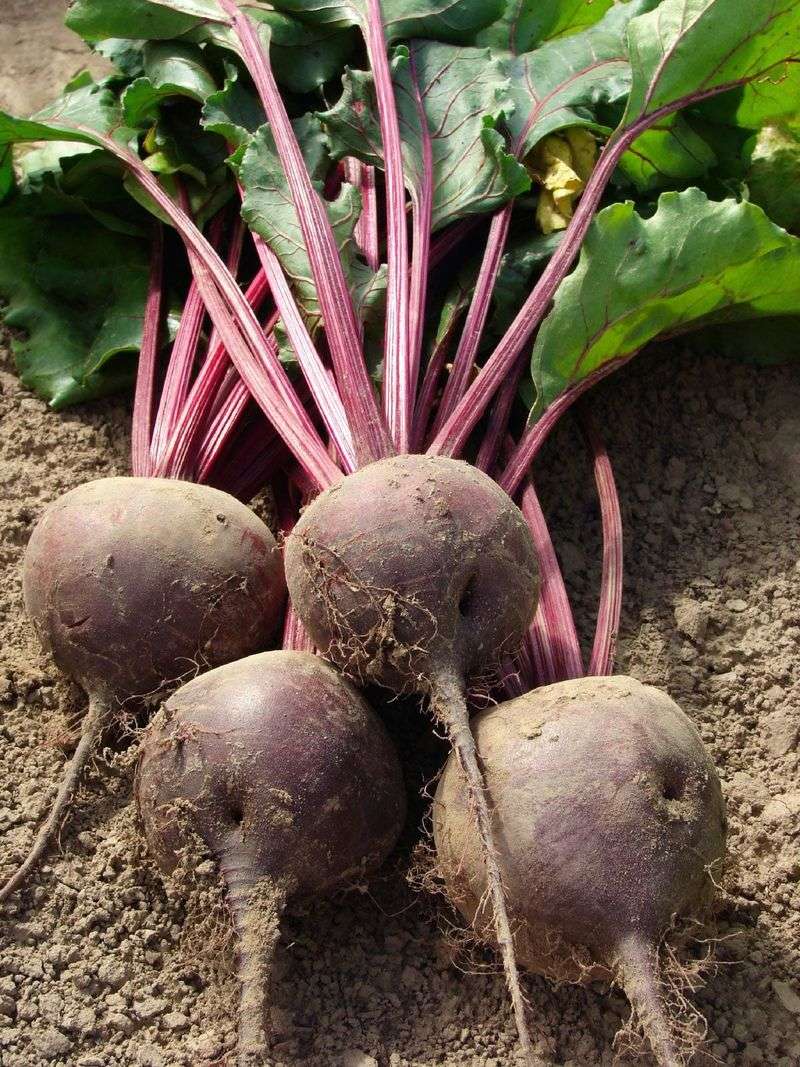
Patience matters, but so does timing. Most beets taste best when the roots are 1.5 to 3 inches wide.
Pull too soon and they’re small. Wait too long and they can turn woody and tough.
Gently brush soil away from the top of a root to peek at its size. Start harvesting the biggest ones first, which gives the rest more room to grow.
14. Keep Weeds Out of the Bed
Weeds are sneaky thieves. They grab water, food, and sunlight that your beets need.
Pull weeds while they’re small, by hand, so you don’t damage shallow beet roots. Deep hoeing near the plants can do more harm than good.
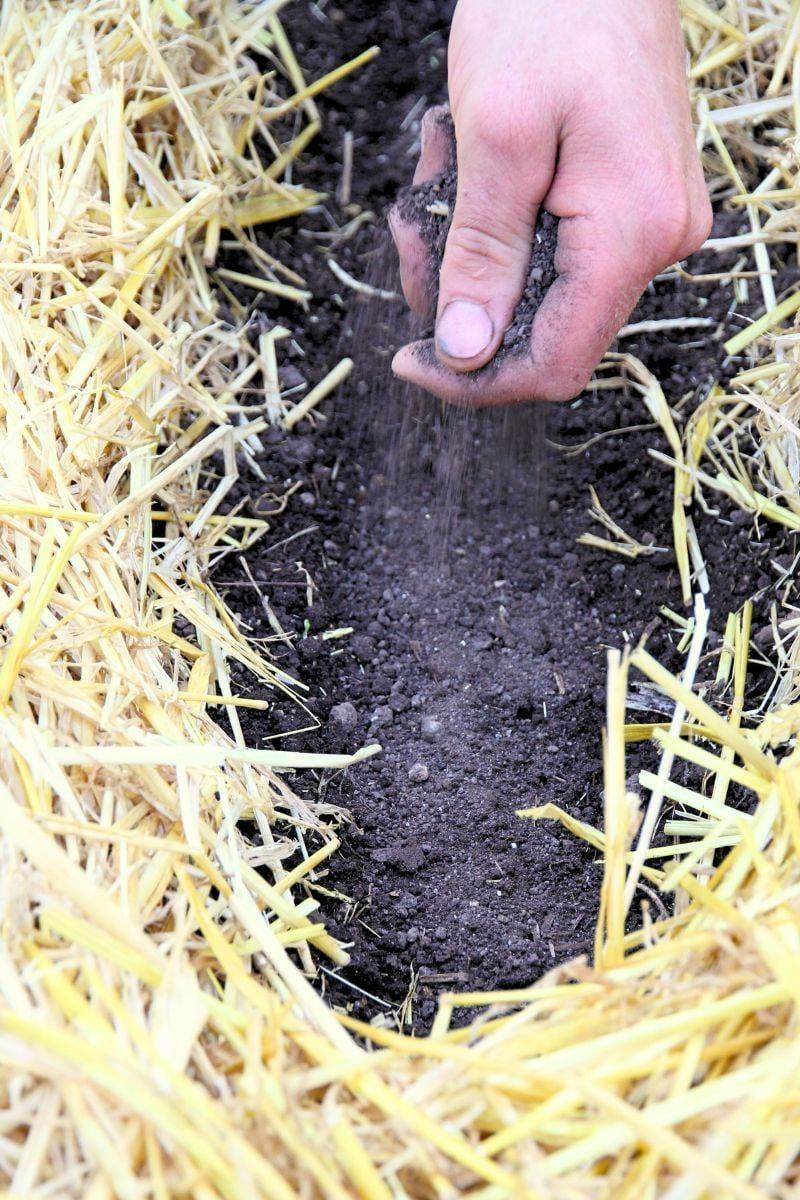
A layer of straw or shredded leaves helps block weeds and keeps soil moist. It’s a simple step that saves time all season.
15. Use Deep Enough Containers
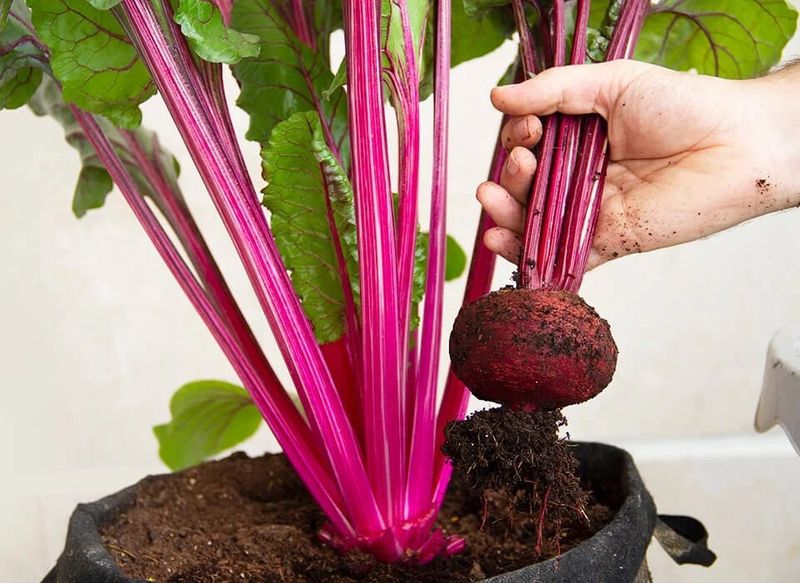
Growing beets on a patio? Your container might be the reason roots stay small.
Choose pots at least 12 inches deep so roots have room. Shallow trays crowd them fast.
Fill containers with loose potting mix, not garden soil, and water often, since pots dry out quickly. Fabric grow bags work great for beets.