
When to Seal Your North Carolina Home Against Brown Marmorated Stink Bugs
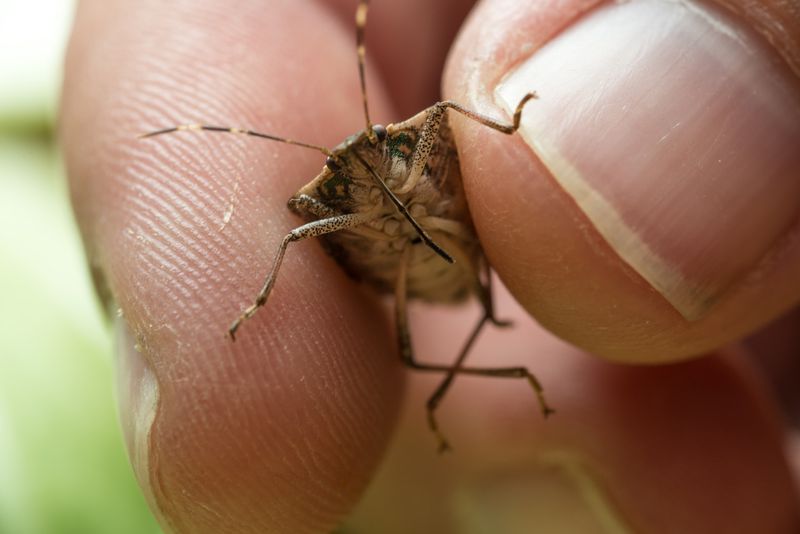
Stink bugs on a sunny wall or crawling across a window can make any homeowner want to grab the caulk gun. But the best timing for sealing up a house is not what most people expect.
In North Carolina, one species in particular causes most fall home invasions, and the right fix depends on the season. Here is how to handle the bugs you see now and plan the work that really keeps them out.
Late October is not the time to seal the house
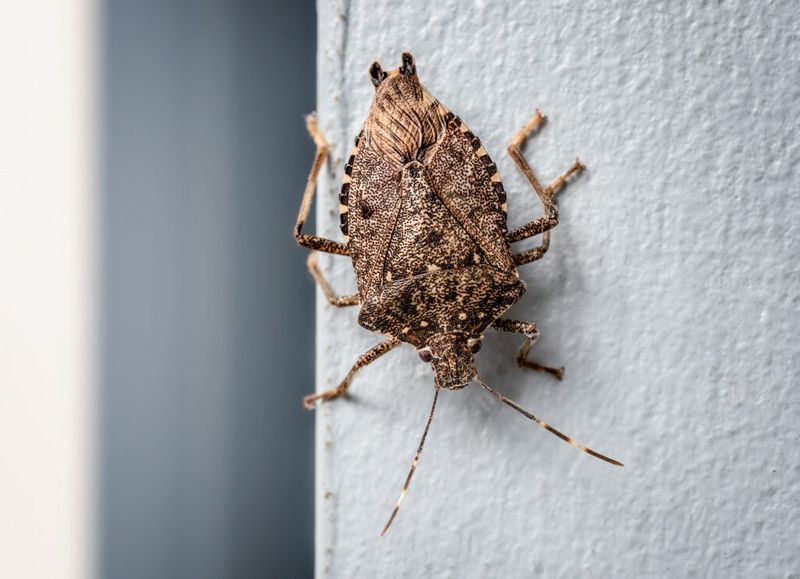
Brown marmorated stink bugs (BMSB) do look for shelter in buildings in the fall, and NC State Extension describes September and October as a common time for home invasions in the state. That seasonal pattern is real.
A late-October sealing deadline, however, is not something North Carolina guidance supports.
In fact, NC State Extension advises against bug-proofing in fall, winter, or early spring. Caulking up gaps while bugs are already tucked inside or arriving can lock them in the house.
Bugs trapped that way may wander toward lights and living spaces instead of heading back outdoors.
The better order of events looks like this. First, let any overwintering bugs leave on their own in spring.
Next, inspect the house and seal genuine entry gaps in summer. Finish before the bugs begin returning in late August.
So the fall invasion period and the best sealing window are two different things. Fall is when bugs show up and look for shelter.
Summer is when you can fix the openings without sealing anyone inside.
This does not mean you are stuck with a houseful of insects until then. The next sections cover how to tell which stink bug you have, how to remove the ones you can see, and how to plan next summer’s repairs so they actually pay off.
Not every stink bug at the house is the same
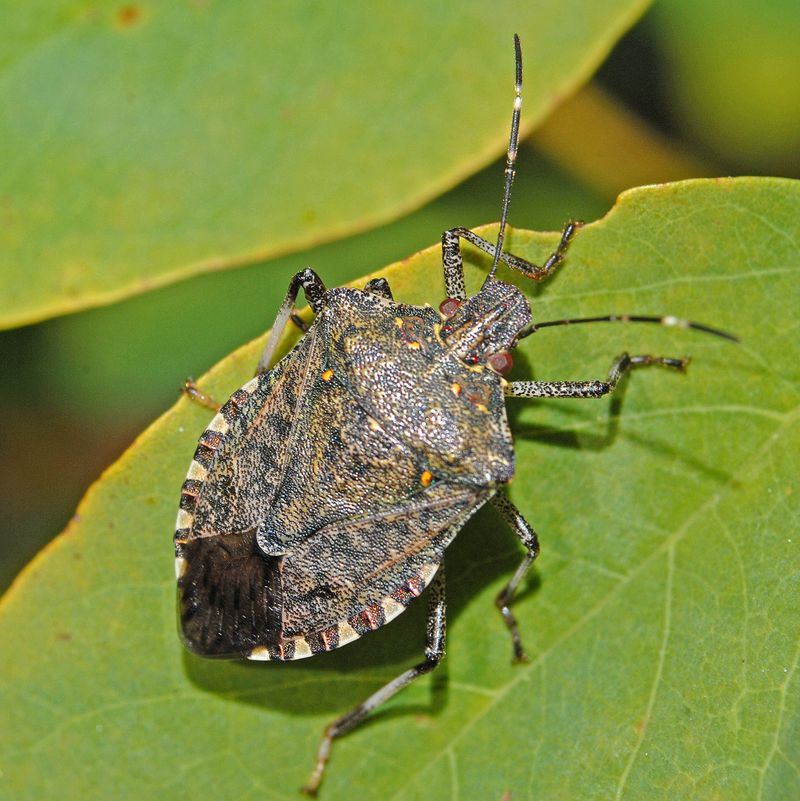
“Stink bug” is a loose label. North Carolina has several native species that can look a lot like BMSB, and many of them do not spend the winter inside structures.
Seeing one on a tomato plant or porch rail does not mean a house invasion is underway.
The fall building advice in this article is about BMSB specifically. Before you change anything about your home, try to confirm what you are looking at.
A clear photo sent to your local Cooperative Extension office is a good way to get an answer.
It also helps to know how common BMSB is where you live. NC State Extension reports that BMSB had been confirmed in 80 of the state’s 100 counties as of March 2026.
Prevalence varies by region, though, with lower levels reported in the Coastal Plain than in the Piedmont and the mountains.
That means a homeowner in Asheville or Greensboro may have a stronger reason to watch for BMSB than someone near the coast. Even so, a confirmed county does not guarantee bugs at every house.
If you grow vegetables, fruit trees, or ornamentals, you may see several kinds of stink bugs during the season. Treat each sighting as a chance to identify, not a signal to start sealing or spraying.
They overwinter as adults, not as a new generation in the walls
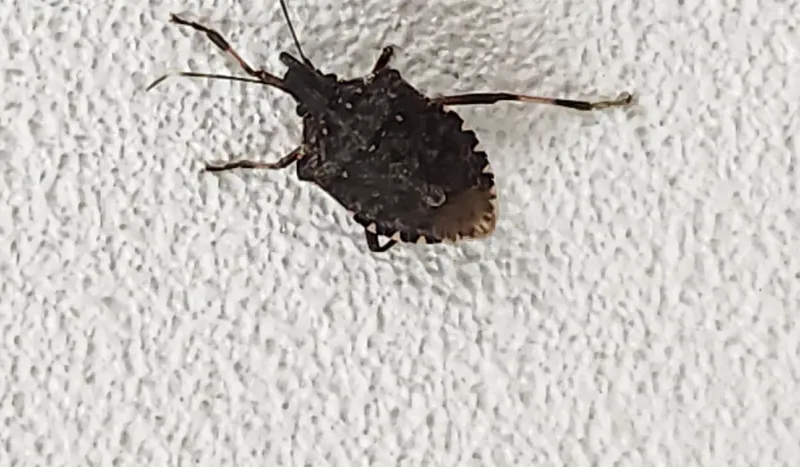
When days shorten and temperatures drop, adult BMSB look for protected places to wait out the cold. Rock crevices, tree bark, and buildings can all serve.
A wall void or attic offers just the kind of sheltered spot they seek.
Inside, they settle into a low-activity state. According to NC State Extension, they do not feed or lay eggs while overwintering.
They generally leave their shelters in spring, then mate and lay eggs on plants outdoors.
That clears up a common worry. Bugs sitting in your walls are not multiplying there all winter, so there is no hidden population boom building behind the siding.
You may still see adults indoors on a warm winter day or as spring arrives. A few bugs may be roused by heat and wander into rooms.
Their appearance simply means the adults that came in last fall are waking up and looking for the way out.
A practical clue is timing. Adults that appear in late winter or spring and are slow-moving are almost certainly the same ones that entered earlier.
Younger, smaller bugs on your garden plants in summer are a separate matter, since those hatched outdoors.
Capture and remove the bugs already indoors
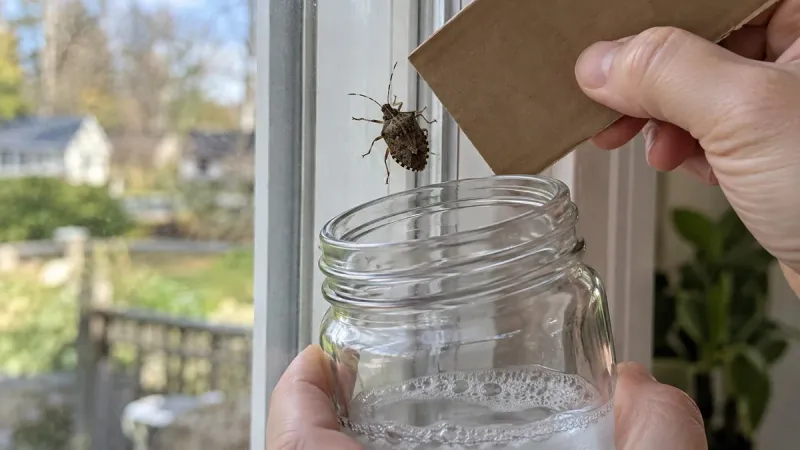
Bugs you can see are the easiest ones to deal with. NC State Extension recommends capturing and disposing of them rather than treating the house.
The simplest method uses a jar or bottle. Slide it over the bug, nudge it in, and put the lid on.
Then place the container in the freezer to kill the bugs, or tip them into a bowl of soapy water, where they will drown.
A dedicated handheld vacuum is another choice, as long as you use it only for this job. Once you have collected bugs, freeze the vacuum’s container so the insects do not crawl back out or leave odor in the machine.
Try not to crush or squeeze them. Stink bugs release their familiar smell when they are agitated, so slow, gentle handling keeps the odor down.
A quick tip is to work in the morning or evening when bugs are sluggish.
Check places where they tend to gather, such as sunny window sills, curtains, light fixtures, and the tops of door frames. A daily sweep during the fall arrival period can keep numbers low without any chemicals, and it keeps the focus on the bugs you can reach rather than the ones you cannot.
Save exclusion work for the summer window
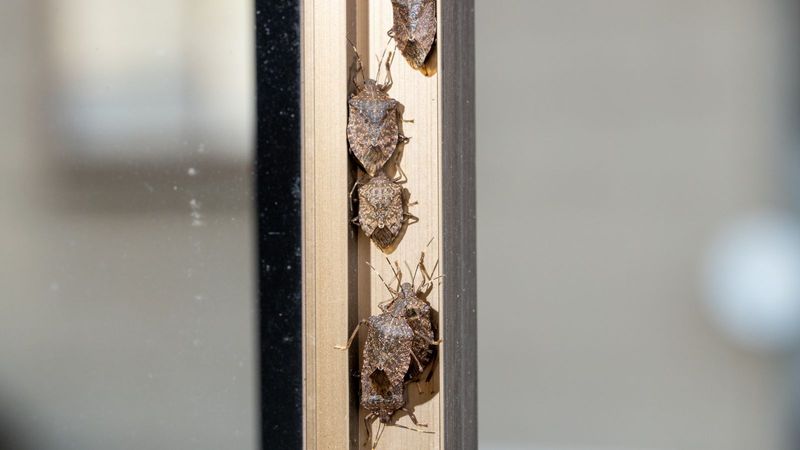
Think of summer as repair season. After overwintering bugs have gone outdoors and before they return in late August, you can fix real gaps without sealing any bugs inside.
Start with a slow walk around the house. Look at windows and doors, attic louvers, screens, and places where utility lines or pipes enter the walls.
NC State Extension notes that adults can squeeze through an opening as small as 3 by 7 millimeters, which is roughly the width of a thin pencil lead by a bit under a third of an inch.
For genuine gaps, options include weatherstripping on doors and windows, caulk for stationary cracks, and foam sealant for larger openings around pipes and lines. Repair torn screens and check that attic and soffit vents are covered with intact screening.
Gaps near siding can be entry routes, but be selective. Not every seam in a wall should be filled.
Many wall systems rely on built-in drainage cavities and weep openings to let water escape, as Building Science Corporation explains in its rain control guidance.
Plugging those openings can trap moisture behind the siding and cause rot. If you are unsure whether a gap is an entry point or part of the drainage design, ask a qualified contractor before you caulk.
A smaller number of well-chosen repairs beats a house sealed from top to bottom.
Indoor sprays are not a dependable shortcut
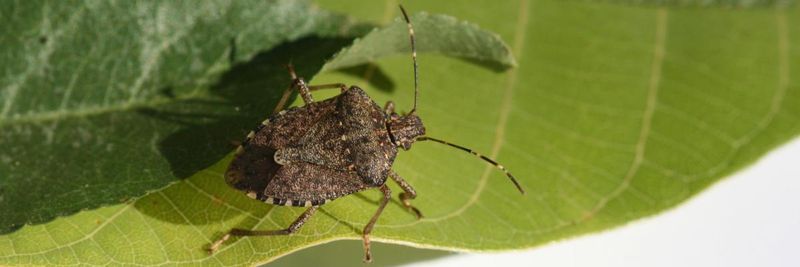
When bugs keep turning up, reaching for a spray feels natural. Unfortunately, the National Pesticide Information Center says indoor pesticide use often does not work against stink bugs.
New bugs can keep appearing no matter how much you spray.
Outdoor treatments have limits too. UC IPM notes that exterior sprays may break down within days, so they may not last through a long arrival period.
You do not need to spray to handle stink bugs in your home.
There are also downsides inside the house. NC State Extension cautions that sprays can contaminate living areas.
It also warns that bugs killed in hidden spaces like wall voids or attics can attract other pests that feed on dead insects.
If you still decide to consider a product, read the label first and follow it exactly. The label tells you where the product may be used, how much to apply, and what precautions to take around kids, pets, and food areas.
For most households, steady removal of visible bugs and summer repairs to real gaps do more good than a spray bottle ever will. They also keep your yard safer for the pollinators, birds, and other wildlife you want around.
Use this fall to plan a summer seal-up
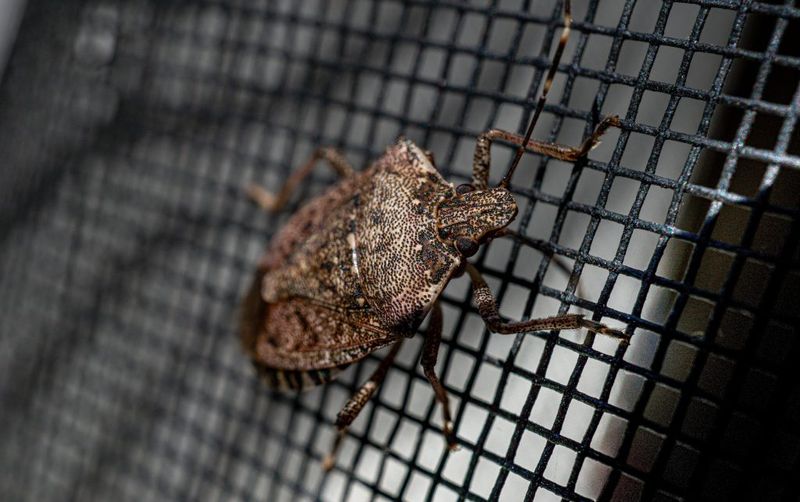
For now, pick up the bugs you see, skip the caulk, and put the spray away. Then mark next summer on your calendar for a walk around the house, checking real entry gaps before late August.
Leave weep openings and drainage cavities alone, as building science guidance advises.
Keep in mind that this plan targets BMSB, not every stink bug in your yard.
The best time to keep bugs out is when they are not trying to get in.