
Why Your Jade Plant Drops Leaves The Moment The Heat Comes On, And The Simple Fix That Stops It
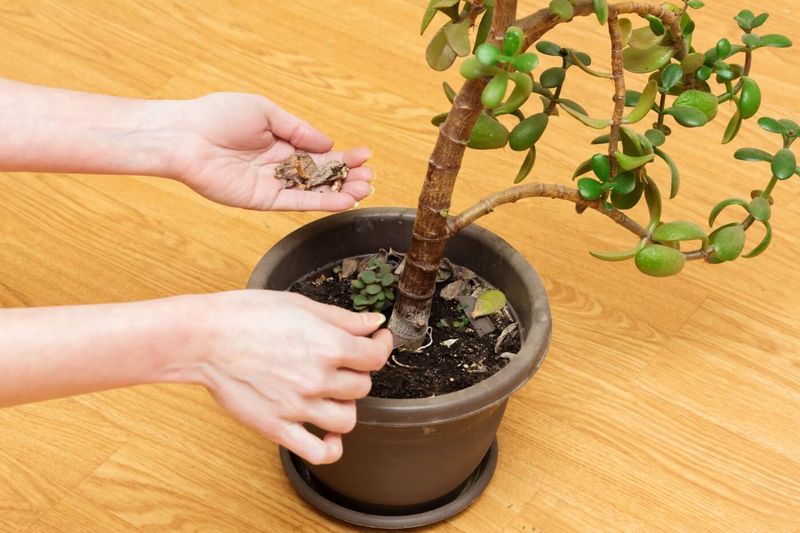
Few things worry a plant owner like finding fat green jade leaves on the floor in the middle of winter. It is easy to blame the heater and assume you have hurt your plant.
The real story is more mixed, and it starts with a few simple checks you can do today. Once you know what to look for, you can make a calm plan instead of guessing.
A heater does not automatically make a jade plant drop leaves
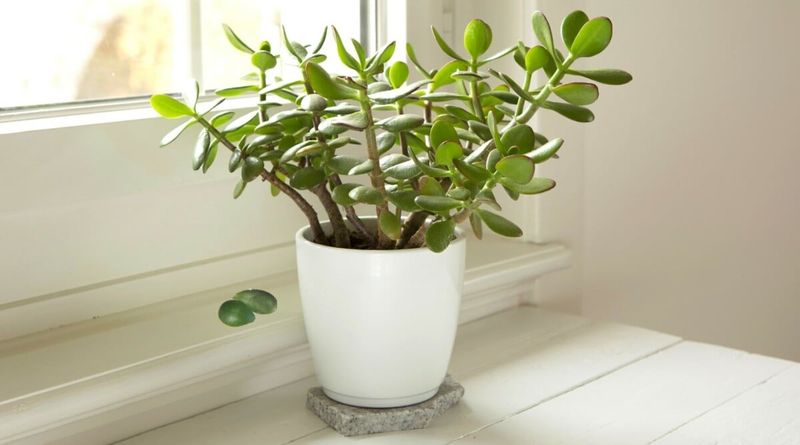
Here is the good news first: your jade plant is built for dry air. The Chicago Botanic Garden says jade thrives in low humidity, and the New York Botanical Garden considers average household humidity adequate.
So the dry room air that comes with winter heating is not a strong standalone explanation for dropped leaves.
That does not mean the heater is off the hook in every case. Dry room air and a blast of hot air are two different things.
University of Arizona Extension notes that heating can dry plants quickly and that plants set too close to air registers can be damaged. A pot sitting right in the path of a vent, or a sudden jump in temperature, can stress a plant in a way ordinary dry air does not.
Timing is also a trap. If leaves fell around the same week you turned on the heat, it is tempting to call that proof.
But many things shift in winter at once, including light, room temperature, and how often you water.
Think of the heater as one suspect among several. Before you change anything, look at the plant itself, starting with the soil, the drainage, the roots, and the light.
The next sections walk through each check.
What else changed when the leaves began to fall?
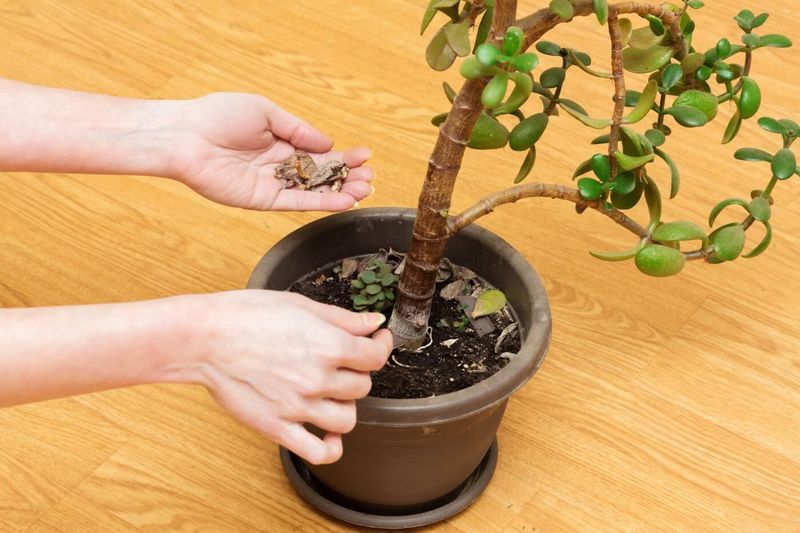
Leaf drop is a symptom, not a diagnosis. Your jade is telling you something changed, but not what.
UC IPM’s houseplant guidance lists sudden changes in light, temperature, or humidity among possible triggers, along with both overwatering and excessive dryness.
Try a quick look back over the past few weeks. Did you move the pot to a new spot?
Are the days shorter, so the plant gets less sun than it did in summer? Did the room get warmer or colder, or did your watering habits change when the season did?
Next, look at how the leaves are falling. The New York Botanical Garden’s jade guide separates ordinary aging from excessive loss.
A few of the oldest, lowest leaves dropping now and then is normal. Heavy shedding across the whole plant, or new growth that stalls, deserves a closer look.
Notice the leaf color too. Yellowing, shriveling, or mushy leaves each point in a different direction.
Write down what you see, then move on to the soil and the base of the plant, because that is where the most useful clues usually are.
Persistently wet soil can point to root or stem rot
It is tempting to think that a plant dropping leaves must have healthy roots if you have been caring for it. That is not a safe assumption.
The Pacific Northwest Plant Disease Management Handbook explains that overwatering can lead to root or stem rot in jade, which can cause yellowing and defoliation.
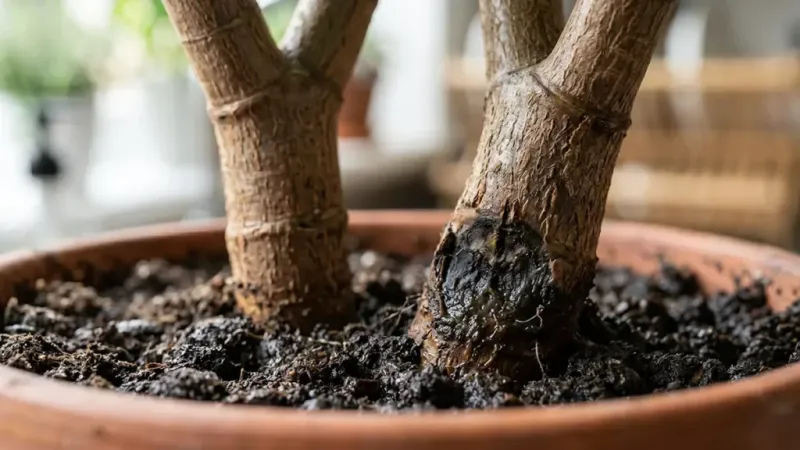
Certain signs fit together. Soil that stays wet for days, yellowing leaves or heavy leaf loss, and roots or stems that look brown and feel soft or mushy are all consistent with rot.
None of these alone proves it. A fallen leaf by itself tells you very little.
So look before you act. Touch the soil a couple of inches down and see if it is still damp long after your last watering.
Check the base of the stem for darkening or softness. If you are comfortable doing so, slide the plant out of its pot and examine the roots.
If the plant is sitting in waterlogged soil, the handbook advises repotting into fast-draining media. That is a response to what you find, though, not to a single dropped leaf.
If the soil is dry and the roots look firm, rot is less likely, and you can look at other causes.
Check the mix before you water again
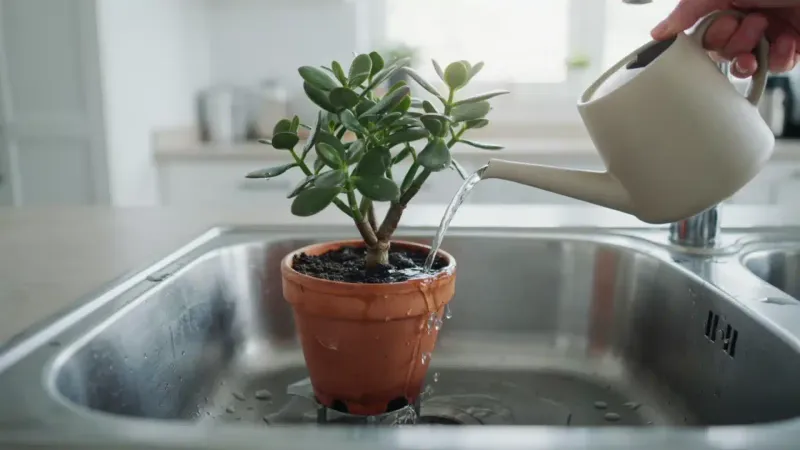
When leaves drop, the urge is to reach for the watering can, or to put it away for good. Neither is a safe default.
Both overly dry soil and overwatering can go along with leaf loss, so let the soil answer the question. Push a finger deep into the mix, or use a wooden skewer, and see whether it is dry or damp.
Jade likes to dry out between waterings. NC State Extension’s plant guide recommends letting the soil dry between drinks, cutting back in fall and winter, and using a well-drained mix.
If the mix is dry all the way through, a thorough watering makes sense. If it is still damp, wait.
Drainage matters as much as timing. Your pot needs a drainage hole, and any water that collects in the saucer should be emptied so the roots are not sitting in it.
A heavy, water-holding potting soil can keep roots wet even when you water sparingly.
Water temperature is a smaller detail. The New York Botanical Garden notes that very cold water can shock jade, so use room-temperature water.
That is worth doing, but it is unlikely to explain every case of leaf drop. If the mix, pot, and schedule all look right, move on to location and light.
Move the plant out of the vent’s path and keep its light bright
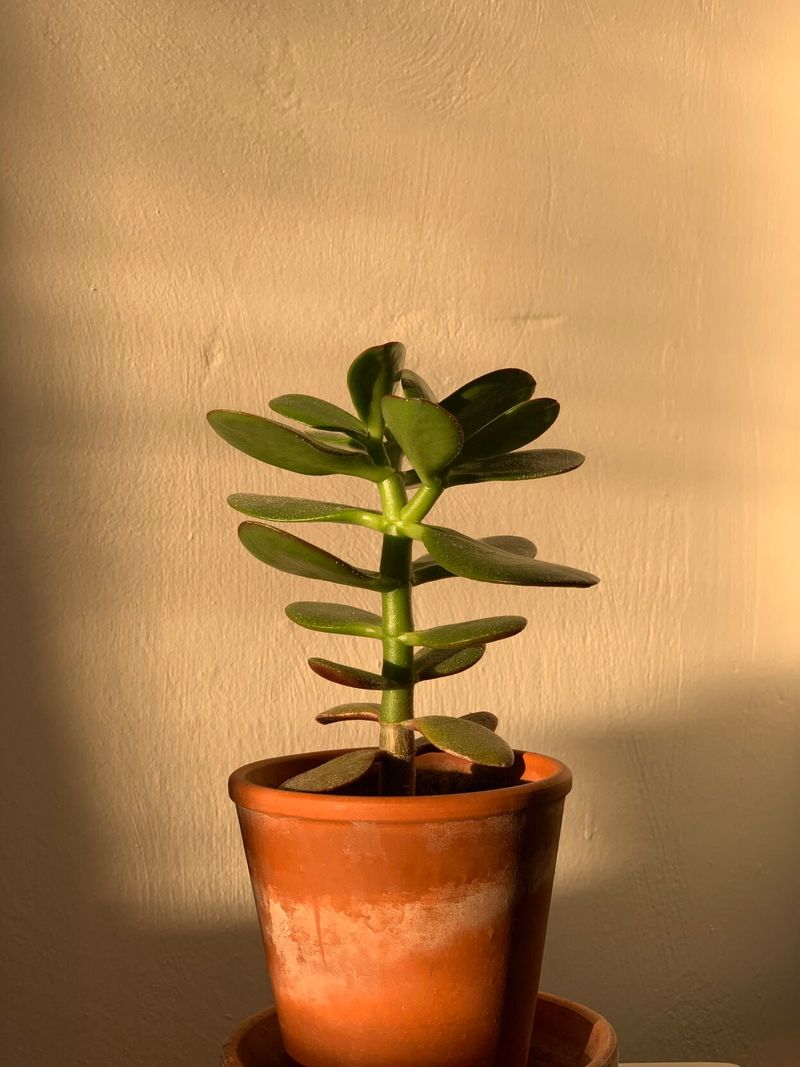
If your pot sits right above a heater vent or in the line of a hot air stream, moving it is a sensible step. The University of Arizona Extension guide describes how plants placed too close to air registers can be damaged.
Shifting your jade a few feet to the side keeps it out of that direct blast. You do not need a humidifier or a misting routine, since average household humidity is adequate for jade.
Light is the other half of the picture. NC State Extension identifies bright light as important for jade health, and the New York Botanical Garden notes that too little light can produce weak, misshapen growth.
A bright window is usually a better home than a dim corner, especially in winter when the sun is lower.
Go slowly, though. If you move the pot, repot it, and change your watering all in one weekend, you will not know which change helped or hurt.
Fix the problem your checks actually found, then wait and watch.
Keep the move gentle too. A sudden swing from dim to very bright, or from warm to cold, is its own kind of stress.
Nudge the plant to its new spot and leave it there.
Give the plant time to show whether the changes helped
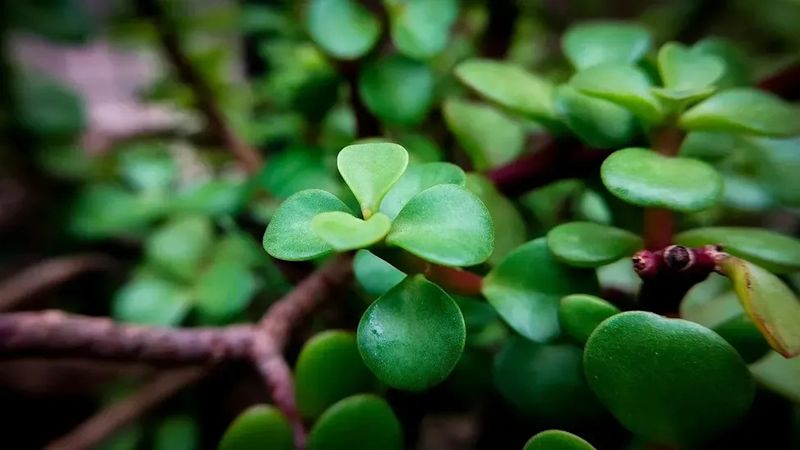
Once you have corrected what your checks revealed, the job becomes watching. Keep an eye on soil moisture and look for fresh growth at the branch tips.
A few old lower leaves dropping is normal, and the New York Botanical Garden notes that replacement growth after leaf loss may be slow.
No single change guarantees leaf drop will stop right away. A jade that recovers on its own schedule is still recovering.
Patience, and a dry finger test before each watering, will serve it better than panic.