
What To Do Right After Fire Ants Sting You In Your North Carolina Yard, And Why Those White Pustules Should Stay Unpopped
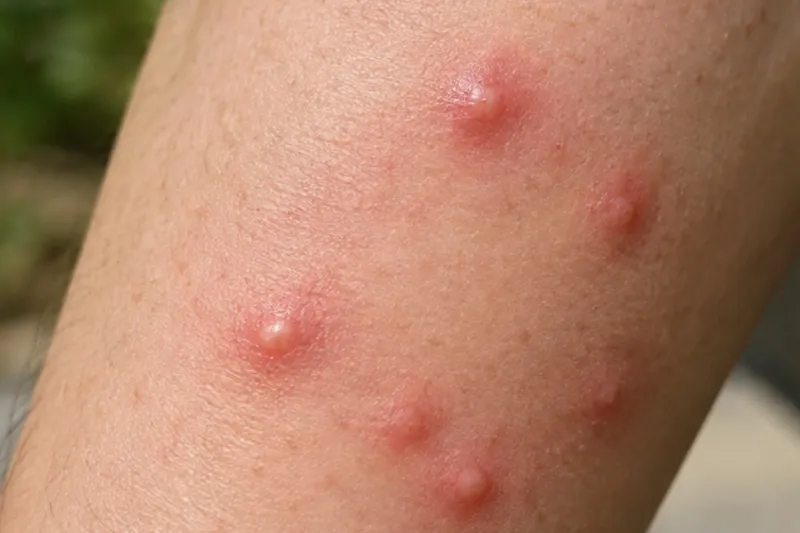
You are weeding the tomato bed or mowing near the fence when a burning pain shoots up your ankle. Fire ants have found you, and they are not shy about it.
The next day, small white bumps may show up and beg to be popped. What you do in those first minutes and hours can make recovery much smoother.
What to do in the first few minutes
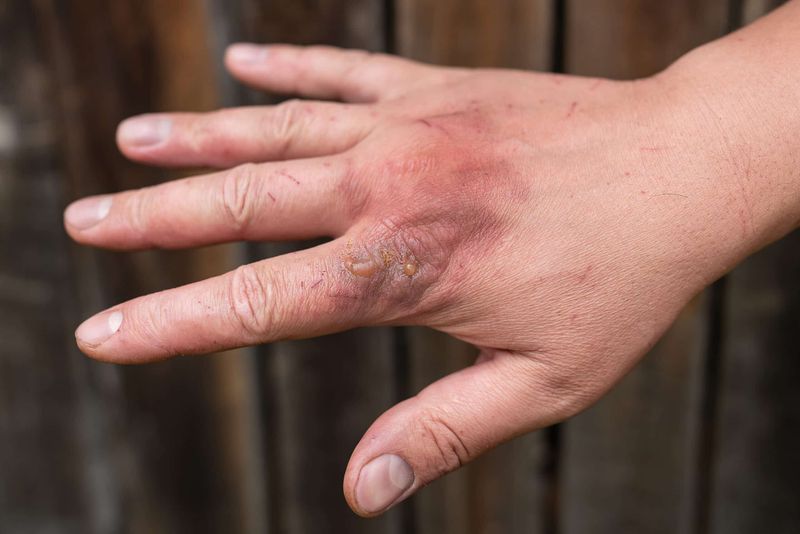
Speed matters more than anything else here. Fire ants can sting again and again, so the first job is to get out of the area.
Step well away from the mound, even if the burning has you hopping around.
Next, get the ants off your skin. Poison Control advises brushing them off promptly, and a quick swipe with a hand or cloth works.
Check your socks, shoe tops, and pant cuffs too, since ants love to hide in fabric folds. Brush briskly, because ants that are still clinging can keep stinging.
Once the ants are gone, head inside or to a hose and wash the stung skin with soap and water. This clears away dirt from the yard and gives you a clean starting point.
Pat the area dry with a clean towel instead of rubbing.
Then apply a cool compress. A washcloth soaked in cold water or a cloth-wrapped ice pack can take the edge off the burning and swelling.
Hold it on the area for several minutes, and keep a cloth between ice and skin so you do not irritate it.
Many North Carolina yards have fire ant mounds tucked into sunny lawn edges, garden beds, and along driveways. Once you have treated the sting, note where the mound sits so everyone in the family can steer clear.
Kids and pets are often the next victims, so a quick heads-up goes a long way.
What the next-day white pustule means
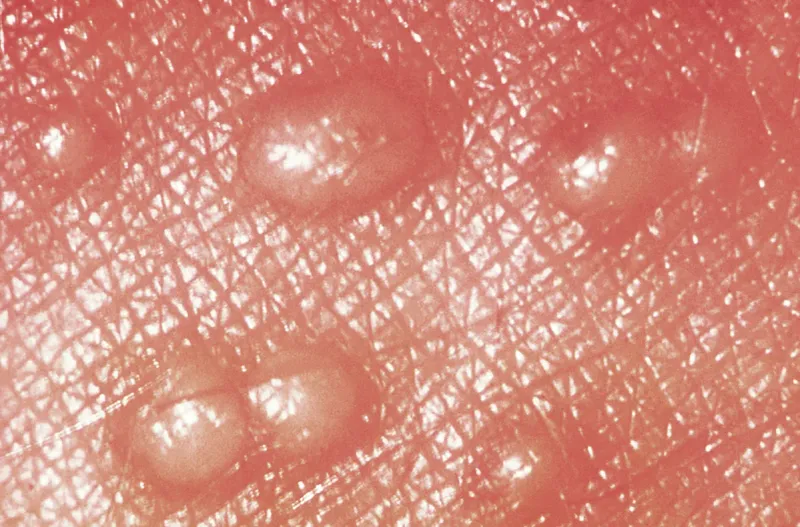
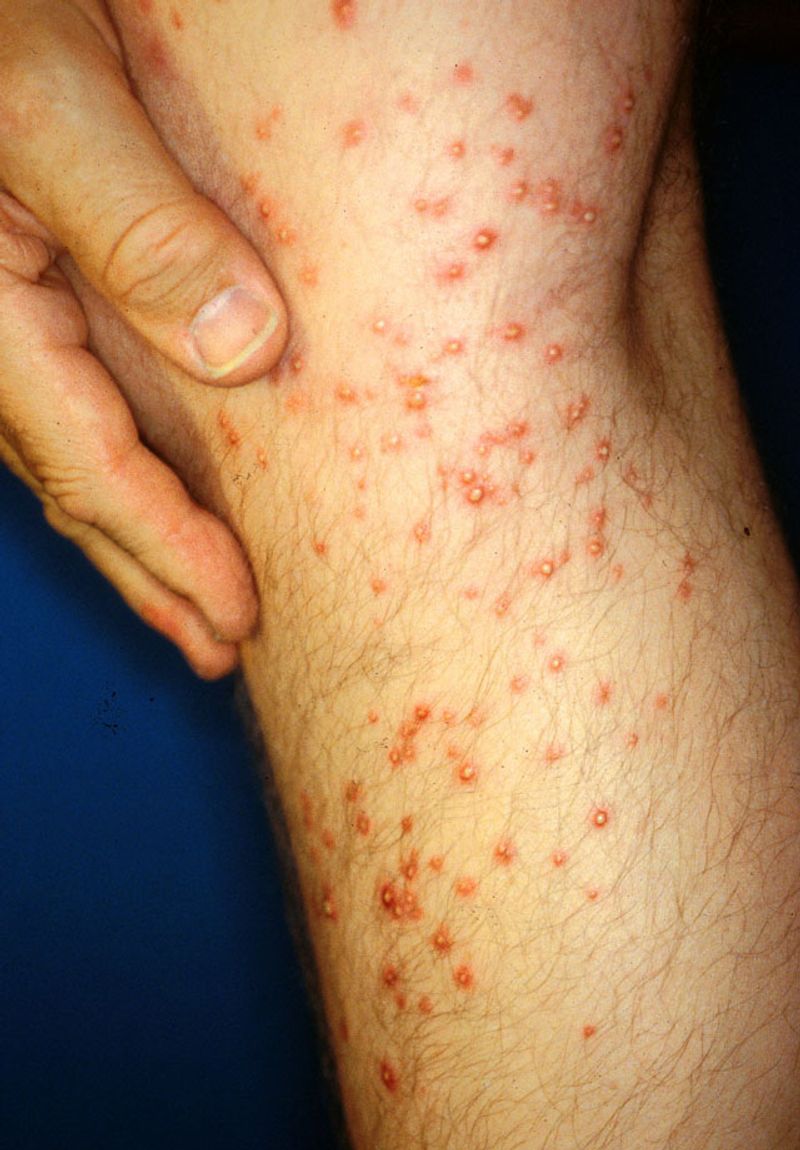
Picture this: the sting burned like crazy yesterday, and this morning there are little white bumps where it happened. That is a familiar story for anyone who has met red imported fire ants.
NC State Extension says these ants are present in North Carolina, so it is a risk worth knowing about in your own yard.
The usual pattern starts with pain and redness. Over roughly 6 to 24 hours, an itchy, white or pus-like pustule commonly forms at each sting site.
Strictly speaking, these are pustules, not blisters, even though many people call them blisters.
Here is the reassuring part. The American College of Allergy, Asthma and Immunology describes these as part of the body’s reaction to the venom.
A clinical overview in StatPearls also describes fire ant pustules as typically sterile, meaning no bacteria are driving them.
So a white, pus-looking bump does not prove the sting is infected. It looks alarming, but it is usually just what venom does to skin.
Redness and itching around it during the first day are also common and are not automatic signs of trouble.
Knowing this helps you stay calm and resist the urge to do something about the bump. Your skin is handling the venom on its own schedule.
Why you should leave the pustule alone
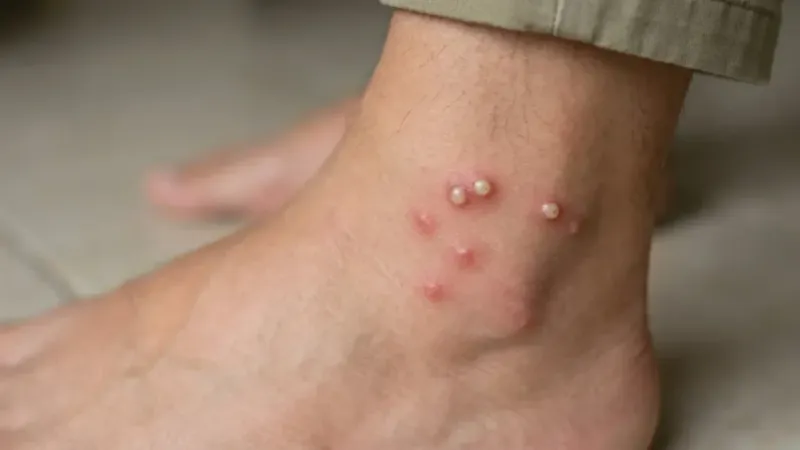
Squeezing a pustule feels satisfying for about two seconds. After that, you have an open spot on your skin, and that is the real problem.
Popping, squeezing, or scratching breaks the skin barrier, and ACAAI guidance points to careful cleaning as a way to help prevent secondary infection.
An open wound gives bacteria from your fingernails and the yard a doorway in. That raises the risk of infection.
It does not make infection certain, and the Merck Manual describes secondary bacterial cellulitis after envenomation as rare.
Think of the pustule as a built-in bandage. Left alone, it dries up and fades over several days.
If the itching tempts you, try tapping the area gently or applying a cool cloth instead of scratching. Trimming fingernails short helps too, especially for kids who scratch without noticing, and a loose bandage can keep little hands away.
If a pustule breaks by accident, do not panic. Gently wash the spot with soap and water, pat it dry, and keep it clean.
A break by itself is not proof of infection, and it does not automatically mean you need antibiotics or a clinic visit.
Ways to ease pain and itching
Comfort is a fair goal, and you have a few easy options. Start with the simplest one.
Poison Control lists a cool compress as a go-to step, and it can soothe burning and puffiness without any medicine.
If the sting hurts, a nonprescription pain reliever may take the edge off. Follow the directions on the label, and think about your own health situation, such as other medicines you take, allergies, or conditions that affect which products are safe for you.
A pharmacist or doctor can help you choose if you are unsure.
For itching, ACAAI says topical corticosteroids or oral antihistamines may help. A hydrocortisone cream applied to the intact skin around the sting is one example.
Again, read the product directions, and check with a clinician before giving these to young children.
None of these products is required for every sting. Plenty of people get through a mild local reaction with washing, a cool cloth, and patience.
Medicine is simply a tool if the discomfort is bothering you.
A few practical tricks help in the meantime. Wear loose clothing over the area, keep the spots clean, and keep your hands busy so you are not scratching.
If you spend evenings on the porch, a cold pack nearby can be a small comfort.
When to get emergency help for an allergic reaction
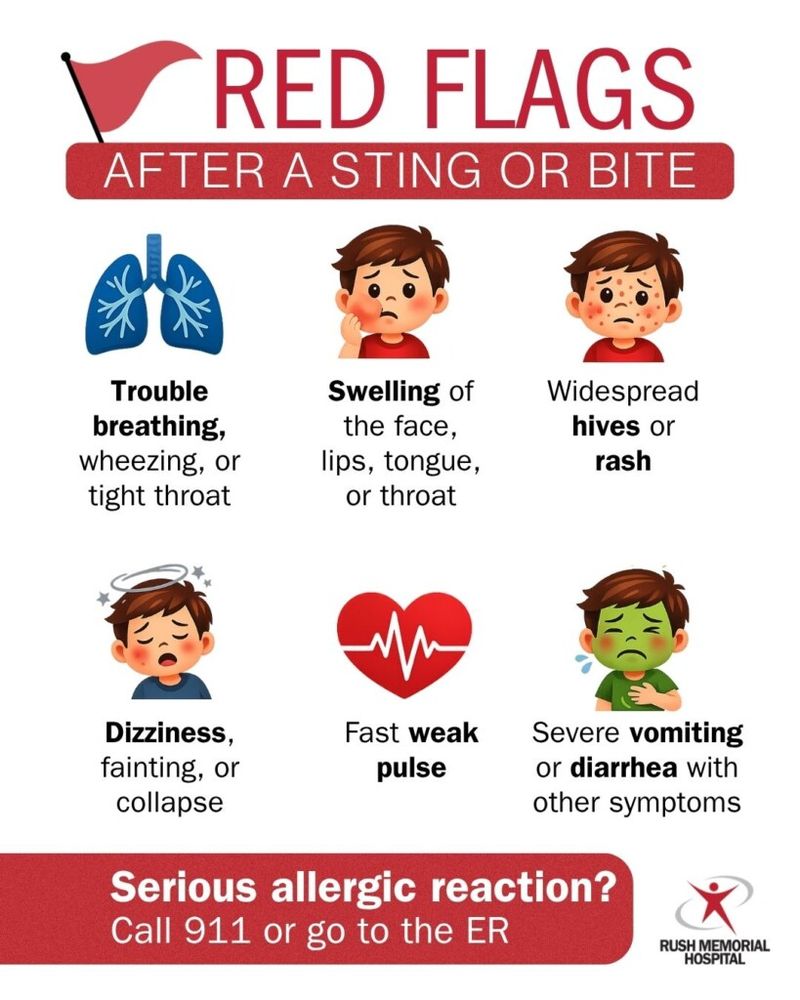
Most fire ant stings stay local, but a small number of people react throughout the body. Knowing the difference can save time when it counts.
Poison Control says to get emergency help for signs of a serious allergic reaction, such as trouble breathing or swelling of the throat.
Other concerning signs include faintness, widespread hives, and swelling of the face or lips. MedlinePlus also covers these warning signs for fire ant stings.
If symptoms like these appear, call 911 right away instead of waiting to see if they pass.
If you have a known severe sting allergy, follow the emergency plan your clinician gave you. That plan may include a prescribed medicine, so keep it where you can reach it when you work outside.
Now the other side. Swelling right around the sting can grow during the first day, and the Merck Manual notes that swelling alone does not establish an allergic reaction.
The more urgent clues are breathing, throat, faintness, or widespread skin symptoms.
Children can be affected too, and HealthyChildren.org offers fire ant guidance written for kids. Watch young ones closely after a sting, because they may not describe how they feel.
When in doubt about severe symptoms, make the call.
When to seek medical advice about the sting
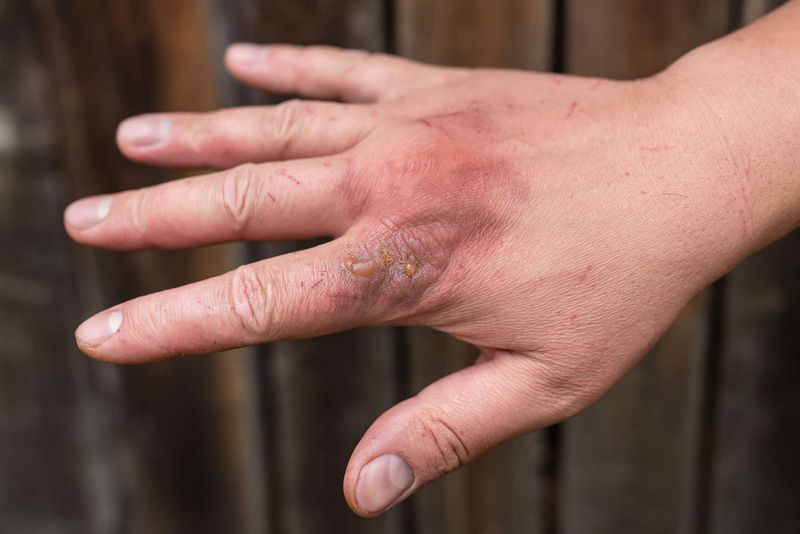
After the first day or two, a sting should slowly calm down. If it does the opposite, it is time to pay attention.
The Merck Manual points to signs that suggest infection: redness and swelling that keep getting worse after the first day or two, pain that increases significantly, fever, or chills.
If you notice those, contact a doctor or other health professional. Infection is possible, particularly if the skin was broken or scratched, but it is far from guaranteed.
Getting advice early simply keeps a small problem from growing.
You should also reach out for a severe local reaction, where the swelling and discomfort are well beyond what you would expect from a typical sting. The same goes for many stings at once.
There is no single magic number, because risk depends on age, body size, symptoms, and overall health, so a child or someone with health conditions may need advice sooner.
Not sure whether what you are seeing is normal? Poison Control offers help at 1-800-222-1222 for non-emergency questions in the United States.
For emergencies like trouble breathing, MedlinePlus guidance still points to calling 911.
A stung ankle is a small price for a good yard. Treat the sting kindly, let the pustule be, and the lawn will still be there when you are ready to head back out.