
Stop Raking Every Leaf Off Your Flower Beds – 13 Perennials That Come Back Stronger When You Leave Them Be
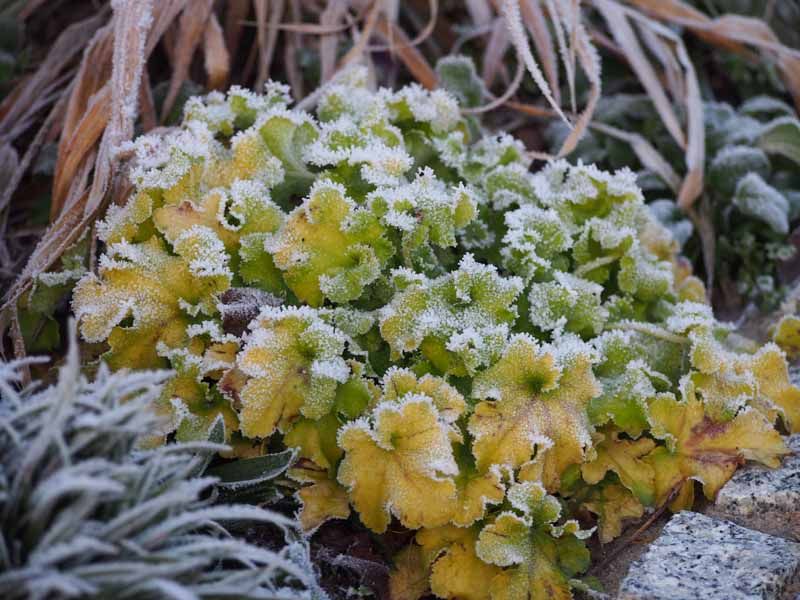
Every fall, lots of gardeners rake their flower beds bare and then wonder why their plants look weak in spring. Those fallen leaves are actually a free winter blanket that keeps roots warm, holds in moisture, and feeds the soil as they break down.
Some perennials depend on that cover more than others, and a few struggle without it. Here are 13 plants that bounce back stronger when you put the rake down and let nature do the work.
1. Hydrangeas
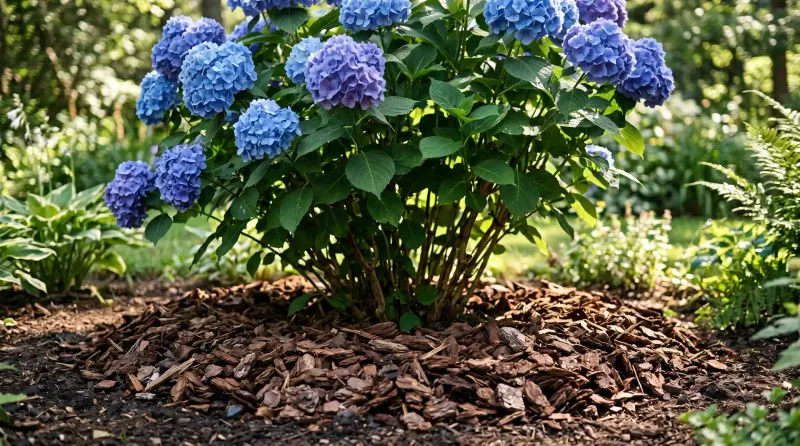
If your hydrangea skipped blooming last summer, winter damage may be the quiet culprit. Many popular bigleaf types set next year’s flower buds in late summer, and a harsh winter can kill those buds before spring ever arrives.
Hydrangeas also have shallow roots that dry out fast in cold, windy weather. A 3 to 4 inch layer of shredded leaves around the base acts like a cozy quilt, keeping soil temperatures steady and moisture locked in.
Wait until after a few hard frosts, then pile leaves around the base without packing them tight against the stems. In spring, pull the layer back a bit as new shoots appear.
It costs nothing and can make the difference between leafy green disappointment and a shrub covered in big, bold blooms.
2. Hardy Geraniums
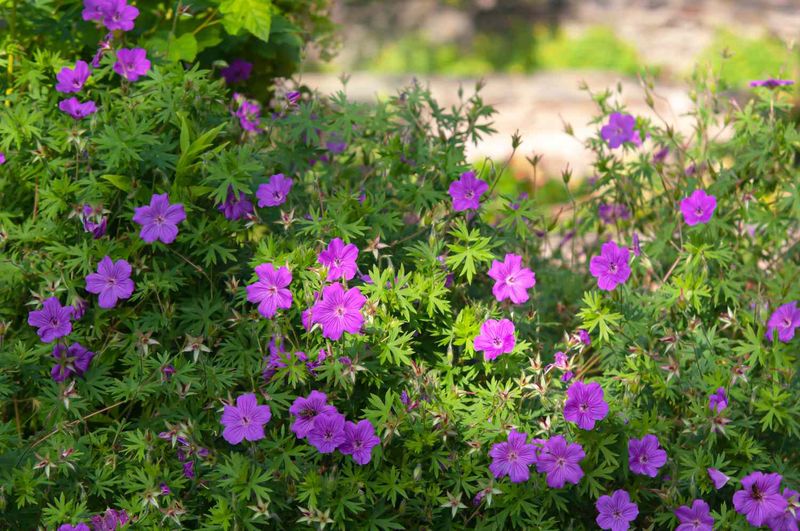
Hardy geraniums are the low-drama friends of the perennial bed. They ask for very little, and one thing they really don’t need is a perfectly tidy fall cleanup.
Their own fading foliage collapses into a natural mulch over the crown, and a light scattering of tree leaves on top adds even more protection. That cover softens the swings between freezing nights and mild afternoons, which helps roots stay settled in the ground.
Come spring, fresh leaves push up right through the old layer. Just tug away any heavy, soggy mats so the new growth gets light.
Not to be confused with the annual geraniums in your porch pots, these tough perennials (Geranium species) are cranesbills, named for their beak-shaped seed pods.
3. Clematis
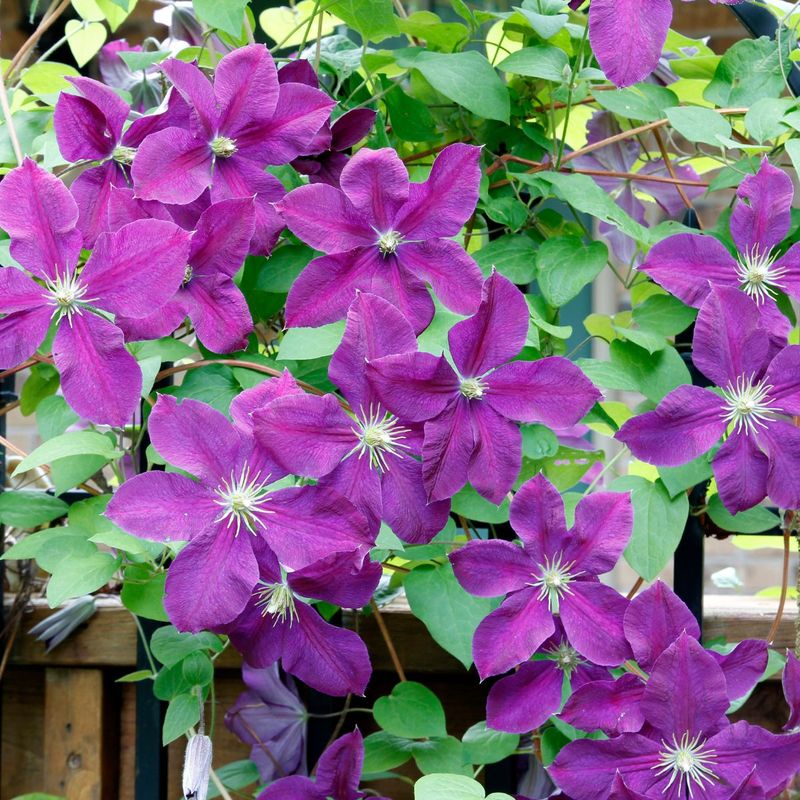
Gardeners have a saying about clematis: head in the sun, feet in the shade. Those feet, meaning the roots, are surprisingly fragile, and winter is when they’re most exposed.
Freeze-thaw cycles can crack the soil and stress the tender root system, sometimes leading to weak or missing spring growth. A thick blanket of leaves, around 4 to 6 inches, shields the base of the vine from drying winds and sudden temperature drops.
Shredded leaves work best here since they won’t blow away or turn into a slimy mat. Keep the pile a few inches from the stems themselves.
When spring rolls around and buds swell along the vine, you’ll likely see a healthier, more eager climber than the one you had last year.
4. Hollyhocks
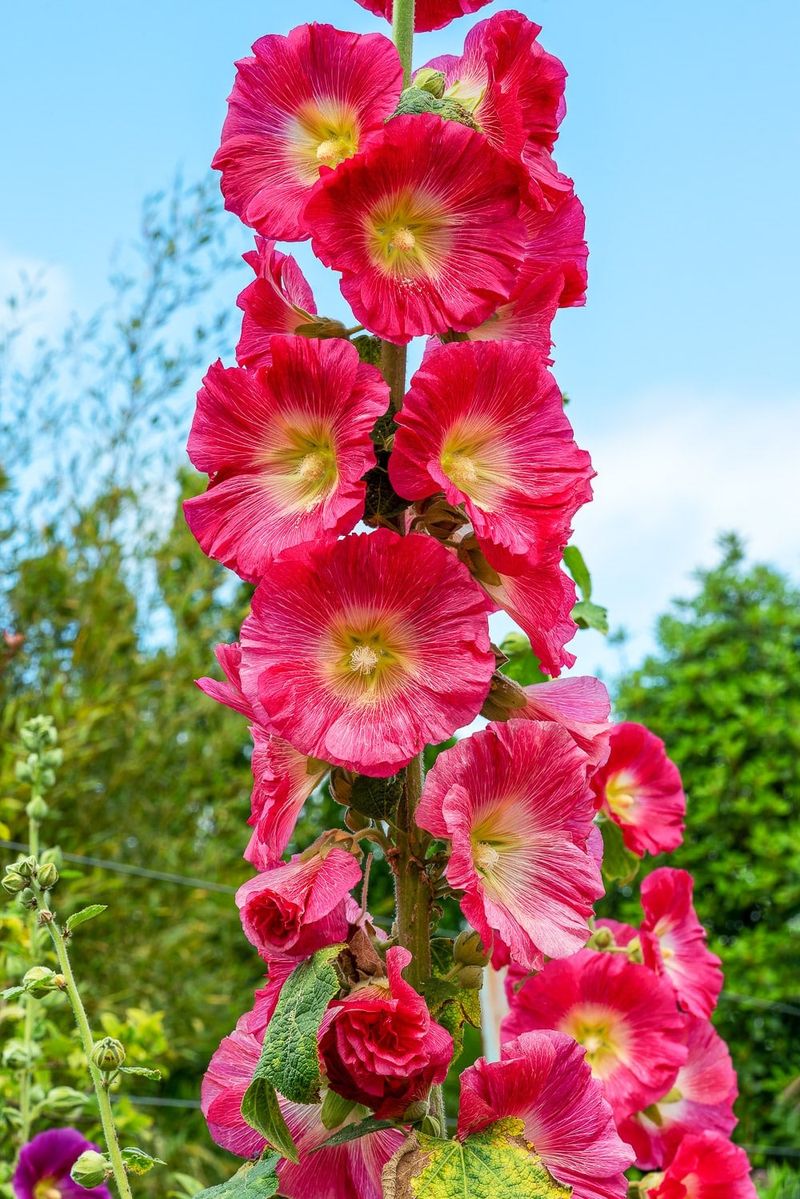
Picture a row of hollyhocks towering along a fence, just like the ones in your grandmother’s yard. Getting those tall spikes back each year often comes down to how the roots spend the winter.
After the bloom season ends, cut the stems down to a few inches. Then tuck a layer of chopped leaves around the base.
That cover protects the long taproot from wild temperature swings and slowly feeds the soil as it breaks down.
Hollyhocks are short-lived perennials, so keeping the existing plants healthy really matters. A bonus: some leaf litter also gives fallen seeds a sheltered spot to sprout, so you may find surprise baby hollyhocks next spring.
Watch for rust on the old leaves, though. Remove any spotted hollyhock foliage before mulching so the disease doesn’t linger.
5. Astilbe
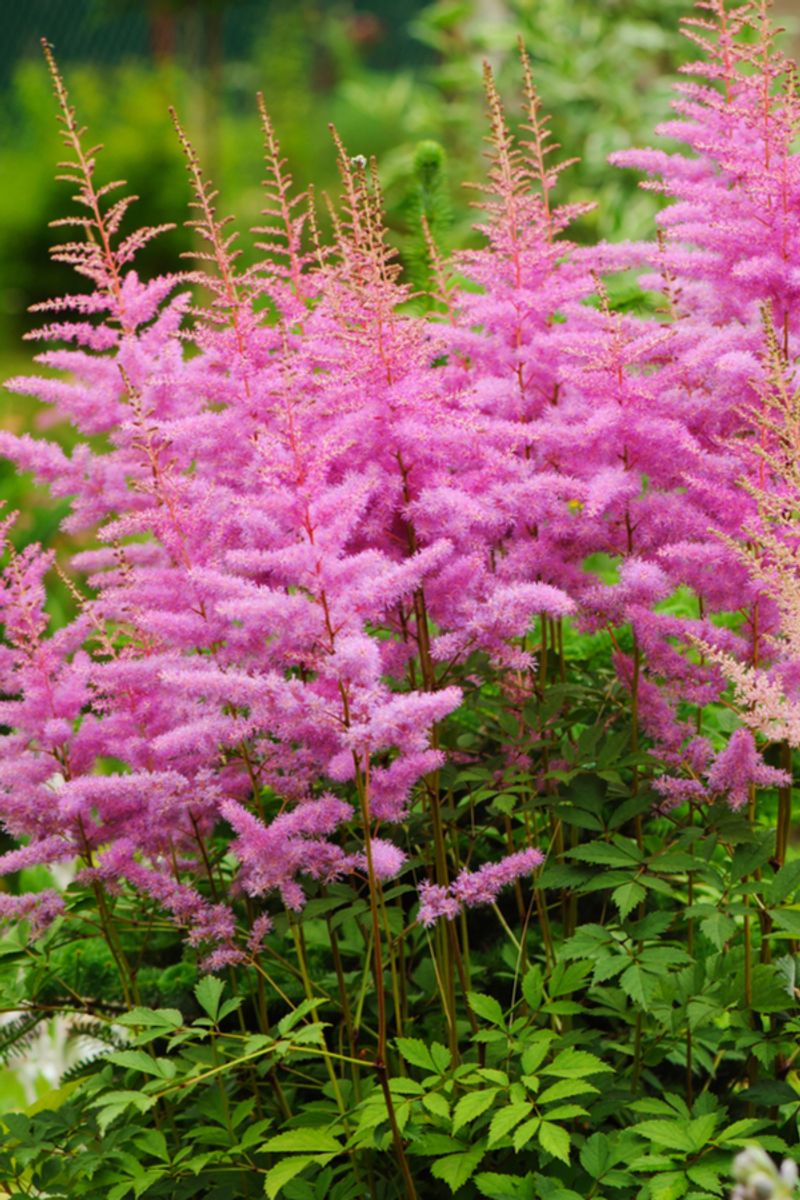
Those feathery astilbe plumes look delicate, and their roots are no different. Astilbe grows in shallow, matted clumps that can heave right out of the soil when the ground freezes and thaws over and over.
A thin layer of shredded leaves helps hold everything in place. Thin is the key word, since too much can smother the crown in this moisture-loving plant.
Another tip: leave the dried flower plumes standing through winter. They catch snow, add texture to a bare garden, and mark where your plants are so you don’t step on them.
Snip them off in early spring, just before the fresh, ferny leaves unfurl.
6. Coral Bells
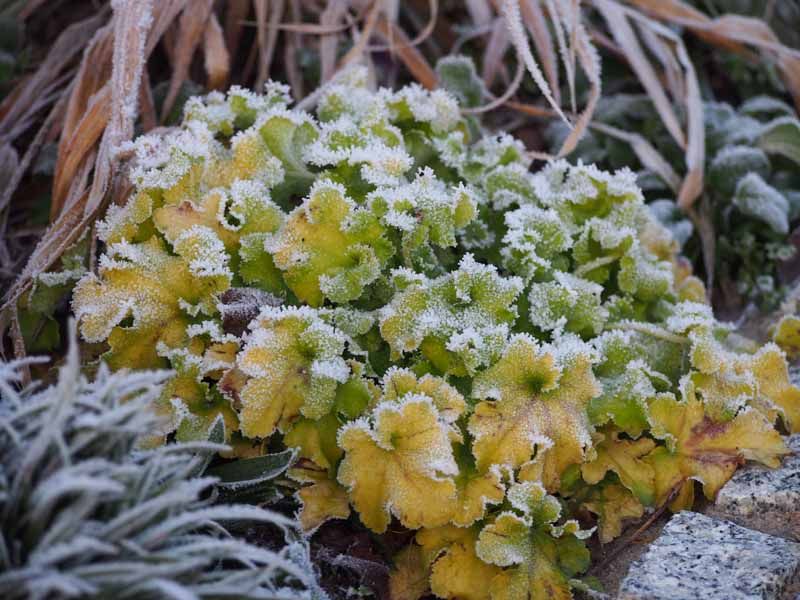
Ever pulled back the mulch in spring and found your coral bells sitting high on the soil, roots showing? That’s frost heaving, and heuchera is one of its favorite victims.
These colorful plants grow from a woody crown that tends to rise over time. A ring of shredded leaves around the shallow roots keeps the soil temperature steadier, which may reduce that upward push.
Many varieties are semi-evergreen, so don’t strip off the old leaves in fall. They protect the crown all winter.
In spring, trim any tattered foliage and press any lifted plants back down, adding a little soil if needed.
7. Hellebores
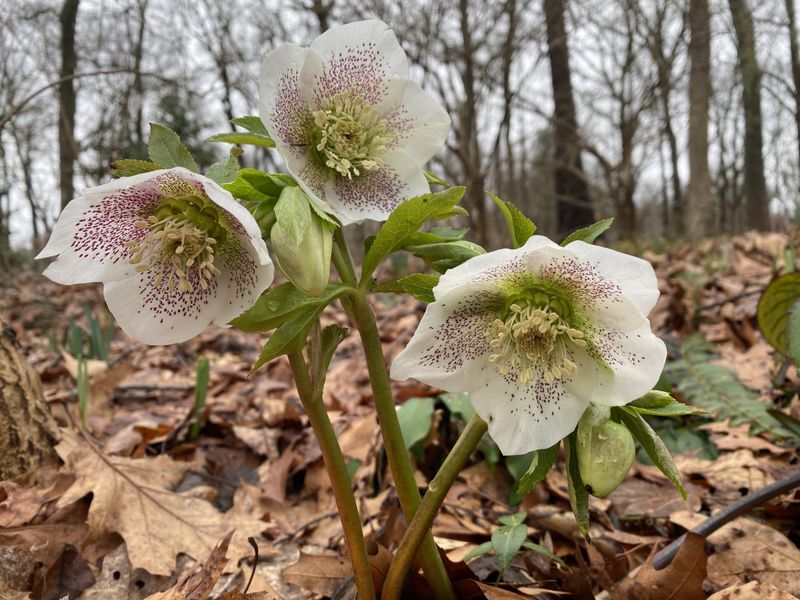
Few plants are bold enough to bloom while snow is still on the ground. Hellebores, nicknamed Christmas rose and Lenten rose, open their nodding flowers in late winter, often poking straight through last fall’s leaves.
Their leathery evergreen foliage naturally shields the developing buds. Fallen tree leaves add an extra layer of insulation and help keep the soil rich and moist, the way it would be on a woodland floor.
In late winter, many gardeners snip off the old, ragged hellebore leaves so the blooms show off. Leave the tree leaves around the base, though.
Fun fact: despite the nickname, hellebores aren’t related to roses at all. They’re in the buttercup family.
8. Lungwort
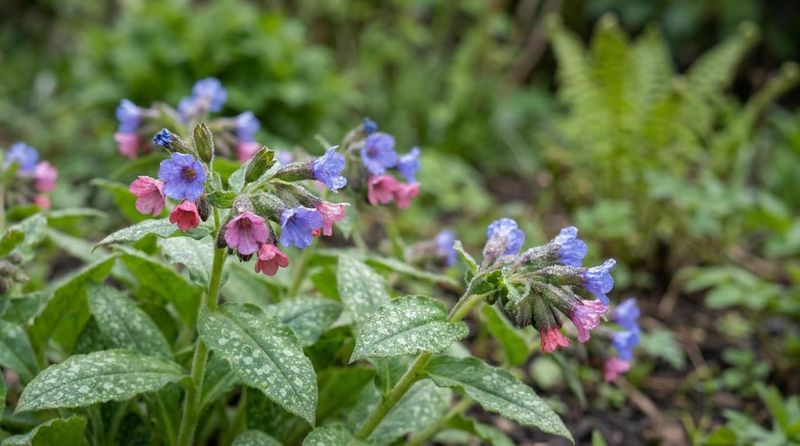
Spotted, silvery leaves and flowers that shift from pink to blue make lungwort a shade garden charmer. It’s also one of the earliest bloomers of spring, which means it needs to wake up healthy.
Lungwort grows wild in woodland settings, where a carpet of rotting leaves is normal life. Copying that at home with a layer of leaf mold or shredded leaves keeps its roots cool and moist.
That moisture matters more than you might think. Lungwort sulks and gets crispy when soil dries out, and leaf cover can help prevent that heading into the warmer months too.
9. Siberian Bugloss
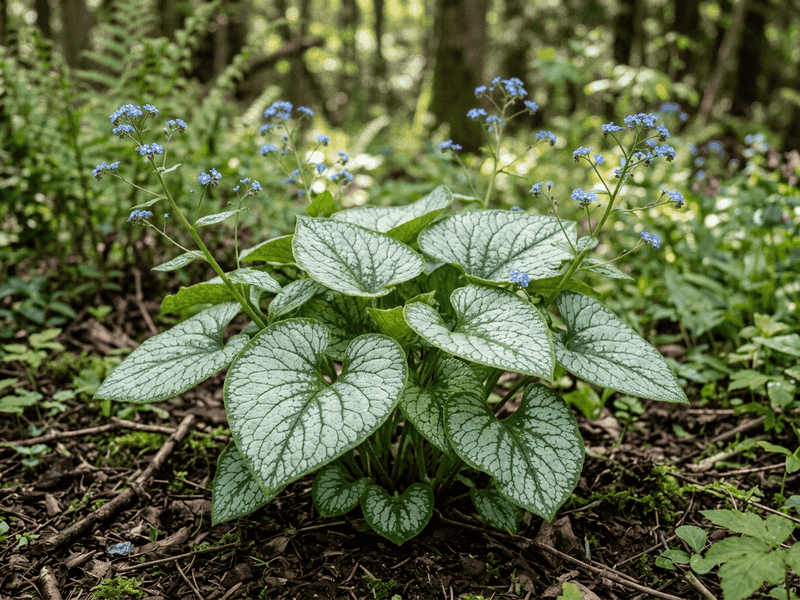
Tiny sky-blue flowers that look like forget-me-nots, floating above heart-shaped leaves. That’s Siberian bugloss, or brunnera, and varieties like Jack Frost have silver leaves that glow in the shade.
As its name hints, this plant handles cold well. The weak spot is the crown, which can rot or dry out without some cover.
Shredded leaves offer just the right balance of protection without trapping too much water.
Brunnera’s big leaves can scorch when the soil dries out in summer. Leaving that leaf layer in place, as it breaks down into rich, spongy soil, gives the plant a steady supply of moisture well past spring.
10. Bleeding Heart

Bleeding heart pulls a vanishing act every year. By midsummer, the leaves yellow and disappear, and the plant goes dormant until the next spring.
Because it spends so many months underground, the root zone needs good protection. A layer of shredded leaves or aged leaf compost over the spot keeps those roots safe through winter and marks where the plant is resting.
That second part matters. Plenty of gardeners have accidentally dug into a dormant bleeding heart while planting something else.
Leaf cover reminds you to leave it alone, and next spring those arching stems of heart-shaped pink flowers will thank you.
11. Celandine Poppy
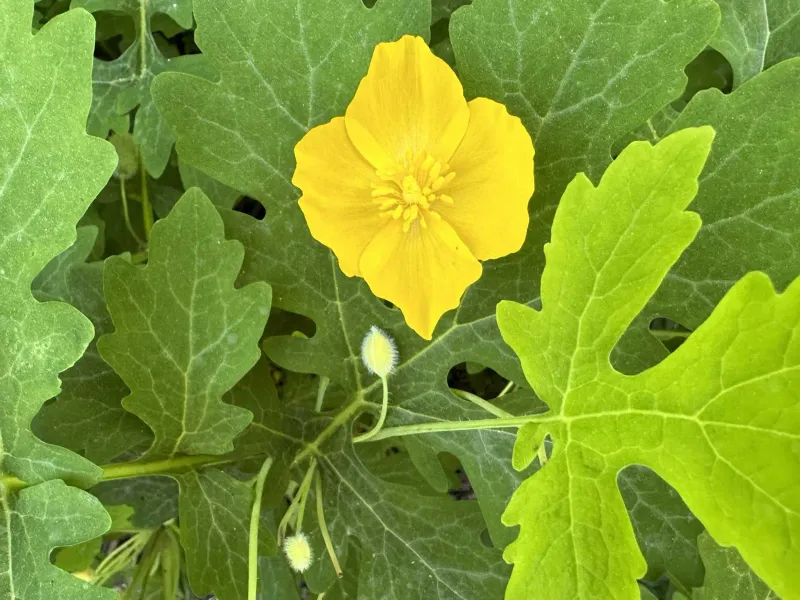
Here’s a native plant that practically grew up under fallen leaves. Celandine poppy is a wildflower of eastern US forests, where oak and maple leaves pile up on it every single autumn.
Its cheerful yellow blooms brighten shady spots in spring, and it thrives in the loose, rich soil that decaying leaves create. Rake that layer away and you take away exactly what it evolved to love.
Shredded deciduous leaves give insulation and slowly add nutrients. The plant also reseeds, so a natural leaf layer helps young seedlings settle in.
Many native bees visit its flowers, adding one more reason to grow it.
12. Creeping Phlox
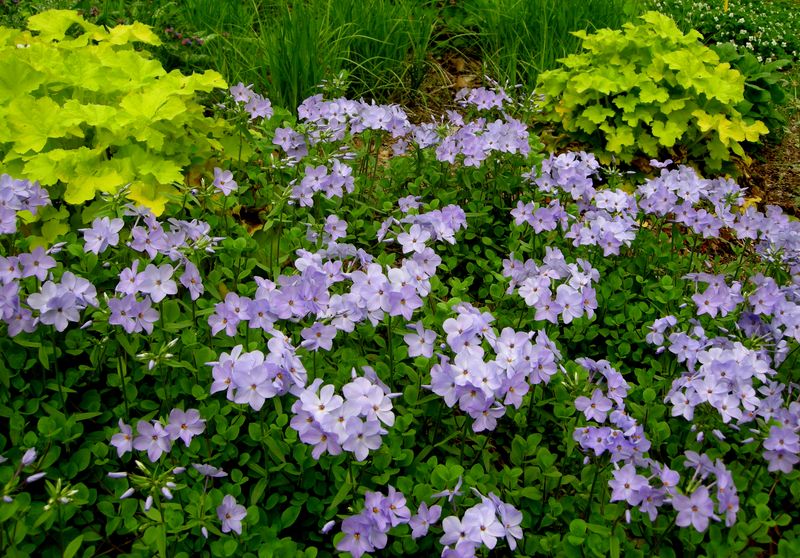
Low and sprawling, woodland creeping phlox spreads by runners called stolons that creep along the soil. Those runners sit right at the surface, which leaves them open to winter cold and drying wind.
A fine layer of leaf compost or finely shredded leaves fits snugly around those stems without burying them. Think of it as a light sheet, not a heavy comforter.
Whole leaves can mat down and smother this little groundcover, so shred first.
By spring, protected runners root in and fill gaps, rewarding you with a carpet of lavender or pink flowers. Note that this shade-loving type differs from moss phlox, which prefers sun and lean soil.
13. Ferns
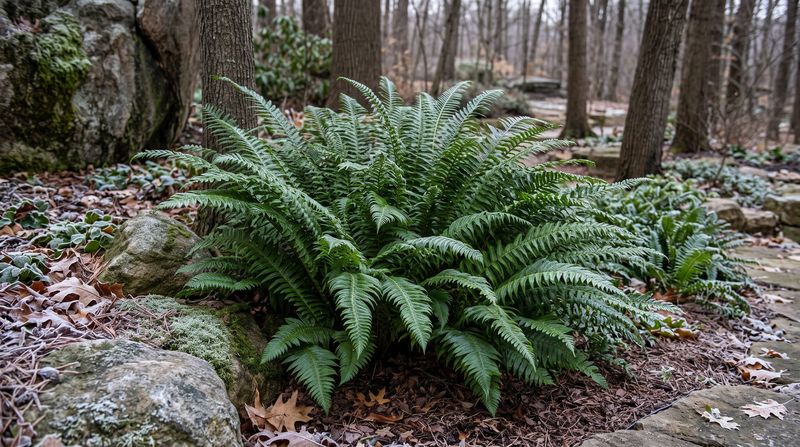
Ferns have been around since before the dinosaurs, and they’ve been mulching themselves the whole time. That’s a good hint that they don’t need us tidying up after them.
Evergreen and semi-evergreen types, like Christmas fern, should keep their fronds through winter. The old fronds protect the crown and help hold soil in place on slopes.
Deciduous ferns benefit too, from their own collapsed fronds plus some extra fallen leaves.
In spring, wait until the new fiddleheads start to uncurl, then trim away any brown fronds. Leave the tree leaves to rot down into the soft, rich ground ferns adore.
It’s the easiest win on this whole list.