
Asian Tiger Mosquito Eggs Can Overwinter in North Carolina Gutters and Containers: A Late-Fall Cleanup Plan
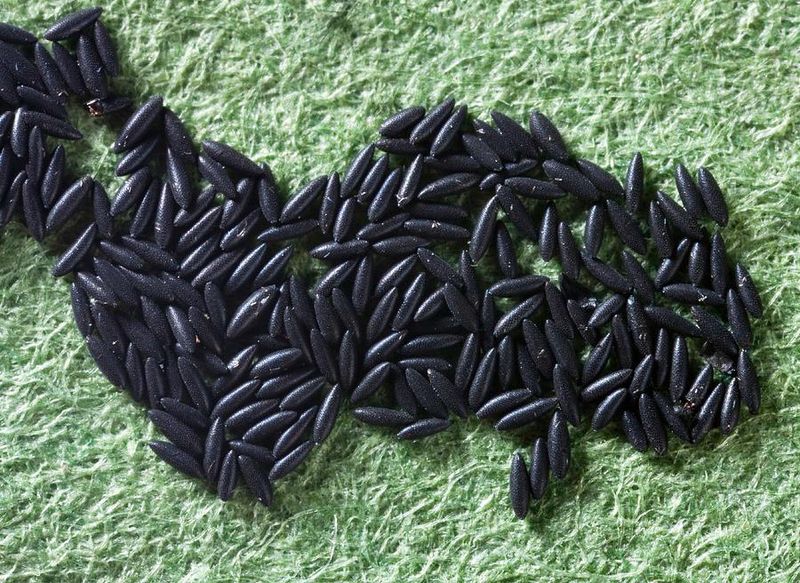
Many North Carolina homeowners think mosquito larvae wait out winter in gutters and buckets. The real story is a little different, and it changes what you should clean up.
Asian tiger mosquitoes leave behind tiny eggs that can sit through cold months until water returns. A smart fall routine can shrink the number of places those eggs get a start next year.
What survives winter is an egg, not a larva
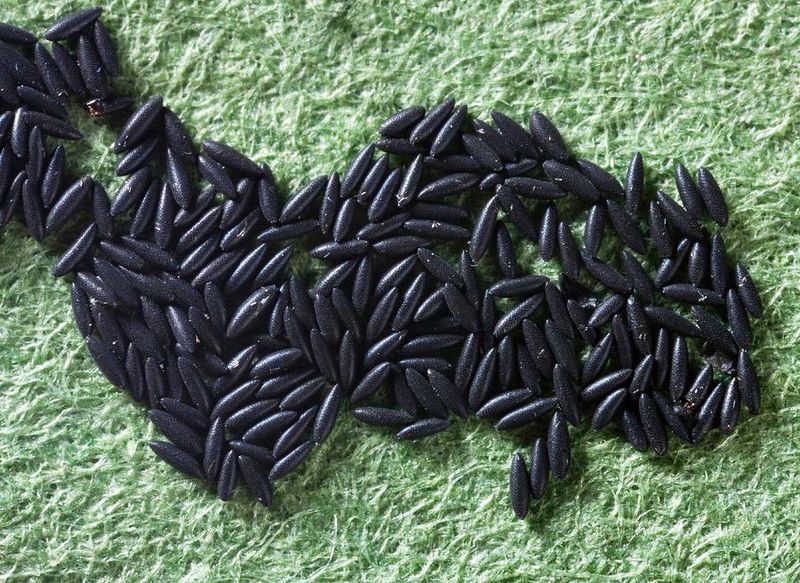
Here is the fix to a common mix-up: mosquito larvae do not wait out winter in your gutters. Aedes larvae are the wiggling, swimming stage, and they need water to live.
What can make it through the cold months is the egg.
The Asian tiger mosquito (Aedes albopictus) is the species most North Carolina homeowners are dealing with. According to NC State Extension, these mosquitoes lay eggs on the sides of containers and other sites that later fill with water.
The eggs can survive winter and sometimes longer.
The eggs do not float on the surface. CDC guidance on the Aedes life cycle explains that females often lay them above the waterline, where they stick to the container wall.
When rain or a sprinkler covers them, they can hatch and the larvae start swimming.
That sticky, dry-tolerant egg is why a bucket that looks empty in December can still matter in spring. A dry ring of tiny dark specks near the old waterline is the clue to look for.
One caution: mosquito species differ in where and how they lay eggs. Not every mosquito uses gutters, and not every one overwinters this way.
Everything here is about Asian tiger mosquitoes and other container-breeding Aedes, and it does not mean every gutter on your street is an overwintering site.
Small water-holding sites matter in North Carolina yards
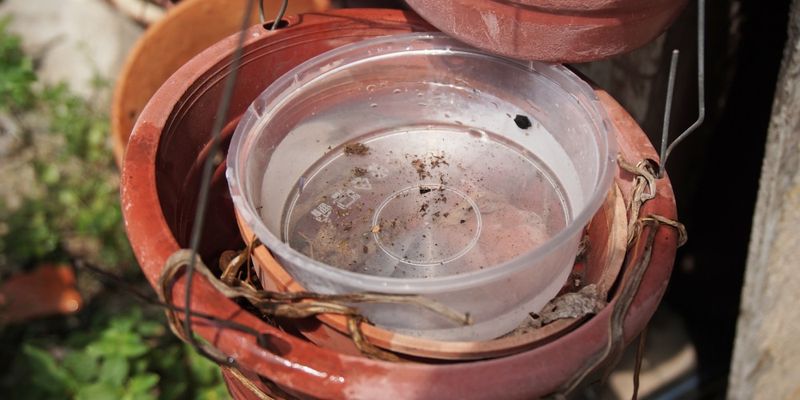
Asian tiger mosquitoes do not need a pond. The 2024 North Carolina mosquito-borne disease report describes them as common statewide, breeding in small natural and man-made containers, and biting during the day.
That daytime habit is why they bother people on patios and while gardening. It also means the sources are often close to where you sit, not in some far corner of the woods.
Think small and ordinary. Buckets, plant saucers, kids’ toys, tires, tarps that sag, birdbath overflow trays, and clogged gutters can all hold a bit of water.
NC State Extension specifically lists debris-filled gutters as potential breeding sites.
Notice the word potential. A gutter that drains well and stays dry is not a problem.
A gutter packed with wet oak or maple leaves, sagging so water sits in one spot, is worth your attention.
Walk your yard after a rain and look for anything that holds water longer than a few days. Whether you live in the Piedmont, the Coastal Plain, or the mountains, the same rule applies: small pools near the house deserve the first look.
April activity is possible, but timing varies
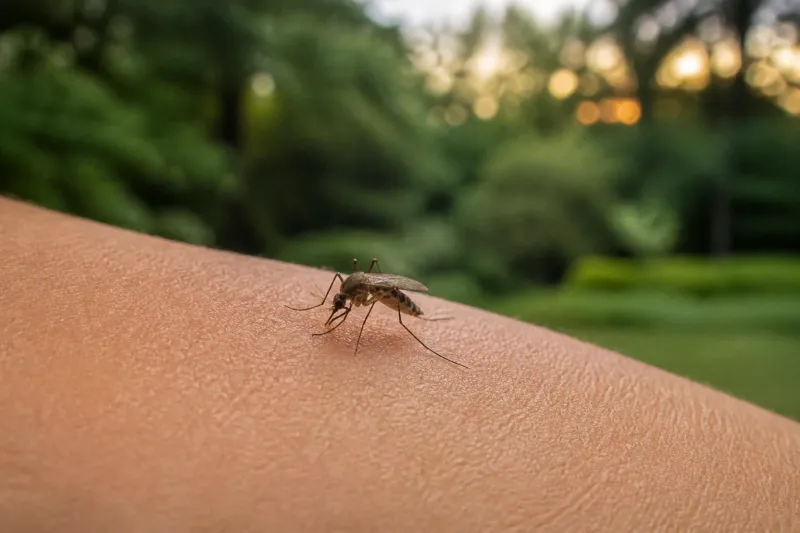
Can you get mosquito bites in April? Sometimes, yes.
Gaston County’s 2025 surveillance, described on its mosquito prevention page, recorded female mosquitoes in April at its sampled locations.
That is a limited local finding from a handful of trap sites. It does not tell you when bites start in Wilmington, Asheville, or your own backyard.
Several things shape the timing. Spring warmth, rainfall, how much standing water is around, and how many breeding sites are nearby all play a part.
A statewide survey of container Aedes, published for North Carolina in 2016, found that temperature, rainfall, elevation, and longitude were associated with differences in where these mosquitoes turned up.
Those findings describe patterns across the state. They do not prove that one fall cleanup changes the date your first bite arrives.
So set your expectations honestly. Removing water-holding spots is a sensible step and may mean fewer places for eggs to hatch near your patio.
But a mild March, a wet April, or a neighbor’s old tire can change the outcome, and nobody can promise a start date.
Clear gutters and clean water-holding containers
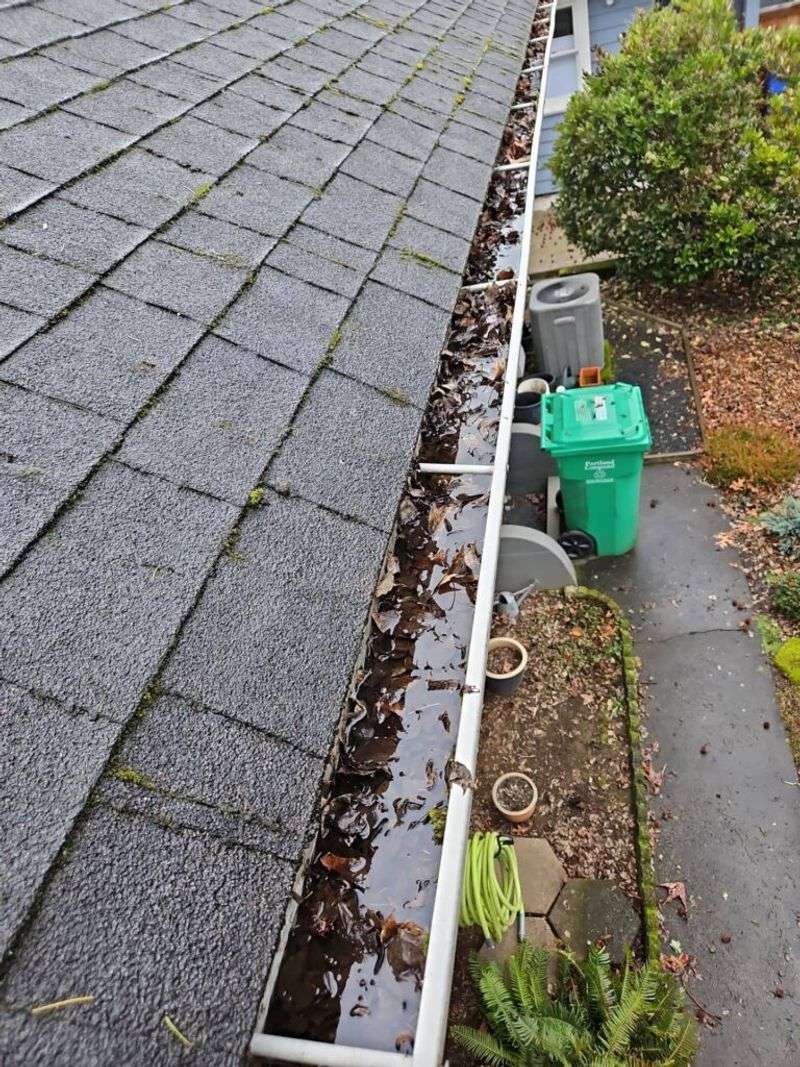
Pick a dry day in late fall, once most leaves have dropped. Start with the gutters.
Scoop out leaves, seeds, and sludge so water runs freely to the downspout, and check that the gutter is not sagging in a spot where water pools.
Next, make a lap around the property and look at everything that can hold water. Think buckets, flowerpot saucers, wheelbarrows, tarps, toys, birdbath bases, and old tires.
NC State Extension points to these kinds of sites as places mosquitoes can breed.
For each one, pick the option that fits. Empty and scrub it, turn it upside down, cover it, or throw it out if you no longer need it.
CDC guidance lists these same steps.
Scrubbing is not optional busywork. Aedes eggs stick to container walls, so simply pouring out the water can leave them behind.
Use a brush and rinse the sides, then let the container dry.
Stack buckets and pots upside down or store them under cover so rain cannot refill them. Pour the rinse water onto dry ground, away from storm drains.
Treat this as a good start, not a cure. A cleanout removes sites on your property, and you will still want to check again after heavy rain through the seasons.
Keep up with standing water and cover stored water
Cleanup works best as a habit, not a once-a-year event. CDC advice for mosquito control at home says to empty and scrub, turn over, cover, or discard containers at least weekly during mosquito season.
Set a reminder, perhaps for the weekend chore you already do. Tip out saucers, refresh the birdbath with a scrub, and check tarps and toys after storms.
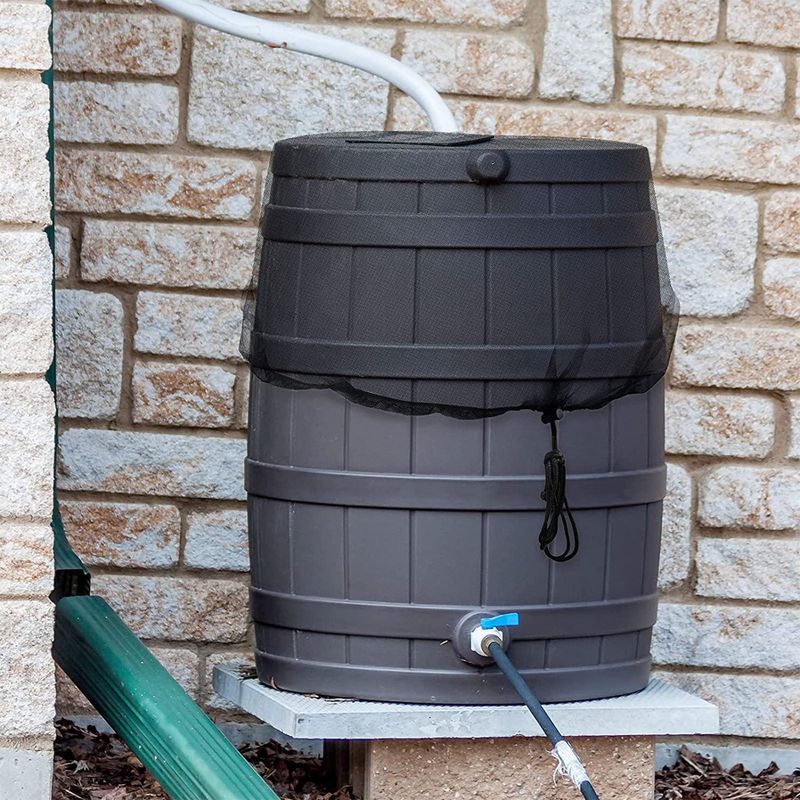
Stored water needs a tight cover. Rain barrels and other water-storage containers should be sealed, or fitted with mesh whose openings are smaller than an adult mosquito.
A loose lid or torn screen is an open invitation.
Some water cannot be drained or covered, like a low spot that stays wet or an ornamental container you want to keep. CDC says to consider a larvicide in that case and follow the label.
EPA information on Bti explains that it targets mosquito, blackfly, and fungus gnat larvae, and that it shows minimal toxicity to honey bees.
Minimal is not the same as harmless to everything. Use only a product labeled for the site you are treating, follow the directions exactly, and keep larvicide as a backup to removing water, not a replacement.
Bats, toads, and pollinators share your yard, so reach for source reduction first and treat only where you must.
One yard cannot control every spring mosquito source

Even a spotless yard sits next to other yards. NC State Extension notes that some eggs may need repeated cycles of flooding and drying before they hatch, and that Asian tiger mosquitoes can move in from nearby properties.
Community-wide source reduction works better than treating one property alone.
That means a late-fall cleanup is a worthwhile step, but not a promise of fewer April bites. Some eggs may hatch later, and sites outside your fence may keep producing mosquitoes.
Talk with neighbors about checking their own buckets and gutters. A friendly mention over the fence can do more than any spray.
Clear the gutters, clean or retire the containers, and keep looking for standing water. A yard that drains is a yard that gives mosquitoes fewer chances.