
Thin Fall Lawn? Why Overseeding May Help Before You Reach for Fertilizer
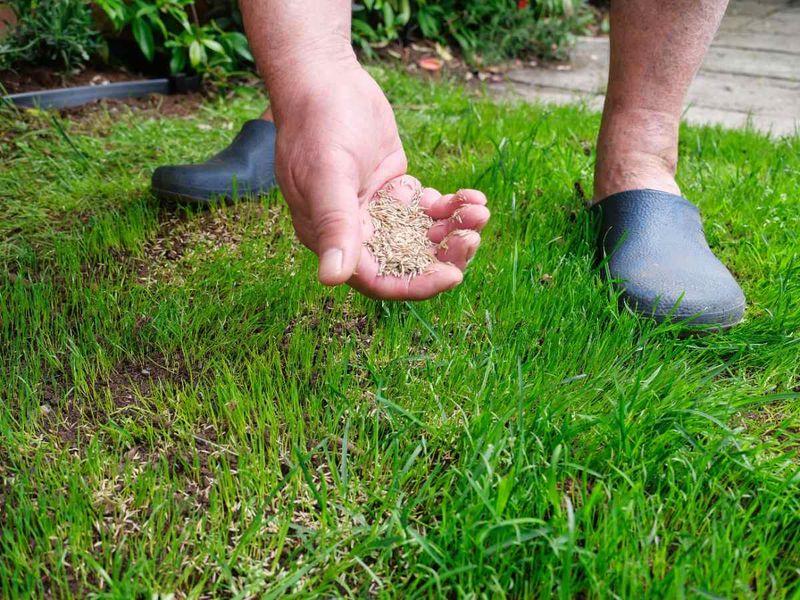
A thin, patchy lawn can make you want to grab the nearest bag of feed and start spreading. But thin grass has many causes, and fertilizer is only one possible fix.
For a cool-season lawn, a small seed-and-rake repair may help fill in bare spots when local timing is right. Here is how to figure out what your lawn needs and how to try it on a small patch.
A thin lawn is not automatically asking for fertilizer
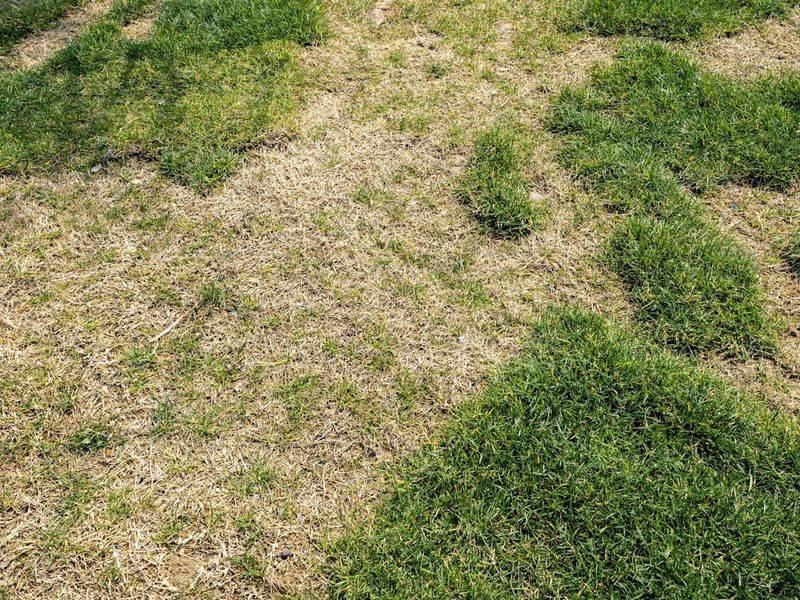
Sparse grass and hungry grass are not always the same thing. A lawn can look thin because the soil is packed hard, a thick layer of thatch is blocking water, shade has crept in, or the grass type does not suit the spot.
Feeding a lawn with one of those problems may turn the green a little deeper without filling a single bare patch.
Missouri Extension advises that you figure out why the turf declined and adjust your care program, not just patch the damage. That turns a vague worry into a short checklist you can work through on a weekend.
Walk the lawn and look at what is really going on.
Push a screwdriver into the soil in a thin area and in a healthy area. If it barely goes in on the thin side, compaction may be part of the story.
Pull back a small square of turf and check the spongy brown layer between the green blades and the soil. If it is thick, thatch may be holding back water and seed.
Also note when the thinning shows up. Patches under a big maple point to shade and root competition, while a worn path across the yard points to foot traffic.
A faded, evenly pale lawn is more likely to call for a nutrient check.
Penn State Extension says that phosphorus and potassium needs should be based on a soil test, which is a good reminder that guessing is not a plan. Seeding, feeding, or doing both should follow what you find, not habit.
Check your grass type and local seeding window
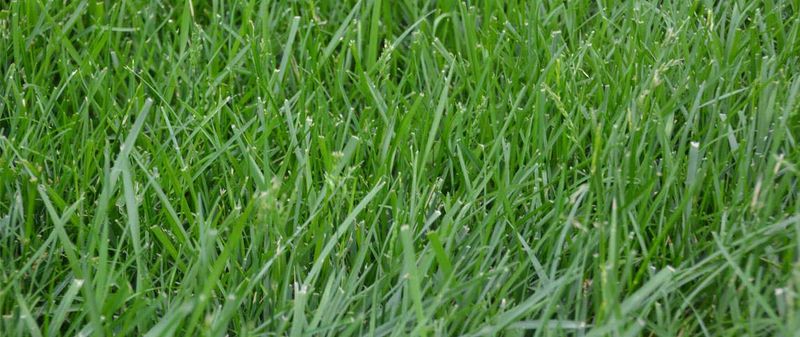
Fall overseeding advice is written mainly for cool-season lawns. That means grasses such as tall fescue, Kentucky bluegrass, and fine fescues.
If you are not sure what you have, a local extension office can help you identify it from a few blade samples.
Warm-season turf is a different story. University of Maryland Extension says its routine overseeding guidance applies to cool-season lawns, and that warm-season grasses are not overseeded in that context.
In the Southeast, some people do sow ryegrass over bermudagrass for winter color. That is a separate practice with spring tradeoffs, not a way to repair thin turf.
Timing matters just as much as grass type, and there is no single national calendar. Penn State describes late summer to early fall as the usual best period and cautions that seeding later than mid-October is not suggested in most of Pennsylvania.
Missouri’s guidance gives a different window, roughly late August to early October, according to its lawn establishment publication.
Those are regional examples, not deadlines for your yard. Seedlings need time to sprout and settle in before hard freezes arrive.
Search for your state’s extension lawn calendar, and if your window has already closed, waiting for the next one is a perfectly reasonable choice.
Give the seed a clear path to soil
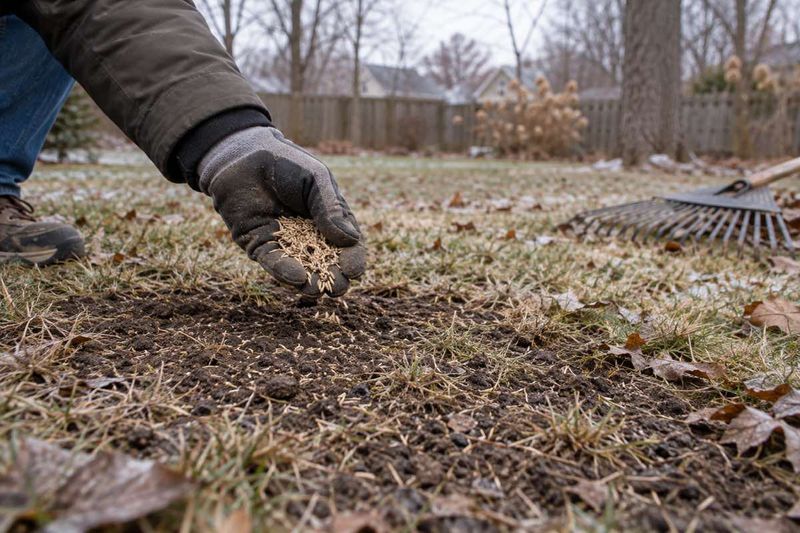
Seed that lands on thatch or tall existing grass often never touches soil. It may dry out, wash away, or simply sit there.
Getting seed down to bare, loosened ground is the step that gives it a real chance.
Penn State suggests preparing a thin lawn by aerating, dethatching, or slit-seeding as appropriate, and stresses that seed must reach soil with room to germinate. For a small patch, you do not need special gear.
A sturdy garden rake works well.
Start by mowing the area a bit short and clearing dead grass and debris. Then scratch the surface with the rake until you see loose, crumbly soil between the remaining grass plants.
If the ground is hard as a brick, poke it with a garden fork first.
Bigger thin areas call for bigger tools. A core aerator can help with compacted soil, a dethatching rake or power rake can handle a heavy thatch layer, and a slit seeder drops seed into narrow grooves.
Which one suits you depends on what you found when you checked the lawn.
Missouri Extension also notes that good seed-to-soil contact is central to establishing cool-season grasses. Think of it as making a little bed for each seed.
Rake in the seed and keep the surface moist
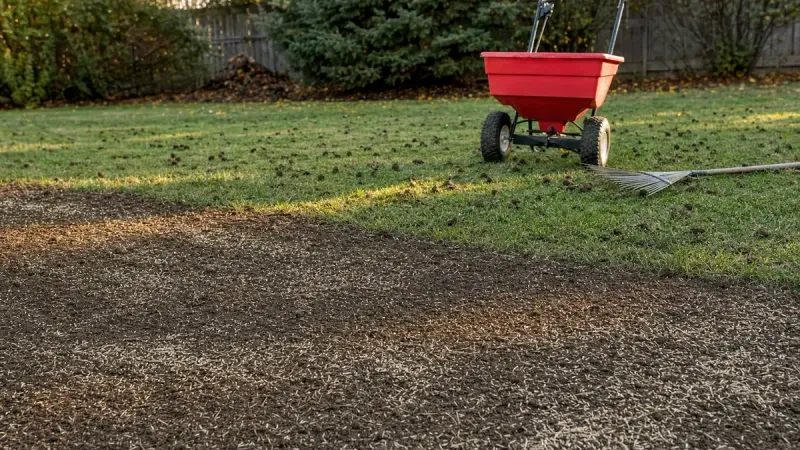
Once the soil is ready, pick seed that fits your lawn. Match it to your existing grass type and the light in that spot, and check the label for the mix.
Spread it evenly over the prepared patch, following the seeding directions on the bag instead of a rate from a blog post.
Next, rake lightly so the seed settles into the top of the loosened soil. You are tucking it in, not burying it.
A thin covering is enough, and seed buried too deep may struggle to come up.
Water is where many repairs succeed or fail. Penn State advises light, frequent irrigation after seeding and notes that young seedlings are vulnerable to drying.
In practice, that often means short watering sessions through the day while the surface stays damp.
Moist is not the same as soaked. Missouri Extension recommends keeping the surface moist while avoiding puddles and runoff.
If water pools or seed floats away, ease off and shorten the sessions.
A quick test is to touch the soil surface a few times a day. If it feels dry, it is time for another light watering.
As seedlings grow, you can gradually water less often but more deeply.
How fast a patch fills in depends on the grass species, the weather, and your follow-up care. Some seed sprouts within a couple of weeks, while other types take longer, so patience is part of the job.
Let a soil test guide fertilizer decisions
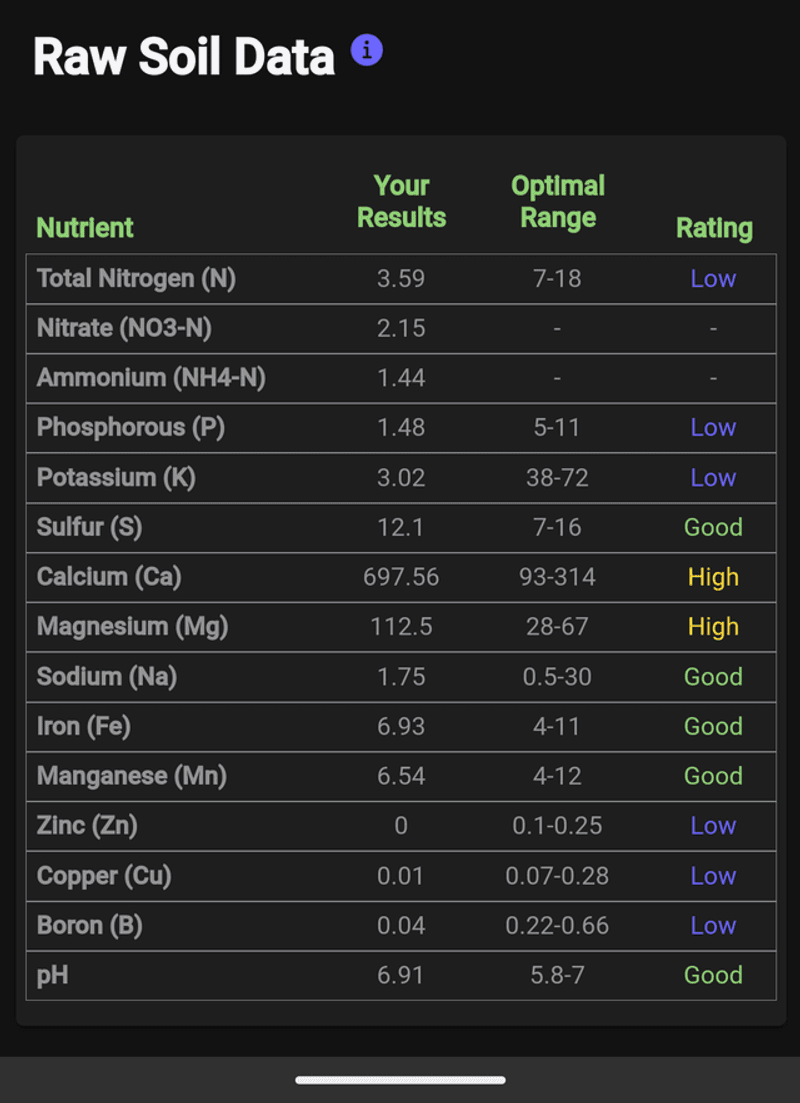
Seeding does not cancel fertilizer. Penn State notes that starter fertilizer can be applied just before or after seeding.
That said, not every lawn needs it, and a generic fall bag from the store is not automatically the right product.
A soil test replaces guessing with facts. It tells you about pH and the nutrients in your soil, which is useful if you are weighing lime or wondering about phosphorus.
Penn State says that soil tests determine phosphate and potash requirements.
University of Minnesota Extension also explains how to collect and use soil tests for lawns and gardens. Take small samples from several spots, mix them, and send them to a lab your state extension recommends.
Results usually come with plain-language advice.
If the test says your lawn needs nutrients, go ahead and apply them. Follow the product label and any local rules, since some areas limit phosphorus.
Keep granules off driveways and sidewalks so they do not wash into storm drains.
Fall fertilizer is not a villain, and extension sources do recommend it for some lawns. The point is to apply it because the lawn needs it, not because the calendar or the bag says so.
Use the amount on the label and the test results, not a number from a neighbor.
Avoid conflicting treatments and set realistic expectations
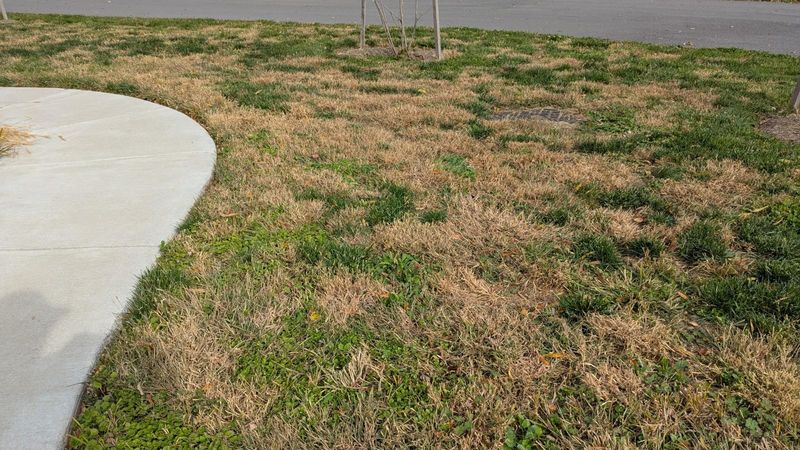
Check the label on any weed preventer before you seed. University of Maryland Extension notes that pre-emergent herbicides often cannot be applied if you plan to reseed in the same season.
Because products differ, read the specific label and ask your local extension office.
Here is a simple order to follow. Confirm you have cool-season turf and that your local window is still open.
Find out why the grass thinned, loosen the soil for seed contact, sow, and keep the surface moist. Add fertilizer only when a soil test or local guidance calls for it.
Keep your expectations realistic, too. Penn State’s lawn establishment guidance and Missouri’s renovation publication both tie success to timing, moisture, and follow-up care.
A late attempt may not establish before freezing weather.
If your window has passed, there is no shame in waiting. Mark the next opening on your calendar and use the time to test soil and fix compaction.
A patient start often beats a rushed one.