
Can You Overwinter Potted Geraniums Bare-Root? The Old-School Paper Sack Method and Its Risks
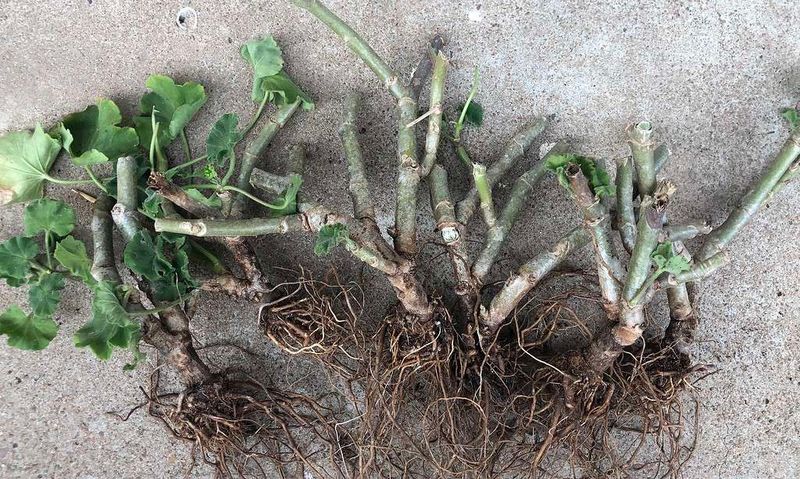
Your big, healthy geranium does not have to take up a sunny windowsill all winter. Many grandparents lifted theirs before frost and tucked them away in paper sacks.
It can work, but it is a bit of a gamble, so it helps to know what you are signing up for. Here is how the method goes, where it can fail, and how to protect a plant you love.
The bedding geranium in this guide is a Pelargonium
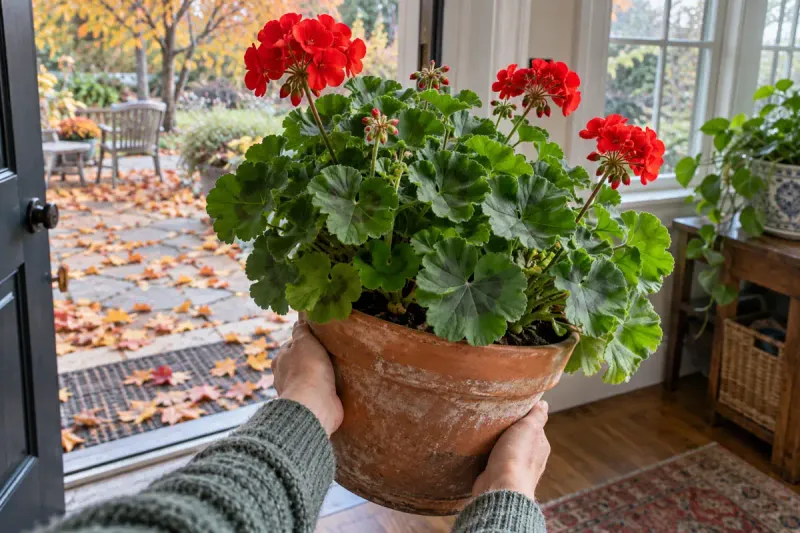
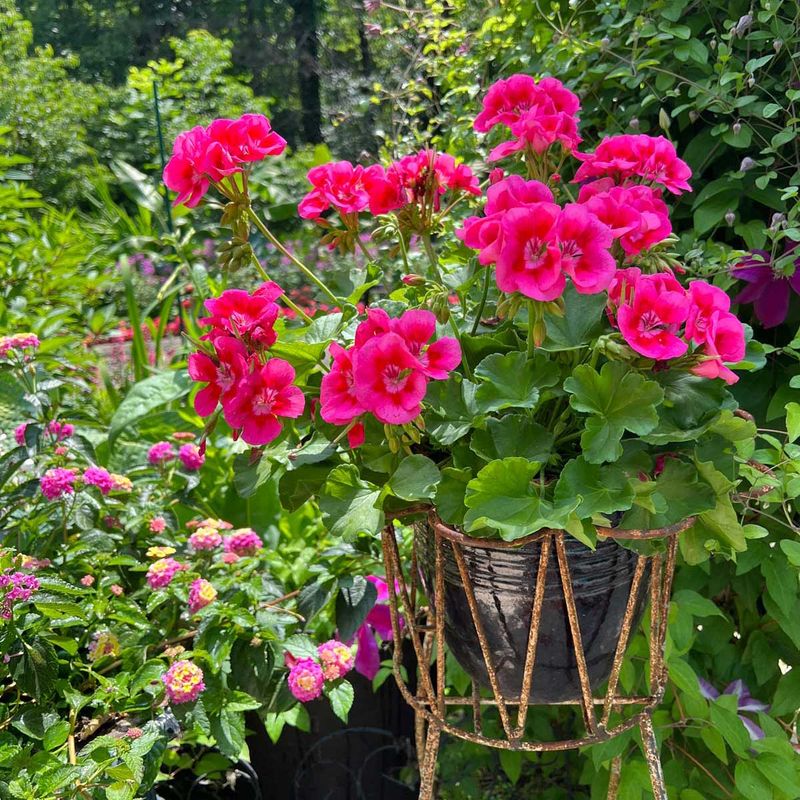
Picture the red, pink, or salmon flowers spilling out of porch pots all summer. Those plants are almost always Pelargonium hybrids, which University of Georgia Extension covers in its geranium guide.
They are tender, so frost will kill them.
Hardy garden geraniums, sometimes called cranesbill, are a different group of plants. They come back on their own each spring and need none of the steps below.
If your geranium survives winters outdoors in the ground, you can skip this method entirely.
So why bother saving a tender one? Some familiar bedding types are grown from seed and are cheap to replace.
Others, often those with double flowers or variegated leaves, may need vegetative propagation to keep their traits, as Purdue Extension notes. A seed-grown offspring may not look like the plant you love.
If you have a particular variety you would hate to lose, this method may be worth a try. If your plant is a common seed type, buying new ones in spring may be easier.
Bare-root storage saves space, but it is not the surest method
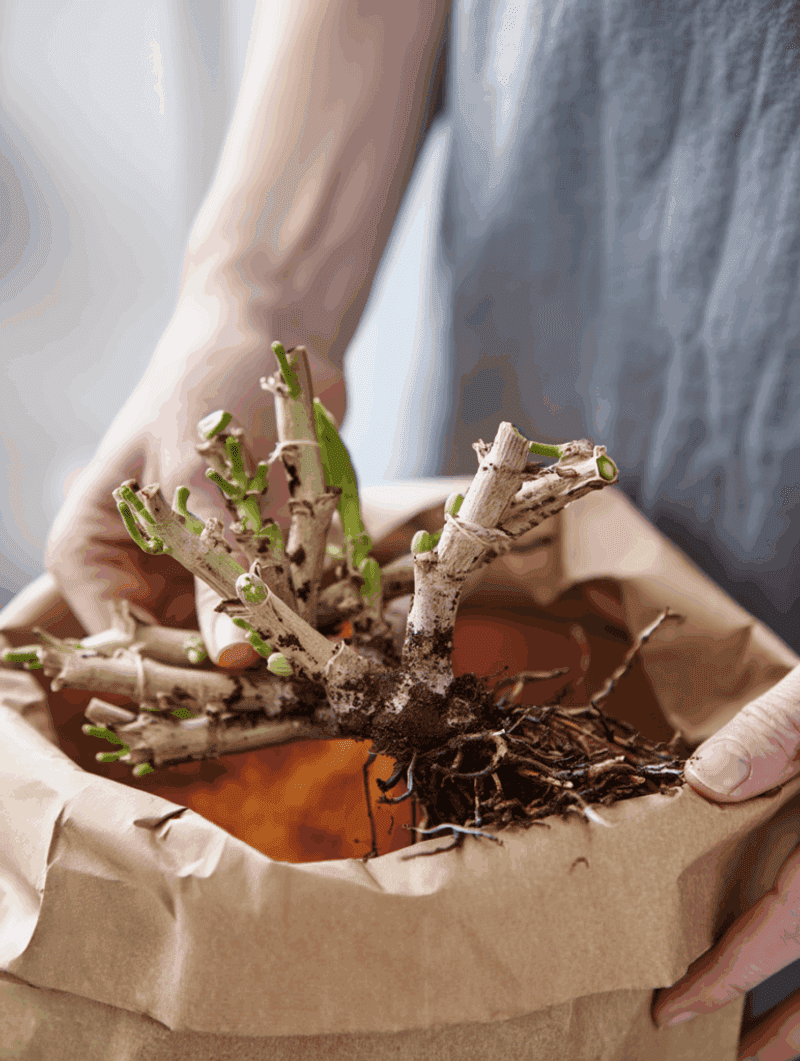
Bare-root storage means lifting the plant from its pot or bed and keeping it dormant without soil around it. You trade a windowsill for a paper sack on a shelf.
That is the whole appeal.
Here is the catch. The Royal Horticultural Society calls bare-root storage the least reliable approach and says it suits varieties with tough, woody stems best.
A soft, young plant is a poorer candidate than an older one with a sturdy base.
Also, geraniums do not have a bulb or tuber to carry them through the cold months. Purdue notes that they form no such resting structure.
What gets through winter is living stem and leaf tissue, and that tissue can dry out or rot if conditions are off.
Think of this as a space-saving experiment. Some plants will wake up in spring, and some will not.
Go in expecting a partial win, and you will not be crushed if a plant gives out.
If you are trying it with a plant you care deeply about, keep reading to the final section about a backup.
Lift healthy plants before frost reaches them
Timing matters most here. Dig the plants up before the first frost, since a frost-touched geranium is already stressed.
Check your local forecast in early fall and move a little ahead of it.
Pick plants that look strong. Reject any showing leaf spots, wilting, darkened or rotting stems, shriveling, or blotchy foliage, which are the warning signs Purdue Extension lists.
A sick plant is unlikely to improve in a dark bag, and it could spread trouble.
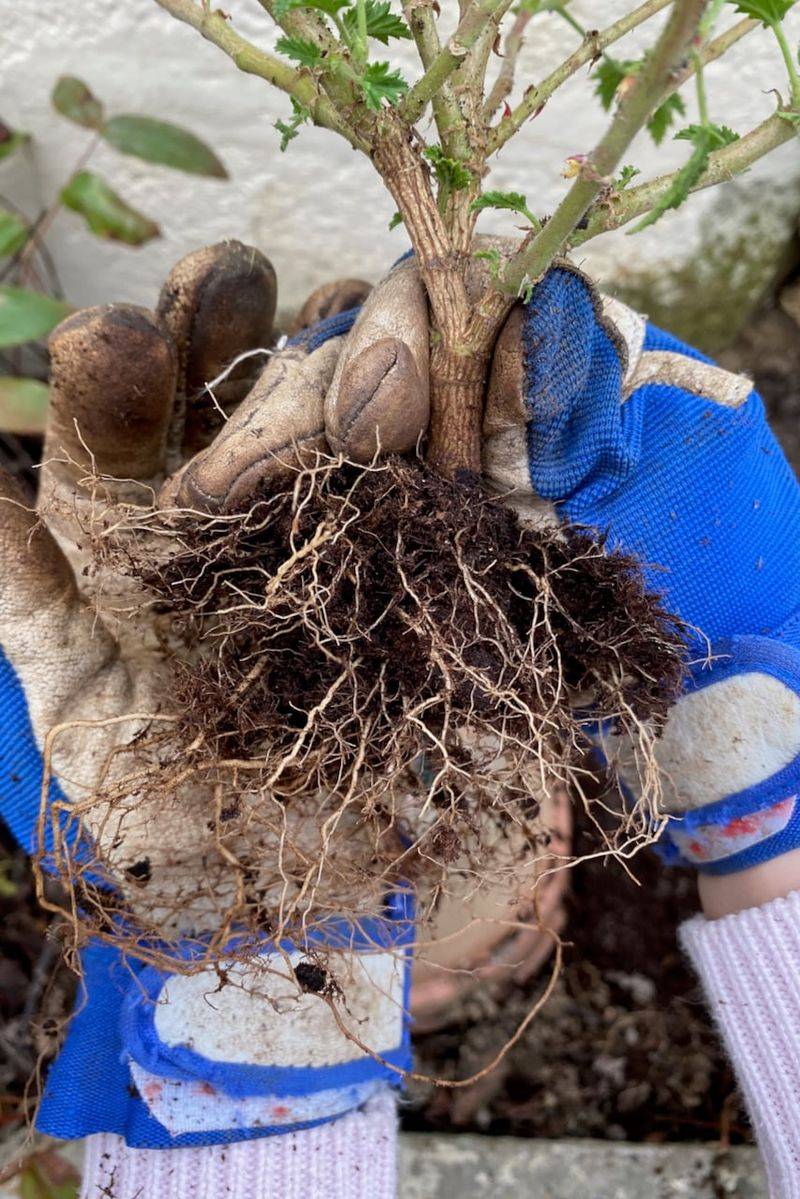
Loosen the soil around the plant and lift it with as much root as you can. If it is in a pot, slide it out gently.
Then follow the Iowa State advice to shake the excess soil from the roots.
Do not wash the roots unless you have a reason. Just knock off the loose dirt so the plant is not carrying a heavy clump into storage.
A handy habit is to tag each plant with its color or variety name at this point. By spring, you will be glad to know which one is which.
A paper sack needs a cool, frost-free place
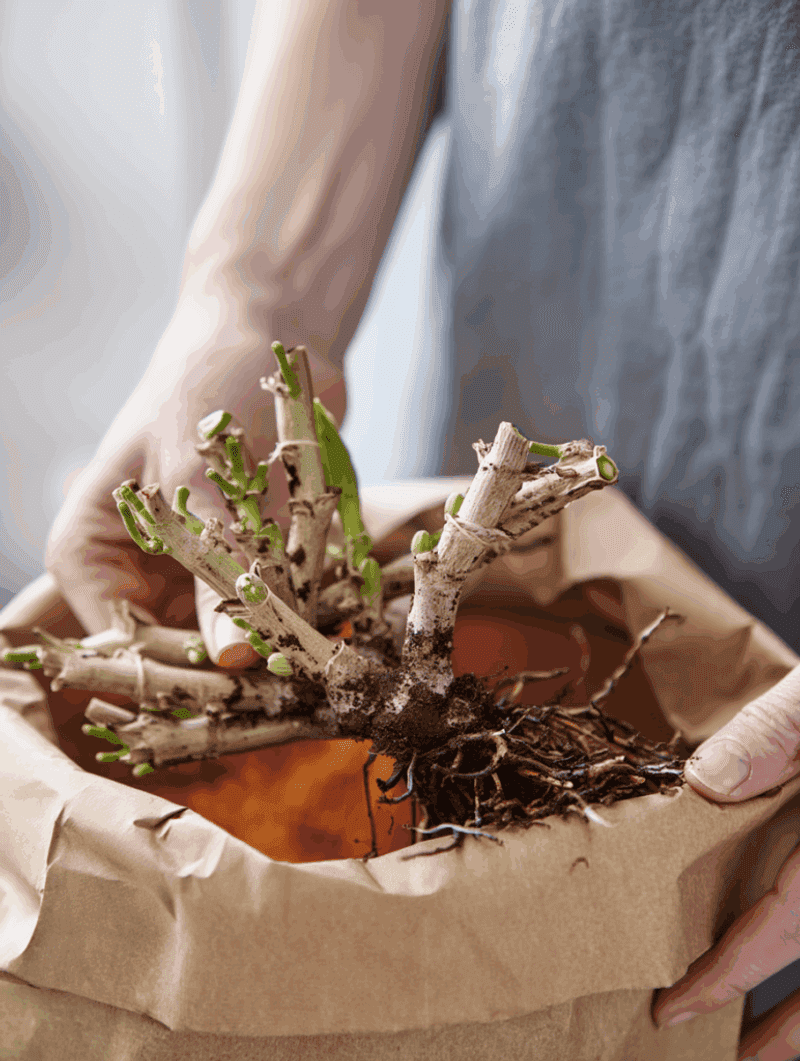
Once your plants are prepped, slide one or two into a large paper sack. Iowa State’s paper-sack guidance calls for a cool, dry spot at 45 to 55°F, and that range applies to this method specifically.
It is not a rule for every storage approach.
Place is where “a cool basement” gets tricky. Not every basement is right, since some are too warm, too damp, or prone to freezing near the walls.
Iowa State offers an unheated bedroom or an indoor porch as examples. Whatever you choose, it must stay frost-free.
A cheap thermometer left in the spot for a few days will tell you more than guessing. Check it during a cold snap, too.
Leave the bag open. Wisconsin Extension advises keeping it open for air circulation, which helps limit stale, moldy conditions around the stems.
There is another arrangement if shelf space is tight. You can hang plants upside down by their roots in a similar cool spot instead of bagging them.
Either way, peek at them now and then. A plant that is slowly drying out is normal, but mold or mushy stems mean it is time to toss that one.
How much moisture do bare roots need?
Here is where the experts honestly disagree. Iowa State’s paper-sack method calls for a cool, dry location.
Purdue Extension describes hanging plants in low humidity and gives a similar approach to root soaking.
Minnesota Extension leans the other way. Its guidance describes cold, damp storage, like a basement or root cellar, and suggests periodically soaking bare roots to limit excessive drying.
What does that mean for you? There is no single moisture rule that fits every setup, so a rigid watering schedule would be guesswork.
Soaking is something some gardeners do, not a required step.
A practical approach is to match your method to your space. In a dry, warmish spot, shriveling is the bigger risk.
In a damp spot, rot is.
Watch the stems for clues. Firm and slightly wrinkled is acceptable, while soft and dark is a bad sign.
If you are unsure, split your plants between two approaches and see which one does better.
Pot the survivors when spring growth can resume
By late winter, expect your stored plants to look rough. Leaves and shoot tips will have dried up and died back, which is normal for this method.
The real question is what is still alive underneath.
Iowa State suggests getting started in March. At that point, its steps are to remove the dead material and cut the stems back to firm, green tissue.
Then pot the survivors in fresh potting mix and water thoroughly.
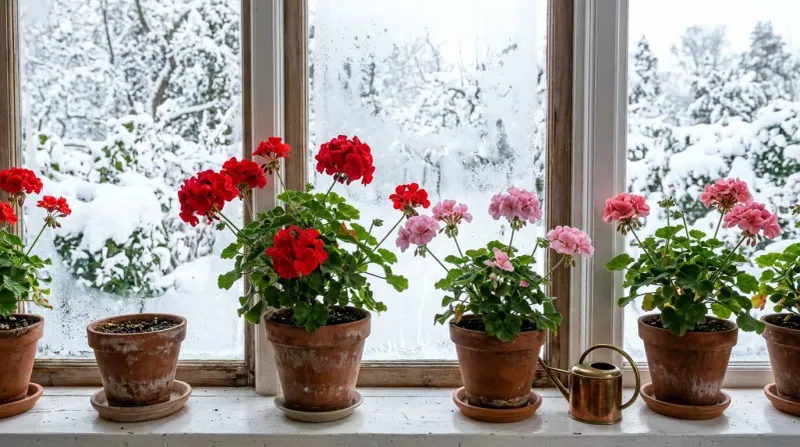
Give them a sunny window or put them under grow lights. New growth may take a few weeks to appear, so be patient before deciding a plant is gone.
Some will not make it, and that is part of the deal. A stem that is brown and brittle all the way through will not recover, so do not keep it going out of hope.
Wisconsin Extension also stresses keeping revived plants indoors. Hold them there until the danger of frost has passed in your area, then move them outside.
Keep a backup if the variety matters
If losing one specific geranium would sting, do not bet everything on a paper sack. Minnesota Extension and Purdue both describe other ways to carry plants through winter, including keeping them potted and taking cuttings.
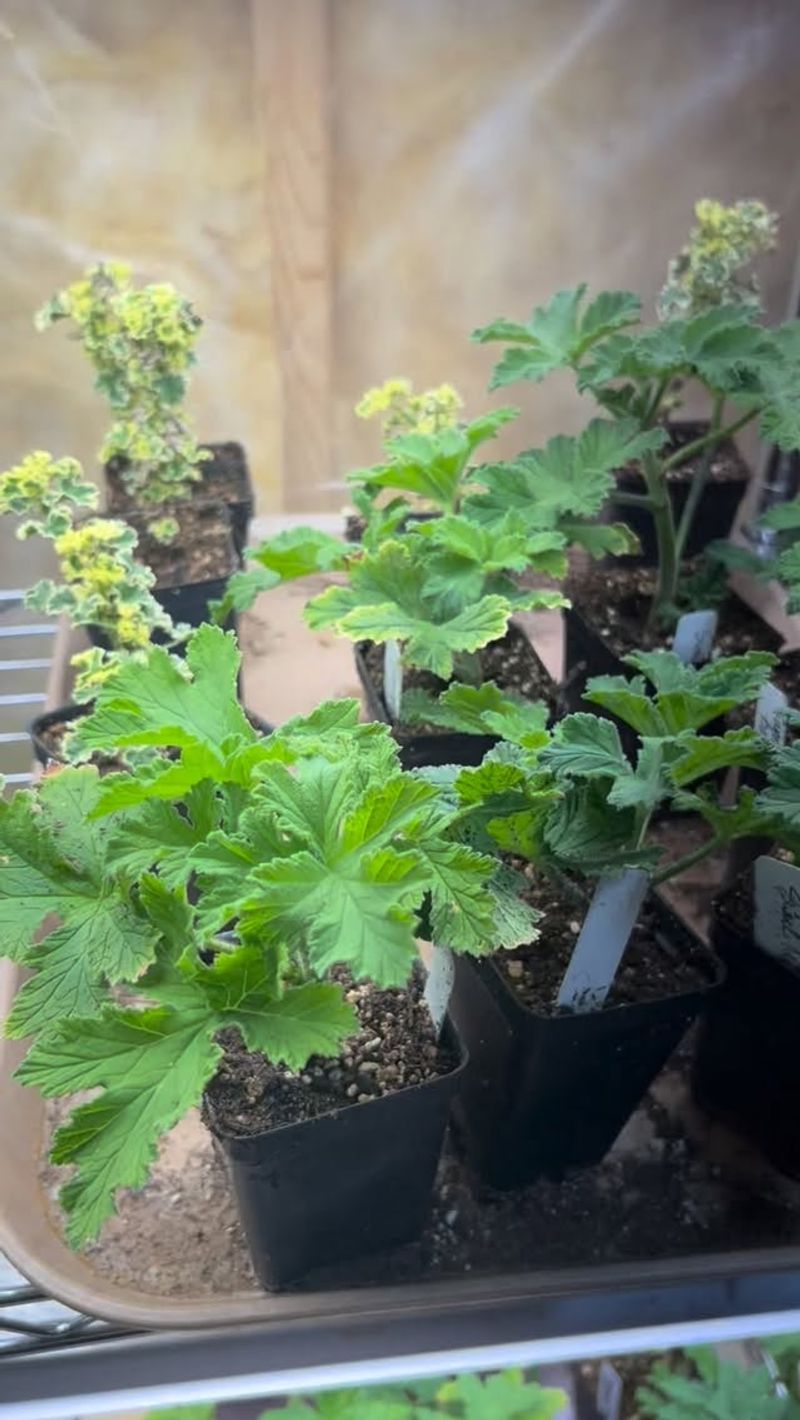
Minnesota recommends cuttings as insurance in case your bare-root plants do not pull through. A few small cuttings take up far less room than a full potted plant, which fits the space-saving goal.
A sensible plan is to bag your best plants and root a couple of cuttings from the most prized one. Purdue’s guidance also covers potted storage if you have a cool spot for it.
If the bag plants wake up, great. If they do not, you still have your variety.
In the end, bare-root storage is a cheap bet worth making, as long as you do not put your favorite plant’s whole future on it.