
Spot A Coyote In Your Backyard? 15 Smart Moves To Make Instead Of Running Inside
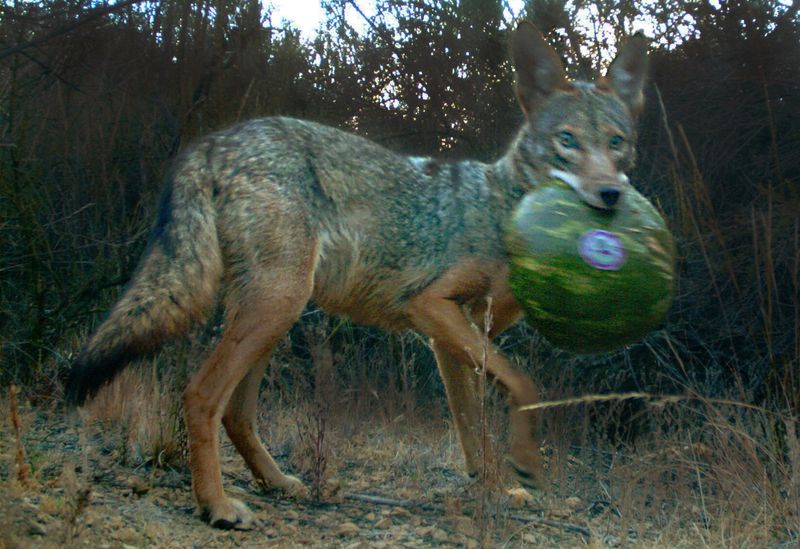
You step out to check your tomatoes at dusk, and a coyote is standing by the fence staring right back at you. Your first instinct might be to bolt for the door, but that can actually make things worse.
Coyotes now live in cities, suburbs, and farm towns all across the US, so knowing what to do keeps you, your kids, your pets, and even your garden safer. The good news is that a few calm, simple moves can send a coyote packing and teach it to stay away for good.
1. Do Not Run or Turn Your Back
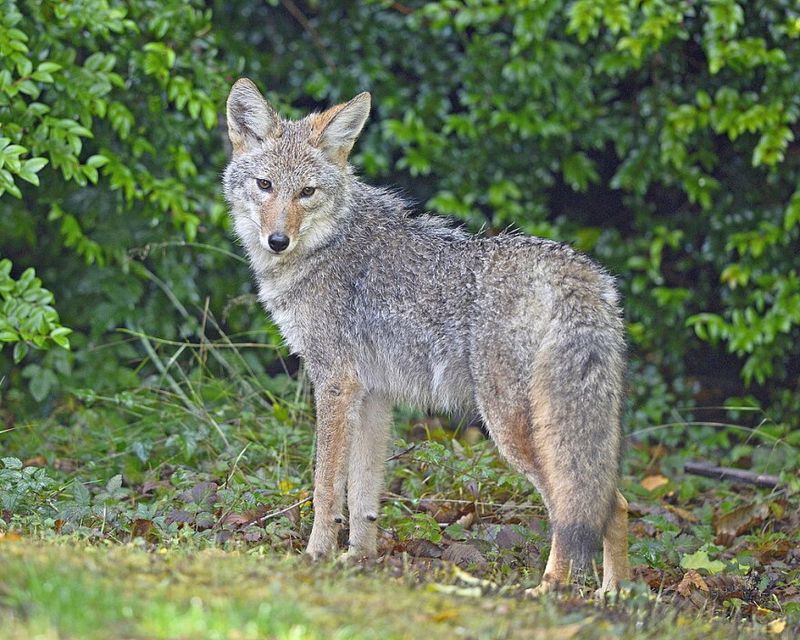
Picture a dog chasing a tossed ball. A coyote’s brain works in a similar way, and a fleeing human can look a lot like something worth chasing.
Running triggers a predator’s chase instinct, even in a coyote that had no plans to bother you. Turning your back also hides your face and body language, which are your best tools for looking like a threat instead of a snack.
So plant your feet, take a breath, and keep facing the animal. Most coyotes are curious or just passing through, and staying put gives you a few seconds to decide on your next move.
Calm and steady wins this round.
2. Make Yourself Appear Large and Loud

Wildlife experts have a name for scaring coyotes off: hazing. And the first step is pretty fun, honestly.
You get to act like the biggest, loudest creature in the yard.
Stand tall, spread your arms wide, and wave them over your head. If you have a jacket open, hold it out like wings.
Then yell in a firm, deep voice, something like “Go away, coyote!”
Skip high-pitched screaming, since it can sound like distress. A booming, bossy tone tells the animal you’re in charge.
Most coyotes will trot off within seconds once they realize you won’t back down.
3. Use Noisemakers
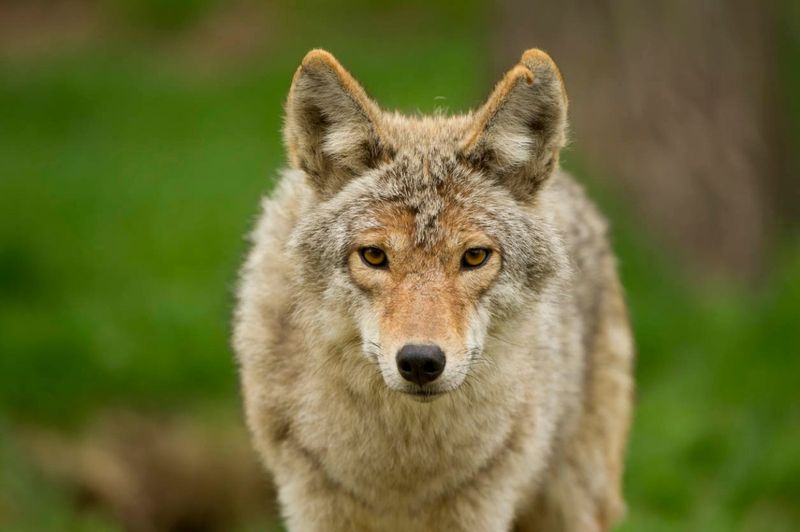
Here’s a craft project with a real purpose. Drop a handful of pennies or pebbles into an empty soda can, tape the top shut, and you’ve made a coyote shaker.
Give it a hard rattle and the clanking sound startles most coyotes. Air horns, whistles, and banging pots and pans work too.
The trick is surprise, because coyotes don’t like sudden, strange noises they can’t explain.
Keep a shaker or whistle by the back door or in your garden tool caddy. That way it’s handy whenever you head out to water the hydrangeas at dawn, when coyotes tend to be active.
4. Throw Small Objects Toward Them
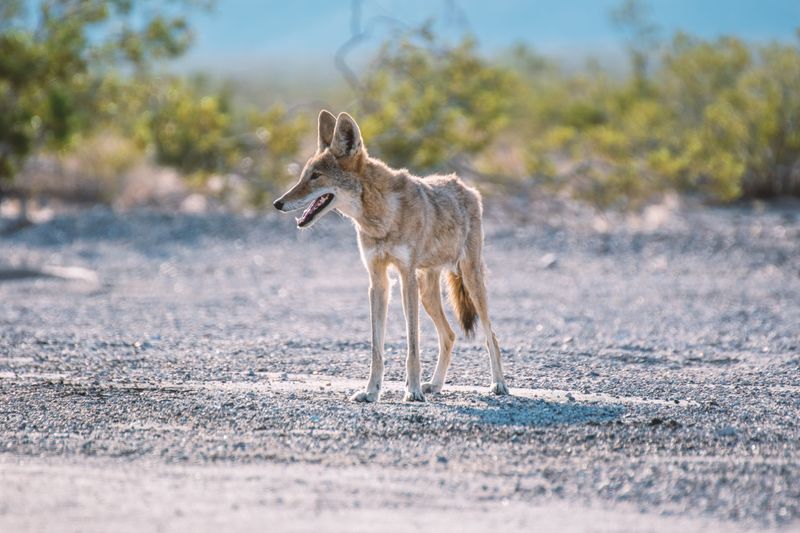
Aim matters here. The goal is to scare, not to hurt, so toss small sticks, pebbles, or tennis balls so they land near the coyote rather than on it.
A ball bouncing toward its feet sends a clear message: this yard is not a relaxing place to hang around. Pair each toss with a loud shout for extra effect.
A bucket of old tennis balls by the patio is a neat, harmless tool to keep around. Kids can help collect them afterward, which turns a scary moment into a lesson about sharing space with wildlife safely.
5. Spray With Water
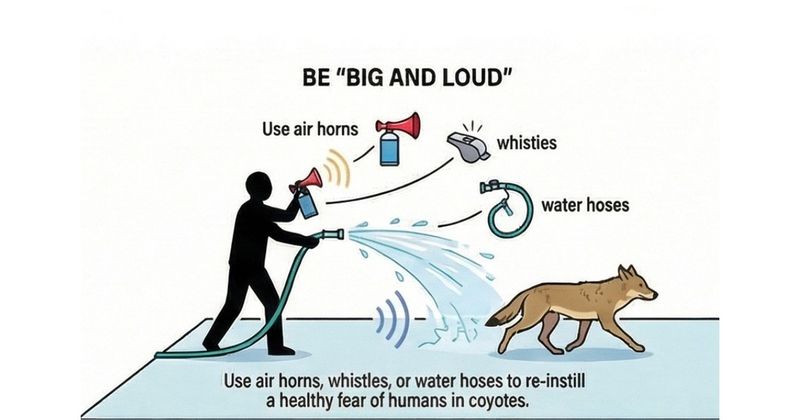
Gardeners have a secret weapon already coiled by the spigot. A strong blast from your garden hose is one of the easiest ways to make a coyote rethink its visit.
Nobody enjoys a surprise soaking, and coyotes are no exception. Turn the nozzle to the jet setting and aim the stream at the animal from a safe distance.
Some people keep a squirt gun filled with water and a splash of vinegar for an extra sting of scent.
Bonus: you were probably about to water your petunias anyway.
6. Maintain Eye Contact
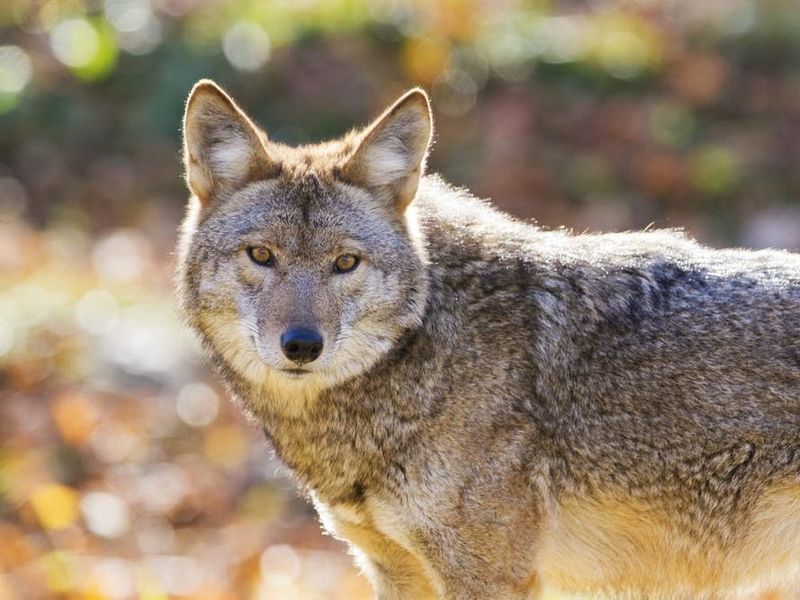
Prey animals look away. Predators stare.
Coyotes understand that language well.
Locking eyes with the coyote shows you’re not scared and not an easy target. It also helps you track exactly where it’s going, so it can’t slip behind a shed or circle toward your dog.
Keep your gaze steady while you yell, shake your can, or spray the hose. Looking away to grab something is fine for a second, but bring your eyes right back.
7. Keep Hazing Until They Completely Leave
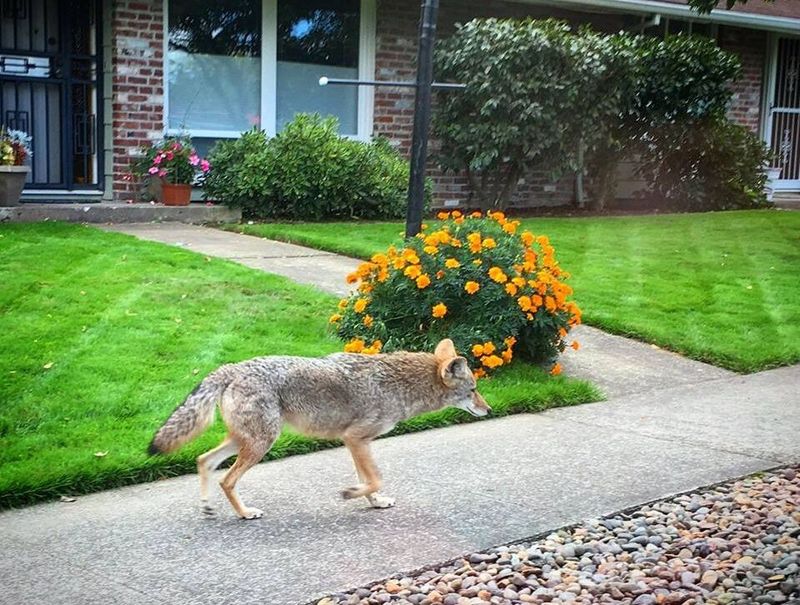
A coyote that steps back ten feet and then stops to watch you hasn’t really left. If you quit at that point, it learns that a little patience beats your noise.
Keep going until the animal is fully out of your yard and out of sight. Follow at a safe distance if needed, still clapping and shouting.
Persistence is what makes hazing work long term. Coyotes are smart learners, and a few consistent experiences teach them your property is a hassle.
Neighbors who haze the same way multiply that lesson across the whole block.
8. Immediately Pick Up Small Children and Pets
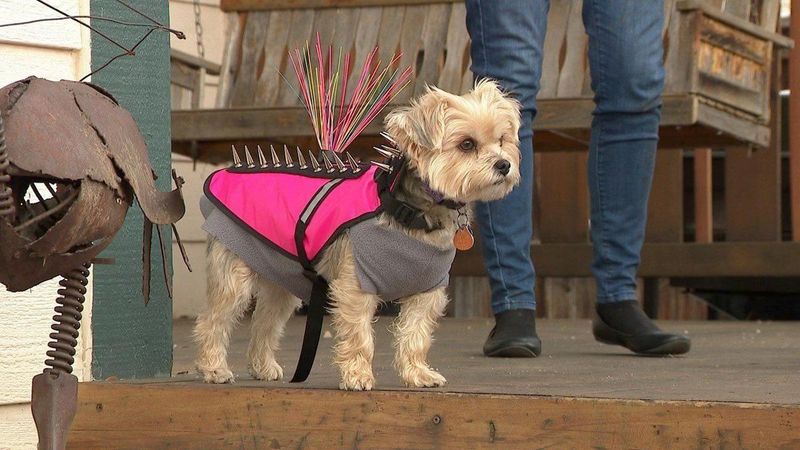
Small dogs, cats, and little kids should be your first concern. Coyotes rarely bother people, but small pets can look like prey.
Scoop up toddlers and tiny dogs right away and hold them close. Holding them up high also makes you look even bigger.
Bigger dogs should be leashed and kept at your side.
Once everyone is secure, you can keep hazing from a safer spot.
9. Back Away Slowly
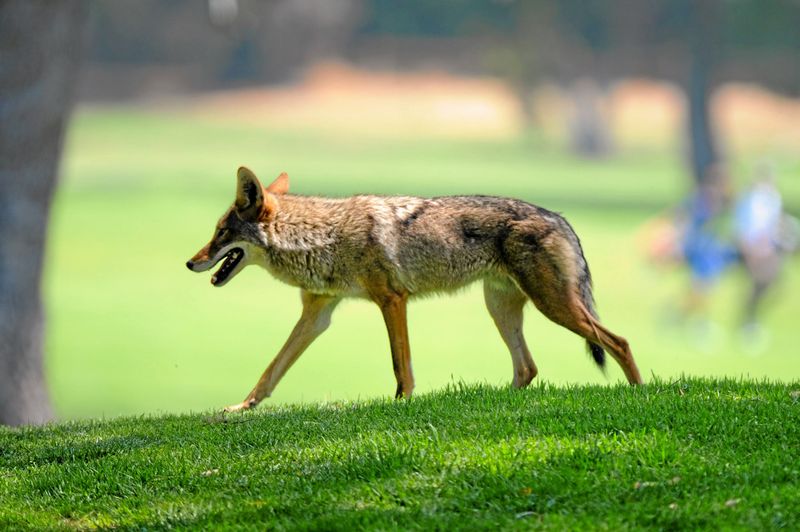
Retreating isn’t the same as running. Done right, backing away keeps you safe while still sending a confident message.
Take slow steps toward your door, garage, or porch while facing the coyote. Keep making noise as you go.
Glance behind you only briefly so you don’t trip over a garden hose or a pot of clematis.
This works well when a coyote won’t budge or when you have kids or pets with you. Once inside, watch from a window and call animal control if it lingers.
10. Remove All Food Attractants
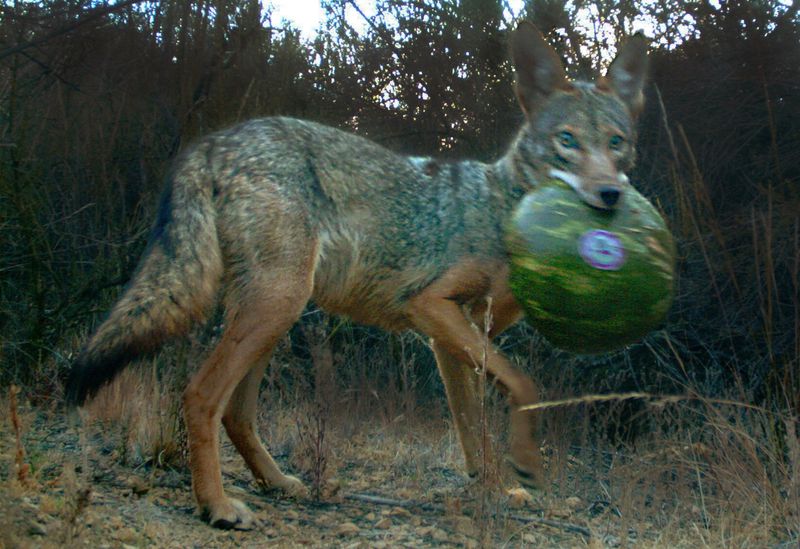
Ever wonder why a coyote picked your yard? Follow your nose.
Garbage, pet food, birdseed, and fallen fruit all smell like dinner.
Gardeners often miss one big attractant: split tomatoes and windfall fruit lying on the ground. Pick them up daily in mid-summer.
Keep compost in a closed bin, and avoid tossing meat or bones in it.
Bring pet bowls inside, lock trash lids, and scrub the grill after cookouts. Seed under feeders also draws rodents, which draw coyotes.
Cutting the buffet can reduce visits more than any other single step.
11. Supervise Pets Outdoors
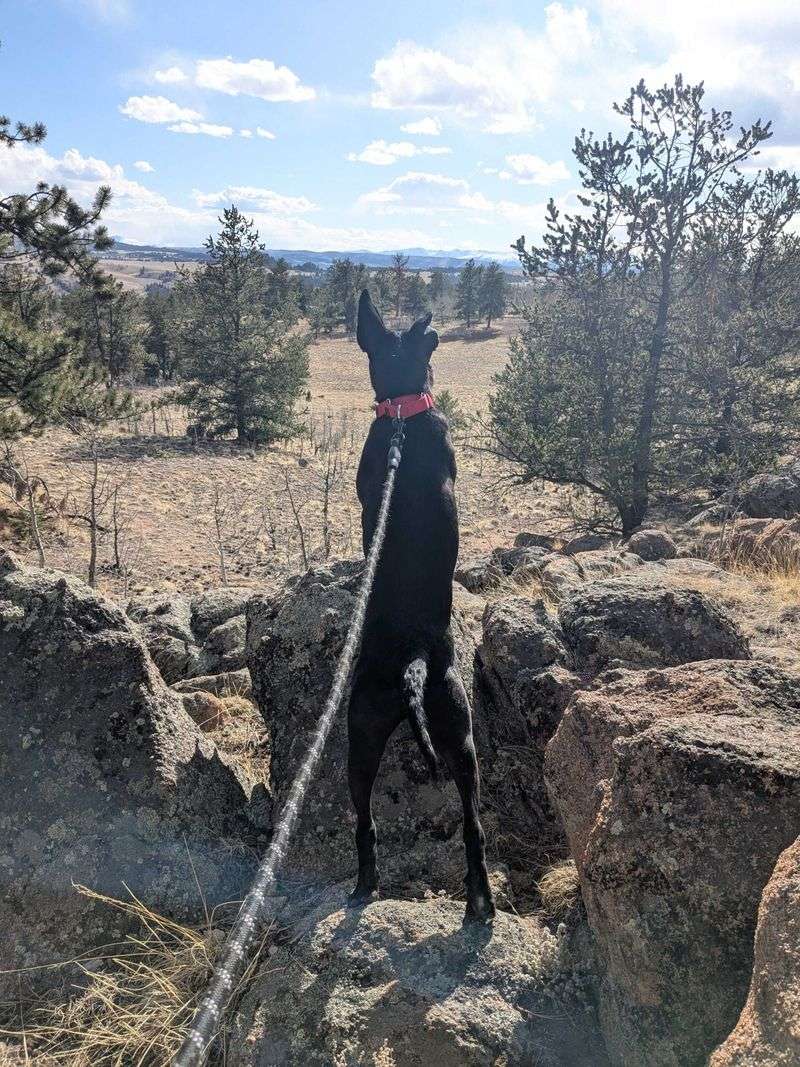
A fence feels safe, but coyotes can jump or climb surprisingly high. That’s why experts suggest staying with your dog outside, even in a fenced yard.
Dawn and dusk are prime coyote hours. Keep small dogs on a leash during those potty breaks, and keep cats indoors if you can.
Turning on a porch light and stepping out first gives any lurking coyote a heads-up that a human is coming.
12. Install Motion-Activated Deterrents
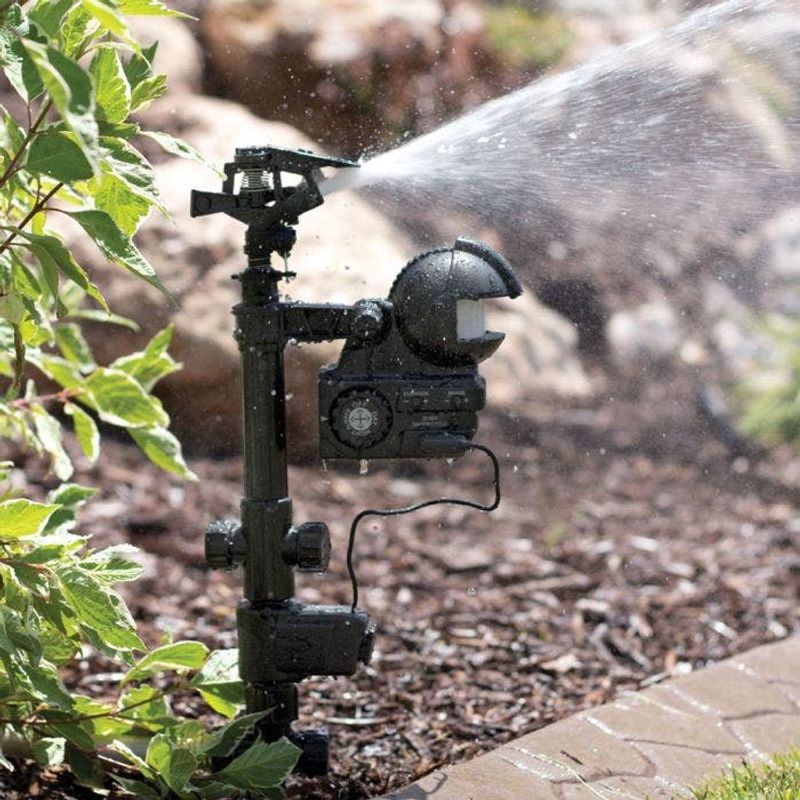
Think of these as a night guard that never sleeps. Motion-sensor lights and sprinklers react the moment something moves through your yard.
A sudden flood of light or a burst of water can startle a coyote into leaving. Motion sprinklers do double duty by spooking deer and rabbits away from your hydrangeas and hostas too.
Move them around every few weeks so wildlife doesn’t get used to them. Results vary, but they may help deter repeat visitors.
13. Secure Your Yard’s Perimeter
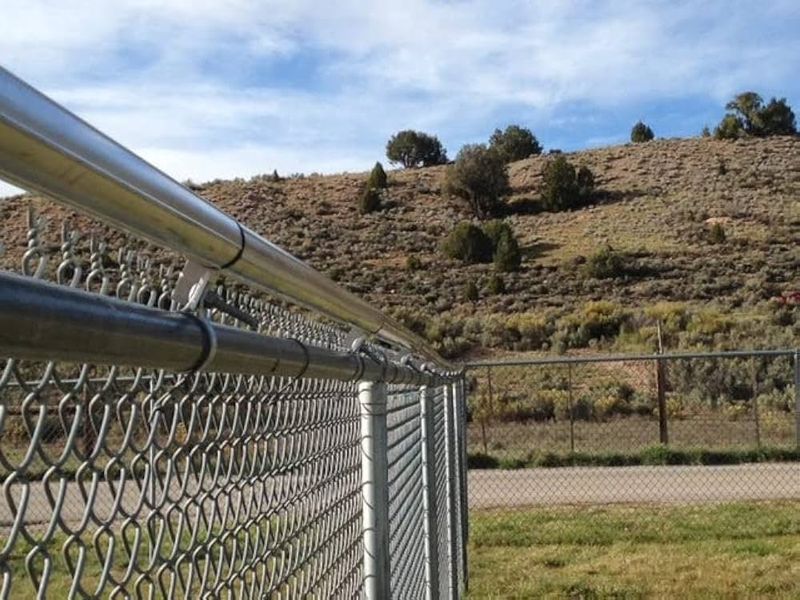
Fun fact: coyotes can clear a 6-foot fence with a good running start. They’re also expert diggers.
Aim for fencing at least 6 feet tall. Adding coyote rollers, spinning bars along the top, makes it hard for paws to grip.
Angled extensions pointing outward work too.
Bury the bottom at least 12 inches deep, or add an L-shaped wire apron to stop digging. Check gaps under gates often.
14. Eliminate Hiding Spots
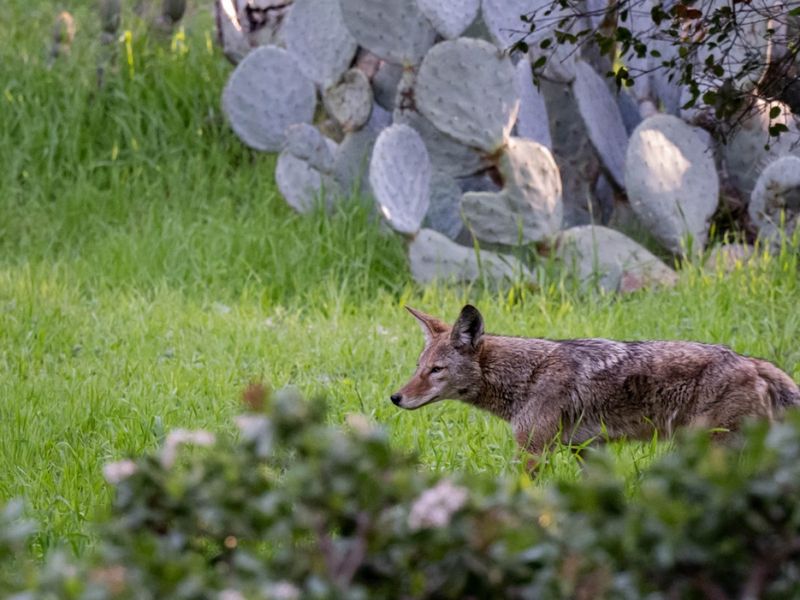
Thick brush and the shady space under a deck look cozy to us. To a coyote, they look like a perfect den.
Trim low branches on shrubs so you can see underneath. Clear brush piles and overgrown corners.
Seal openings under decks, porches, and sheds with sturdy wire mesh or lattice.
Do this in late fall or winter, before spring denning season. Always check that no animals are inside before closing a space off.
15. Report Aggressive Coyotes
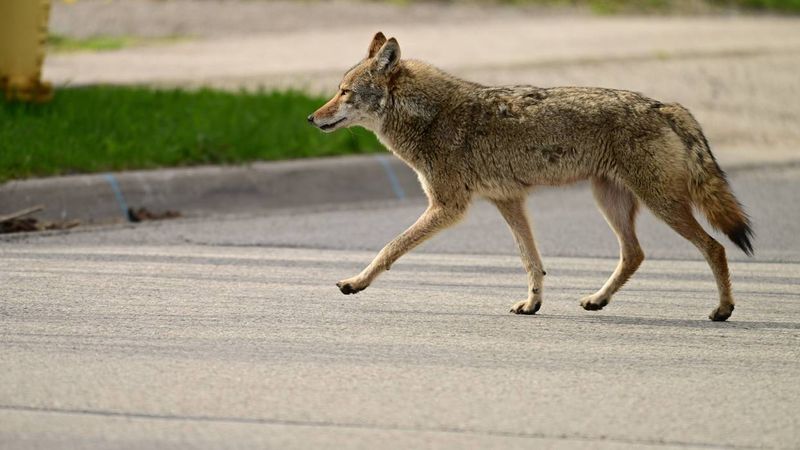
Most coyotes are shy and want nothing to do with you. A few, especially ones fed by people, lose that fear.
Call local animal control or your state wildlife agency if a coyote approaches people, follows you, ignores hazing, or keeps returning. Note the time, location, and behavior.
A photo from a safe distance helps.
Reporting protects your neighborhood and helps experts step in before anyone gets hurt. One clear takeaway for the whole list: stay calm, act big, and remove the reasons for coyotes to stick around.