
Those Pine Needles Piling Up Under Your Trees Aren’t Trash – 13 Smart Ways To Put Them To Work In Your Garden
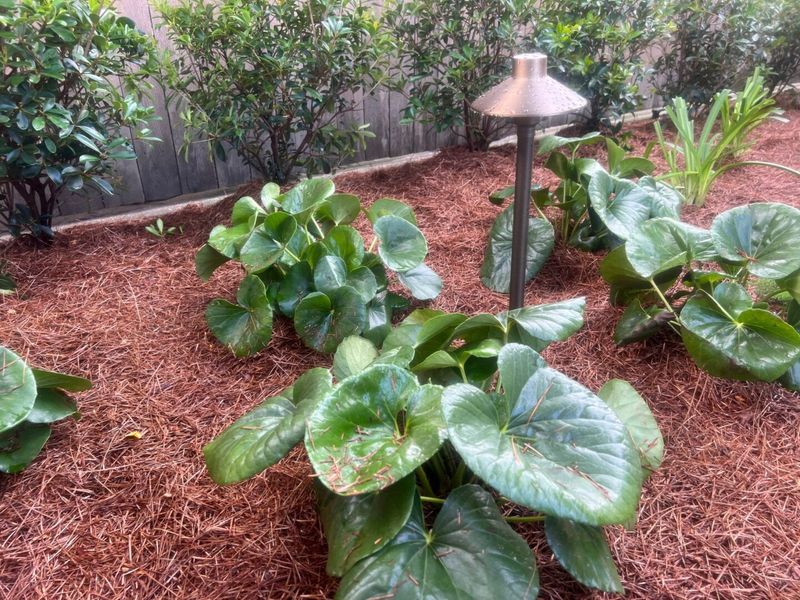
Every fall, that brown carpet under your pine trees seems to grow thicker, and raking it into bags feels like the only option. Here’s the good news: those needles are one of the most useful free materials your yard will ever give you.
They can protect your hydrangeas, keep your tomatoes healthier, and save you hours of weeding and watering. Before you haul another bag to the curb, take a look at these 13 ways to put them to work.
1. Mulch for Hydrangeas, Azaleas, and Other Acid Lovers
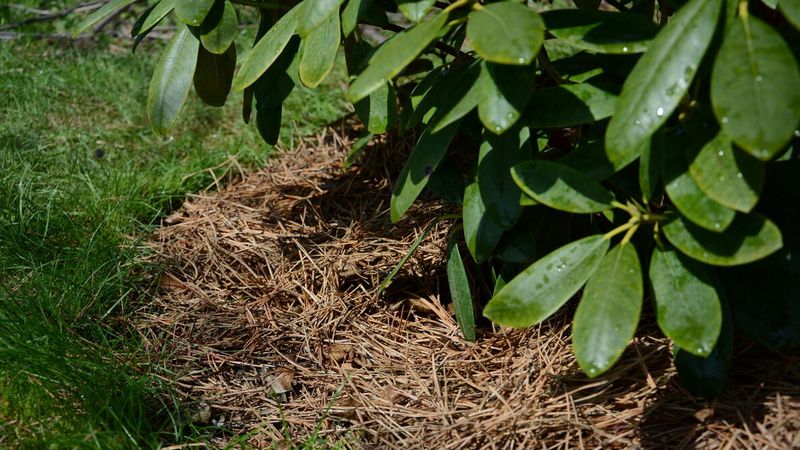
Blue hydrangeas that keep fading to muddy pink are often telling you something about the soil. Bigleaf hydrangeas, azaleas, rhododendrons, camellias, and blueberries all prefer slightly acidic ground, roughly a pH of 4.5 to 6.0.
Fresh pine needles start out a little acidic. Spread around the base of these shrubs, they may give the surface root zone a small acidic nudge as they break down, and they look tidy doing it.
Keep your expectations honest, though. Old brown needles change soil pH very little, so if your hydrangea blooms need a real color shift, pair the mulch with a soil test and a proper acidifier.
2. Weed Suppression Without Chemicals
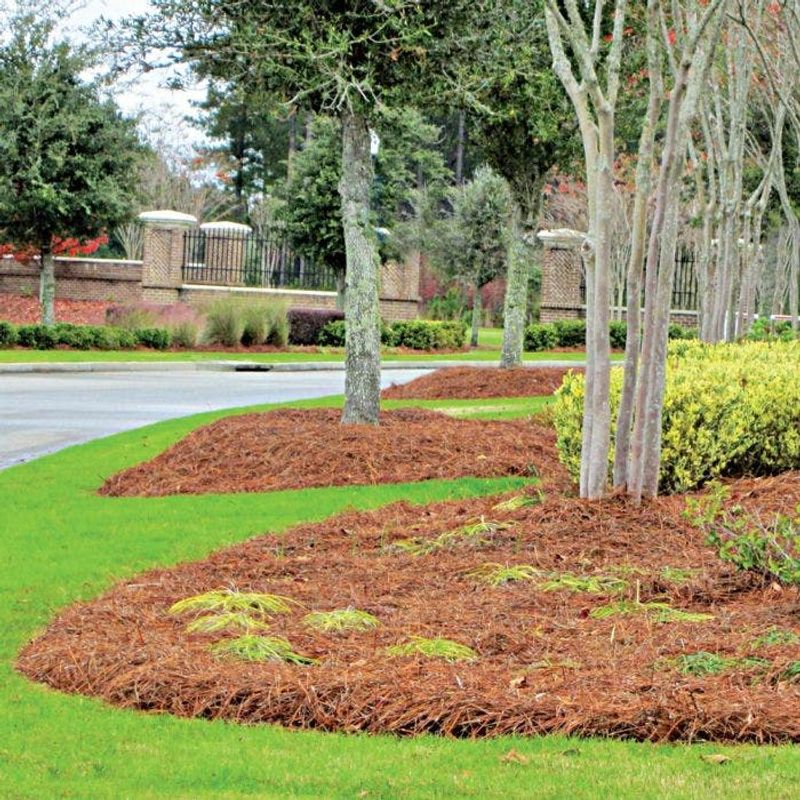
Pulling the same crabgrass out of your petunia bed every weekend gets old fast. Pine needles offer a simple way out.
A layer about 2 to 4 inches deep knits into a dense mat that blocks sunlight from reaching the soil. Without light, most weed seeds never get the signal to sprout, and the few that do often struggle to push through.
For best results, pull existing weeds first, then spread the needles. Top up the layer once or twice a year as it settles, and you can reduce weeding chores dramatically.
3. Moisture Retention During Hot, Dry Spells
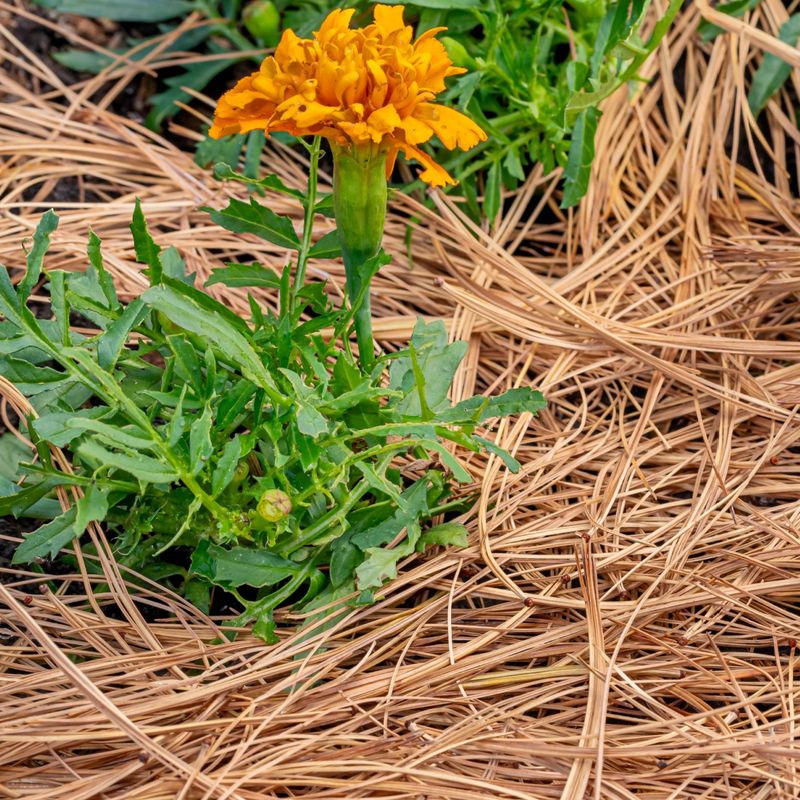
Picture a July afternoon when your geraniums droop by 3 p.m. even though you watered that morning. Bare soil loses water fast under strong sun, and roots pay the price.
Pine needles work like a breathable blanket over the ground. They slow evaporation so the soil stays damp longer, which means fewer emergency waterings and less wilting stress for your plants.
Water deeply before you mulch so you trap that moisture in. Then check by poking a finger beneath the layer before reaching for the hose again.
4. Root Insulation Against Heat and Cold
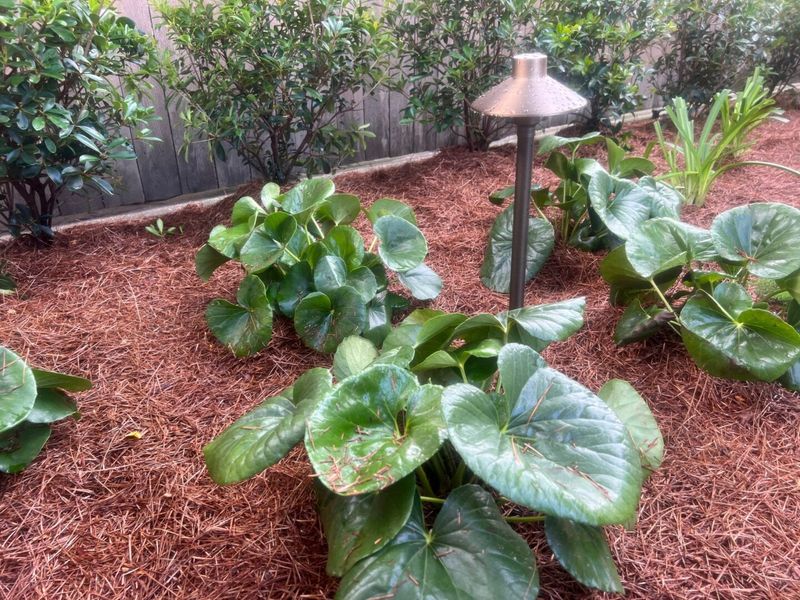
Clematis growers have an old saying: heads in the sun, feet in the shade. Those roots hate swinging between scorching and freezing, and plenty of other perennials feel the same way.
A pine needle layer buffers the soil, keeping it cooler in summer and steadier in winter. Fewer temperature swings mean less root stress and less heaving when the ground freezes and thaws.
Tuck a few inches around the base of your clematis, roses, or perennials. Just leave a small gap around stems so moisture doesn’t sit against them.
5. Erosion Control on Slopes
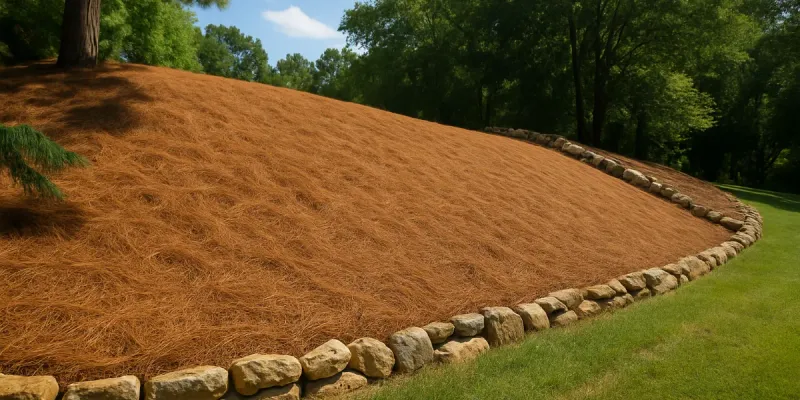
Bark mulch on a hillside has a sneaky habit of ending up at the bottom after the first big storm. Pine needles behave differently.
Their long, thin shape lets them weave together into a mat that clings to the slope. Rain soaks through instead of carrying soil away, so newly planted shrubs and groundcovers can settle in.
Fun fact: in the Southeast, pine straw is sold by the bale specifically for this job. If you have pines, you already own a free supply.
6. Soft, Rustic Garden Pathways
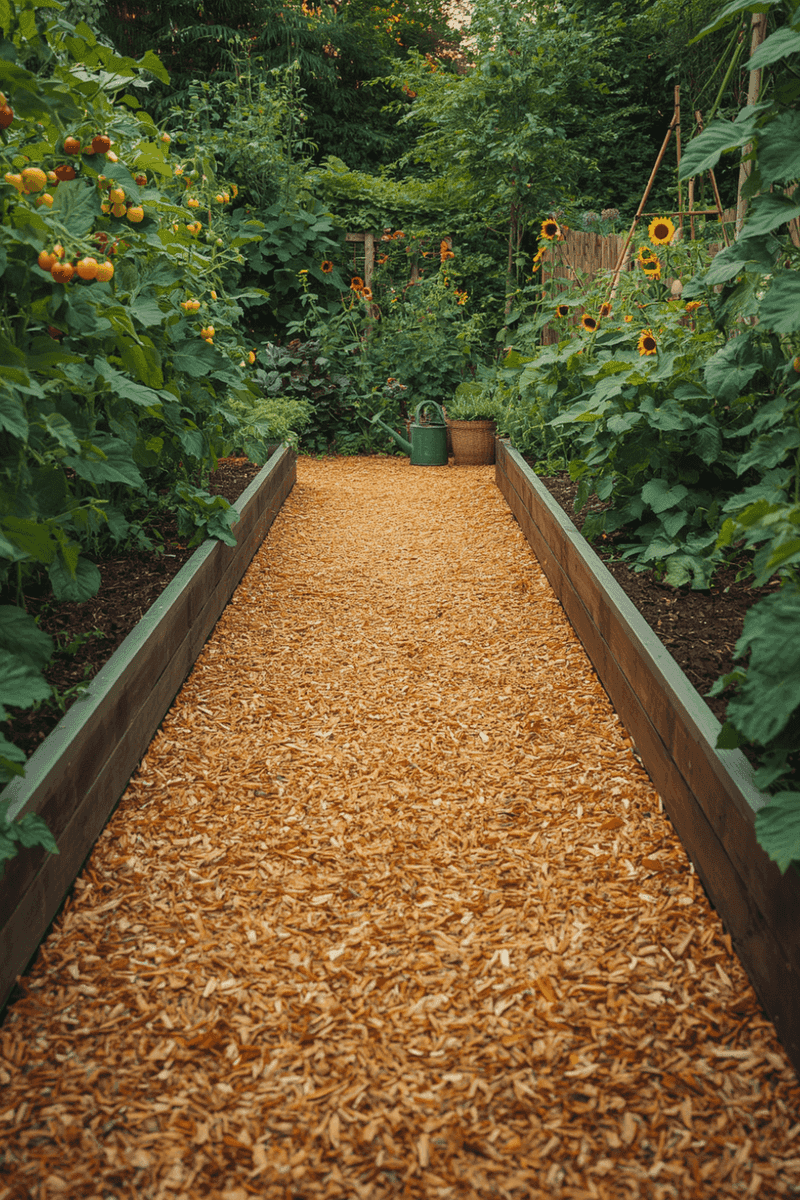
Muddy boots tracking through the house after checking the vegetable patch? A pine needle path might be the fix.
Spread a thick layer between raised beds or along a walkway. It feels springy underfoot, keeps mud down after rain, and gives a cozy woodland look that gravel can’t match.
Paths do compress with foot traffic, so plan to add fresh needles every season. The old ones can be raked into beds as mulch, so nothing goes to waste.
7. Better Soil Aeration and Drainage
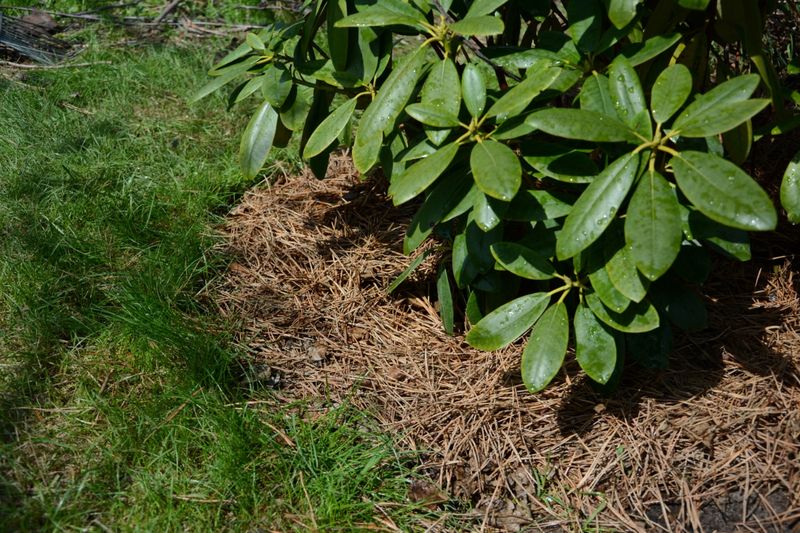
Some mulches, like fine shredded bark or grass clippings, can pack into a soggy crust. Roots underneath slowly suffocate.
Pine needles resist compaction because they stack loosely, leaving tiny air pockets throughout. Water drains through, and oxygen still reaches the root zone.
That matters most for shallow-rooted plants like azaleas and blueberries, which can rot in waterlogged ground. If your beds stay wet after storms, needles are a smart swap.
8. A Carbon Boost for Your Compost Pile
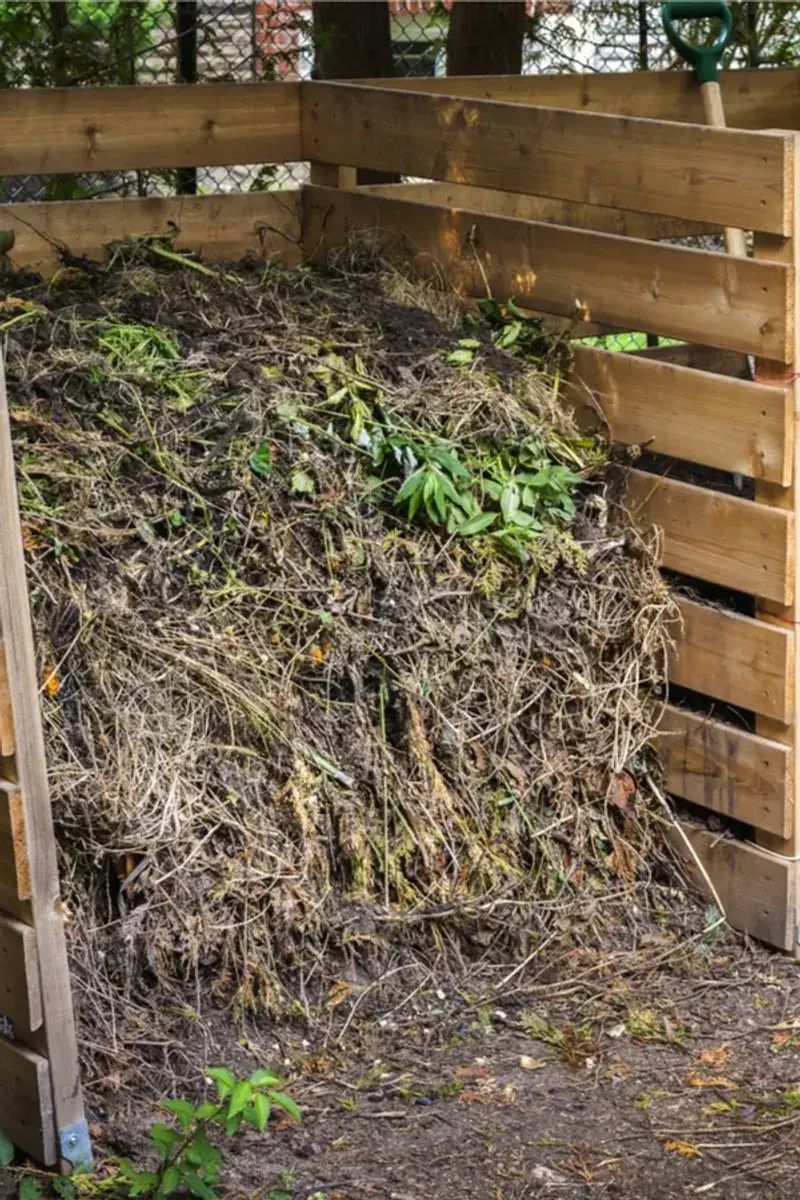
Too many kitchen scraps and grass clippings can turn a compost pile into a slimy, smelly mess. What it needs is more brown material.
Pine needles are carbon-rich browns that also create air pockets, helping the pile breathe and heat up. Mix them in layers with your greens.
They do break down slowly thanks to their waxy coating. Running them over with a lawn mower first speeds things up, and keeping them to about 10 percent of the pile is a good rule.
9. Slug and Snail Deterrent
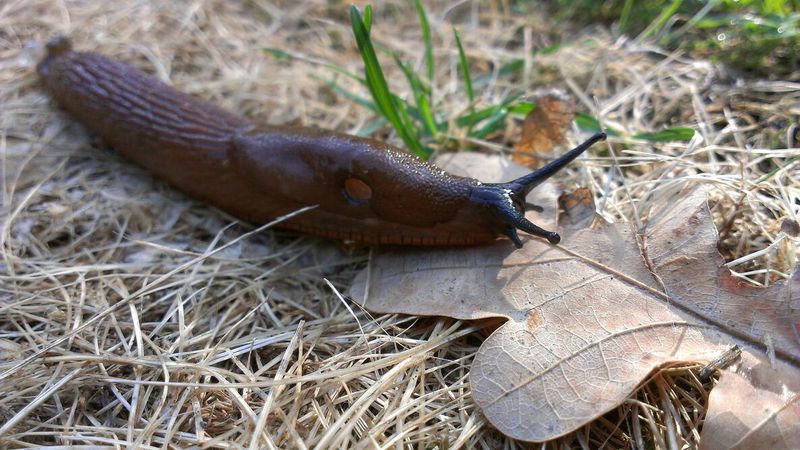
Waking up to lacy, chewed hosta leaves is a classic heartbreak. Slugs and snails do their damage at night and vanish by morning.
These soft-bodied pests prefer smooth, moist surfaces. A ring of sharp, scratchy pine needles around vulnerable plants may help deter them from crawling across.
It won’t stop every slug, so think of it as one layer of defense. Combine it with hand-picking at dusk or a beer trap for better results.
10. Help Discouraging Rats, Rabbits, and Deer
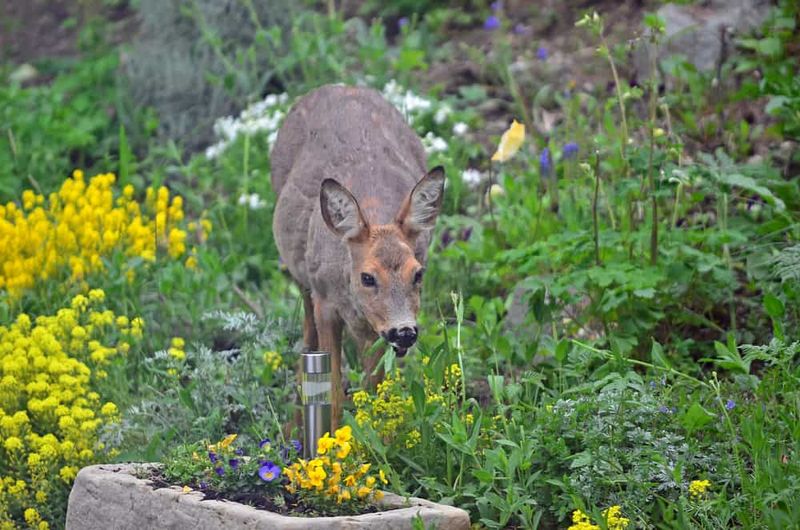
Gardeners swap plenty of stories about critters avoiding pine-mulched beds, and there’s some logic behind it. The prickly texture and resinous scent can make an area less inviting.
Rats may prefer to avoid digging through it, and some people report fewer rabbit and deer visits. Evidence here is mostly anecdotal, so treat it as a bonus rather than a guarantee.
For serious deer or rabbit pressure, fencing still wins. Pine needles simply add another small hurdle for free.
11. Winter Protection for Hydrangea Buds
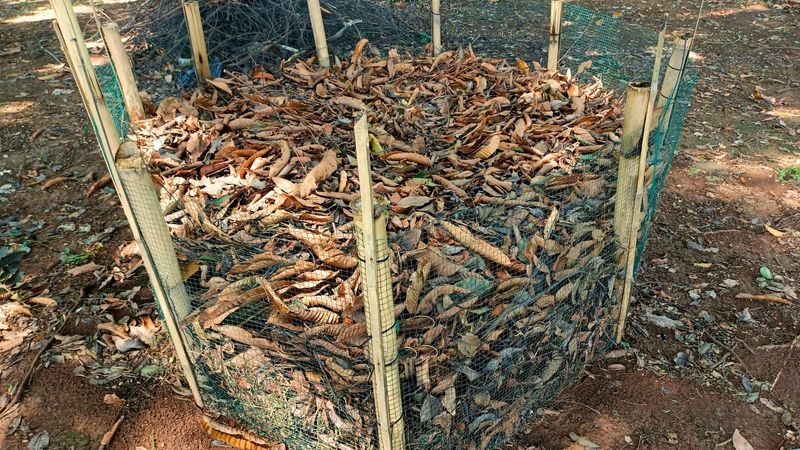
Nothing stings like a bigleaf hydrangea that leafs out beautifully in spring and then refuses to bloom. Often the culprit is winter cold killing the flower buds, which form on old wood the summer before.
Pine needles can come to the rescue. Build a simple cage of chicken wire or burlap around the shrub after it goes dormant, then fill it loosely with needles to insulate those precious buds.
Needles stay airy and won’t mat down or hold excess moisture like wet leaves can. Remove the cage gradually in spring once hard freezes pass.
12. Strawberry Bed Mulch
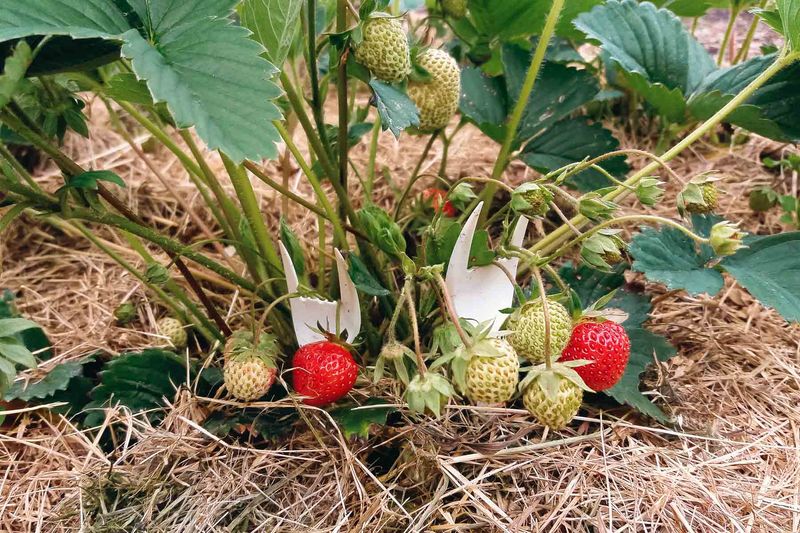
There’s a reason strawberries have straw in their name. Berries resting on bare soil tend to rot, get gritty, or become slug snacks.
Pine needles work beautifully here. They cradle the fruit off the ground, let air and water through, and stay loose enough for runners to root.
Spread them in late spring as the first flowers appear. In cold regions, a thicker layer after the first hard frost helps shield crowns through winter.
13. Blight Defense for Tomato Plants
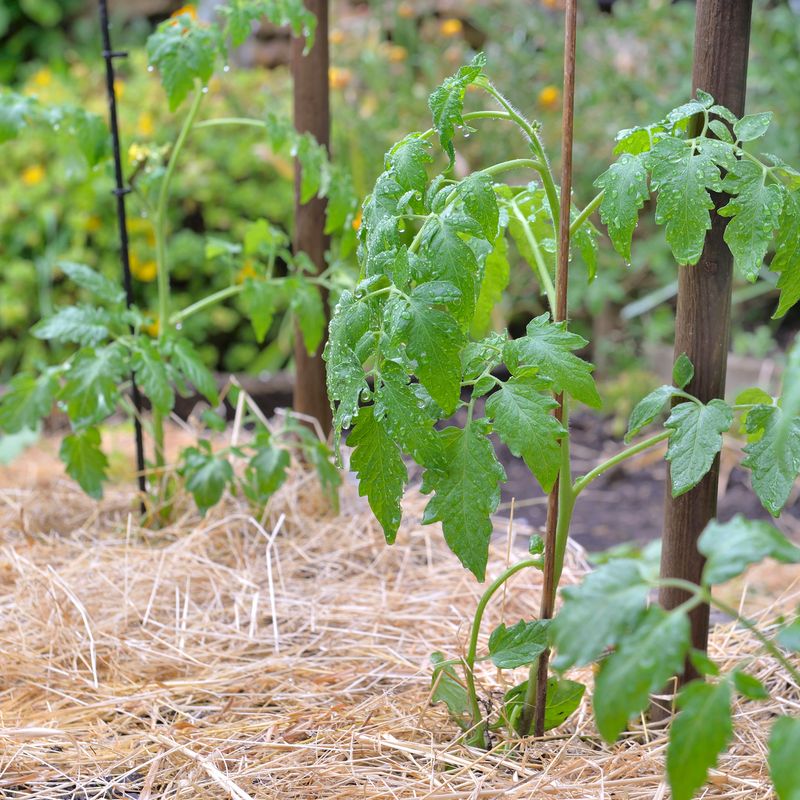
Yellow, spotted lower leaves creeping up your tomato plants by midsummer? Early blight and similar diseases often start when rain or watering splashes soil-borne spores onto foliage.
A pine needle mulch acts as a splash guard. It can reduce how much soil reaches the leaves, which may slow disease spread.
Also prune the lowest leaves and water at the base rather than overhead. Don’t worry about acidity, since needles barely shift pH, and tomatoes tolerate slightly acidic soil just fine.