
Protecting Exposed North Carolina Clay Beds Over Winter: What Leaves and Cover Crops Can Do
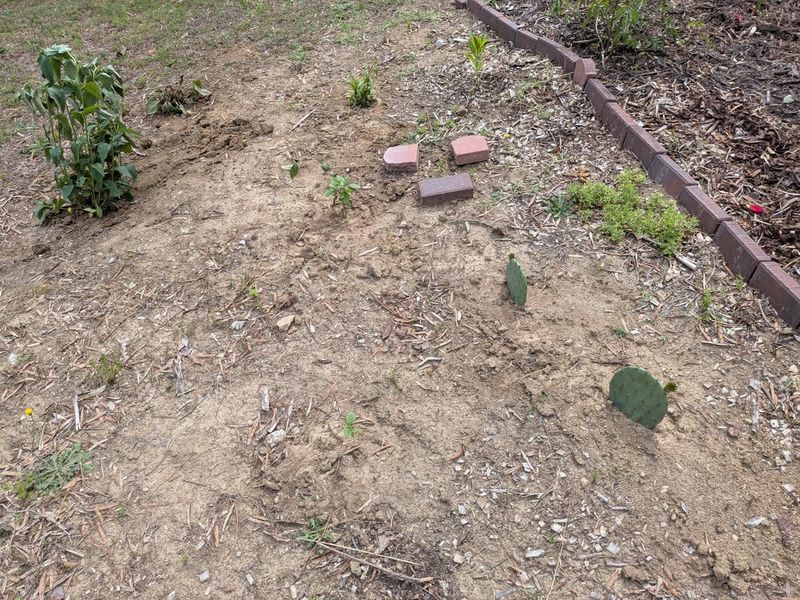
Bare clay beds look harmless in November, but winter rain and foot traffic can leave the soil crusted, packed, and hard to plant. A simple cover of shredded leaves or the right cover crop can shield that soil while your garden rests.
Neither one is a magic cure for compacted clay, and timing matters a lot across the mountains, Piedmont, and Coastal Plain. Here is what each option can really do for your yard before spring.
Cover the surface, but do not promise a spring cure
Picture a heavy November downpour hitting a bare bed. Raindrops strike the surface, splash soil around, and can leave a thin, hard crust once it dries.
Sloped beds can also lose soil to runoff. University of Minnesota Extension notes that mulch protects soil from heavy rainfall and reduces surface crusting and erosion.
Living cover does similar work. NC State’s Extension Gardener Handbook lists reduced erosion, weed suppression, added organic matter, and help aerating compacted soils among the benefits of cover crops.
So the case for covering exposed soil is solid.
Still, crusting and compaction are not the same thing. Rain can crust and erode a surface, but compaction mostly comes from pressure, and NC State points to traffic on wet soil as a major cause.
A bare bed that nobody steps on will not necessarily pack down just because winter rain falls on it.
That is why this article treats winter cover as a protective option, not a guarantee. No single treatment will make every clay bed loose by spring, and no one method suits every yard.
Your soil, your weather, and how you manage the bed all shape the result. Think of cover as a way to protect what you have while giving the soil a better chance to improve over time.
Shredded leaves offer a simple small-bed option
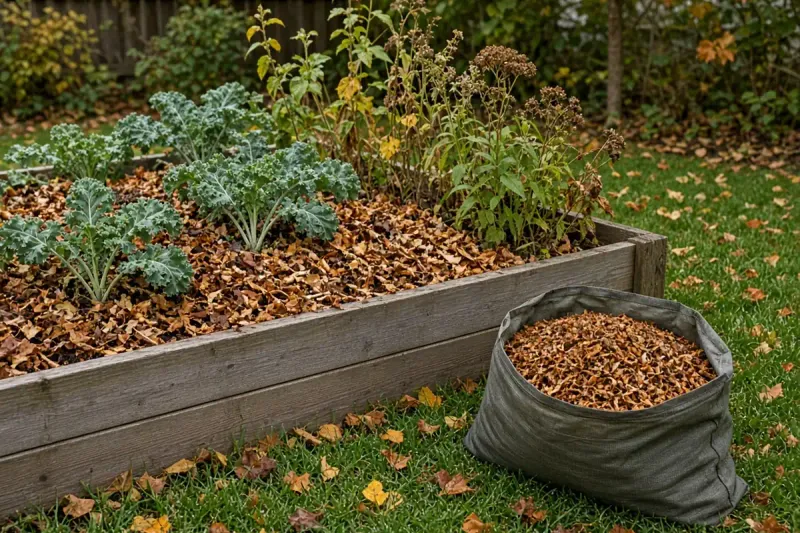
Your own trees may already be delivering the supplies. Fallen leaves are free, and for a small backyard bed, a rake, a mower, and a wheelbarrow cover most of the work.
Running a mower over a pile chops the leaves into smaller pieces that settle in loosely.
Shredding matters because whole leaves, especially broad ones, tend to mat into a soggy sheet. Penn State Extension says shredded leaves are less prone to matting and recommends 2 to 4 inches of shredded leaves as mulch in perennial beds.
That figure is Penn State’s guidance for perennial beds, so adjust it for your own plants and keep leaves from piling against stems.
As leaves break down, they add organic matter to the soil. That is a slow, gradual process.
Leaves protect the surface right away, but they do not instantly change the mineral makeup of clay, and NC State’s soil guidance stresses that amendments and compaction management have limits that depend on the site.
So treat a leaf layer as surface mulch, not a quick fix for deep compaction. If your bed was packed down by construction equipment years ago, leaves will help protect the top, but they will not reach the problem below.
Cover-crop roots can support soil structure over time
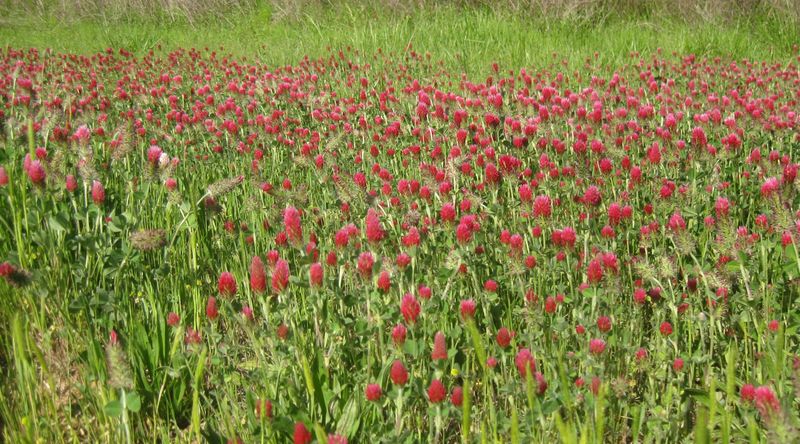
A cover crop works differently from a blanket of leaves. Instead of sitting on top, it puts down roots, grows leaves of its own, and keeps something alive in the bed through the cool months.
Roots push through soil, leave channels behind, and feed the organisms that help soil clump into crumbly aggregates.
According to NC State’s organic gardening chapter, cover crops can reduce erosion, suppress weeds, add organic matter, and help aerate compacted soils. Those are real advantages, and they are the reason some gardeners prefer seed over leaves.
The catch is that these are potential benefits. A cover crop has to sprout, grow well, and be managed properly.
A patchy stand that struggles in cold weather will do far less than a thick one, and NC State’s winter cover crop guidance shows that crop choice and planting date strongly affect how well plants establish.
Be realistic about compaction, too. Roots may help loosen the top layer of a mildly packed bed, but severity and depth matter.
Deep or construction-related compaction will not vanish in one winter. Expect gradual gains that build over several seasons of covering the soil rather than a dramatic change by April.
North Carolina planting windows depend on your region
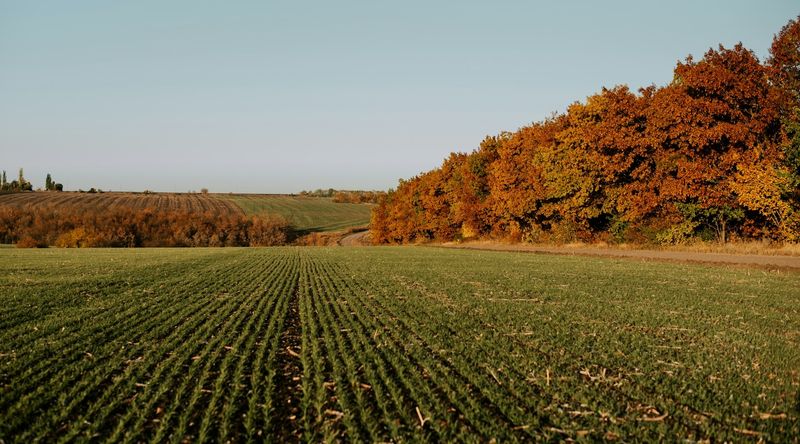
North Carolina stretches from Blue Ridge ridgelines to Atlantic marshes, so no single planting date fits everyone. Mountain gardeners face frost early, while coastal gardeners can often sow much later.
Soils differ too, and the Coastal Plain has sandier, heavily cultivated ground compared with the red clay many Piedmont homeowners know well.
NC State’s winter annual cover crop guidance lists separate windows for the mountains, Piedmont, and Coastal Plain. As examples, it gives rye windows of August 15 to October 30 in the mountains, September 15 to November 15 in the Piedmont, and September 30 to December 15 on the Coastal Plain.
Treat those as examples, not guarantees, since a backyard bed may behave differently from a field.
Timing is the tricky part today. With the calendar at November 1, 2026, some windows have already closed, while others may still be open for certain crops and regions.
A mountain gardener may be too late for rye, while a Piedmont or coastal gardener may still have room.
Late sowing can reduce establishment or raise the risk of winter-kill, so a thin, weak stand is a real possibility. Before buying seed, find the window for your region and crop, then read the seed packet instructions.
If your window has passed, shredded leaves are a sensible fallback.
Plan spring termination before you sow
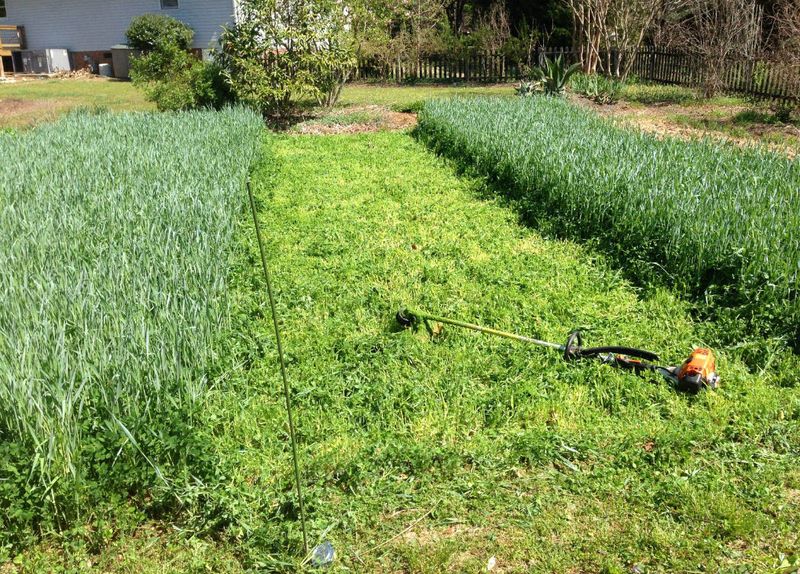
Sowing seed is the easy half. Every cover crop eventually has to stop growing so your tomatoes, beans, or flowers can take its place, and the way that happens depends on the crop you choose.
Some crops winter-kill, meaning a hard freeze ends their growth and leaves a mat of residue. Others keep growing into spring and must be cut, smothered, or otherwise terminated.
Knowing which type you planted saves a scramble in April, and NC State’s cover crop guidance notes that cover crop management affects later planting and water availability.
Living cover can also compete with spring plantings for moisture, especially if a dry spell arrives while it is still green. Residue matters too.
University of Maryland Extension’s home garden guidance says spring planting may be delayed while terminated crop residue breaks down.
Weigh those tradeoffs now. If you want to plant early transplants in March, a cover crop that needs weeks to break down may not suit you.
A winter-killed crop or a layer of shredded leaves may fit better. Either way, decide on your spring plan before the seed goes in the ground.
Protect wet clay from footsteps and tillage
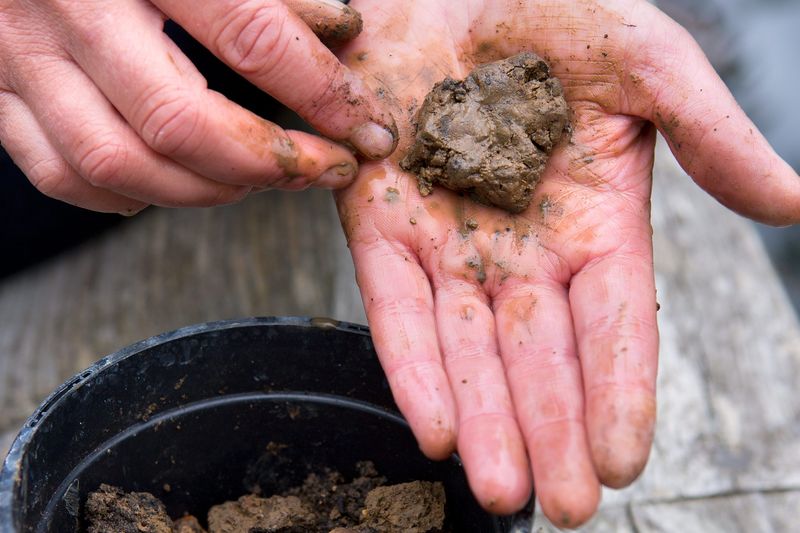
Few habits do more harm than stepping into a soggy bed to tidy up. Wet clay has little strength, so weight squeezes out air and pore space.
NC State identifies traffic on wet soil as a source of compaction, so wait until the soil dries enough to crumble before working near it.
Tilling is no safer. Utah State Extension warns that working wet clay can produce large, hard clods that are tough to break apart.
Stay out of the bed and let it rest.
It helps to separate two ideas. Clay naturally holds water and can drain slowly, which is a feature of the soil type.
Compaction is a separate physical problem that can restrict pore space and root growth, as described in Utah State’s soil structure guide. A bed can be clay without being badly compacted.
Surface cover cannot be assumed to repair deep or construction-related compaction in one winter, and NC State’s soil modification advice stresses limits that depend on the site. Skip the sand, too.
University of Illinois Extension explains that mixing the wrong amounts of sand and clay can create a very dense material.
Give spring a protected starting point
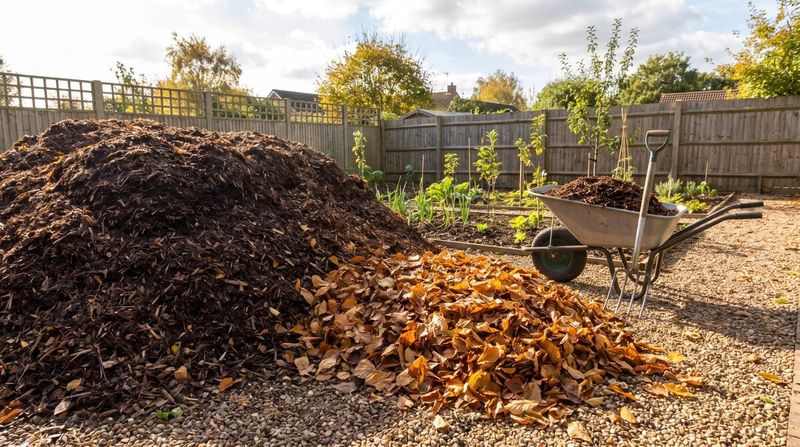
Start with a quick check. If your region’s window is still open and you have a spring plan, a cover crop can offer benefits NC State describes.
If the window has passed or spring timing is tight, spread 2 to 4 inches of shredded leaves, per Penn State’s perennial bed guidance.
Either way, stay off wet soil. The payoff is a protected surface and possible longer-term gains, not a cure for compacted clay.
Soil rewards patience more than shortcuts.