
Leggy Jade Plant Rescue: Brighter Light and Smart Pruning for a Fuller Shape
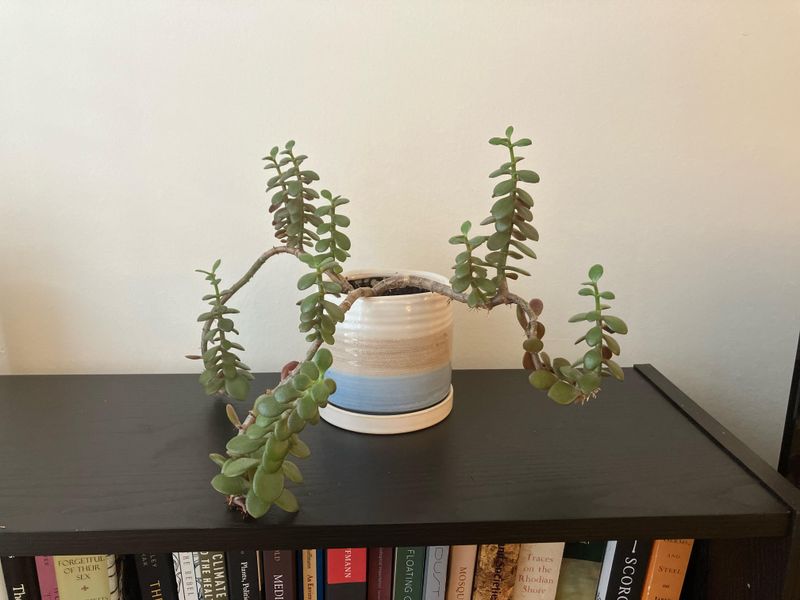
Your jade plant used to look sturdy and full, and now it has long, floppy stems with big gaps between the leaves. Before you give up on it, know that this is a common problem with a fixable cause.
The fix is a mix of better light and a few careful cuts, not a brand new plant. Here is how to help your jade grow back into a better shape without making things worse.
Long gaps between leaves can point to low light
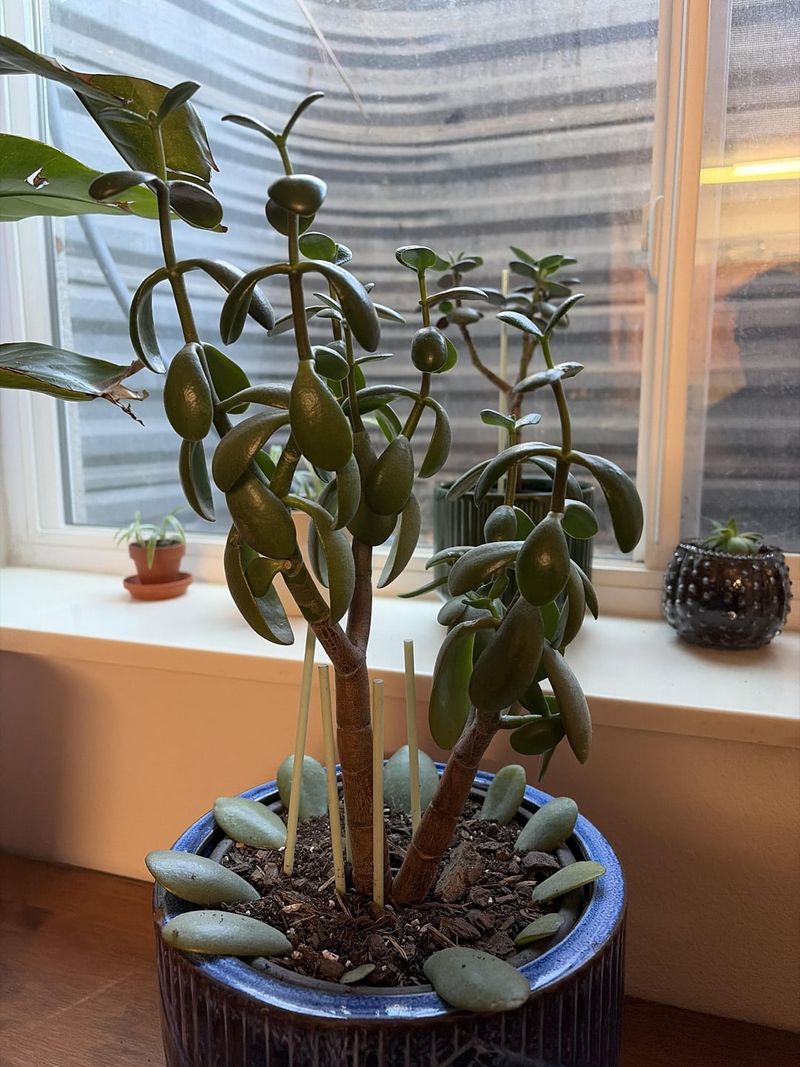
Look closely at your jade. If the stems are long and thin, and the leaves sit far apart with bare stretches between them, the plant is probably reaching for something it is not getting enough of.
That something is usually light.
Stretched, weak stems and big gaps between leaves are classic signs of low light, as UC IPM’s houseplant guidance explains. A dim winter window is a very common setup for this problem.
Short days and a low sun angle can leave a jade with much less light than it enjoyed in summer.
Still, looks alone do not tell the whole story. Yellow leaves or leaves dropping can come from cold, overwatering, poor drainage, or pests, so check the soil, the pot, and the leaf undersides before you decide light is the only culprit.
Low light is a likely suspect, not a verdict for every struggling jade.
Here is the candid part about trimming. Pruning can change how your jade looks and encourage it to branch, as the New York Botanical Garden’s jade guide describes.
But if the plant stays in a dim spot, the new growth may stretch out the same way. Cutting reshapes what you already have, while brighter light helps the next growth come in healthier.
Give the jade brighter light gradually
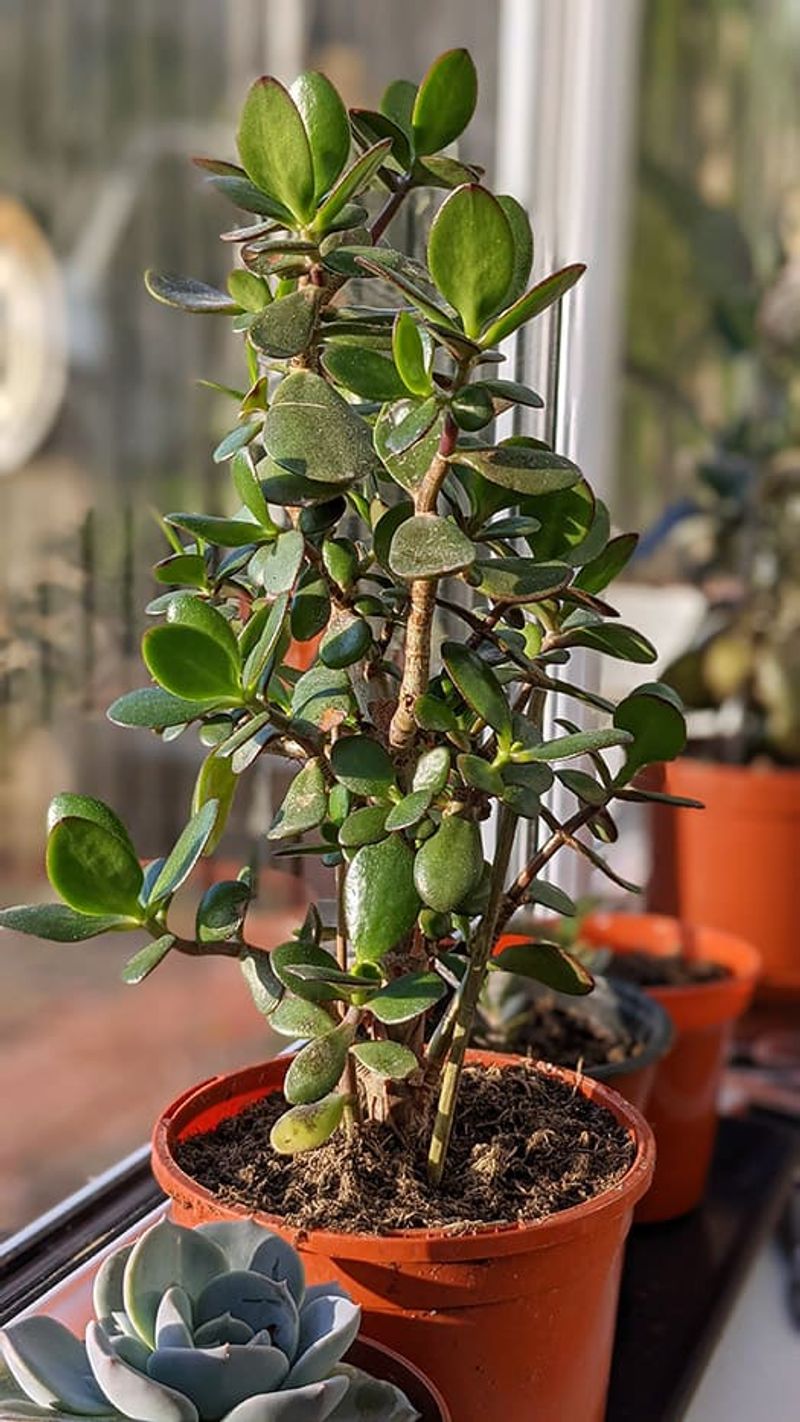
Light comes first, even before you pick up the shears. Jade is a sun-loving succulent, and it does best in bright conditions.
Moving it closer to your brightest window is the single most useful change you can make.
Guidance on exact exposure varies. University of Illinois Extension says jade does best with four or more hours of direct sun, while other sources describe bright light or bright indirect light as enough.
Treat these as a range rather than one magic number. Your home, window direction, and region all change what your plant actually receives.
The key word is gradual. A jade that has lived in subdued light can scorch if you suddenly park it in intense sun, a warning also raised in University of Connecticut’s jade fact sheet.
Scorched leaves can look pale, bleached, or brown and crispy.
A simple approach is to move the plant a little closer to the bright window every week or so. You can also start with a spot that gets bright light but only a bit of direct sun, then add more over time.
Watch the leaves as you go. If they look healthy, keep going.
If you see bleached patches, back off a step.
Should you prune in winter or wait for spring?
Plenty of advice says to trim a leggy jade in winter. The guidance reviewed for this article points somewhere else.
NYBG recommends early spring for pruning jade, and Wisconsin Extension likewise says spring is best. So a big winter reshape is not the best-supported plan.
That does not mean you can never touch the plant before spring. A small corrective cut, like snipping off one broken or clearly misshapen branch, is a different thing from chopping the plant back hard.
The sources do not set a universal winter rule, so go lightly if you cut at all, and save the larger reshape for spring.
There is one more reason to hold back. Mature jade plants can flower in winter, though UConn notes and the Chicago Botanic Garden says indoor blooming is uncommon.
If your plant is budding or blooming, trimming could remove branch tips and the flowers with them.
Use the waiting time well. Spend winter improving the light, and plan your bigger cuts for when the days lengthen.
Make a few deliberate cuts to shape the plant
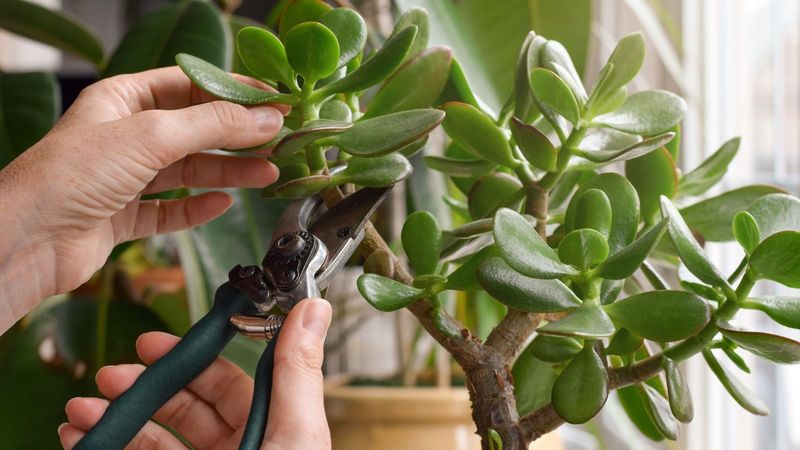
When you are ready to trim, think small and purposeful. Start with clean tools.
Sharp, sterile shears make neat cuts that heal better, and wiping the blades with rubbing alcohol is an easy way to sterilize them.
Begin by removing anything unhealthy or misshapen, such as shriveled, damaged, or awkwardly crossing branches. NYBG suggests doing that first, then shaping from there.
Make each cut just above a node, the spot where leaves grow or used to grow, or cut back to a lateral branch.
Go easy on how much you remove. NYBG advises cutting back no more than one-third of the growth.
For a very leggy plant, that may mean shaping it over more than one season instead of doing everything at once.
Step back after every few cuts and look at the overall outline. Aim for a balanced form with some branches shortened and some left alone.
As for results, selective cuts can encourage branching and improve shape, and Wisconsin Extension’s jade page recommends spring for this work. The sources do not promise how dense the plant will get or how fast.
Think of pruning as a nudge, and give the plant time.
Winter care still depends on the soil and the spot
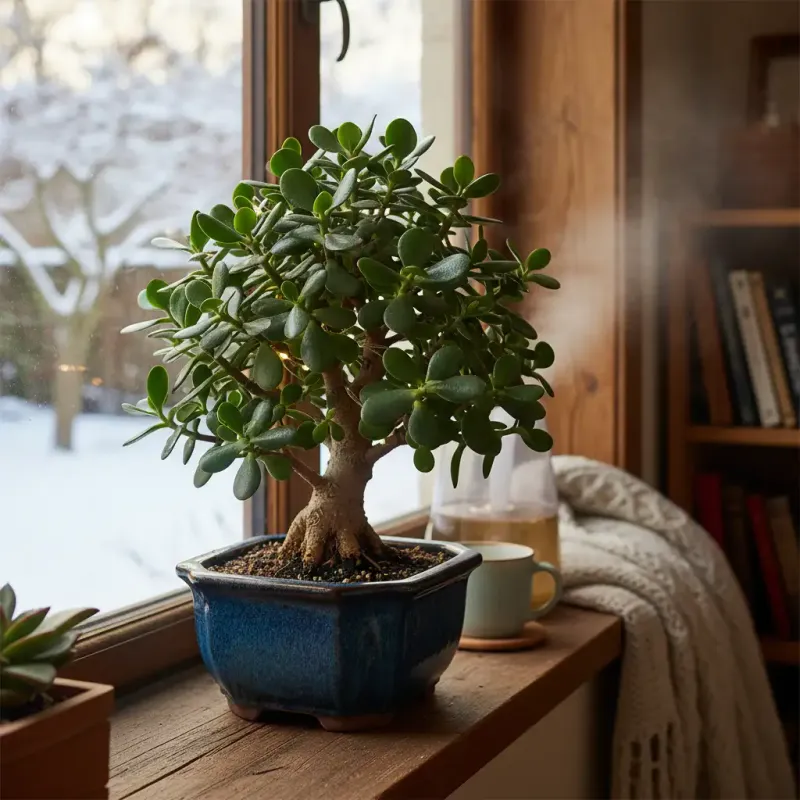
A fresh trim is not a signal to water more. Jade is a succulent, and its growth and water use commonly slow in winter.
Extra water on a plant with fewer leaves and slower growth can lead to soggy soil and root trouble.
Let the soil dry between waterings and water less than you would during active growth, as UConn’s fact sheet and Wisconsin Extension describe. Skip the rigid calendar.
A cool, dim room dries soil slowly, while a warm, bright one dries it faster. Poke a finger into the soil, and never let the pot sit in a saucer of water.
Where you park the plant matters too. Cold window glass and drafts can stress a jade, so keep leaves from pressing against chilly panes and move the pot away from door gaps and vents.
For temperature, Colorado State University Extension gives daytime temperatures of 65 to 75°F and nighttime temperatures of 50 to 55°F as guidance. Treat those numbers as a helpful target, not a strict requirement.
Winter behavior also varies. Not every jade slows to a full rest, so let the plant and the soil tell you what it needs.
Healthy trimmings can be saved
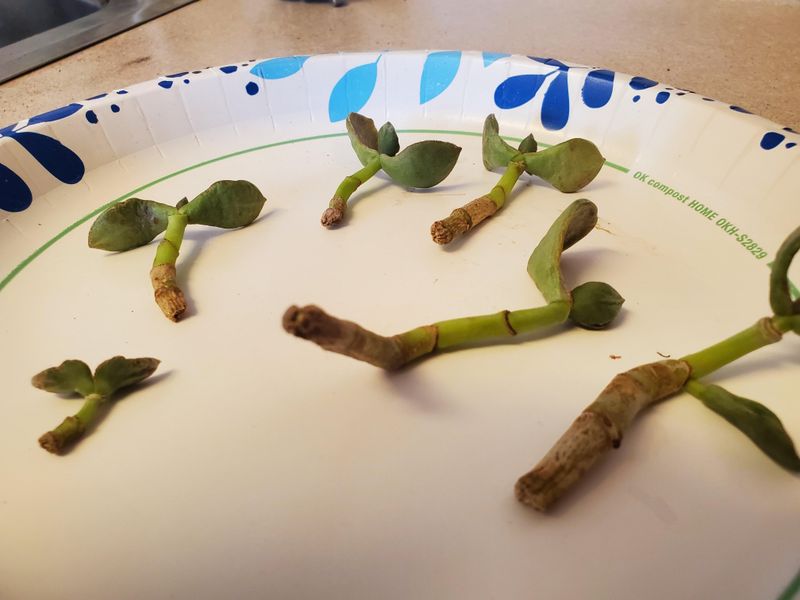
Those cuttings do not have to go in the trash. Healthy pieces can become new plants, though this is a bonus, not a required step in rescuing your jade.
Let each cut end dry for a few days before you plant it. That drying time forms a callus and lowers the risk of rot, as noted by Wisconsin Extension.
Then set the pieces in a well-drained medium, such as a gritty cactus mix, and give them bright light.
Handle everything with care. UC Cooperative Extension says jade is mildly poisonous if eaten and can irritate skin.
Keep cuttings away from children and pets, and consider wearing gloves while you work.
Toss any pieces that look mushy or damaged, and clean up fallen leaves so curious pets cannot nibble them.
Let better light and careful pruning work together
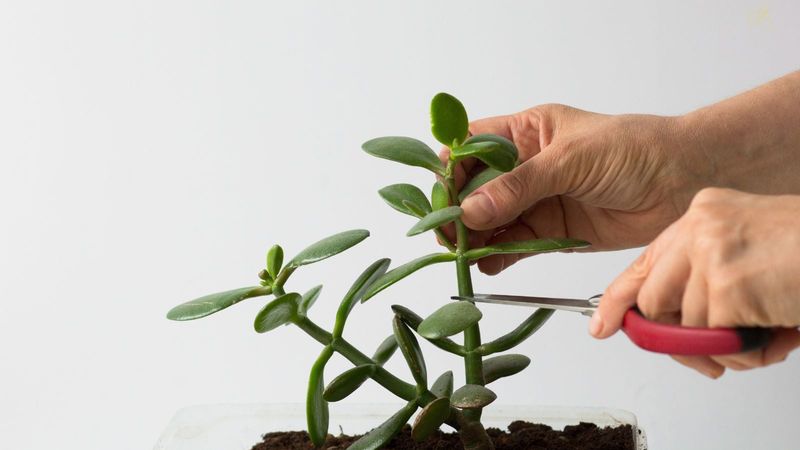
Brighter light does the heavy lifting, and pruning refines the result. Raise the light slowly, wait for spring if you want a larger reshape as NYBG and Wisconsin Extension suggest, and keep your cuts limited.
That can support healthier growth and a nicer form, though no one can promise a tree-like shape.
A jade rewards patience more than drama.