
Why Your Fiddle Leaf Fig May Drop Leaves in Winter, and a Placement Change That Can Help
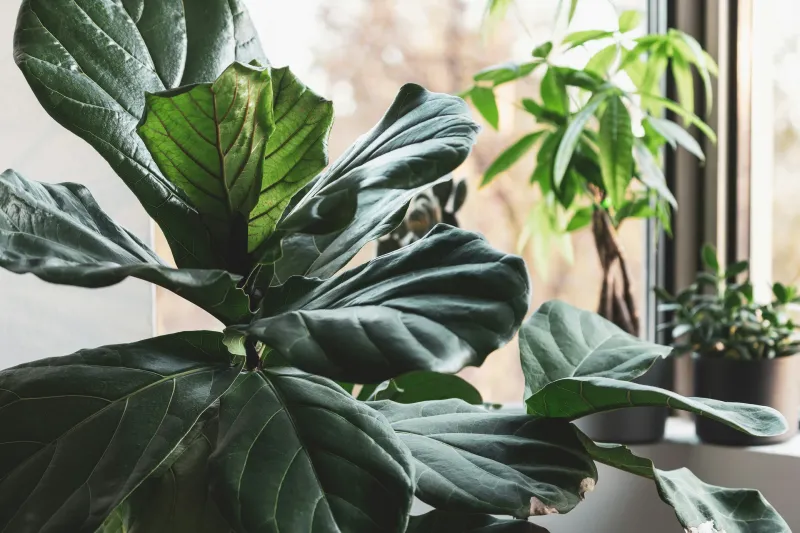
Seeing leaves fall off your fiddle leaf fig in winter can make your stomach drop. Many owners assume they did something wrong, but the room itself often changes a lot when cold weather arrives.
Light gets weaker, drafts sneak in, and heaters start blowing. A thoughtful move to a better spot costs nothing and may take some stress off your plant.
Winter leaf loss can happen, but it isn’t inevitable
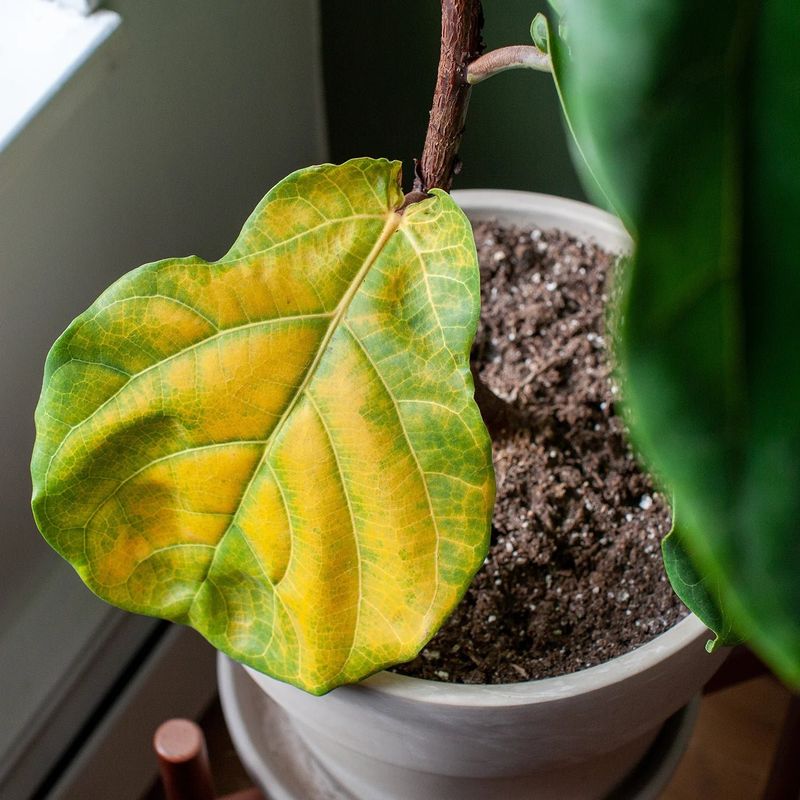
Finding a leaf on the floor does not mean your fiddle leaf fig is doomed. Some plants lose leaves in winter when indoor conditions turn stressful, but plenty of figs get through the season just fine.
Winter leaf drop is a possibility, not a yearly guarantee.
A good first step is to look at how much is falling. A few older leaves near the bottom of the plant can be part of normal aging, and New York Botanical Garden care guidance treats occasional lower-leaf loss as nothing unusual.
If one or two leaves yellow and drop over several weeks while new growth looks fine, you can usually relax and keep watching.
Sudden or widespread loss is different. If many leaves drop within days, or leaves from the top and middle go too, it is time to check several things instead of blaming one cause.
Light, temperature, watering, drainage, and pests can all play a part, as UC IPM houseplant guidance describes for indoor plants in general.
Indoor winter stress is common across many houseplants, and Iowa State Extension points to lower light, drafts, and heat sources as familiar culprits for figs losing leaves in winter. That is good news for you, because those are things you can often adjust.
You are not failing your plant, you are just learning what your particular room does to it between December and March.
What changes around the plant in winter?
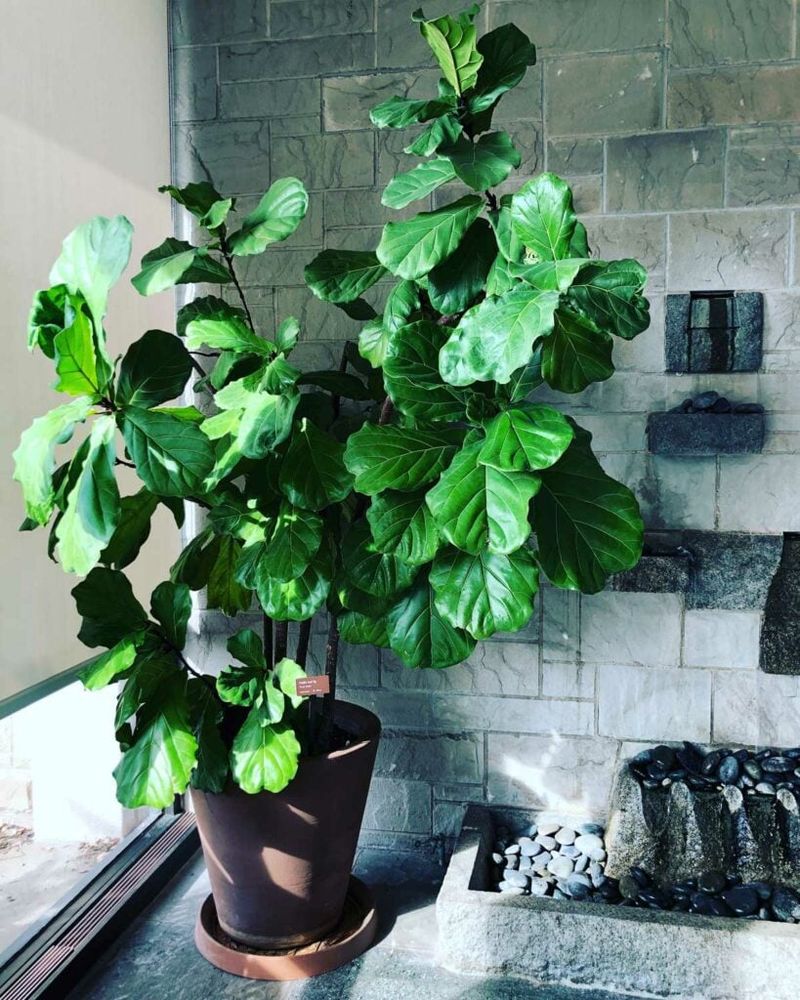
Picture your fig’s corner of the room in July, then in January. The sun sits lower, days are shorter, and the same window may give far less usable light.
Meanwhile the furnace kicks on, a door opens to cold air, and the temperature near the glass swings between warm afternoons and chilly nights.
Fiddle leaf figs are known for disliking sudden shifts. NC State Extension notes that this species can drop leaves when light or temperature changes abruptly, and that it needs bright light to do well indoors.
General winter advice backs this up. Iowa State Extension lists drafts and nearby heat sources among common winter stresses for indoor figs.
Its advice covers figs and houseplants broadly, so treat it as support for the pattern rather than a fiddle-leaf-specific rule.
A warm blast from a heating vent, a chill from a door that opens often, or a spot that has grown dim can each add stress. UC IPM also notes that sudden changes in light, temperature, or humidity can bother houseplants.
Think of these as possible triggers, not a diagnosis. Walk to your fig and hold your hand near the pot and leaves for a minute.
Do you feel moving air, warmth from a vent, or cold coming off the window? That quick check tells you more than guessing.
The best spot balances brightness and stability
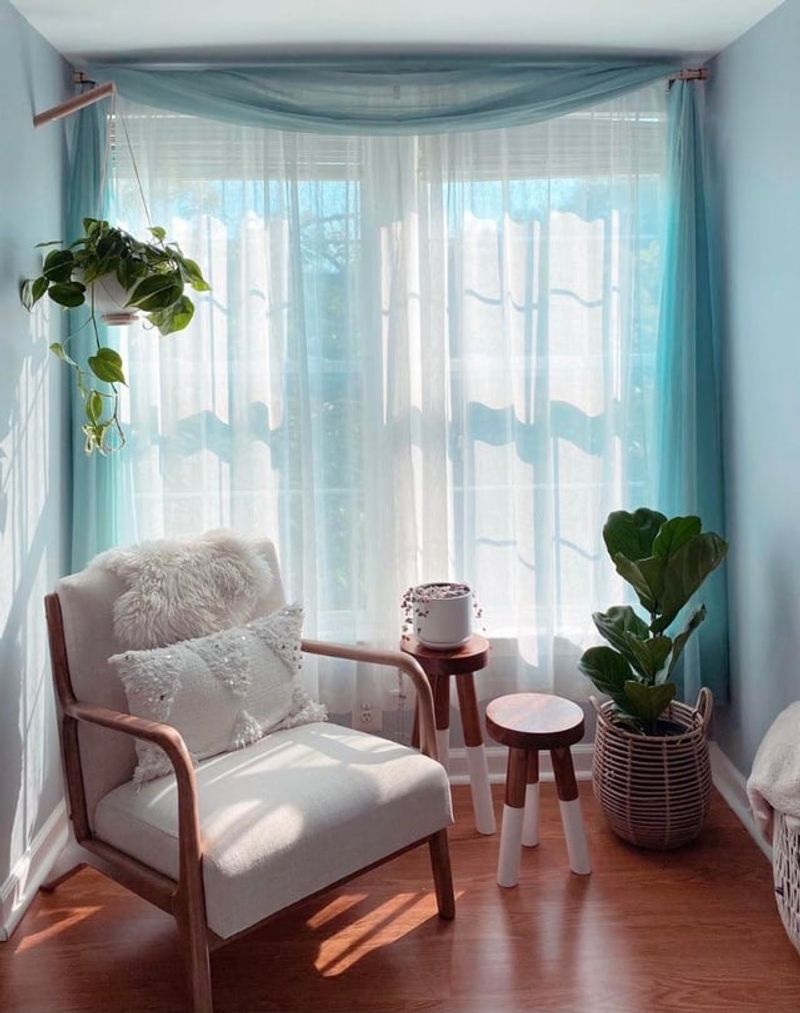
Aim for a room that stays bright through the day, with light that is strong but not blazing straight onto the leaves. The New York Botanical Garden recommends strong light without direct rays and keeping the plant away from drafts.
A spot a few feet from a bright window often fits that description. A sheer curtain can soften harsh rays, and a corner that never gets blasts from a door or vent adds steadiness.
Dim corners may feel safe, but low light is one of the stresses you are trying to ease.
Here is the catch: the brightest place in the house is not always the best one. Right against a window, leaves can touch cold glass at night or get scorched by hot sun in the afternoon.
NC State Extension warns that too much direct sun can scorch fiddle leaf fig foliage.
Window areas can also leak cold air around the frame. University of Arizona Cooperative Extension stresses matching a plant to the light and conditions of its spot, which includes temperature as well as brightness.
Before you pick, test candidates. Check the light at midday, feel for air movement, and look at how close any vent sits.
The winner is the place that scores decently on all three, not the one that wins only on light.
Move the fig once, with care
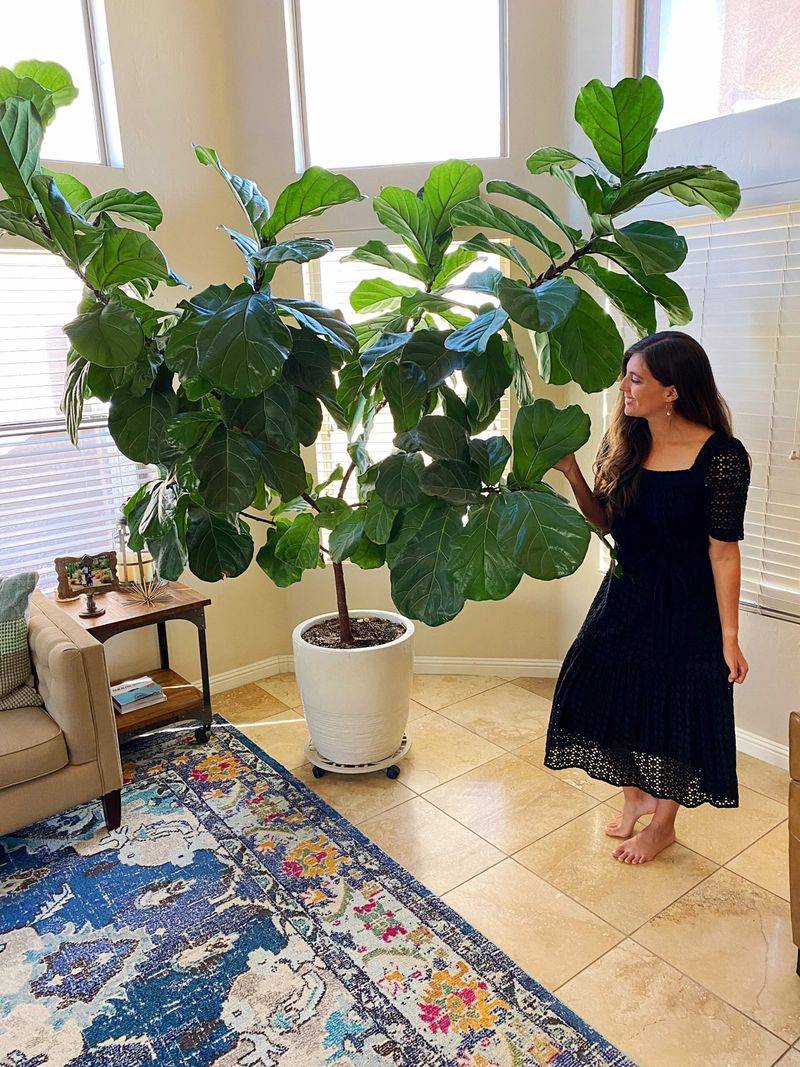
Once you have chosen a better location, make the move a single, planned event. Shuffling the plant from window to corner to hallway over a few weeks can add more stress than it removes.
Pick the spot, set the pot down, and then give the plant time.
The reason is simple: houseplants react to abrupt changes. UC IPM notes that sudden shifts in light, temperature, or humidity can stress indoor plants.
Even a better spot is still a change, so expect the fig to need an adjustment period.
If the new place is much brighter or cooler than the old one, you can ease in by choosing a middle position for the first week or two, then settling at the final spot. Do it once, not as a constant experiment.
Handle the pot gently, keep the plant upright, and avoid carrying it through a cold doorway in freezing weather. Try to turn it only a little, if at all, during the first few weeks.
Then resist the urge to hover. A leaf or two may still drop soon after the move, which does not mean the new spot failed.
Watch the overall pattern over a few weeks, and look for fresh growth as a good sign.
Check the soil before changing your watering
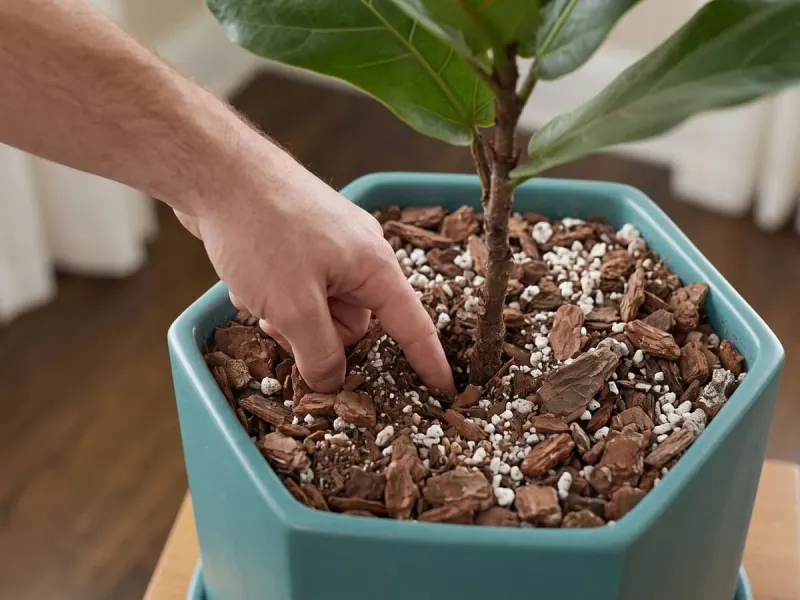
Before you reach for the watering can, push a finger into the soil. That small habit beats any calendar, because how fast soil dries depends on your pot, your potting mix, and how much light the plant gets.
The New York Botanical Garden suggests watering thoroughly, letting the excess drain, and waiting until the top two inches of soil feel dry. It also notes that a plant in lower winter light may take up water more slowly, so the soil can stay damp longer than it does in summer.
Iowa State Extension gives a shallower guideline of about the top inch. The gap between one and two inches shows these are practical checks, not strict rules.
A heavy mix in a large pot may stay wet below a dry-feeling surface, while a small pot in a warm room may dry fast.
When the soil does feel dry enough, water until liquid runs out of the drainage holes, then empty the saucer so the roots are not left sitting in water. Virginia Tech Extension covers this approach to watering container houseplants.
If the soil is still damp, wait and check again in a few days. Skipping a watering is often the right call in winter, but only because the soil told you so.
When placement isn’t the whole problem
Sometimes you move the plant, and leaves keep falling. That does not mean you did it wrong.
It means location was only one piece of the puzzle, and it is time to widen the search.
Water is the first suspect, in both directions. NC State Extension notes that overwatering and underwatering can both lead to leaf drop.
Because both extremes can look alike, check the soil with your finger before you decide to water more or less.
Drainage matters just as much. University of Maryland Extension explains that too much moisture and poor drainage can damage roots, which may cause yellowing, wilting, and leaf drop.
Make sure the pot has holes, and empty any water that collects in the saucer.
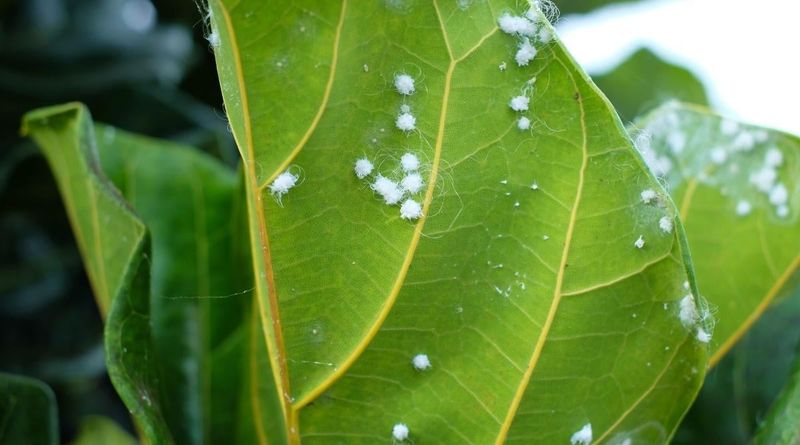
Then look closely for pests. Turn a few leaves over and check stems and leaf joints for webbing, sticky residue, or tiny insects.
UC IPM lists pests among the common houseplant problems, along with watering and environmental stress.
Leaf drop alone cannot tell you which cause is at work. If loss is sudden or heavy, NYBG guidance supports checking light, temperature, watering, and drainage together.
Work through them one at a time, and if you are stuck, a local extension office or garden center can help.
Keep the fix simple, then reassess
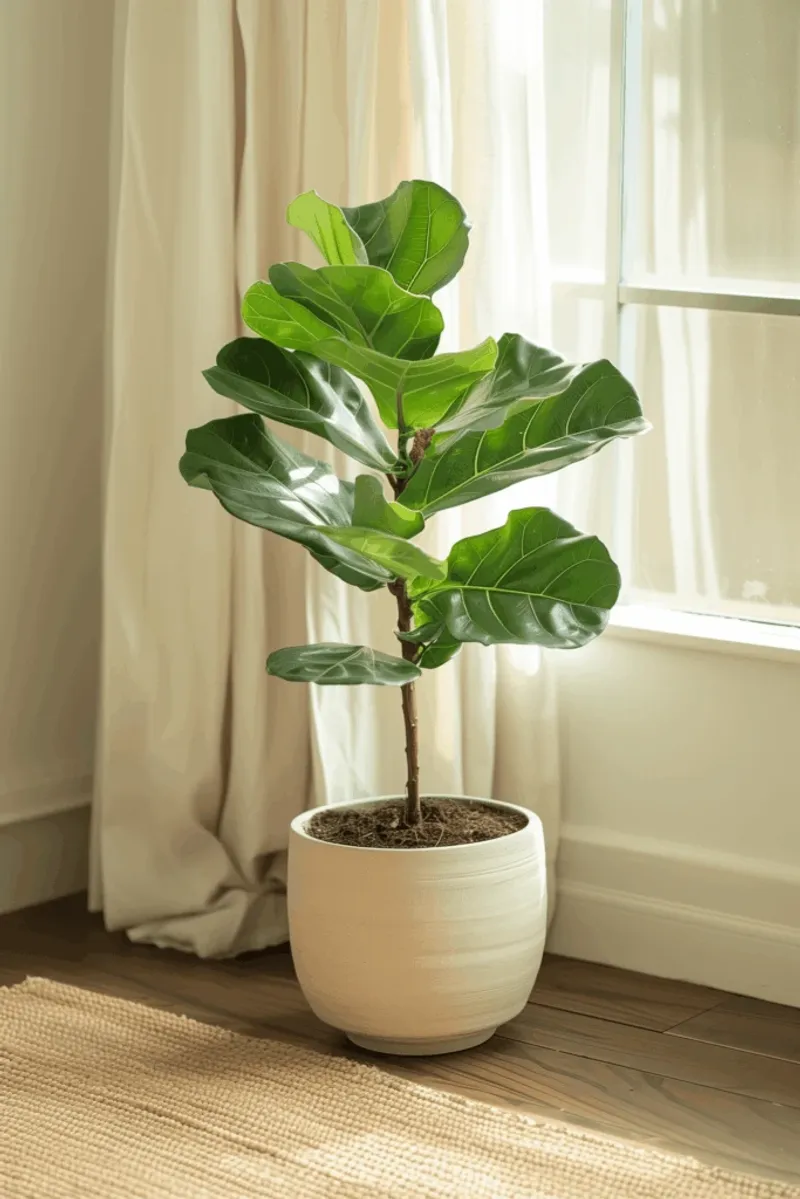
Make one considered move toward bright, indirect light and away from drafts and vents. Then check the soil and drainage before you touch anything else.
Changing light, watering, and pot all at once makes it hard to know what helped, and UC IPM cautions that sudden changes can stress houseplants.
A better spot is a sensible first adjustment, not a guaranteed cure. Give it a few weeks, watch for new growth, and use NYBG care notes as a steady reference.
A fiddle leaf fig rewards patience far more than panic.