
Silver Foliage for North Carolina Borders: White Sagebrush, Lamb’s Ear, and a Smaller Native Option
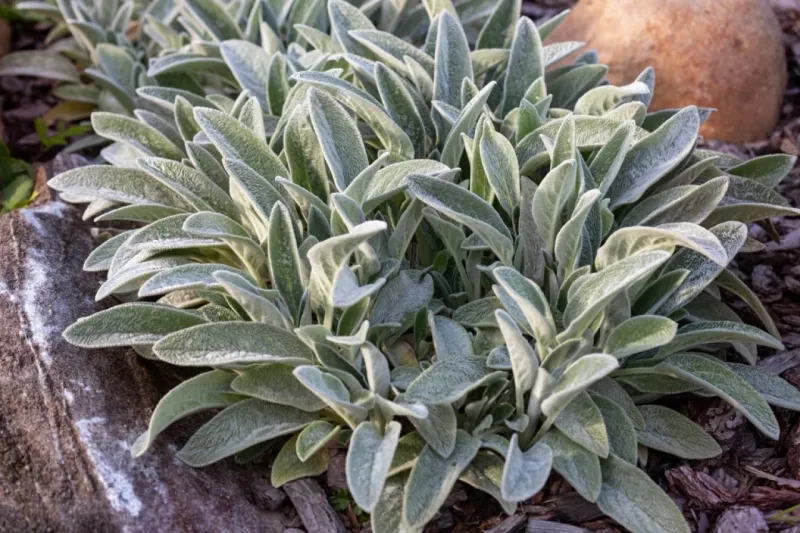
Silver leaves can make a green border glow, and many North Carolina gardeners want that look without watching it fall apart in July. Lamb’s ear gets blamed a lot for turning soggy when the air stays thick and wet.
A few other silver plants get praised as fixes, but the real story depends on your sun and your soil. Here is what the research says about three options and how to match them to your yard.
White sagebrush is not a humidity-proof silver border plant
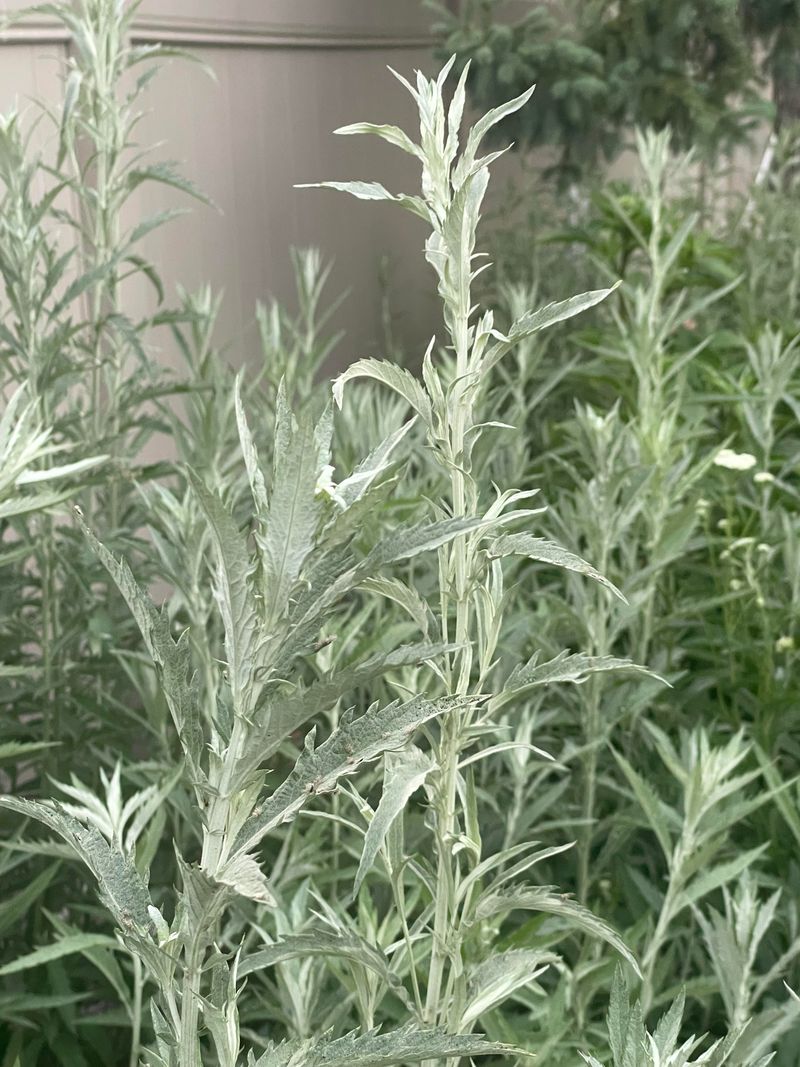
Picture a clump of soft, gray-to-silver leaves glowing against dark green shrubs. That is the look behind the headline, and the plant most likely being described is white sagebrush (Artemisia ludoviciana).
Its foliage really does fit the silver description, so the guess makes sense.
The promise that it stays crisp through humid North Carolina summers is where the story goes wrong. NC State Extension’s plant profile reports that the foliage declines in summer and the stems may flop.
It also warns of root rot in moist or poorly drained soil. Nothing there backs up dependable summer crispness.
So there is a gap between good looks and good performance. A plant can be beautiful in May and ragged by August, and silver color tells you nothing about which one you will get.
Plenty of silver plants come from dry, bright places, and a Carolina border with sticky air and afternoon thunderstorms is a very different home.
That does not mean you should cross white sagebrush off the list. It means you should treat it as a plant with conditions attached, not a guaranteed fix.
The next sections cover those conditions, the plant’s odd native status in our state, and how lamb’s ear fits into the picture. A smaller native with a gray cast to its leaves also gets a look as an alternative for some spots.
If you came here hoping for a single silver plant that shrugs off every humid summer, the honest answer is that no such promise holds up. What you can do is match the plant to the spot, and that starts with knowing your yard.
Drainage matters more than the silver color
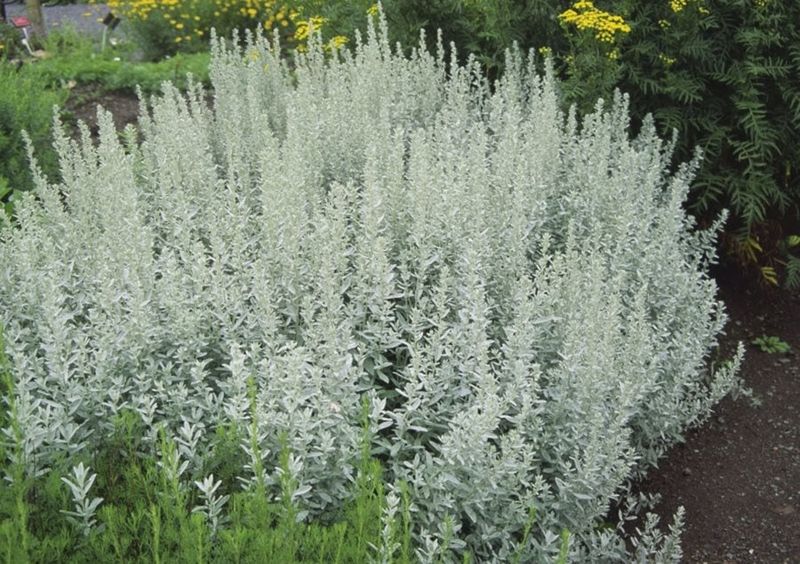
Soil water is the deciding factor for this plant. White sagebrush grows best in full sun and in dry-to-medium, well-drained soil, and NC State Extension says excellent drainage is essential.
If water lingers around the roots, root rot becomes a real risk.
Even in a good spot, expect some trouble. Summer foliage decline is documented, and stems may flop instead of standing tall.
That is a lot of untidiness for a plant sold on looks.
Then there is the spreading. White sagebrush moves by rhizomes, which are underground stems, and it also self-seeds.
It can become weedy, so a tidy, formal border may not be the best fit. A bed with room to roam, or a spot where you can pull extra shoots each spring, handles it better.
Before you buy, run a simple test on your own yard. Dig a hole about a foot deep where you want the plant, fill it with water, and let it drain.
Then fill it again and watch. If water is still standing after several hours, you have the kind of soil that invites rot.
Heavy red clay is common across the Piedmont, and low spots near downspouts hold water long after storms.
Also count the hours of direct sun. Full sun means roughly six or more hours, and a border shaded by oaks in the afternoon will not qualify.
A raised bed or a slope can help drainage, but they do not fix a shady site.
Judge the spot first, and let the silver color come second.
Its North Carolina native status needs a qualifier
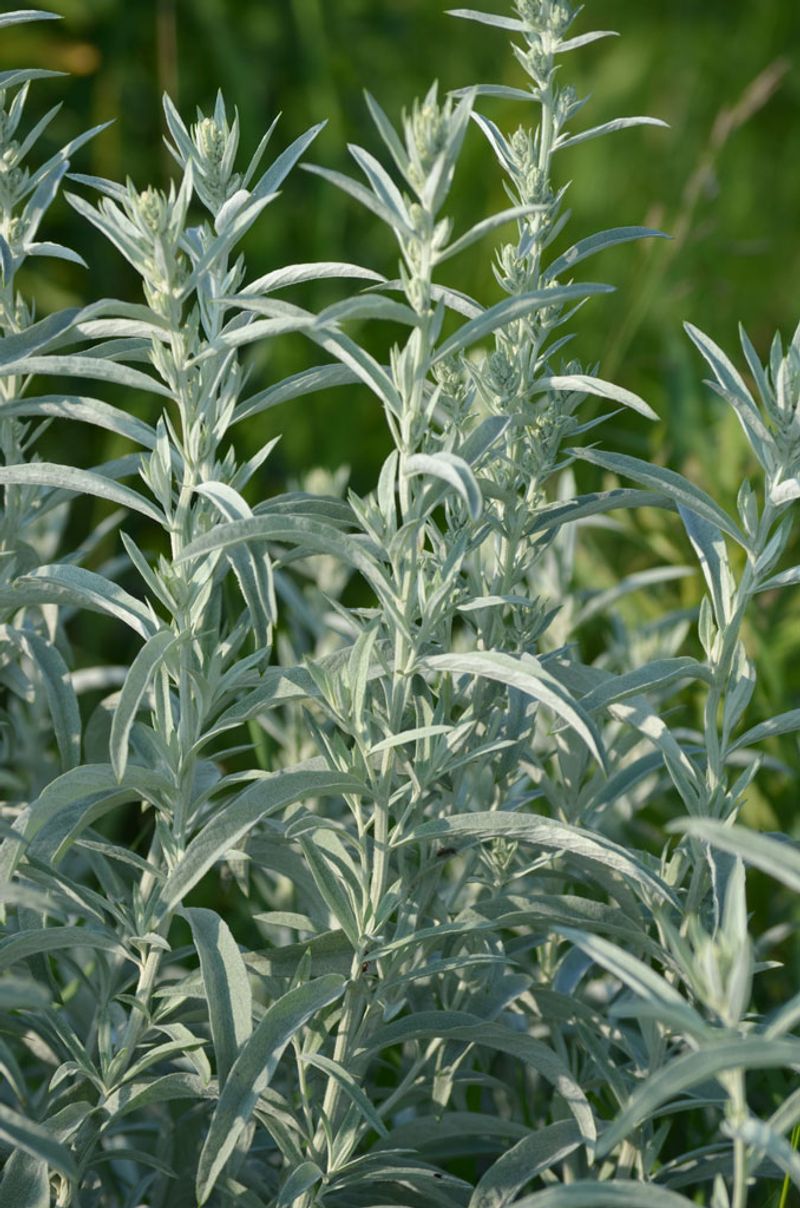
Calling white sagebrush a North Carolina native sounds simple, but the sources word it differently. NC State Extension calls it native but very rare in the state.
The state flora, Vascular Plants of North Carolina, tells a more cautious story. It describes the plant’s broader native range as west of the Mississippi and calls it adventive eastward.
Adventive means a plant that arrived and grows in a place without being fully established there as a native.
Put those side by side and the practical meaning is clear. Both sources describe it as rare here.
You will not find it carpeting Carolina roadsides or meadows the way common wildflowers do.
For a homeowner, that means the label is not a reason to plant it. If your goal is a yard full of species that belong to your local landscape, white sagebrush is a weak argument for that goal.
Its record in our state is thin, and the experts do not fully agree on how to classify it.
It can still be a fine ornamental if your site is sunny and well drained. Just be honest about why you are choosing it: the silver foliage, not a deep local history.
Skip any claim that it is a common or widely established state native, because the sources do not support one.
Lamb’s ear can rot, but it does not always collapse
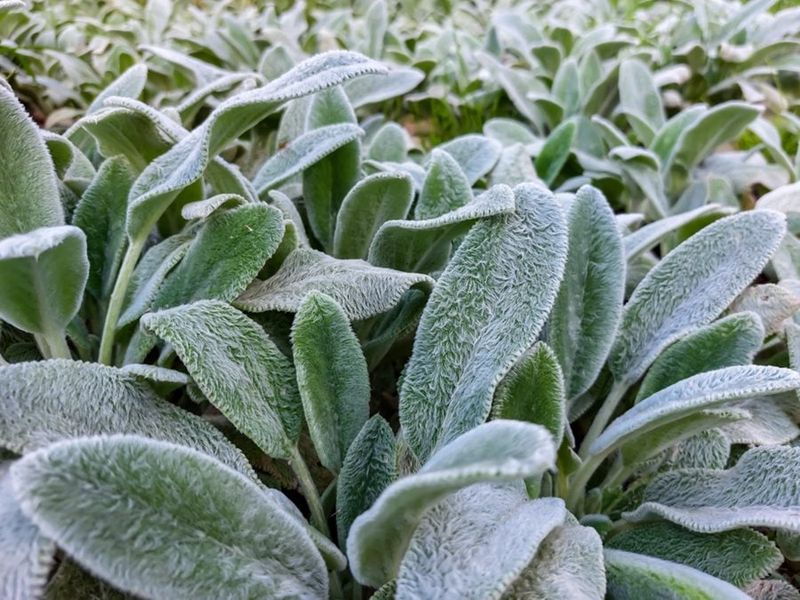
Lamb’s ear is the plant everyone knows, with thick, woolly, silver-green leaves that beg to be petted. It is also not from North Carolina.
NC State Extension lists its home as Turkey, the Caucasus, and Iran.
The same source notes that it is susceptible to leaf rot in high humidity or with excessive rain. That risk is real, but it is conditional.
Whether a planting turns soggy depends on humidity, rainfall, and how wet the site stays, and plenty of gardeners keep lamb’s ear looking decent with the right setup.
The practical advice is simple. Favor well-drained soil and avoid overwatering.
In hot, humid areas, consider planting on a slope so water runs off instead of sitting in the crowns of the plants.
If you still want lamb’s ear, a cultivar might help. University of Illinois Extension says ‘Big Ears’, also sold as ‘Helen von Stein’, tolerates humidity better.
Better is not the same as immune, and the same source still notes that foliage can rot in wet sites or with high humidity or rainfall.
A handy clue is where the leaves go bad first. Browning and slimy leaves at the base, after a stretch of rainy days, point to a moisture problem.
Pulling off the damaged leaves and giving the plants more air can help.
Because lamb’s ear is non-native here, it is also worth weighing against local options when you choose a plant.
Plantain-leaf pussytoes offers a smaller native option
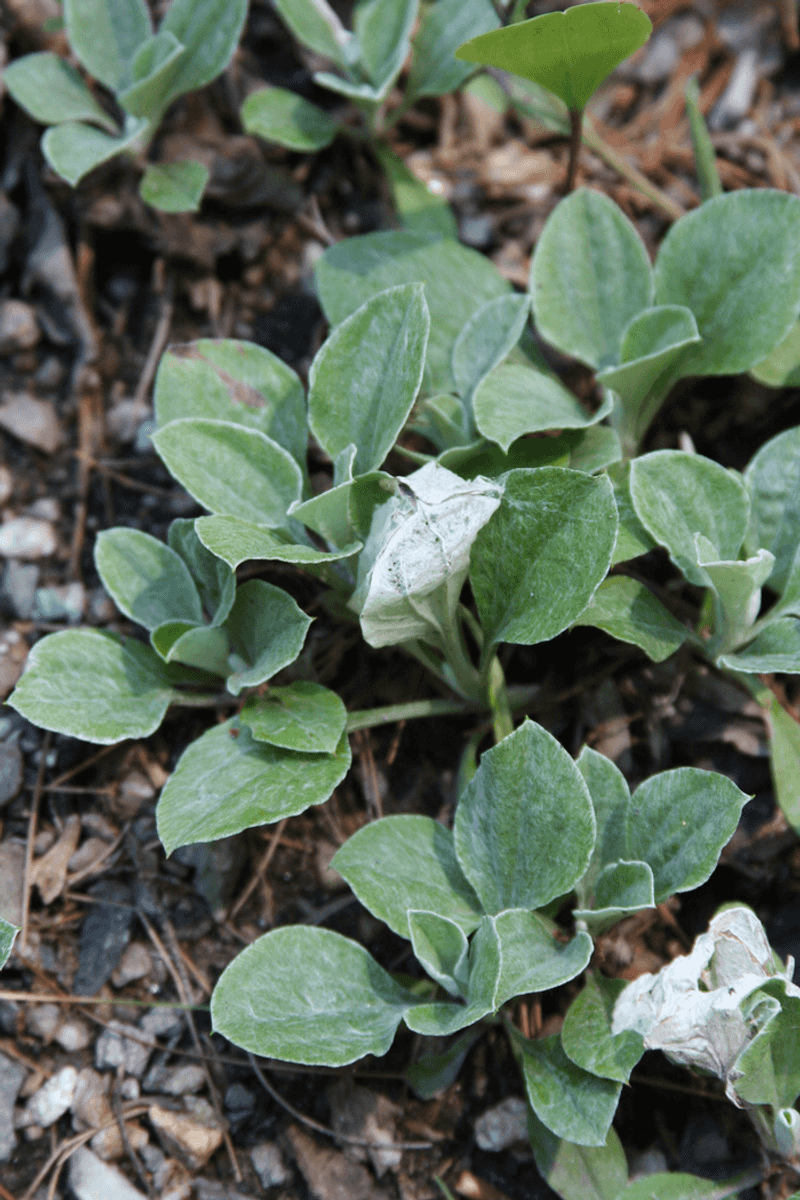
Plantain-leaf pussytoes (Antennaria plantaginifolia) is a different kind of plant altogether. It is a small native groundcover with a gray cast to its foliage, and it has a stronger claim to the state than white sagebrush does.
Its range is wider, though not even. Vascular Plants of North Carolina reports it as widespread from the Mountains eastward and generally common in the Mountains and Piedmont.
It is sparse on the outer Coastal Plain and very rare in eastern counties, so gardeners near the coast will have a harder time finding it growing wild. The flora lists its habitats as dry-to-xeric or mesic.
That fits the growing advice from the North Carolina Native Plant Society, which recommends mostly sun and well-drained, non-rich soil. In other words, skip the fertilized, heavily amended bed.
Now the reality check on size. University of Maryland Extension describes a small, semi-evergreen groundcover with gray-cast foliage, slowly spreading stolons, and leaves up to about 2 inches tall.
Stolons are runners that creep along the ground and root as they go.
This is not a stand-in for lamb’s ear. The leaves are small, not large and plush, and the plant stays low.
Think of it as a quiet carpet near a path edge, between stepping stones, or at the front of a sunny, lean-soil bed, where its gray tones soften the ground without the dramatic fuzzy leaves.
Give it patience, since the spread is slow. In the right dry, sunny spot in the Piedmont or mountains, it is a modest, locally rooted choice.
Choose for the border you have, not the silver label
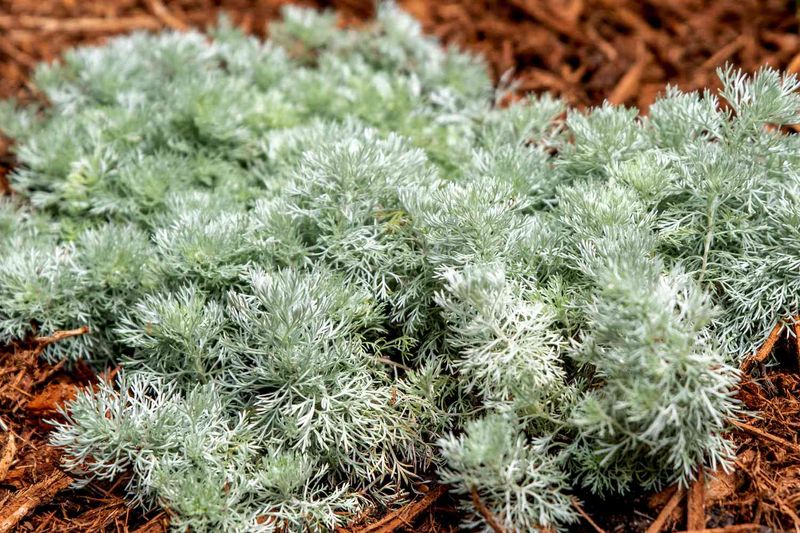
Start with your site. Does it get full sun and drain fast, as NC State Extension says white sagebrush needs?
If so, and you can live with some spreading and a late-summer slump, it may suit you.
If you want a low, slow carpet instead, plantain-leaf pussytoes fits dry, sunny, lean soil, especially in the Piedmont and mountains. Check the scale first, since University of Maryland Extension puts the foliage at about 2 inches tall.
Texture, size, and job in the garden differ among all three plants. Match those to your border, not to the word silver.
A plant that fits your drainage will beat a promise of crispness every time.