
Your Potted Mums Stay Full Of Fresh Blooms Well Into November With These 11 Simple Care Habits
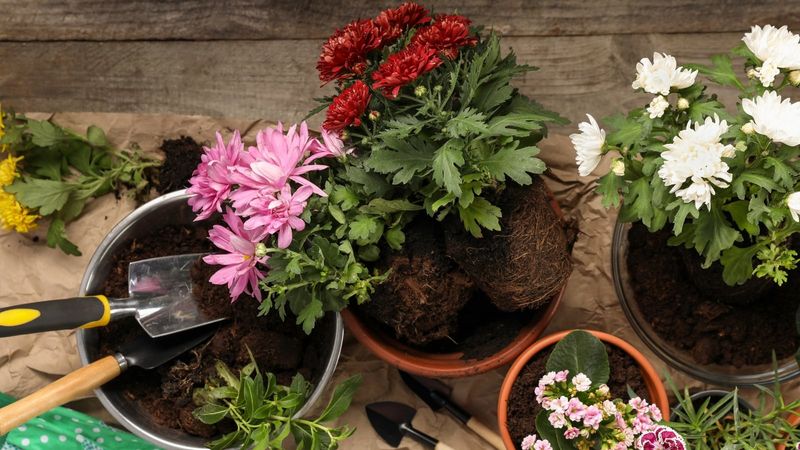
You bought a gorgeous pot of mums, and two weeks later it already looks tired, crispy, or half brown. That sinking feeling is common, and the good news is that most fading mums are not dying, they are just missing a few easy habits.
With the right daily and weekly care, a potted mum can keep opening fresh flowers through October and well into November. Here are 11 simple things you can start doing today to keep your mums full and colorful.
1. Pick a Pot Packed With Tight Buds

Here is a secret that garden center regulars know: the prettiest mum on the shelf is often the worst one to bring home. A plant in full bloom has already used up much of its show.
Once those flowers fade, there is nothing left waiting in line.
Instead, look for a pot covered in small, tight buds with just a little color peeking through. Each of those buds is a future flower that will open over the coming weeks.
That staggered opening is what stretches the display from early fall into November.
Gently part the foliage and check the center too. Healthy green leaves all the way down and no gray fuzz or yellow patches mean you are starting with a strong plant.
A few minutes of picking carefully at the store can buy you an extra month of color.
2. Give Them Six Hours of Sun

Mums are sun lovers at heart. They were bred to bloom as fall days get shorter, but they still need plenty of light to fuel all those buds.
Without it, buds may stall and never fully open.
Aim for at least six hours of direct sunlight a day. A sunny porch, patio, or the edge of a driveway usually works well.
If your mum sits in a dim corner, you may notice stretched stems and fewer flowers.
Fun fact: chrysanthemums have been grown in China for more than 2,000 years, and they were once treasured so much in Japan that the flower became a royal symbol. Treat yours like royalty with a bright spot, and it will reward you.
3. Check the Soil Every Single Day
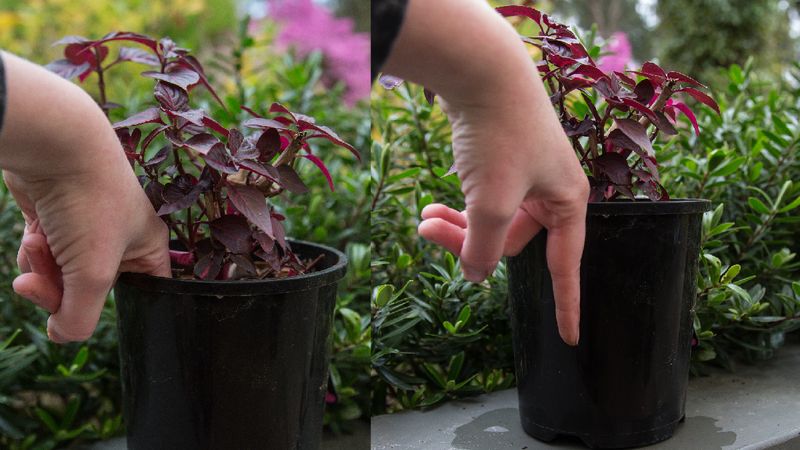
Ask anyone who has lost a mum, and the story usually goes like this: it looked fine on Monday and was a wilted mess by Wednesday. Potted mums are packed with roots and have very little soil around them.
That small amount of soil dries out fast, especially on sunny or windy days.
Make a habit of poking your finger into the soil about an inch deep each morning. If it feels dry, water slowly until it runs out the bottom.
If it still feels damp, skip it and check again tomorrow.
Wilting is the plant’s alarm bell. A quick, deep drink can often perk it back up within hours, but repeated wilting damages buds.
Daily checks keep you ahead of the problem.
4. Water Low, Not Over the Top

Sprinkling water over the top of a mum feels natural, but the dense mound of leaves acts like an umbrella. Much of the water rolls off and never reaches the roots.
Meanwhile, wet blooms and leaves stay damp longer in cool fall air.
Gently lift the edge of the foliage and aim your watering can or hose right at the soil. Water slowly so it soaks in instead of running off the sides.
Keep going until you see water draining from the pot.
Morning watering is best because any splashes dry quickly in the daytime sun. Damp flowers sitting overnight can invite mold and spotting.
A little care with where the water lands helps protect those fresh petals.
5. Make Sure Water Can Escape

Soggy roots are just as dangerous as dry ones. Many mums come in plastic nursery pots, then get dropped into a pretty decorative container with no hole at the bottom.
After a rainstorm, that hidden pot can fill like a bucket.
Roots sitting in water cannot breathe, and they start to rot. Yellowing leaves and droopy stems in wet soil are the warning signs.
Sadly, many people see the droop and water even more.
Always use a pot with drainage holes. If you love a decorative container without one, set the nursery pot inside on a few stones and dump out any water that collects.
Empty saucers after watering too.
6. Snip Off Faded Flowers

Brown, crunchy flowers mixed in with fresh ones make a whole plant look older than it is. Removing them takes just a few minutes with your fingers or small snips.
Your mum will look fresh instantly.
There is a bonus, too. When spent blooms stay on, the plant may put energy into making seeds.
Pinching them off may help redirect that energy toward the buds still waiting to open.
Try doing a quick tidy-up every few days while you are watering. Pinch just below the faded flower head.
It is a calm, satisfying little chore, and the payoff shows right away.
7. Dodge the Harsh Afternoon Heat

Early fall can still bring hot spells, especially across the South and West. Strong afternoon sun on a warm day can bleach petals and make blooms fade faster.
Your mum may look washed out even though it is well watered.
The sweet spot is bright morning sun with a little afternoon shade. An east-facing porch or a spot near a tree often works well.
If a heat wave rolls in, simply slide the pot into some shade for a few days.
Because your mums are in pots, you get to move them around as the weather changes. Once cooler days settle in, they can go back to their sunnier spot.
8. Cover Up Before Frost Hits

One cold night can undo weeks of care. Potted mums are more exposed than garden plants because cold air surrounds the whole pot, not just the leaves.
Open blooms are the first to brown when frost arrives.
Keep an eye on the forecast as October rolls on. When lows are expected near 32 degrees, move pots into an unheated garage, shed, or covered porch for the night.
If they are too heavy to move, drape an old sheet or frost cloth over them and remove it in the morning.
Skip plastic covers, which can trap cold and moisture against the plant. A few minutes of tucking them in can carry your blooms through those early frosts and into November.
9. Go Easy on Fertilizer
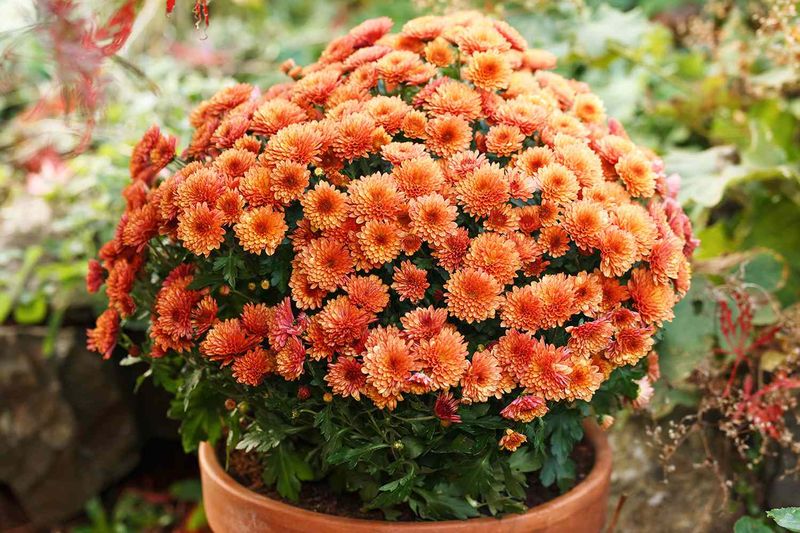
It is tempting to feed a struggling plant, but fall mums usually do not need it. Growers feed them heavily all summer so they arrive packed with buds.
By the time you bring one home, the hard work is done.
Adding strong fertilizer in fall can push out soft new leaves instead of flowers. That tender growth is easily hurt by cold nights.
It can also stress roots that are already crowded.
If your mum looks pale or tired, check water, light, and drainage first. Those are almost always the real cause.
Save the fertilizer for spring if you plan to grow your mum again next year.
10. Give Crowded Roots More Room
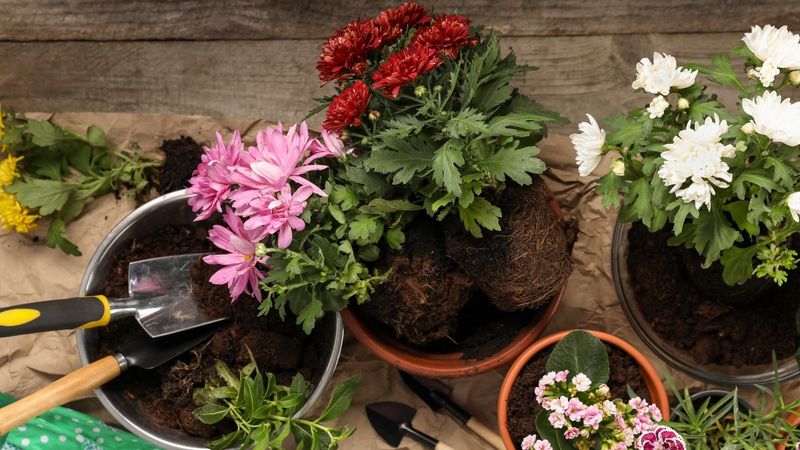
Does your mum need water twice a day and still wilt? Tightly packed roots might be the reason.
Store mums are often grown in snug pots, and roots can fill every inch of soil.
Tip the pot and look underneath. Roots poking out of the drainage holes or a solid mat of roots when you slide the plant out are clear clues.
A crowded mum simply cannot hold enough water.
Move it into a pot one or two inches wider, using fresh potting mix. Loosen the outer roots gently with your fingers, set it at the same depth, and water well.
Many plants settle in quickly and dry out less often afterward.
11. Leave Space for Air to Flow

Picture a tight cluster of mums jammed against a wall with pumpkins piled around them. It looks lovely, but it can trap damp, still air.
Cool, wet fall weather plus poor airflow is a common setup for mildew and gray mold.
Give each pot a little breathing room so air can move around the leaves. Avoid tucking mums into boxed-in corners where morning dew lingers.
Even a few inches of space can help leaves dry faster.
If you spot fuzzy gray spots or white powder, snip off the affected parts and improve spacing. Good airflow may not stop every problem, but it can reduce the chances and keep your display looking fresh through November.