
These 8 North Carolina Native Vines And Shrubs Give Your Backyard Birds Safe Winter Roosts Hawks Can’t Reach
On a cold January night, the cardinal at your feeder needs somewhere to hide until morning. Bare branches won’t cut it, because a hungry Cooper’s hawk can swoop right through them.
The right North Carolina native plants give birds thick, prickly, or tangled cover that blocks wind and keeps predators out. Here are eight you can plant in your own yard to turn it into a winter safe house.
1. Eastern Red Cedar
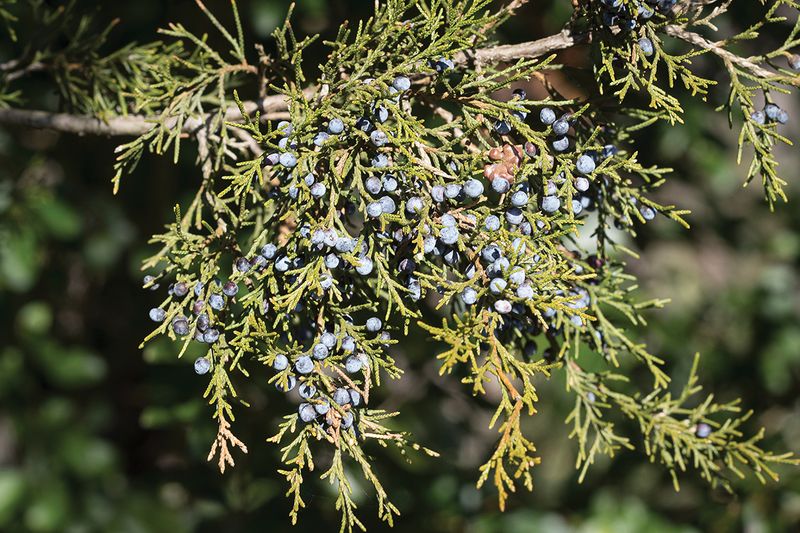
Ask any old-timer in the Piedmont about the cedars along fence rows, and they will tell you birds pile into them at dusk. Eastern Red Cedar has dense, scratchy foliage that works like a living windbreak.
On a freezing night, the inside of that tree can feel noticeably calmer than the open yard.
Hawks hunt by speed and surprise, and tight, needled branches make a fast strike tough. Sparrows, juncos, and cardinals can tuck deep inside where a predator simply can’t follow.
The prickly texture may also help discourage curious cats.
Food comes with the shelter. The frosty blue cones feed Cedar Waxwings, American Robins, and Eastern Bluebirds in late winter, right when other food runs low.
Cedar handles heavy red clay well and is generally deer resistant, so it suits many NC yards.
One tip: keep it a fair distance from apple trees, since cedar can host cedar-apple rust. Otherwise, it is about as low-maintenance as a bird haven gets.
2. American Holly
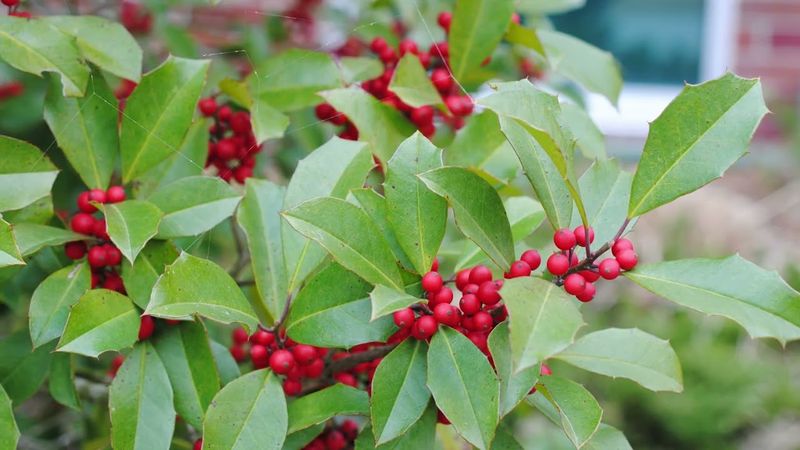
Think of American Holly as a fortress with a snack bar. Those stiff, spiny leaves form a barrier that hawks and house cats really don’t want to push through.
Small birds, meanwhile, slip in and out with ease.
Because it stays green all year, holly gives steady shelter from the first cold snap to the last spring frost. Its red berries often hang on into late winter and feed at least 29 bird species, including bluebirds, wrens, and Cedar Waxwings.
That makes it one of the hardest-working plants you can add.
Here’s the catch many folks miss. You need both male and female plants for berries, so plant a few together or check that a male grows nearby.
American Holly thrives in sun or part shade across Coastal Plain and Piedmont yards.
If you are pulling out invasive English holly, this native is the perfect swap. It gives birds the same prickly protection without spreading into NC woods.
3. Inkberry
Not every bird wants to roost high up. Thrushes, towhees, and wrens spend much of their lives near the ground, and Inkberry is built for them.
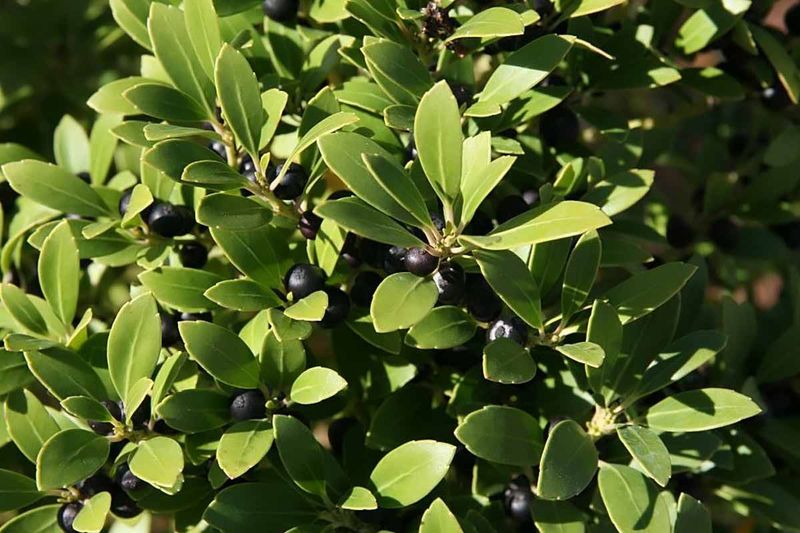
Small, dark leaves pack tightly on this compact evergreen, creating low cover where a hawk has almost no clear path to dive. Female plants make black berries in fall that often last into winter.
Hermit Thrushes, mockingbirds, and even bobwhite quail will feed on them.
Got a soggy, acidic corner where other shrubs sulk? Inkberry often loves exactly that kind of spot in Piedmont and Coastal Plain yards.
It also makes a smart native replacement for boxwood or invasive privet hedges along foundations.
Plant it in loose groups rather than a single shrub. A small clump gives ground birds more room to dart between hiding spots.
4. Carolina Cherry Laurel
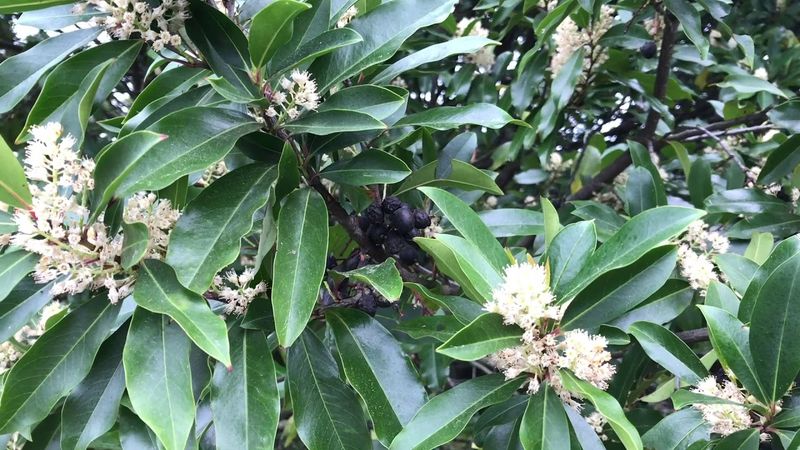
Need privacy fast and want the birds to thank you for it? Carolina Cherry Laurel grows quickly into a thick, glossy screen, and that dense wall of leaves becomes a hideout during winter storms.
The value stretches across seasons. Branches offer nesting spots in spring, and clusters of black fruit feed Cedar Waxwings and robins by fall.
It also supports many moth and butterfly caterpillars, which baby songbirds depend on.
Many NC homeowners use it to replace invasive Chinese privet or Leyland cypress rows. Just know the leaves and seeds are toxic if eaten, so keep pets and kids from munching.
Seedlings can also pop up, so pull extras each spring.
5. Yaupon
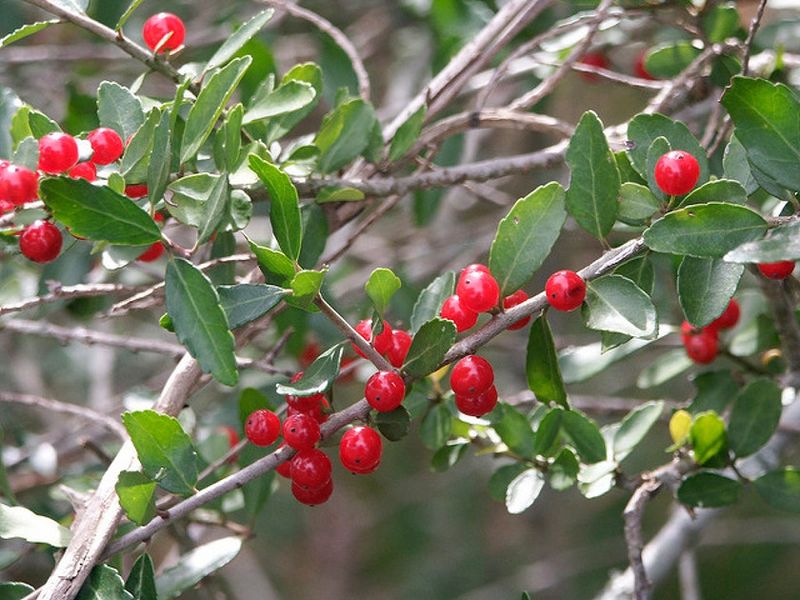
Long before it was a landscaping favorite, Yaupon was brewed into tea by Native peoples along the Carolina coast. It is the only caffeinated plant native to North America, a fun fact to share with garden visitors.
For birds, though, its real gift is cover. Tiny leaves crowd along twiggy stems, making a dense mass that hawks struggle to penetrate.
On harsh winter nights, cardinals and sparrows tuck right into the middle.
Yaupon shrugs off salt spray, sandy soil, drought, and heat, which makes it a star in Coastal Plain yards. It grows happily in the Piedmont too.
Female plants carry red berries that birds pick through in late winter.
Skip heavy shearing into tight boxes. A looser shape keeps more interior twigs where birds can grip and hide.
6. Native Rhododendron
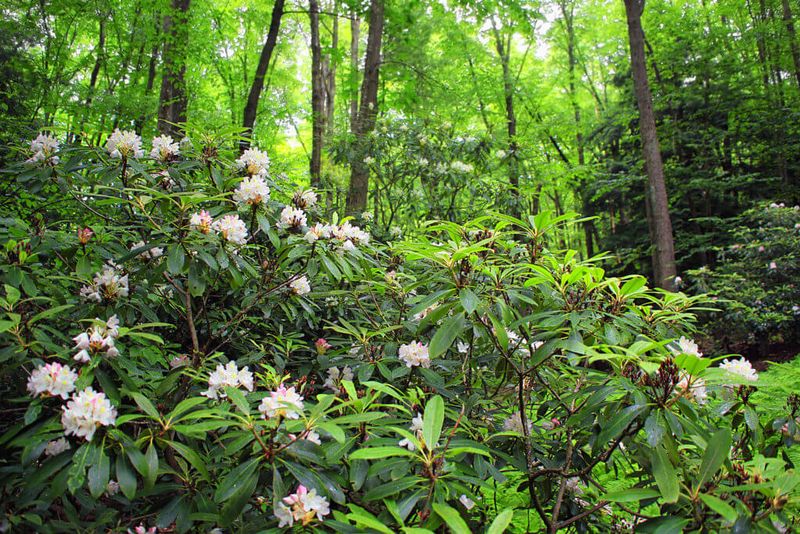
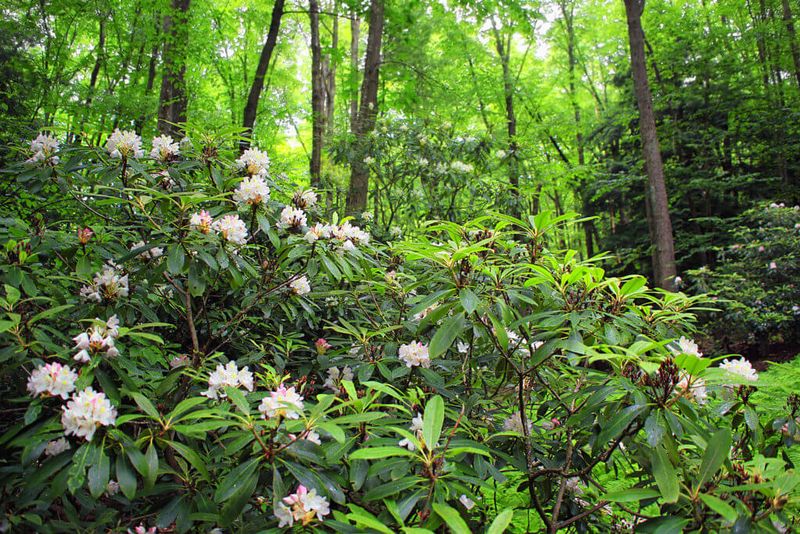
Mountain gardeners, this one’s yours. Hike any Blue Ridge trail in January and you will notice birds flitting in and out of rhododendron thickets while open woods stay quiet.
That is no accident. These tangled, leathery-leaved shrubs block wind, snow, and rain, and their twisting branches leave little room for a hawk to maneuver.
Many birds prefer them over tall tree canopies on rough nights.
Choose true natives like Rosebay or Catawba rhododendron rather than imported hybrids. They like shade, acidic soil, and steady moisture, which suits many western NC yards and cooler Piedmont slopes.
Watch the leaves on cold mornings. They curl and droop below freezing, a built-in thermometer for your yard.
7. Crossvine
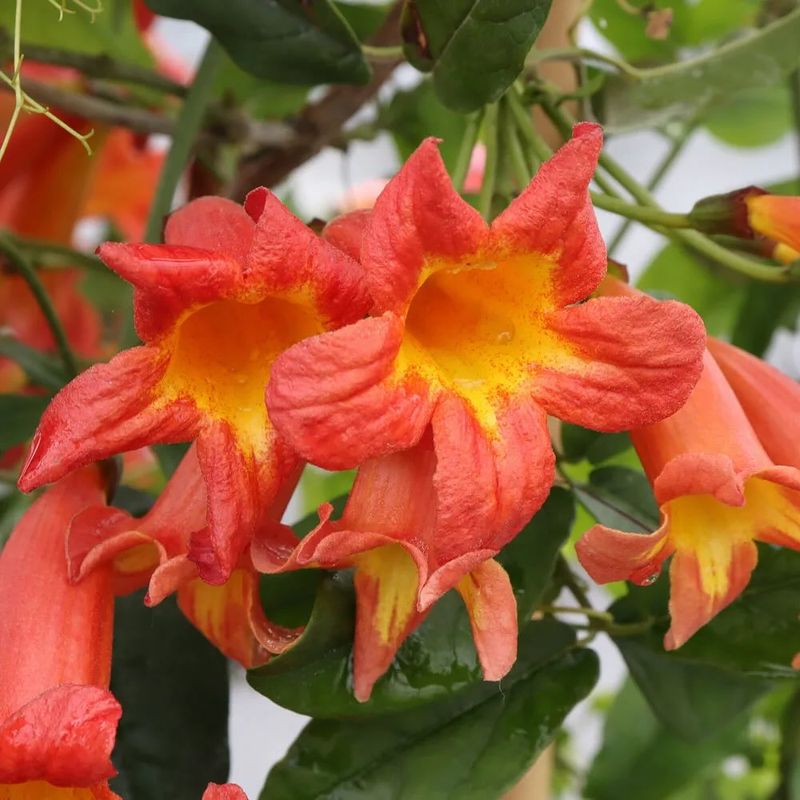
Short on space? Go vertical.
Crossvine turns a plain chain-link fence or trellis into a thick wall of shelter without eating up your yard.
This semi-evergreen vine holds most of its leaves through winter, and they often turn a handsome bronze-purple in the cold. Tendrils with sticky discs help it climb almost anything, building layer after layer of dense cover.
Carolina Wrens love poking around in the tangle.
Crossvine is the native answer to invasive English ivy and Japanese honeysuckle, both of which smother NC trees. In spring, its orange-red trumpet flowers feed hummingbirds too.
Give it sun for the best growth, and trim it yearly to keep it in bounds.
8. Coral Honeysuckle
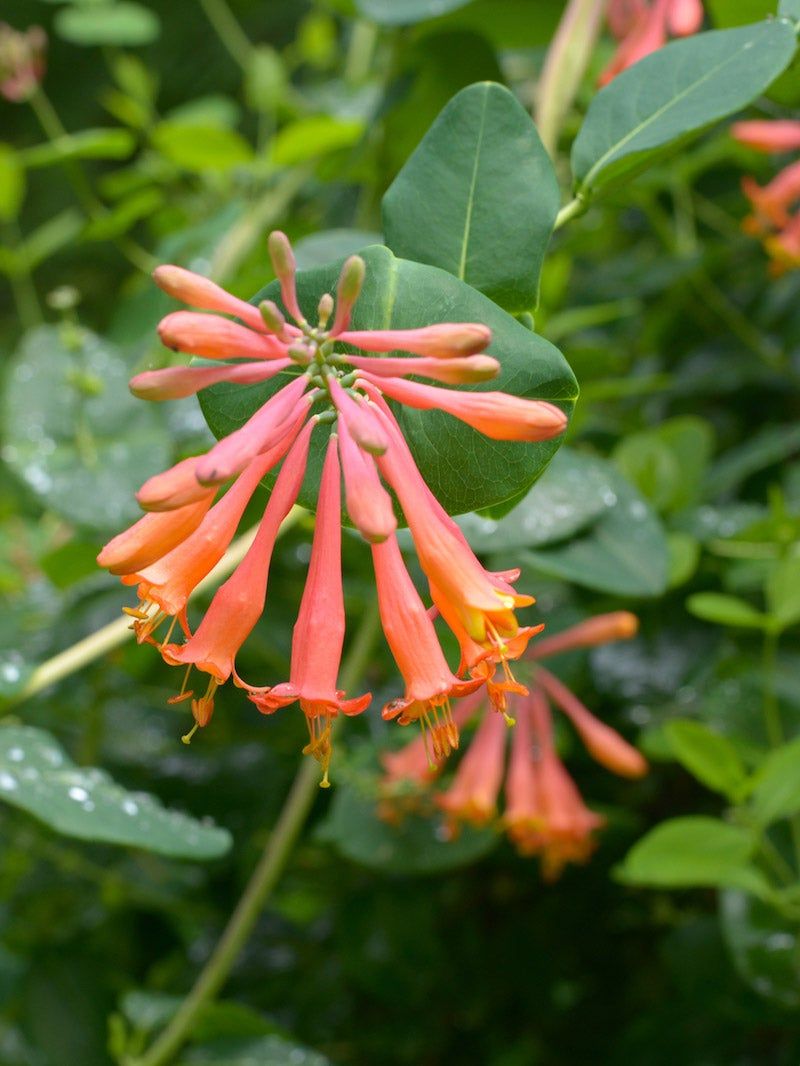
Here’s the good honeysuckle. If Japanese honeysuckle is strangling the edge of your yard, Coral Honeysuckle is the well-behaved cousin that belongs here.
It twines politely up fences and trellises without running wild. Being semi-evergreen, it keeps some leaves through winter in much of NC, giving birds vertical cover where a hawk can’t sweep in cleanly.
Red berries in late summer and fall bring in robins, finches, and thrushes.
Hummingbirds adore its scarlet tubular flowers from spring onward. Plant it in full sun to part shade, and pair it with a holly or cedar nearby so birds can hop between layers.
This winter, try a simple swap. Rip out one patch of invasive honeysuckle and plant this native in its place, and your backyard birds gain a safer hideout by next year.