
A Winter Wrap May Help Protect Your North Carolina Fig Tree
A fig that looks fine in November can be a bare, blackened stick by March. North Carolina winters swing from mild spells to sudden hard freezes, and figs are not fully cold hardy.
A little planning before the cold arrives may save wood that took a whole season to grow. Here is how to shelter your fig, what a cover can and cannot do, and how to check the damage in spring.
Cold can damage a fig’s above-ground wood
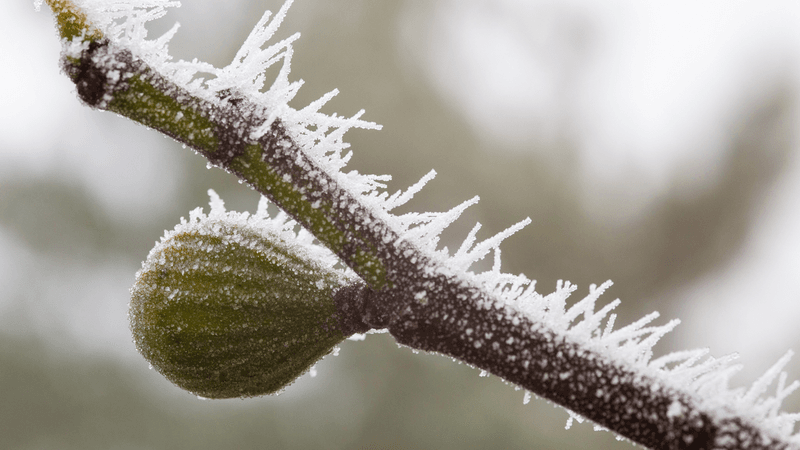
Walk out after a January freeze and a fig can look like it has given up. According to NC State Extension, figs are not completely cold hardy and may freeze back to the ground at 20°F or below.
That is a risk the guide describes, not a precise trigger, and damage can show up at different temperatures depending on the plant.
Young bushes and trees are especially susceptible. When the above-ground wood is injured, the plant may have to regrow before it can fruit, which can delay or shrink your harvest.
That is the main reason many gardeners decide to protect a fig before severe weather arrives.
North Carolina is a big state, and the same fig will not face the same winter everywhere. A fig on the Coastal Plain, tucked near a brick wall, lives a different life from one on an exposed mountain slope.
The NC State Extension Gardener Handbook points to how widely the state’s climates and elevations vary, so a single statewide promise about protection would not be honest.
Site, cultivar, plant age, and how long the cold lasts all affect the outcome. A winter cover may reduce the risk of injury to the wood, but it cannot guarantee your fig avoids dieback.
Think of it as a sensible bit of insurance, not a guarantee.
Before you buy any burlap or stack any leaves, take a quick look at your yard. Note where cold air settles, which spots get wind, and how old your plant is.
Those details will help you decide how much protection is worth the effort.
Old branches matter most for brebas
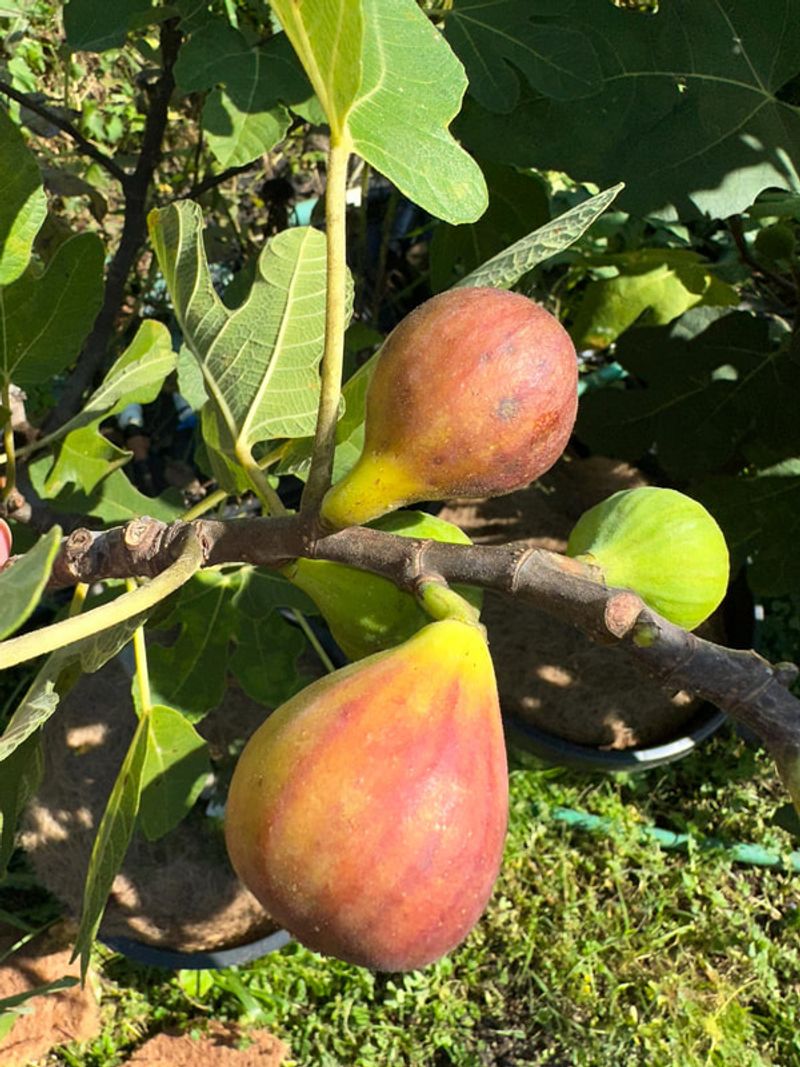
Figs can fruit twice, but not every variety does. The early crop, called brebas, forms on last year’s growth.
The main crop forms on the current season’s growth, which means a fig that freezes back can still push out new wood and set a main crop later.
That difference changes how much old branches are worth. According to University of Maryland Extension, brebas grow on previous-year wood, while the main crop grows on new wood.
Whether a plant makes brebas at all depends on the cultivar and the growing conditions.
North Carolina varieties show how much it varies. The Johnston County Extension guide says Brown Turkey produces a light breba crop, while Celeste usually does not.
If you grow Brown Turkey, saving last year’s branches could protect that early, modest bonus. If you grow Celeste, old wood matters less for fruit, though the same guide calls it the most cold hardy of the common figs it recommends.
So preserving old branches is a perk for some plants, not a requirement for every fig to fruit next summer. A grower whose fig dies back and regrows may still get a main crop, depending on timing and the cultivar.
Knowing which type you have helps you set your expectations before you spend a weekend wrapping.
If you are not sure which cultivar is in your yard, check the plant tag or ask the nursery that sold it. That one fact tells you how much a protective wrap may be worth to you.
A breathable enclosure may shelter dormant branches
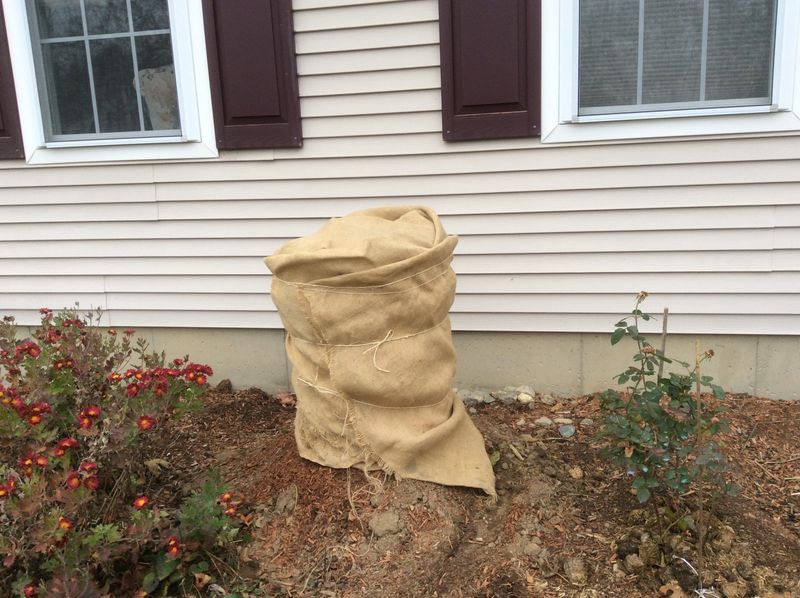
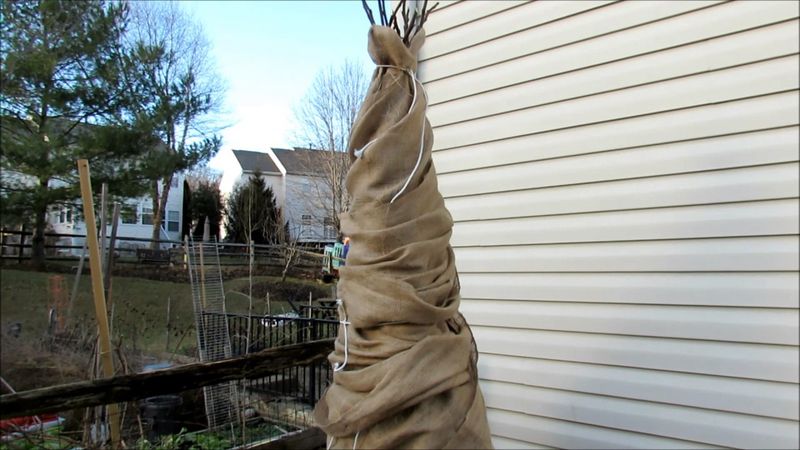
For a wrap-style method, Virginia gives some of the clearest steps. Virginia Cooperative Extension advises tying flexible branches together and wrapping them in breathable material such as burlap or canvas.
It is neighboring-state guidance, so treat it as a helpful starting point and not a tested guarantee for North Carolina.
Start after the plant goes dormant and before severe cold is forecast. Gather the branches gently with soft ties, working slowly so stiff stems do not snap.
Then wrap the bundle in burlap or canvas so air can still move through the fabric.
If you want extra insulation, the Virginia guide describes building an enclosure around the bundle and filling it with dry material, such as leaves or straw. Dry is the key word.
Damp filling can hold moisture against the bark for weeks.
A tarp can go on the very outside, but only as a rain-shedding layer. Leave room for air circulation, such as a gap near the bottom, so the shelter does not turn into a sealed bag.
Keep the tarp from touching the branches where you can.
Picture the whole setup as a breathable winter coat with a loose raincoat over it. It may reduce the chance of injury during a hard freeze, but it will not promise your fig comes through unharmed.
Gardeners in the mountains and Piedmont may find a thicker layer worthwhile than those near the coast, though no guide can tell you exactly how much your yard needs.
Protect young figs around the trunk
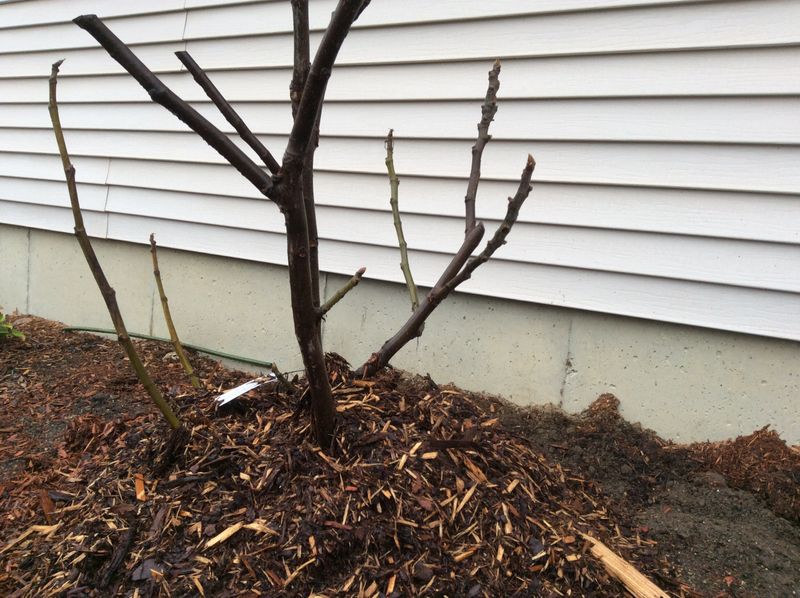
If your fig is just a few years old, the simplest protection may be at its feet. NC State Extension recommends mounding loose soil or mulch 1 to 2 feet around the trunk of young plants in late fall.
Young plants are the most vulnerable, so this step guards the lower trunk, where new growth can restart if the upper branches are hurt.
Pile the material loosely rather than packing it down. Then in spring, once frost is no longer a hazard, pull the mound away so the trunk can breathe and warm up.
Leaving it on too long can hold moisture against the bark.
Other Extension options exist, and they work a bit differently. The Johnston County guide describes covering young plants with a tarpaulin or setting a wire cage around a dormant tree and filling it with mulch, hay, or leaves.
For older trees, it suggests mounding mulch or leaves 18 inches to 3 feet high, then pulling them away after freezing temperatures have passed.
Which one suits you? A small fig in a sunny bed may do fine with a simple mound.
A larger plant with branches you hope to save for brebas may call for a cage or the breathable wrap from the last section.
None of these steps guarantees survival, but a mound at the trunk is cheap and easy to do on a fall weekend. It gives a young fig a better chance to sprout again from living wood near the ground.
Reduce moisture and vole risks in the winter shelter
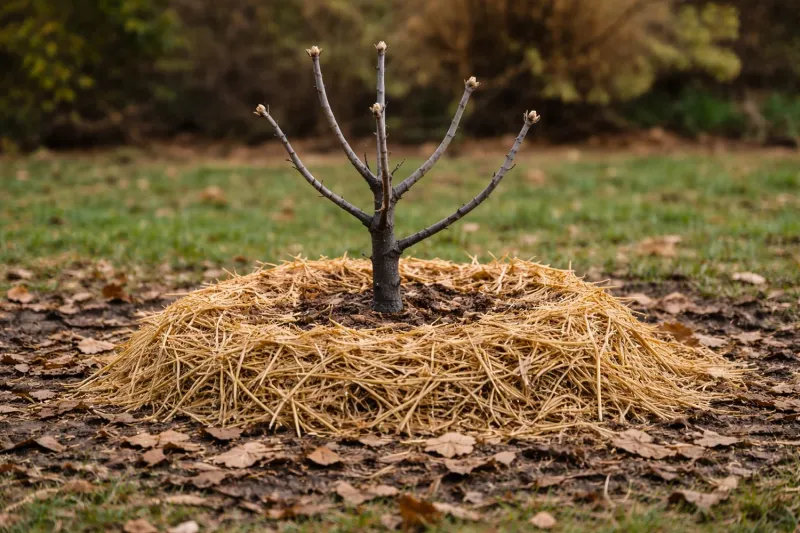
Any shelter that holds warmth can also hold trouble. Plastic wrapped directly around branches is the biggest mistake.
Virginia Cooperative Extension favors breathable wrapping and warns that plastic can create moist conditions favorable to mold and fungi.
To keep moisture in check, use burlap or canvas against the branches and keep the filling dry. Leave air space, such as a gap near the bottom under a rain-shedding tarp, and avoid sealing the plant completely.
Wrap on a dry day when you can, since trapping wet wood inside a cover invites problems.
Voles are the other worry. University of Maryland Extension notes that insulating materials can shelter voles, which may feed on fig bark.
A cozy pile of leaves or straw looks like a winter hotel to a small rodent.
You can lower the odds without removing them. Keep thick mulch and filling from piling up tight against the trunk longer than needed, and check the shelter now and then on mild days.
Look for small runways, tunnels, or chewed bark, and clean up fallen debris and tall grass nearby.
Voles are also a normal part of a yard’s wildlife, and the goal is not to wage war on them. The goal is to avoid handing them a free, protected buffet of bark.
No cover will wipe out moisture or vole risks, so a quick peek during the winter is part of the job.
Uncover in spring and assess the wood before pruning
When frost is no longer a hazard, take the mound away from the trunk. NC State Extension recommends removing it in spring for young plants.
Open the wrap and cage at the same time, but keep covers handy if a late cold snap shows up.
Then resist the urge to prune right away. Figs can leaf out late, and a branch that looks dead in March may surprise you.
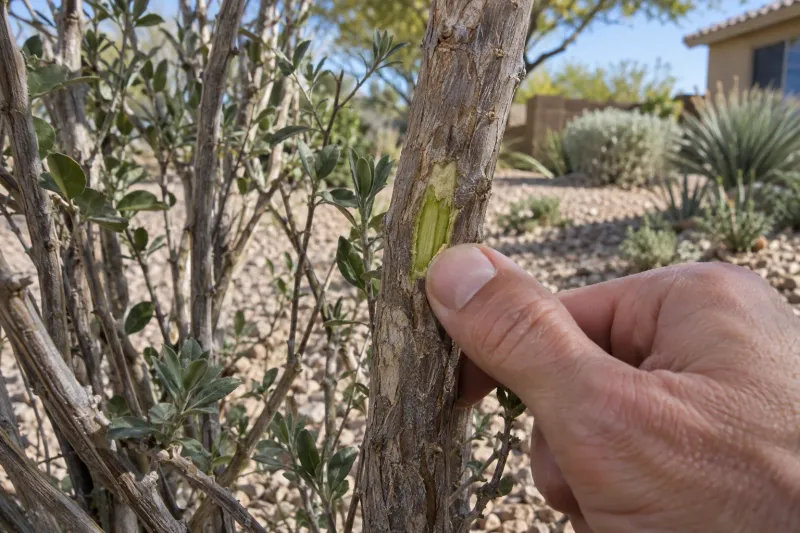
University of Maryland Extension advises checking winter-killed wood in early spring by lightly scraping the bark. Green tissue underneath means the wood is alive.
Cut only after you find where living wood ends. Maryland also notes that shoots coming up from the roots after severe injury rarely make mature fruit that same year.
That is regional guidance, so your own plant may behave differently.
Protection may save branches and brebas, but it cannot promise survival or a crop. A fig that starts over from the roots is still a fig, and patience often pays off.