
A Light Trap May Collect Some Lady Beetles Swarming Your Sunny Windows
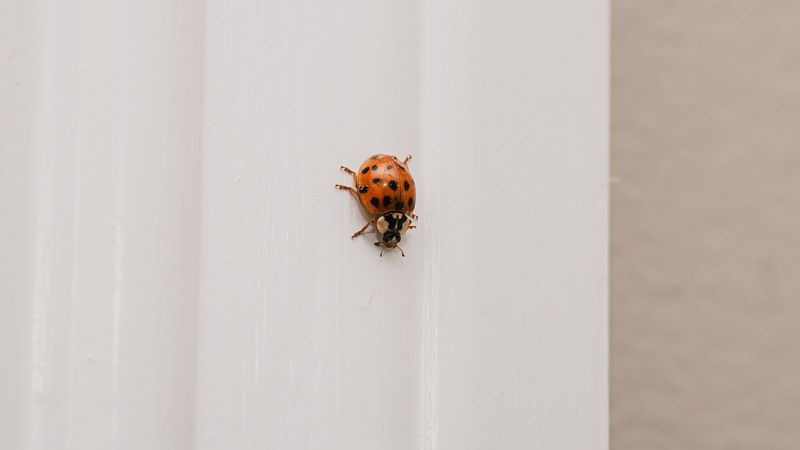
Warm fall afternoons can turn a sunny window into a crowded spot for orange beetles. They crawl on the glass, drop onto the sill, and show up in your coffee mug.
A homemade light trap sounds like an easy fix, but it helps to know what it can and cannot do. Here is a calm, honest look at your options for getting some relief.
First, check whether the beetles are indoors
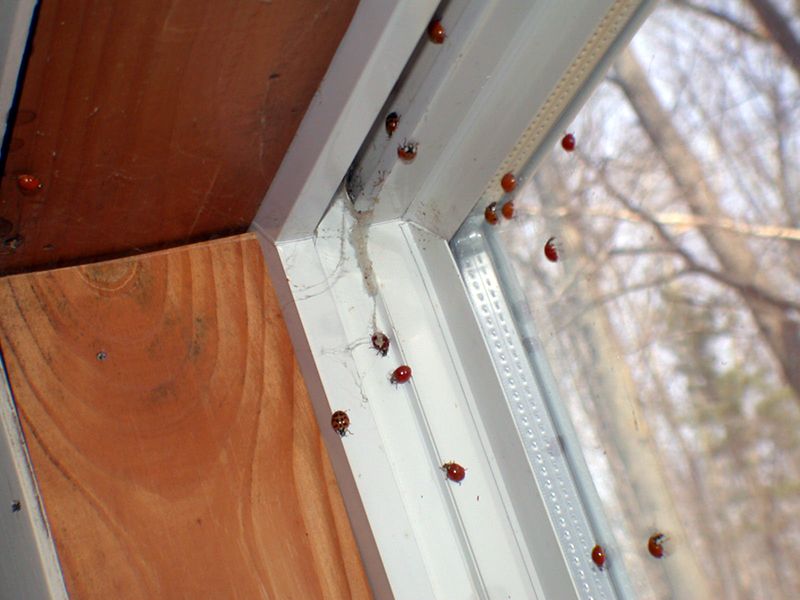
Before building anything, take a minute to look at where the beetles actually are. Beetles clustered on the outside of your siding or around a window frame are an outdoor gathering.
Beetles crawling across a ceiling, curtain, or sill inside the room are already in the house. An indoor trap can only reach the second group.
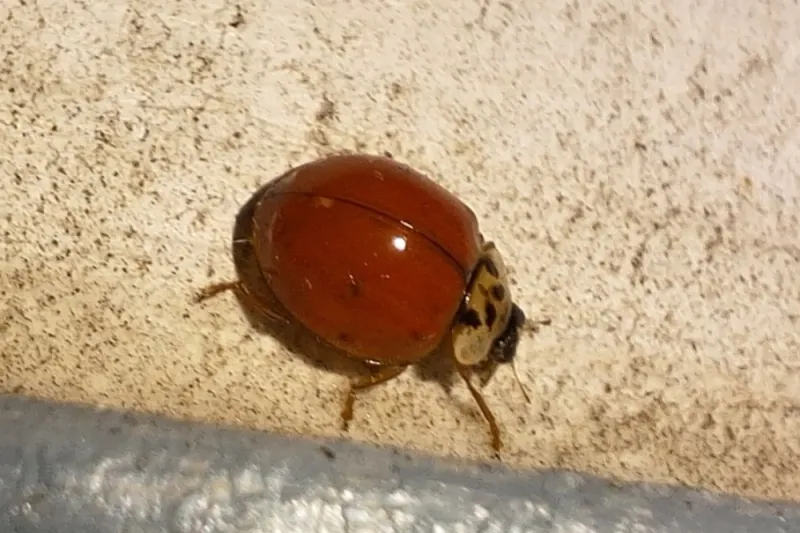
Next, make sure you are dealing with the right insect. University of Minnesota Extension suggests looking for a black M-shaped marking on the white area just behind the head of the multicolored Asian lady beetle.
Treat that mark as a helpful clue, not a perfect test, since colors and spots vary a lot. This article is about this one species, not every lady beetle in your garden.
Outdoors, these beetles are useful predators that eat aphids and other soft-bodied pests, so the ones on your tomatoes and hydrangeas are doing you a favor. Indoors, they are mostly a nuisance.
Cornell’s pest guide notes they do not carry disease or damage household materials, but they may bite, and they can release a smelly yellowish fluid that stains. Some people also have allergic reactions to them.
Walk through the room tonight and count what you see inside versus outside. That quick check decides which fix makes sense.
Why they gather around homes in fall
Come autumn, multicolored Asian lady beetles look for a place to spend the winter. In the wild that means rock cliffs, and a light-colored house works as a good stand-in.
That is why sunny walls and window frames become busy spots on warm fall days.
According to University of Minnesota Extension, some beetles slip in through gaps and cracks. Later, as the house warms up, they may wander out of hiding and move toward light and warmth.
Virginia Cooperative Extension describes the same pattern in its guide to ladybird beetles in buildings.
One bit of good news: the beetles do not reproduce inside your home. The ones you see are not breeding in your walls.
They are simply waiting out the cold.
That brings us back to the sunny window. A bright window can draw beetles that are already inside, which explains the crowd on the glass.
It is not the reason a swarm gathers on the outside of the building.
Beetles tucked into wall voids are out of reach of any trap you set in a room. If you see a few drifting out of a light fixture or a baseboard gap on warm winter days, that is likely where they came from.
A light trap may collect some, not clear a room
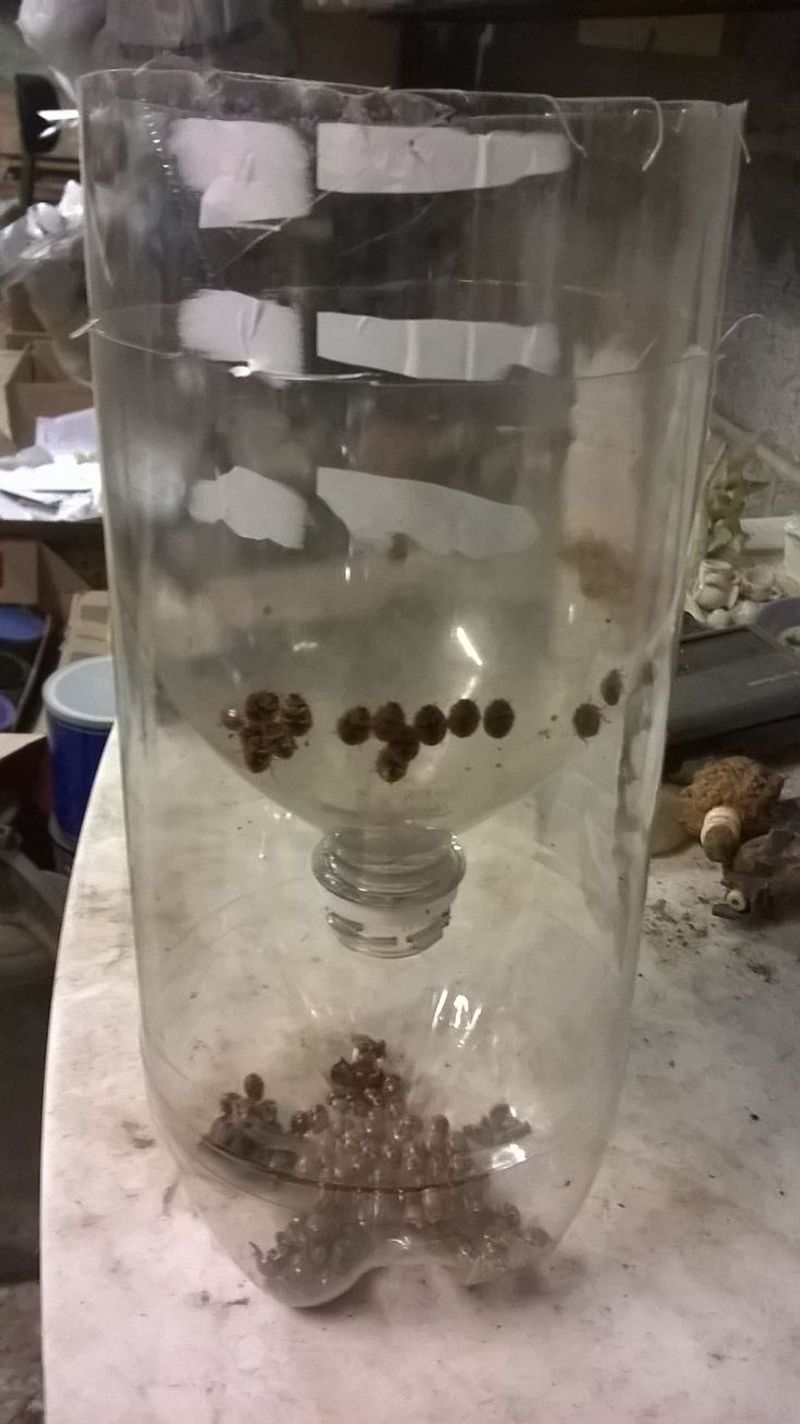
Here is the honest version of the promise. A light trap may collect some beetles that are already indoors.
Nobody has shown that a quick household setup will clear a room, much less a swarm, by morning.
Iowa State Extension describes indoor light traps as collection devices. They gather beetles they can reach.
They do not prevent new ones from coming in, and they do nothing about the crowd outside.
You may see a big number floating around. Ohio State Extension reports that its homemade trap caught 70% of beetles in its tests.
That figure belongs to that specific trap and those specific tests. The document does not give enough detail to treat it as a typical success rate.
It also does not describe a lamp sitting over a bowl of soapy water. The tested trap uses a light, funnel-like sloped surfaces, a collection container, and powder.
Nothing in the source tests the bowl shortcut, so there is no reason to expect the same results from it.
Think of a light trap as a modest helper. If it pulls some beetles out of your living room, that is a real win.
Just do not plan your week around it working overnight.
Build and run the documented light trap

If you want to try a trap, follow a design that has actually been documented. Ohio State Extension publishes a how-to for building a light trap.
It uses milk jugs, a clamp light, plastic sheets, and a few other supplies. Check that sheet for exact measurements and the full parts list, since the details matter.
The basic idea is that the light draws beetles toward the trap. Sloped plastic surfaces guide them down into a collection container.
The design is more involved than setting a household lamp over a bowl, so plan on a little assembly time.
Ohio State’s light trap instructions say to run it in a dark room or at night. Put it in the room with the most beetles if you can.
The instructions also call for powder on the sloped surfaces so the beetles slide into the container instead of clinging and climbing back out.
Keep the trap’s job in perspective. It may collect beetles that are already indoors.
It does not keep new ones from getting in, and it cannot reach beetles hidden in wall voids or gathered on the outside of your house.
Check it each morning and empty it carefully so collected beetles do not escape back into the room. If you find the catch is small, that does not mean you built it wrong.
Beetles keep trickling out of hiding for weeks, so a trap works best as a patient, low-effort helper.
Vacuum visible beetles without crushing them
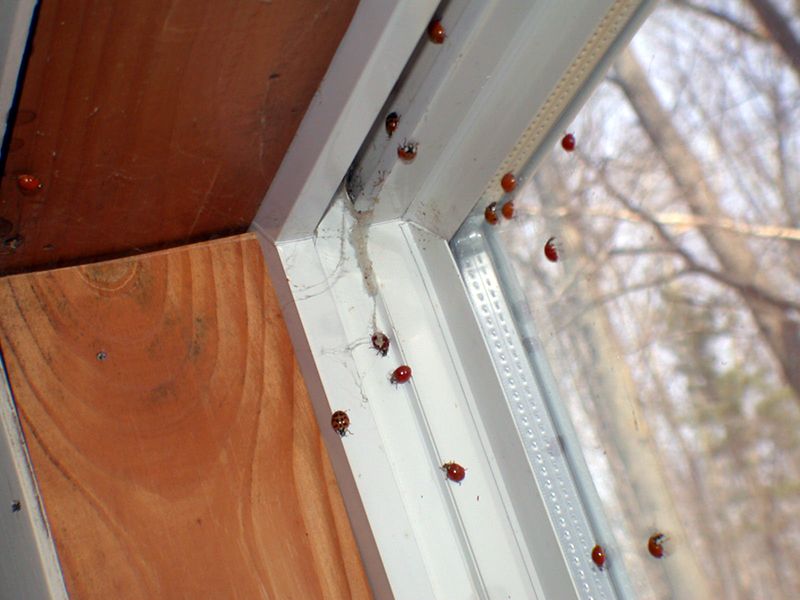
Sometimes the quickest relief is the vacuum you already own. For beetles you can see on a window or wall, a vacuum picks them up in seconds.
No building required.
A small trick keeps the job tidy. University of Minnesota Extension suggests placing a knee-high nylon stocking inside the hose and holding it with a rubber band.
The beetles land in the stocking before they reach the canister. When you finish, remove the stocking promptly and close it so nothing crawls out.
If you skip the stocking, empty the canister or bag soon. Virginia Cooperative Extension points out in its ladybird beetle guide that piles of dead beetles may attract carpet beetles.
That is one pest swap nobody wants.
Resist the urge to swat or squash them. A crushed beetle can release a defensive fluid that smells and can stain curtains and walls.
A vacuum avoids that mess.
For stragglers on high ceilings or in corners, a quick pass each day keeps numbers manageable. It is not glamorous, but it works on the beetles you can reach.
Seal entry points to reduce future arrivals
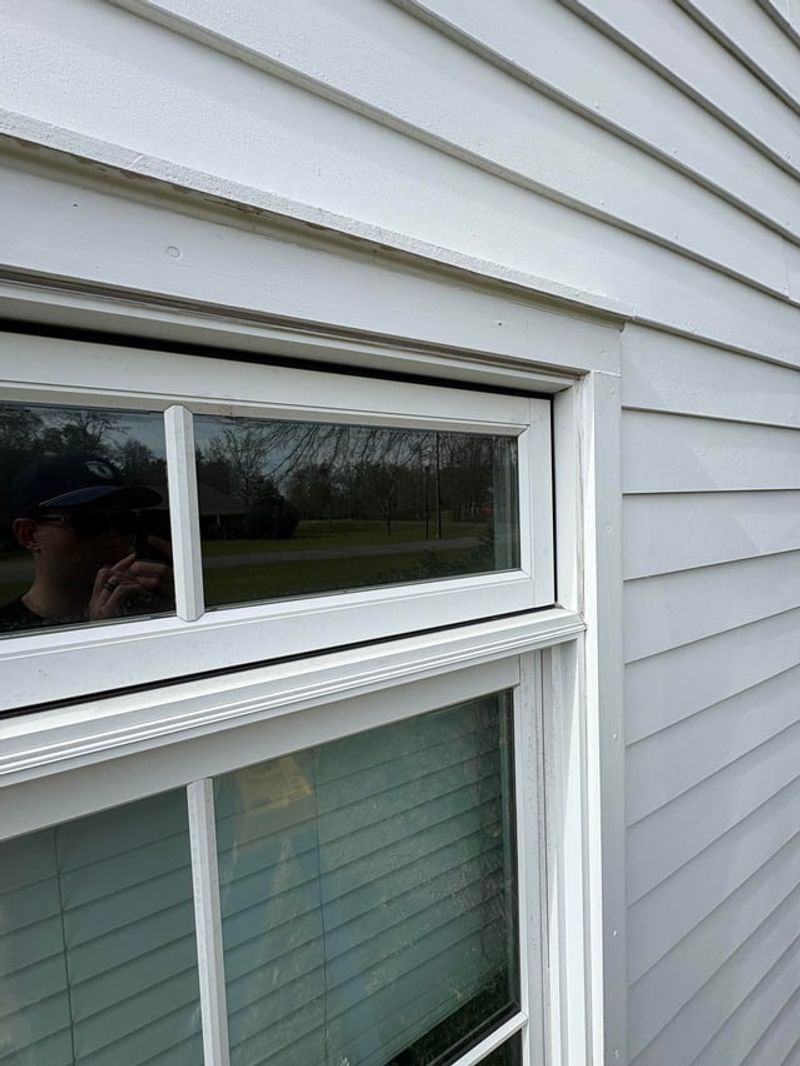
Keeping beetles out beats chasing them once they are in. Sealing gaps is the main preventive step, and timing matters.
The best moment is before the beetles arrive in fall.
Look closely at the spots where beetles tend to squeeze in: around windows, doors, siding, utility lines, and vents. Repair torn screens and worn weatherstripping too.
University of Minnesota Extension says beetles can fit through openings as small as 1/8 inch. Sealing reduces how many get in, but it may not stop every one.
If beetles are already tucked inside wall voids, sealing later will not pull them out. Spraying indoors is not a dependable fix either.
Virginia Cooperative Extension’s guidance on beetles in buildings explains that treating inside does not stop beetles that later emerge from walls. For any pesticide question, read the product label and ask your local Extension office.
So tonight, vacuum the beetles you can see, or try the documented light trap for indoor collection. Just do not expect either to clear the outdoor cluster or a whole room by morning.
Next fall, a tube of caulk applied in September will do more than any gadget in October.