
Acorns Covering Your Lawn This Fall? 13 Smart Ways To Put Every Last One To Use
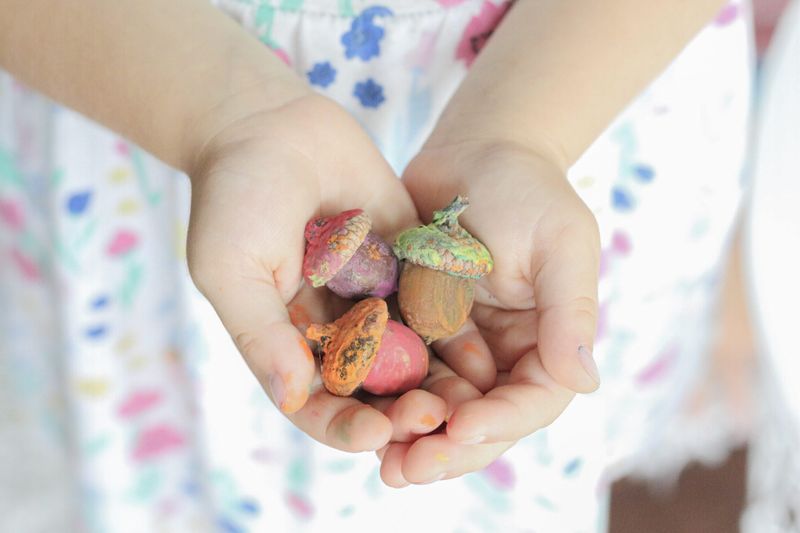
Every fall, oak trees drop thousands of acorns, and suddenly your lawn feels like a bumpy carpet of tiny nuts. Most people rake them up and toss them, but that pile is full of free value for your garden, your plants, and even your home.
With a little cleaning and a few simple tricks, those acorns can protect your hostas from slugs, feed the birds, and brighten your fall table. Here are 13 practical ways to make sure not a single one goes to waste.
1. Crushed Acorn Mulch for Blueberries and Shrubs
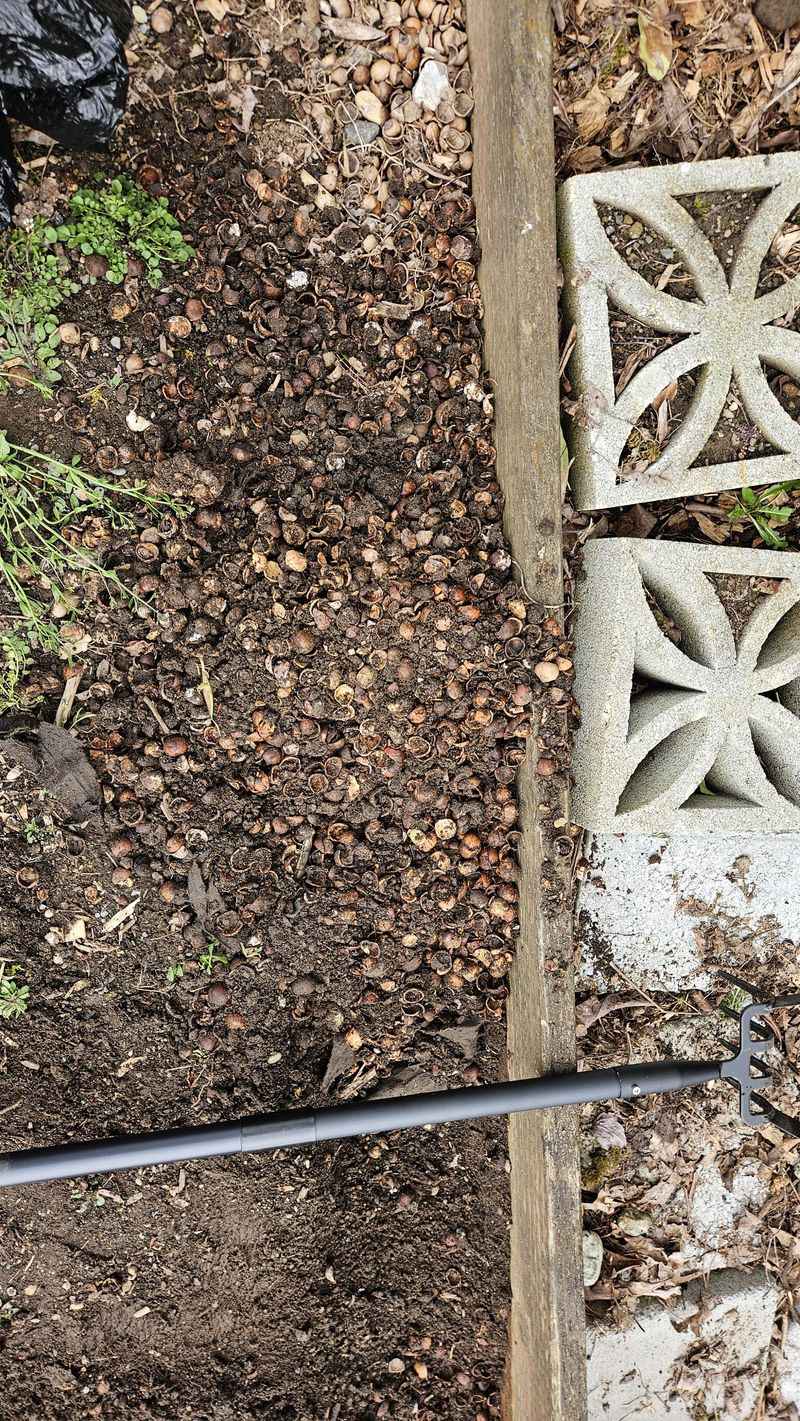
Your blueberry bushes might be the happiest plants in the yard this fall if you hand them a layer of acorn mulch. Blueberries crave acidic soil, and acorns carry natural tannins that may help nudge things in that direction as they break down.
Whole acorns roll around and take ages to rot, so crush them first. Lay them on a driveway and roll over them with a car, or stomp them inside a feed sack.
Spread a layer about one to two inches deep around the plant, keeping it a few inches away from the stem.
Azaleas, rhododendrons, and hydrangeas you want to keep blue may also appreciate the treatment. Just skip vegetable beds where lingering acorns could sprout or attract squirrels digging near tender roots.
2. Carbon-Rich Compost Booster
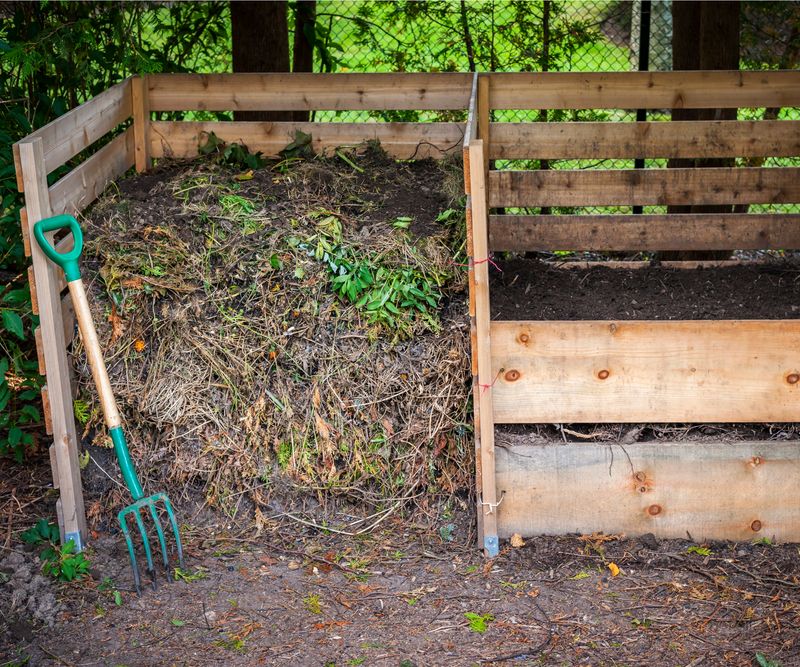
Compost piles get soggy and smelly in autumn when grass clippings and kitchen scraps pile up faster than dry material. Acorns count as a carbon-rich brown, the balancing ingredient your bin may be missing.
Soak them in a bucket of water for a few days first. The water turns brown as tannins leach out, which helps the acorns break down more evenly.
Then crack or crush them before tossing them in.
Mix them with shredded leaves for an even bigger carbon kick. By spring, that heap can turn into dark, crumbly compost ready to feed tomatoes and petunias.
3. Winter Snack Station for Backyard Wildlife
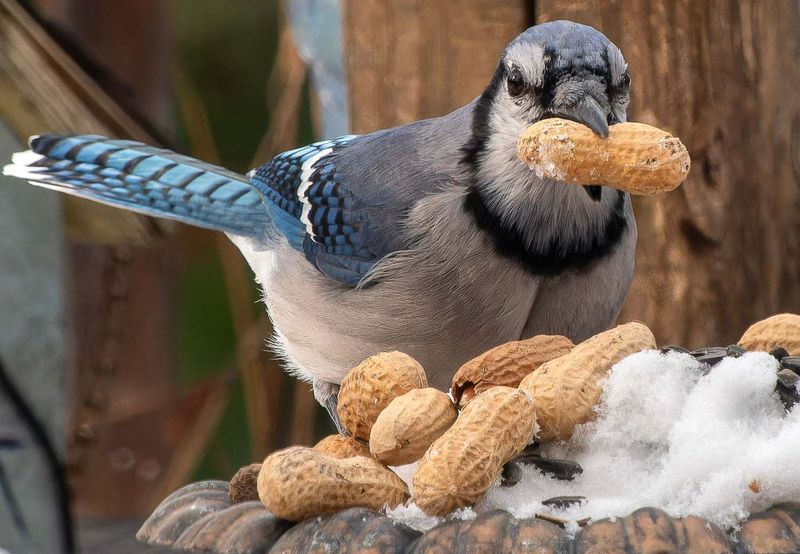
Around 150 kinds of animals count on acorns to get through winter. Blue jays, woodpeckers, chipmunks, wild turkeys, deer, and of course squirrels all treat a good acorn year like a holiday feast.
Rake a portion into a quiet corner of the yard, or fill a low platform feeder away from your flower beds. You get front-row seats to the action, and the critters get calories, fats, and vitamins right when food grows scarce.
A fun bonus: a feeding spot far from your bulbs may steer squirrels away from digging up your tulips. Blue jays, by the way, bury so many acorns that they are credited with helping oak forests spread after the last ice age.
4. Grow Your Own Oak Seedlings
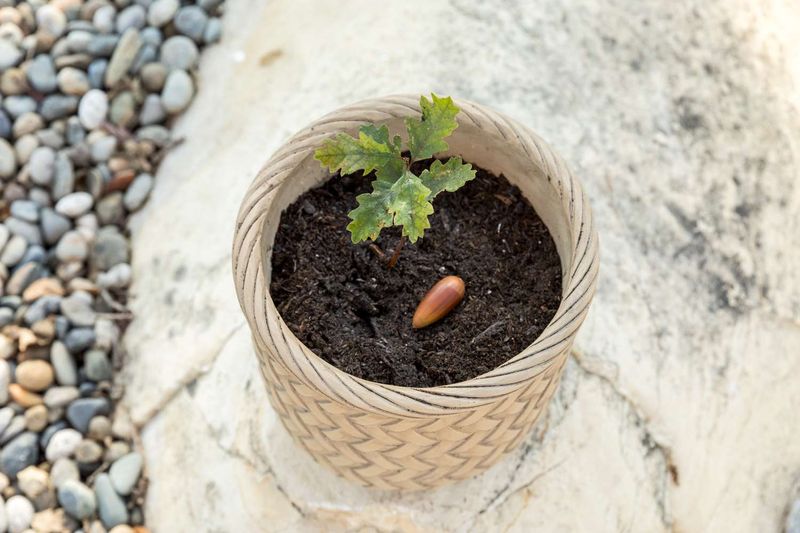
Picture an oak tree in your yard that started from an acorn you picked up today. It takes patience, but it is surprisingly doable.
Drop your acorns into a bowl of water. Floaters are usually hollow or damaged, so keep the sinkers.
Plant them two to three inches deep in deep pots or straight in the ground, with plenty of space for a future giant.
Red oak acorns, the ones with pointy-tipped leaves above them, usually need a cold spell before sprouting. Leaving pots outside all winter, or chilling acorns in the fridge in damp peat for a couple of months, handles that step.
White oak acorns often sprout right away in fall, so plant those quickly.
5. Spiky Slug Barrier Around Hostas and Lettuce
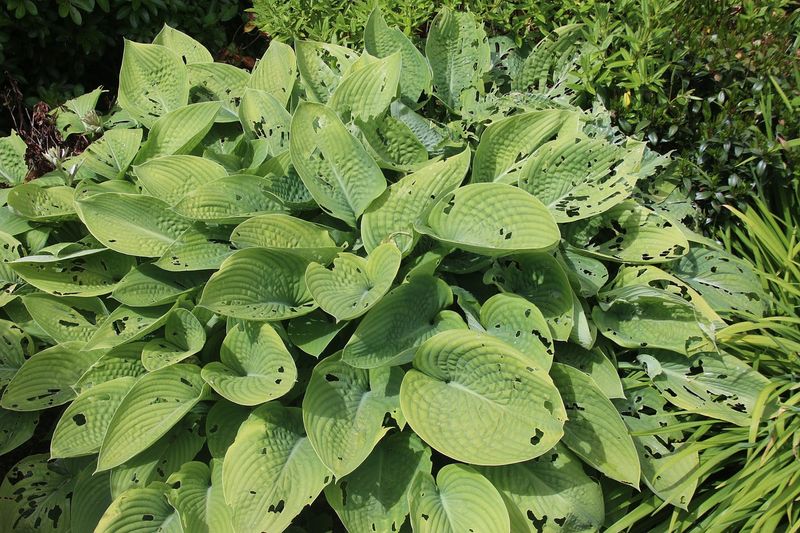
Ragged holes in your hosta leaves overnight? Slugs are the usual suspects, and they hate crawling across rough, jagged ground.
Collect the scratchy acorn caps and some crushed acorns, then mix in crushed eggshells. Sprinkle a ring a few inches wide around hostas, lettuce, or young marigold-free seedlings that keep getting chewed.
Refresh the ring after heavy rain since it can wash flat. It may not stop every slug, but it can reduce the damage without buying a single bottle of bait, which is a nice win if you have pets nearby.
6. Rustic Vase and Bowl Fillers
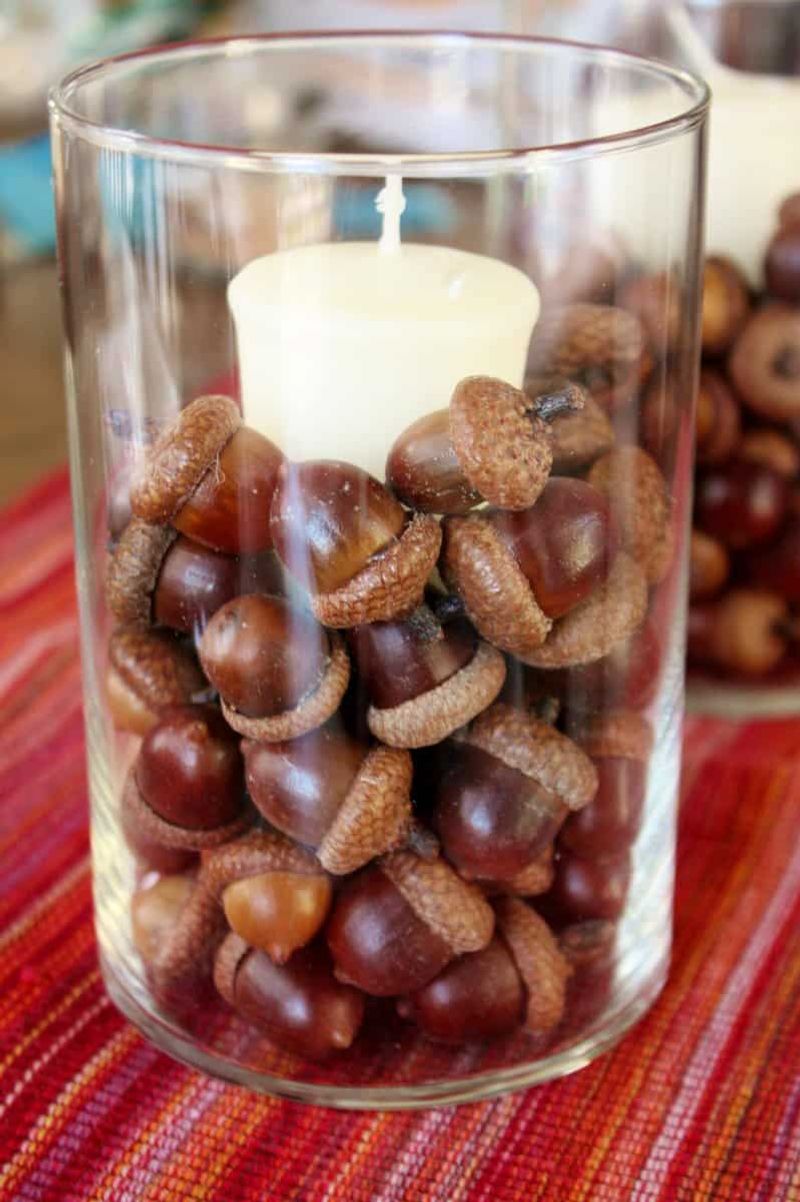
Cheap, pretty, and free from the yard. A clear jar packed with shiny acorns looks like something from a pricey home store.
Prep matters here, because acorns can hide tiny weevil larvae. Rinse them, toss any with holes or cracks, then bake on a tray at 200 degrees Fahrenheit for two to three hours, shaking now and then.
Let them cool completely.
Pour them into hurricane lamps, bowls, or mason jars. Tuck a candle in the center, or layer acorns with dried corn and small pinecones for a harvest look that lasts until Thanksgiving.
7. Handmade Acorn Wreath
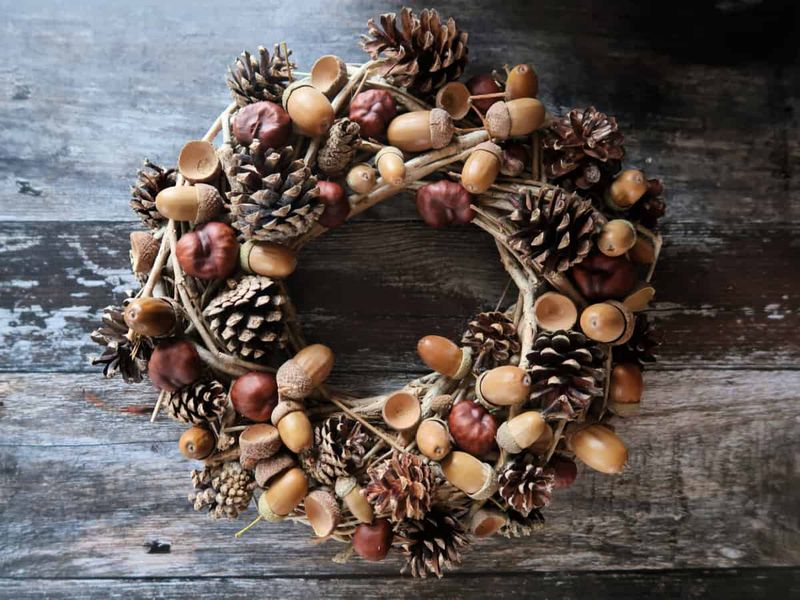
Grandma probably had one hanging on her front door, and the charm still holds up. An acorn wreath turns a weekend afternoon into a decoration you can reuse for years.
Grab a plain twig or foam wreath form and a hot glue gun. Cover the form with baked acorns, caps alone, or a mix with pinecones.
Packing them tightly hides the base and gives a rich, textured finish.
Finish with a burlap or plaid bow at the top. Hang it under a covered porch so rain does not loosen the glue, and it should come out looking fresh again next fall.
8. Napkin Rings and Place Card Holders
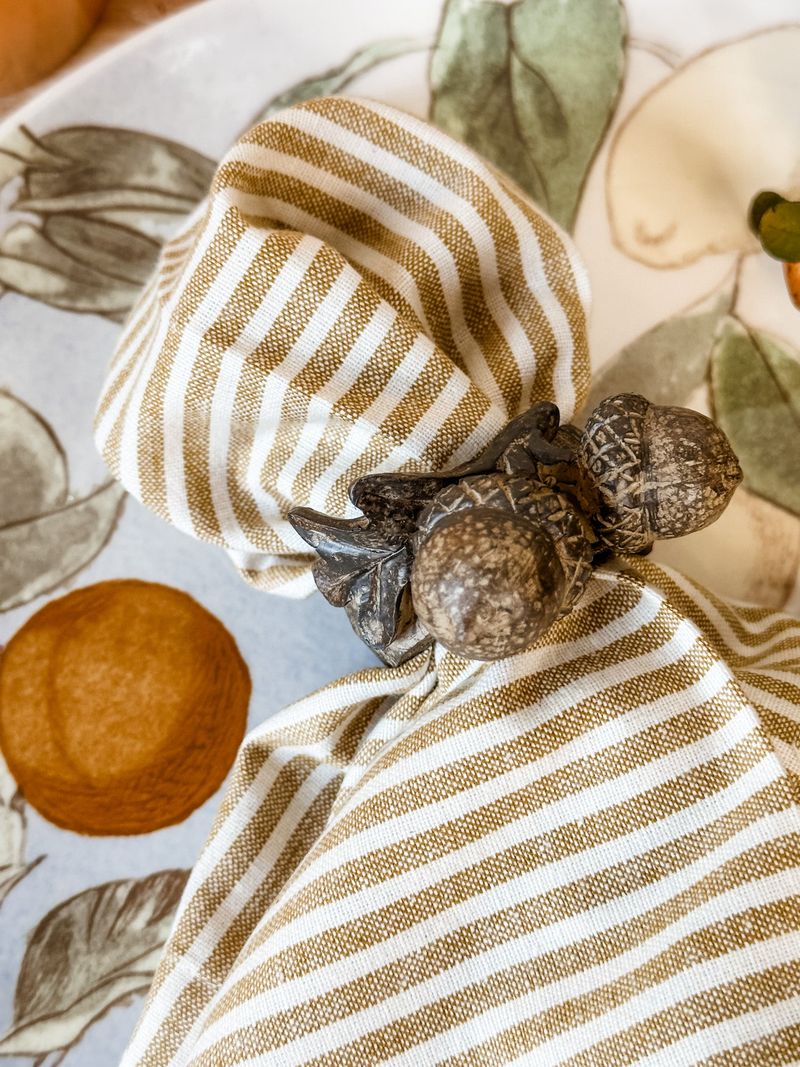
Guests notice little touches. A napkin tied with a ring of acorns makes the whole holiday table feel thought out.
For rings, hot-glue acorns around a cardboard tube slice or a loop of twine. For place cards, glue three acorns into a small triangle and wedge a folded name card between them.
Kids can help write names and pick favorite acorns. After dinner, the pieces tuck into a box with your fall linens for next year.
9. Rainy Day Crafts With Kids
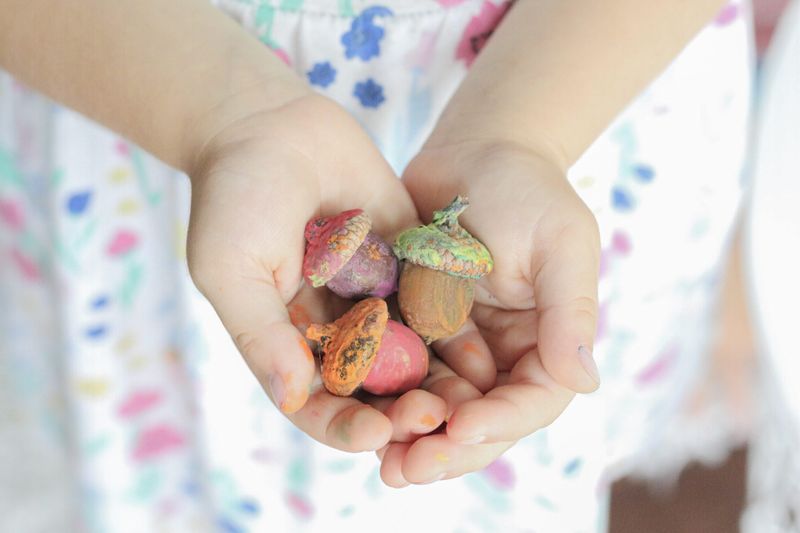
Hand a bored eight-year-old a bucket of acorns and some googly eyes, and the afternoon fixes itself. Few free materials spark this much imagination.
Paint acorn caps in bright colors for tiny hats. Glue a row of acorns together to build a caterpillar, or add felt ears and turn them into owls and mice.
Collecting is half the fun, so let kids gather their own on a backyard hunt. Remember to bake the acorns first, and keep them away from toddlers who might pop one in their mouth.
10. Bonus Fuel for the Fire Pit
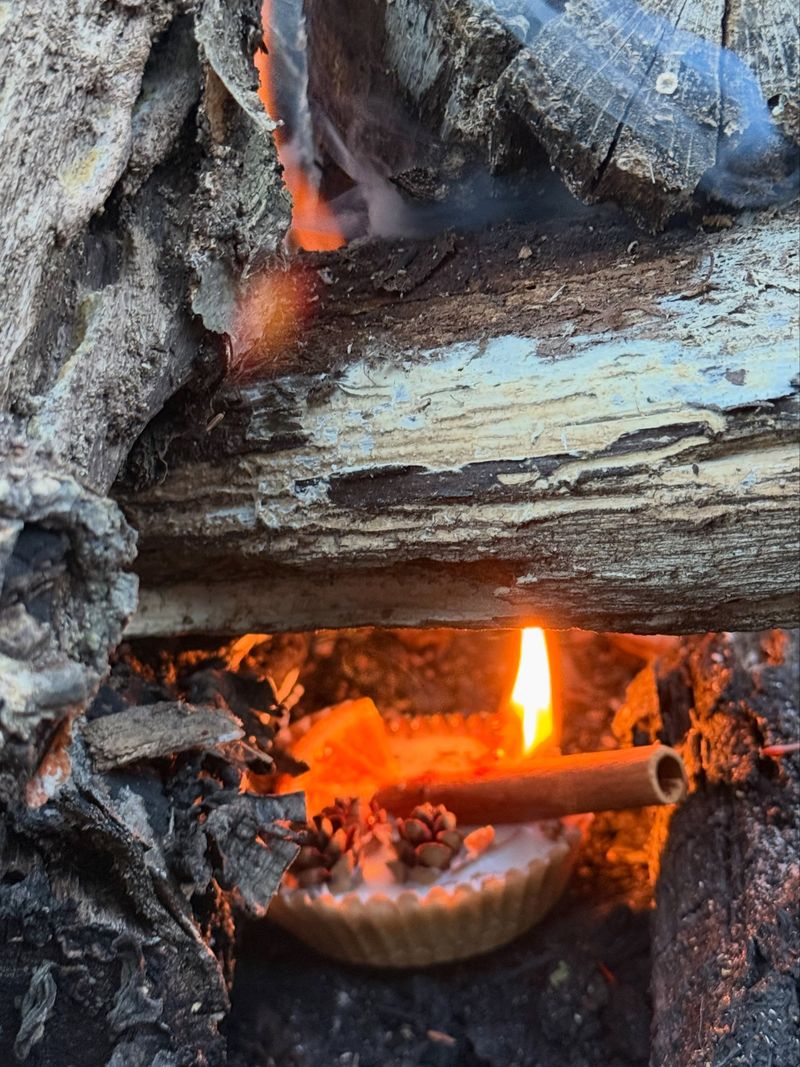
Crackle, pop, glow. Dried acorns burn nicely alongside wood and can stretch your firewood supply on chilly fall evenings.
Let them dry thoroughly first, either in a warm spot for a few weeks or after baking. Damp ones smoke and sputter.
Toss a handful onto a fire that is already burning well rather than trying to start a fire with them.
Watch for small pops as moisture escapes, and keep a safe distance. Once the fire cools, the ash can go on the compost in small amounts.
11. Slow Soil Acidifier for Blue Hydrangeas
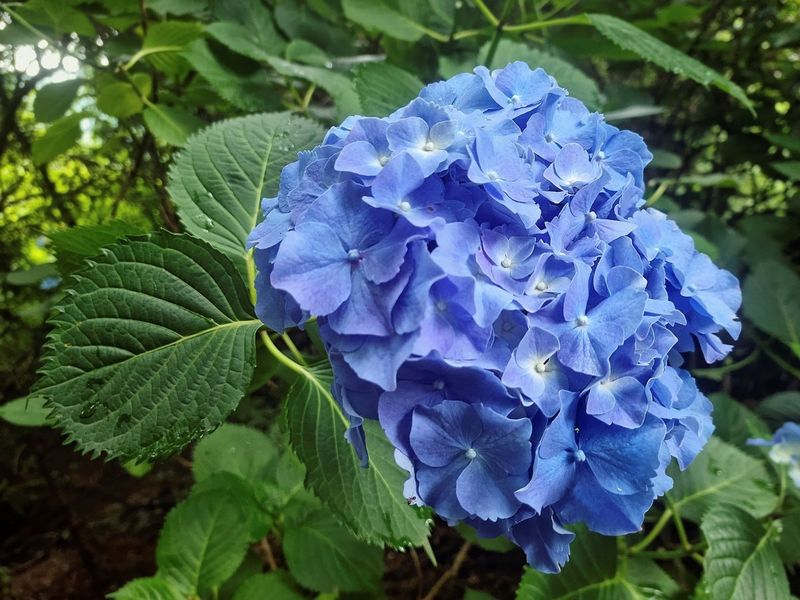
Hydrangeas turning pink when you wanted blue is a frustration many gardeners know well. Bloom color depends on soil pH, and acidic soil generally favors blue.
Crushed acorns worked into the top layer of soil around your hydrangea can contribute a little acidity as they decay over seasons. Mixing in shredded oak leaves adds to the effect.
Be realistic, though. This is a slow, gentle helper, not a quick fix, so pair it with a soil test and a proper soil acidifier if you want a noticeable color change by next summer.
12. Anchors for Cut Flower Arrangements
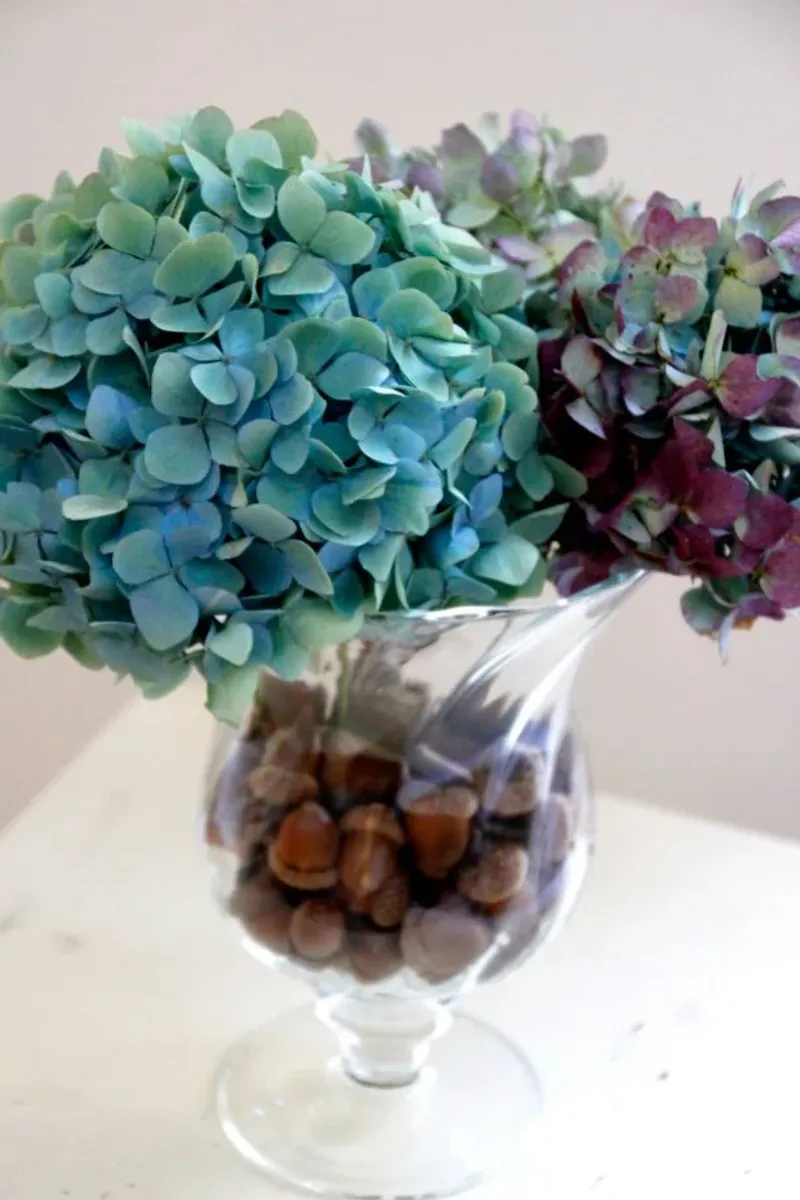
Tall branches that keep flopping over in the vase drive florists and home decorators alike a little crazy. A layer of acorns at the bottom solves that problem.
Fill the vase about a third of the way with baked acorns, then push stems down between them. The acorns grip each stem and hold it upright, much like floral marbles.
Try it with bittersweet, mums, or the last hydrangea heads of the season. Change the water often, since acorns can tint it slightly brown.
13. Acorn Cap Top Dressing for Potted Plants
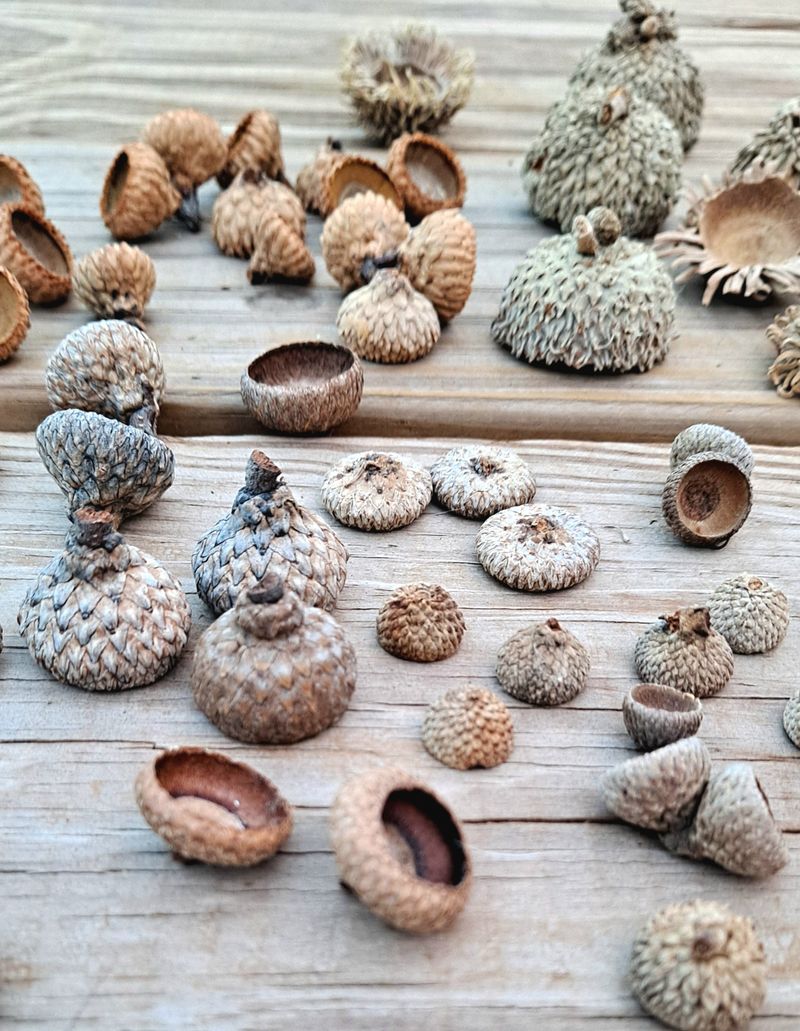
Those little empty caps scattered around the patio are tiny treasures. As a top dressing on potted plants, they add instant woodland charm.
Spread a single layer over the soil of succulents, potted geraniums you bring indoors for winter, or small houseplants. The caps help cover bare soil and look cozy on a windowsill.
Keep the layer thin so water still reaches the roots. If fungus gnats show up, pull the caps off and let the soil dry out between waterings.