
American Persimmon in North Carolina: Fall Fruit That May Last Into Winter for Your Family and Wildlife
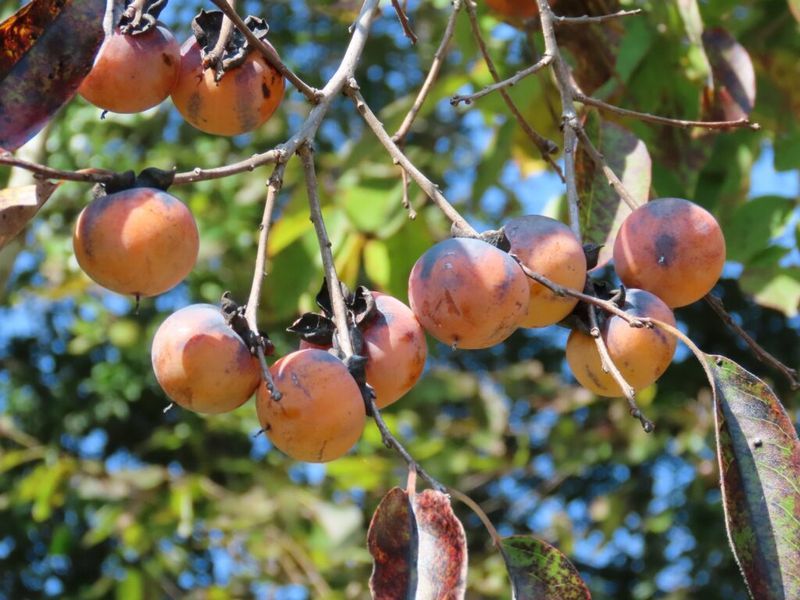
Some trees do double duty, and the American persimmon is one of North Carolina’s best examples. Its orange fruit ripens in fall, and some of it may hang on after the leaves are gone.
People can eat the fully ripe fruit, and foxes, birds, and other animals eat it too. Whether a tree gives you a harvest, a winter show, or both depends on your yard, your tree, and a bit of luck.
American persimmon is the edible native fruit tree
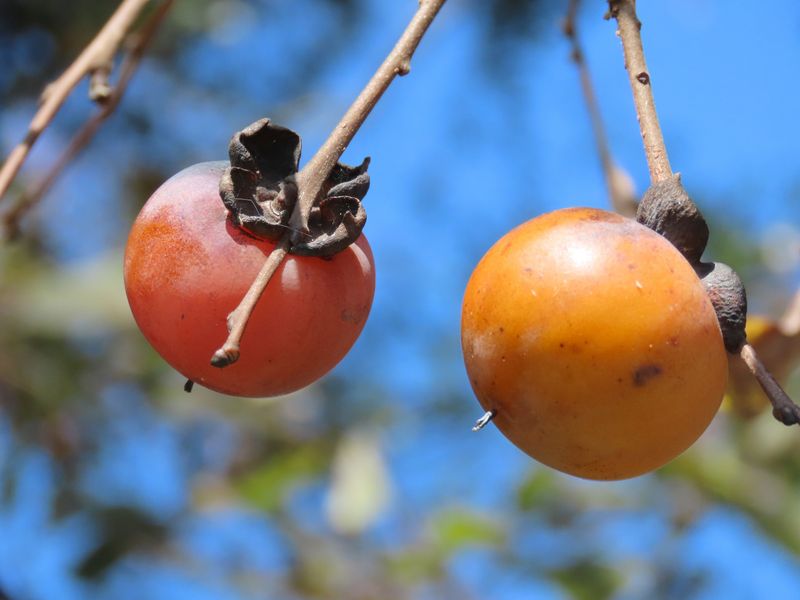
Meet Diospyros virginiana, the American persimmon, a tree that grows wild across North Carolina. According to NC State Extension’s plant profile, it is native here and produces fruit that people and wildlife both eat.
The key word for people is ripe. A fully ripe persimmon is soft and sweet, while an unripe one is harshly astringent and leaves your mouth feeling dry and puckered.
It helps to keep this tree separate from a similar-sounding plant, possumhaw holly. Possumhaw (Ilex decidua) holds bright berries through winter, and birds and small mammals use them.
But NC State warns that people should not eat them, since eating them can cause minor toxicity such as vomiting or diarrhea. Possumhaw is a handsome native for wildlife, but it is not a family snack.
Persimmon, on the other hand, offers a possible shared food source. Some years a tree may feed you and the animals around your yard.
Other years it may not fruit well at all, and no tree can promise a crop or a wildlife visit. Think of it as a good chance, not a guarantee.
A fall crop may carry into winter
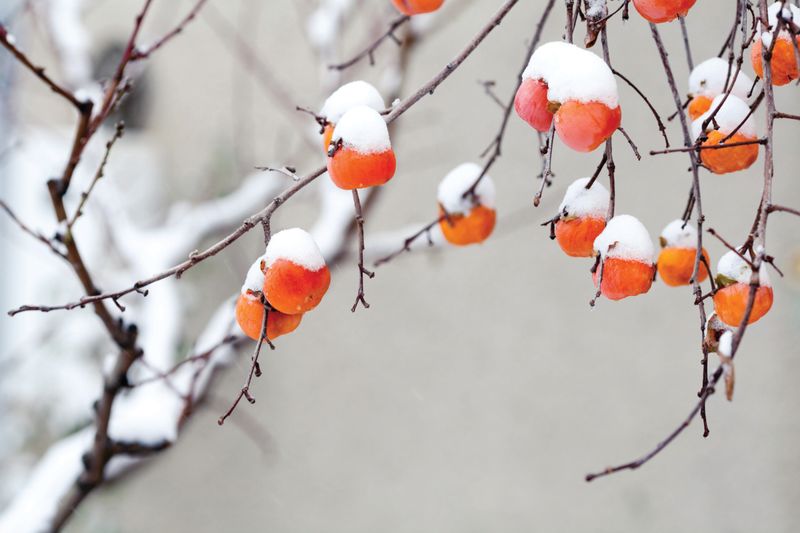
Picture a bare tree on a cold morning with orange fruit still hanging from the branches. That is the sight that gives persimmon its winter reputation.
NC State lists persimmon fruit as useful for both winter wildlife and winter eating, and its plant profile says fruit can stay on after the leaves drop and through freezing weather.
The fruit itself is a fall crop. Display and harvest are listed from September to December in the plant profile, and the NC State tree fruit handbook gives September to November for harvest.
Exact timing shifts with the tree, the weather, and where you live.
Winter persistence is variable. Fruit can drop, rot, or get eaten before you ever pick it.
NC State’s guide to growing edibles in the landscape also lists persimmon among edible landscape plants, which is a reminder that it works in a yard, not only in the woods.
There is a difference between fruit being available to wildlife and fruit being available to you. A branch full of persimmons at dawn can be bare by lunch if raccoons, birds, or deer find it first.
Fallen fruit can also get messy on a patio or lawn. If you want some for the kitchen, check the tree often once fruit starts to color up.
Eat fruit only when it is fully ripe and soft
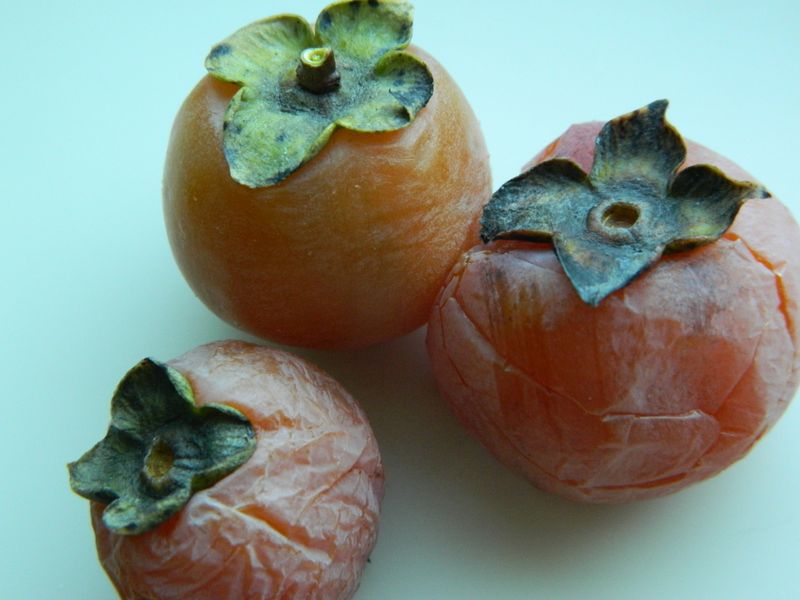
Here is the simple rule: if it is not soft, do not eat it. Unripe American persimmons are strongly astringent, which means they dry out and pucker your mouth in a very unpleasant way.
NC State’s plant profile describes ripe fruit as soft and sweet.
A ripe persimmon feels squishy, like a very ripe tomato, and its skin looks wrinkled or deeply colored. A firm fruit that is just orange on the outside is not ready yet.
If you are unsure, wait a few more days and test again.
Many people say persimmons need a frost before they can be eaten. That is a popular rule, but it is not a dependable one.
According to the University of Kentucky Center for Crop Diversification, fruit needs time to ripen, and it may hang on into winter. Softness is the sign to trust, not the calendar or the thermometer.
A good habit is to taste a tiny bite from a fruit that feels fully soft. If your mouth puckers, set the rest aside and try again later.
Patience is the whole trick here.
Foxes and other wildlife eat persimmons
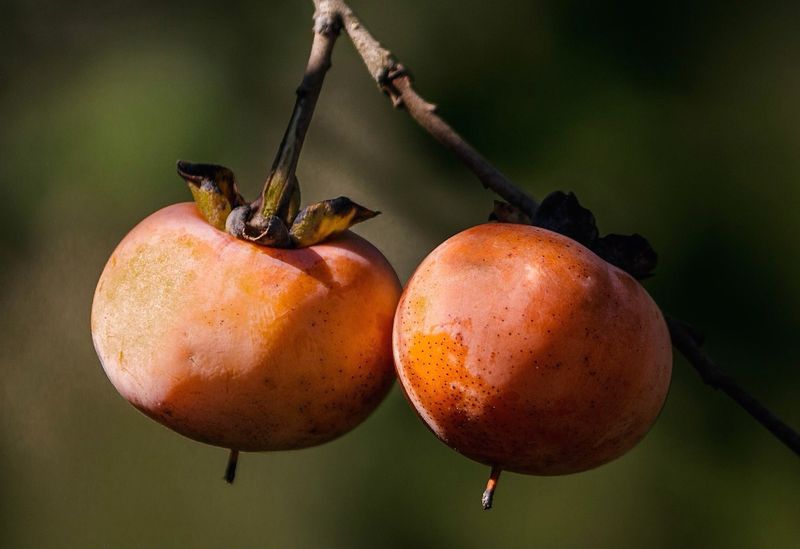
Foxes are on the list of animals that eat persimmons, and that detail is what makes this tree so fun for backyard stewards. NC State Extension names foxes, birds, small mammals, deer, raccoons, and black bears among the wildlife that eat the fruit.
That does not mean a fox will stroll into your yard because you planted one. Wildlife visits depend on what lives nearby, how much cover and water is around, and whether the tree fruits at all.
Treat the tree as a possible native food source and enjoy any visitors as a bonus.
If you do get visitors, you may spot signs like half-eaten fruit, seeds in droppings, or tracks near fallen persimmons. Birds may come first, and bigger animals often show up after dark.
Raccoons and deer are common in many neighborhoods, so consider how you feel about them before planting.
The best way to help wildlife is to plant native food sources instead of putting out handouts. The NC Wildlife Resources Commission recommends native plants and warns that feeding wildlife can create conflicts.
A persimmon lets animals forage naturally and keeps them wild.
Check your yard and region before planting
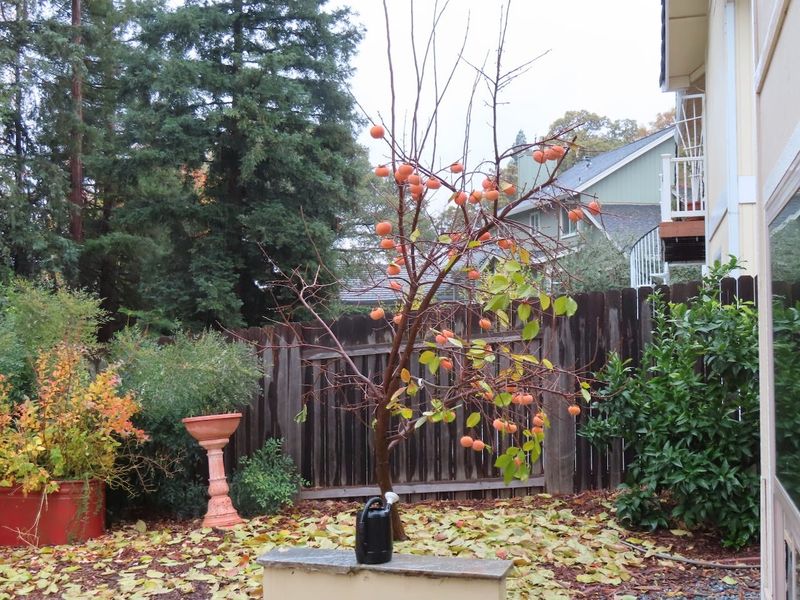
Size is the first thing to settle. NC State gives a typical height of 30 to 80 feet for American persimmon, according to its plant profile, and mature trees can sucker, sending up new shoots from the roots.
On a compact lot, that may be more tree than you want.
Walk your yard and look up. Check for power lines, roofs, septic lines, and your neighbor’s fence.
Also think about where fallen fruit will land, since mushy persimmons on a driveway or deck are a chore.
The tree grows best in moist, well-drained soil with full sun to partial shade. A spot with sun for most of the day and soil that does not stay soggy gives it the best start.
Open edges of larger yards, near a woodland border, often suit it better than a tight foundation bed.
Region matters too. The NC State Extension Gardener Handbook recommends persimmons for eastern and central North Carolina.
Its western crop list does not include them. If you garden in the mountains, call your county Extension office and ask about local cultivars and sites before buying anything.
Do not assume the tree will perform the same from the coast to the Blue Ridge.
Fruit takes planning and patience
Planting a persimmon is no promise of fruit. These trees are usually male or female, and only females bear fruit.
Sex and pollination can affect what you get, and NC State’s plant profile also points to age and growing conditions as factors.
Then there is the wait. Seed-grown trees may take 4 to 9 years to start bearing, while grafted trees may take about 3 years.
That is a long time to watch a tree grow, so think of this as a project for the years ahead.
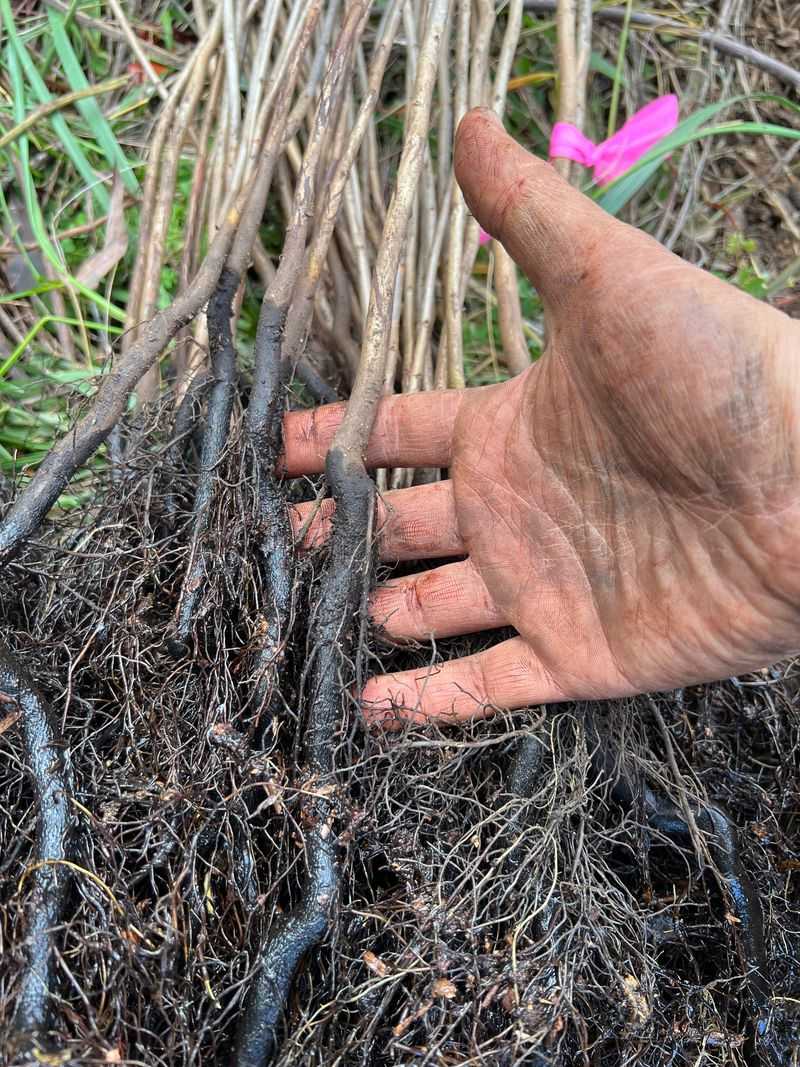
A deep taproot makes transplanting difficult, so it pays to pick the right spot the first time. Moving a young tree later can set it back or fail.
Mark the location, check the space overhead, and plant once.
Choosing between a seedling and a grafted tree is a long-term decision. Grafted trees tend to fruit sooner, but ask your local nursery or Extension office what is available and suited to your area.
This is also a good moment to ask about pollination, since a lone tree may not give you what you expect.
Choose persimmon for a possible shared food source
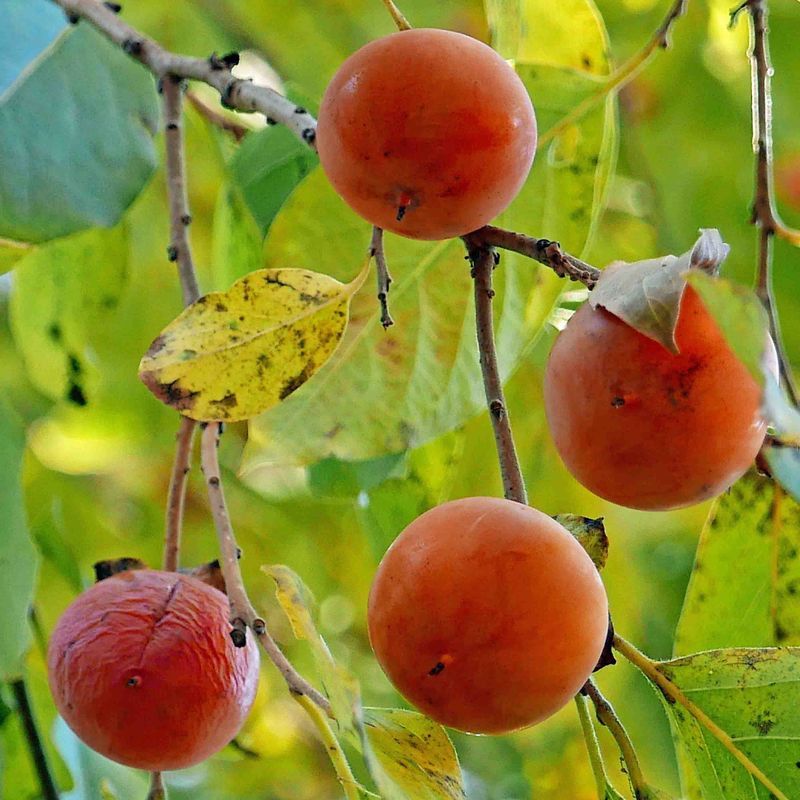
American persimmon makes sense if you have room for a big tree and like the idea of a native fall crop that can feed people and wildlife, and may linger into winter. Yield, fruit that lasts, your own harvest, and animal visits will all vary.
NC State’s profile is a good place to start.
Plant it instead of hand-feeding animals, as the NC Wildlife Resources Commission advises. Mountain readers should ask local Extension staff, since the handbook favors the east and center of the state.
Plant it for the years ahead, and let the fruit be a welcome surprise.