
Before You Shoo That Opossum Off Your Porch, Here Are 15 Ways It’s Quietly Helping Your Garden
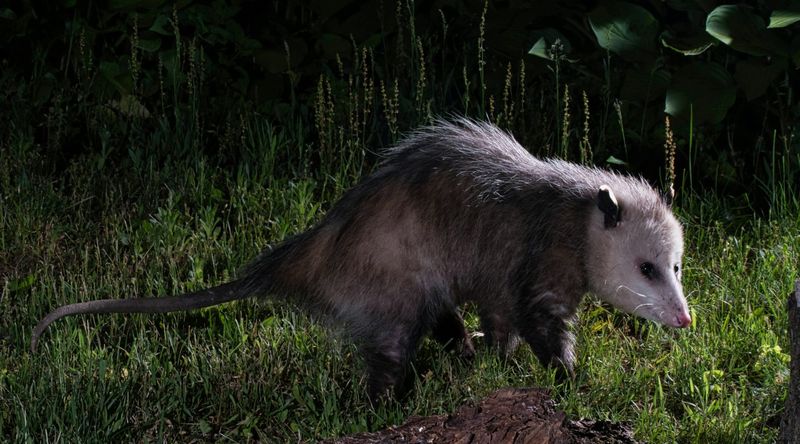
That gray, pointy-nosed critter sniffing around your porch at midnight might look like trouble, but it could be one of the hardest workers in your yard. Opossums eat many of the pests that chew holes in your hostas, nibble your tomatoes, and hide in your mulch.
Most gardeners never notice the quiet cleanup happening while they sleep. Here is what your nighttime visitor may be doing for your plants, and why it might deserve a second chance.
1. Tick Control
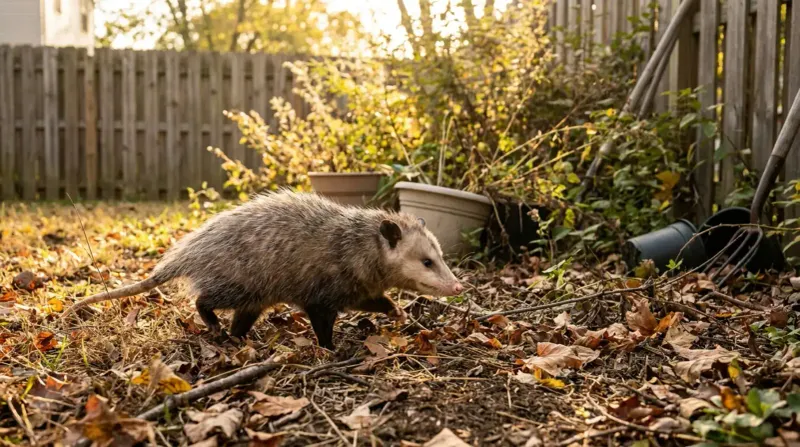
Picture an animal that spends a good chunk of its evening grooming like a fussy cat. Opossums lick and clean their fur often, and when a tick latches on, it often gets swallowed.
Older research estimated a single opossum could remove thousands of ticks in a season. Newer studies suggest the real number may be lower, so think of opossums as one helpful piece of tick control rather than a full solution.
Still, fewer ticks in the tall grass by your raised beds is a nice bonus when you are kneeling down to pull weeds around your tomatoes.
2. Slug and Snail Patrol
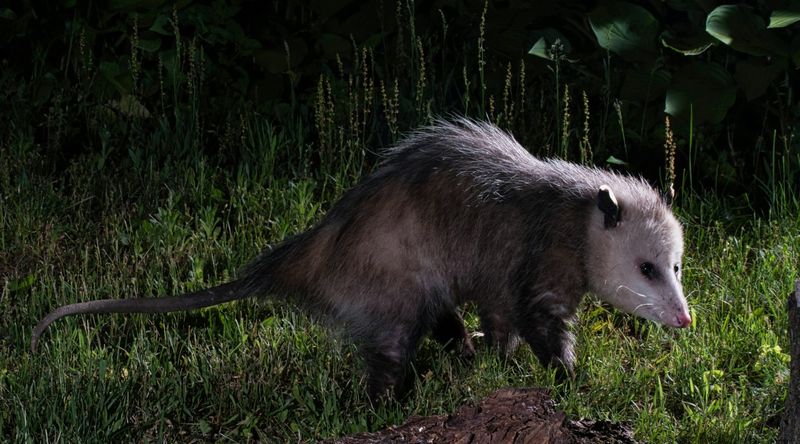
Ever walk out in the morning and find your hosta leaves looking like Swiss cheese? Slugs and snails do most of their damage at night, which happens to be exactly when opossums are out hunting.
Opossums happily snack on these slimy pests. They poke through damp mulch and under leaves, the same spots slugs love to hide.
Your marigold-free lettuce rows, young basil, and petunia seedlings can all benefit. An opossum will not wipe out every slug, but it can take a real bite out of the population without a single pellet of bait.
3. Beetle and Grub Hunting
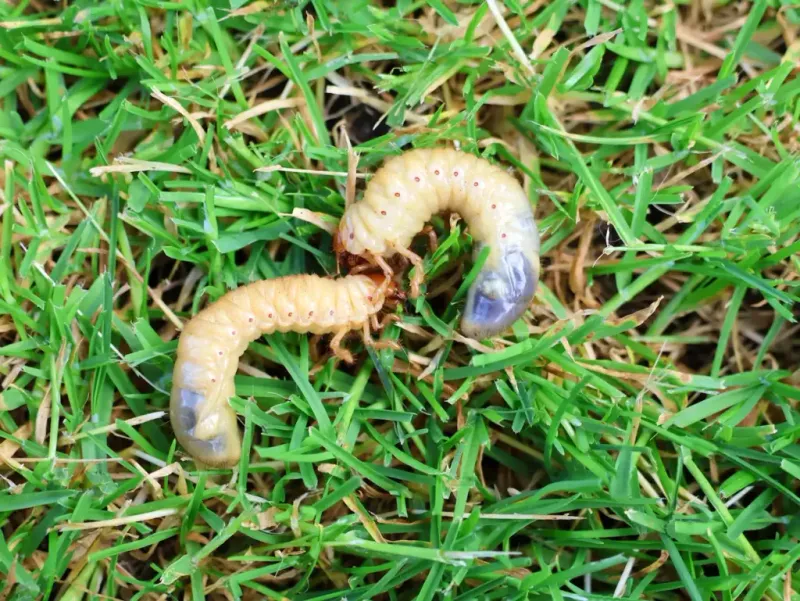
Japanese beetles skeletonizing your roses. Grubs chewing lawn roots until the grass peels up like carpet.
Gardeners know these pests all too well.
Opossums eat beetles, grubs, crickets, and grasshoppers as part of their varied diet. They root through leaf litter and loose soil to find them, usually leaving little more than a shallow scuff behind.
Every grub eaten in spring is one less beetle munching your hydrangea or clematis leaves in summer. That makes this nighttime hunter a quiet partner in protecting both your lawn and your flower beds.
4. Cockroach Cleanup
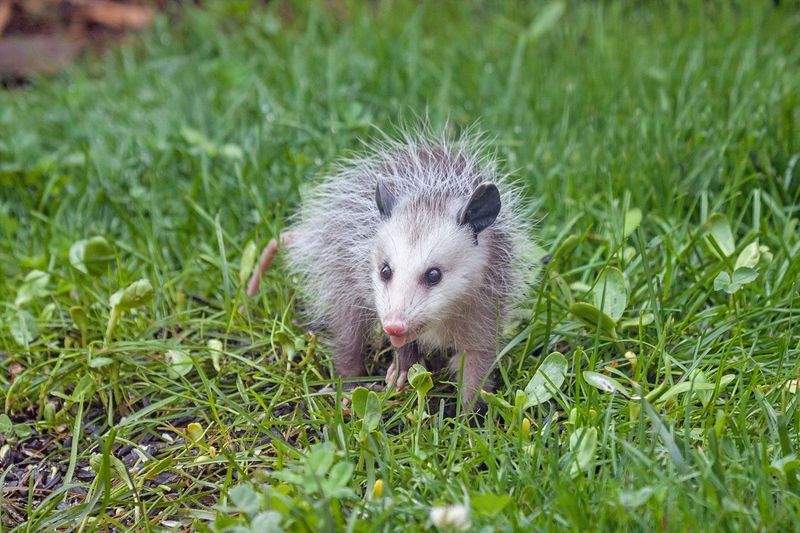
Nobody puts cockroaches on their wish list. In warm parts of the country, outdoor roaches gather in woodpiles, under pots, and around compost bins.
Opossums treat them like free snacks. They will sniff around those dark corners and gobble up roaches they find.
Fewer roaches near the garden often means fewer wandering toward your back door, too. It is not glamorous work, but your opossum does it without complaint.
5. Mouse and Rat Management
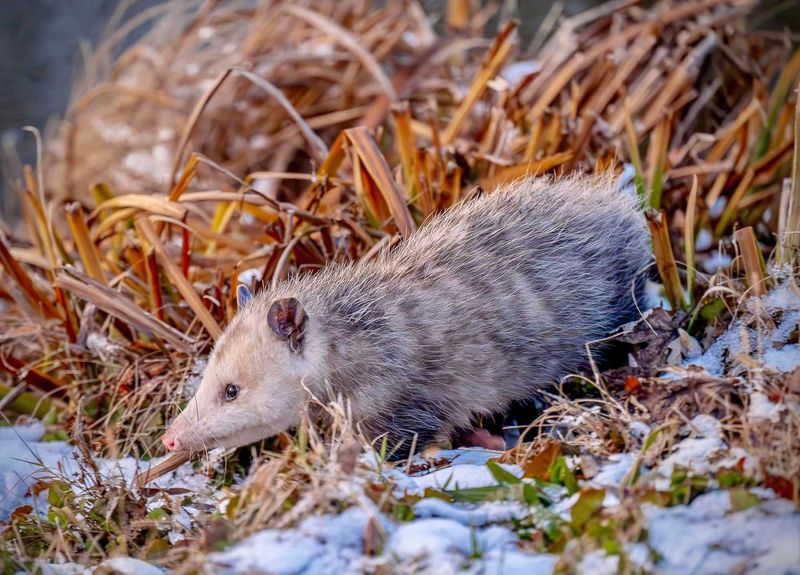
Here is a fun twist: the animal many people mistake for a giant rat may help keep real rodents in check. Opossums will catch and eat young mice and rats when the chance comes up.
They are not as skilled as an owl or a barn cat, so do not expect miracles. Their presence, along with their competition for food scraps, can still make your yard a little less inviting to rodents.
That matters if you have ever lost tulip bulbs, tomato fruit, or seedlings to gnawing teeth. Every bit of help counts.
6. Snake Resistance
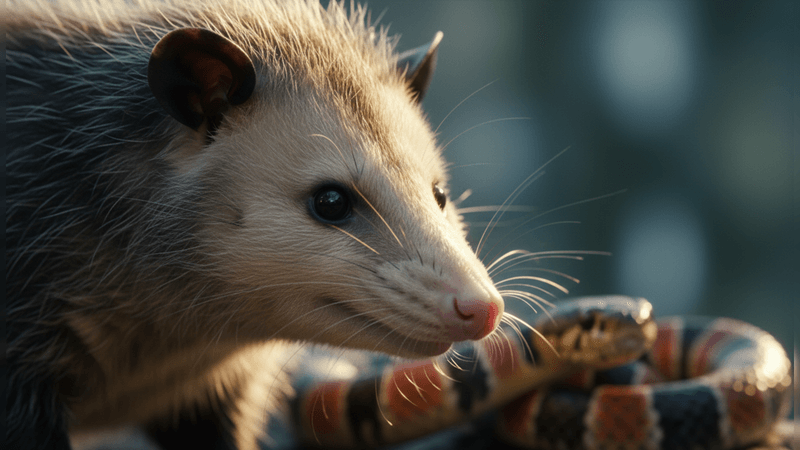
Did you know opossums have a natural resistance to the venom of many snakes, including rattlesnakes and copperheads? Scientists have even studied a protein in their blood for possible antivenom research.
Because of that toughness, opossums will sometimes kill and eat snakes. That can include venomous ones in parts of the South and Midwest.
They are not a guaranteed snake guard, and most garden snakes are harmless helpers anyway. But for families worried about copperheads near the flower beds, it is an interesting perk.
7. Fallen Fruit Cleanup
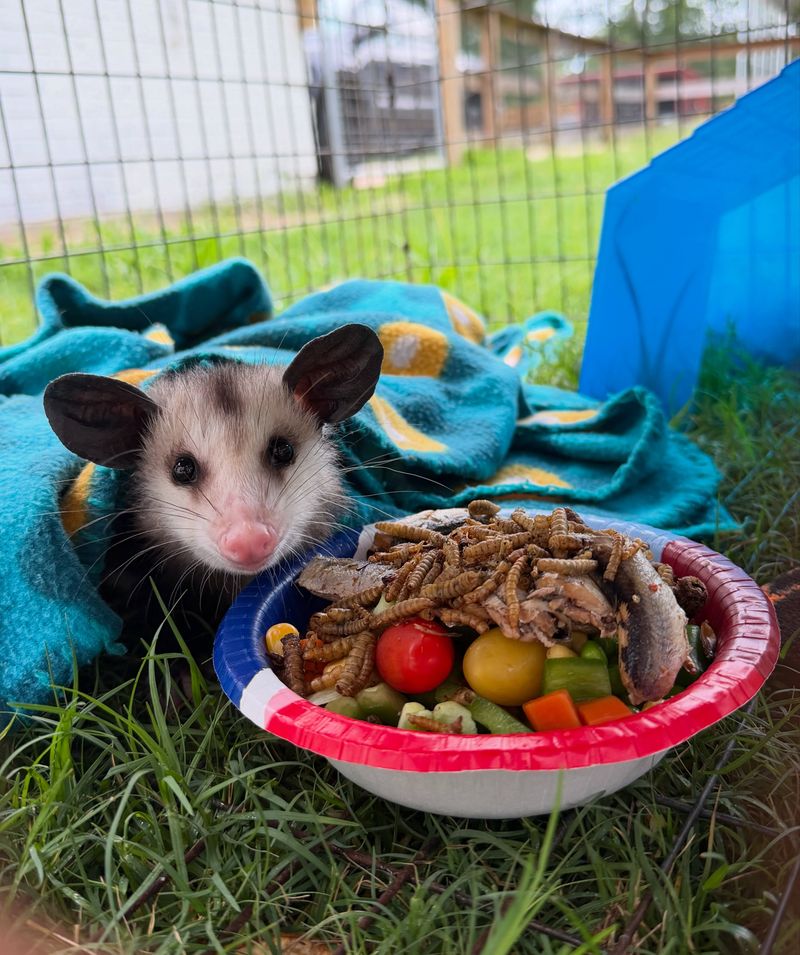
Split tomatoes on the ground. Mushy peaches under the tree.
Overripe strawberries nobody picked in time.
Opossums tend to go for fallen, soft, or rotting produce first. Leftover fruit left lying around can attract fruit flies, wasps, and fungus that may spread to healthy plants.
By clearing up that mess overnight, your opossum may help cut down on disease pressure in your tomato patch. It is like having a cleanup crew that works for free.
8. Carrion Removal
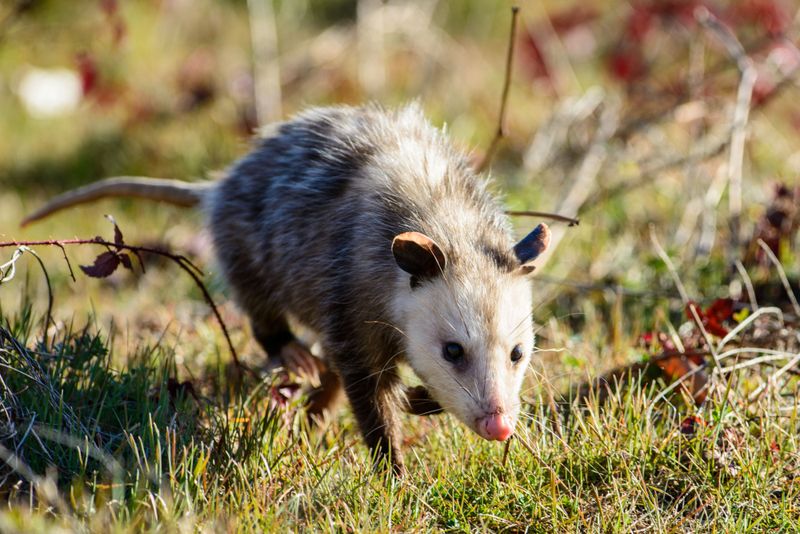
Nature has its own sanitation workers, and the opossum is one of the best. As a scavenger, it eats dead animals that would otherwise rot in your yard.
A dead bird or mouse tucked under a shrub can attract flies and smell terrible. It can also draw other critters you would rather not have around.
Opossums quietly handle that unpleasant job. You may never even know there was a problem.
9. Rarely Carries Rabies
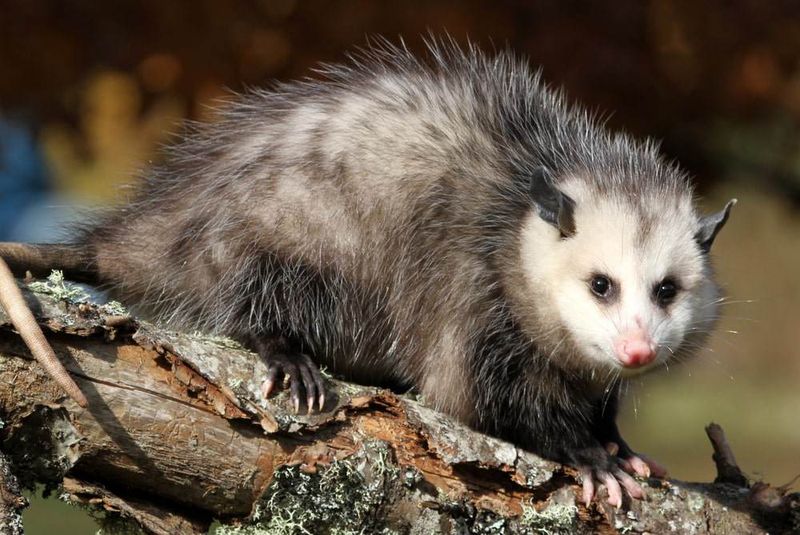
Spotting a wild animal near your porch can make any parent or pet owner nervous. Good news: rabies in opossums is extremely rare.
Their body temperature runs lower than most mammals, roughly 94 to 97 degrees. That cooler body may make it harder for the virus to take hold.
You still should never handle wild animals, and any animal acting strangely should be reported. But an opossum strolling past your geranium pots is usually not a health emergency.
10. Tough Immune System
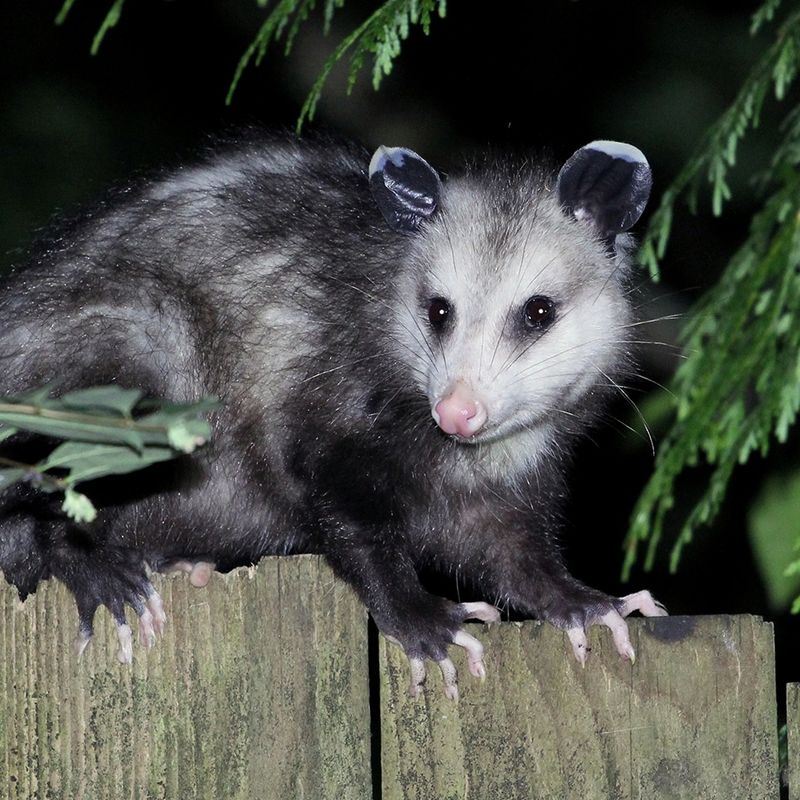
For such a scruffy-looking creature, the opossum is surprisingly hardy. Researchers note it shows resistance to some toxins, including botulism, and it is a poor host for the Lyme disease bacteria.
That means ticks feeding on opossums are less likely to pick up Lyme from them, compared to ticks feeding on mice.
A sturdy, low-drama visitor is exactly what you want passing through your backyard beds.
11. Laid-Back Personality
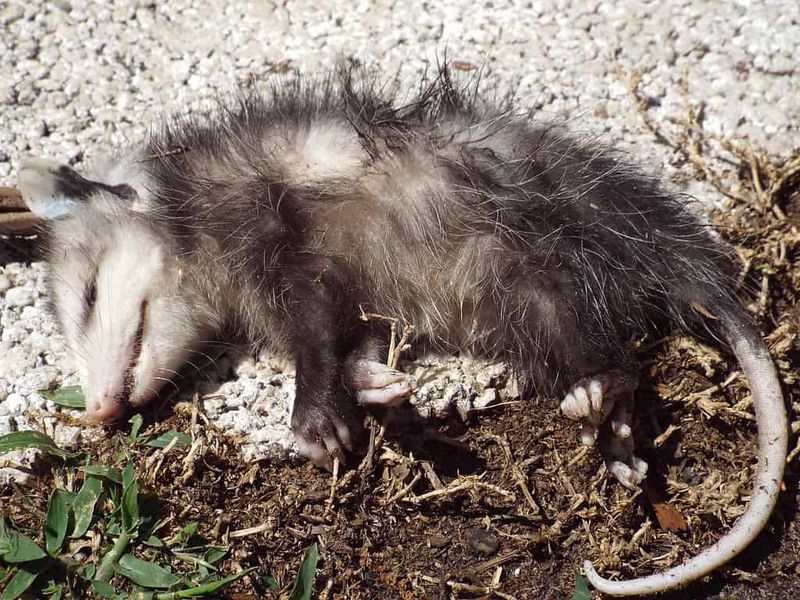
Faced with danger, most animals fight or run. The opossum often just falls over.
Playing possum is a real, involuntary reaction. The animal goes stiff, drools, and may even give off a foul smell so predators lose interest.
Opossums may hiss and show their 50 teeth when cornered, but it is mostly bluff. Give it space, and it will wander off on its own.
12. Light Touch on Living Plants
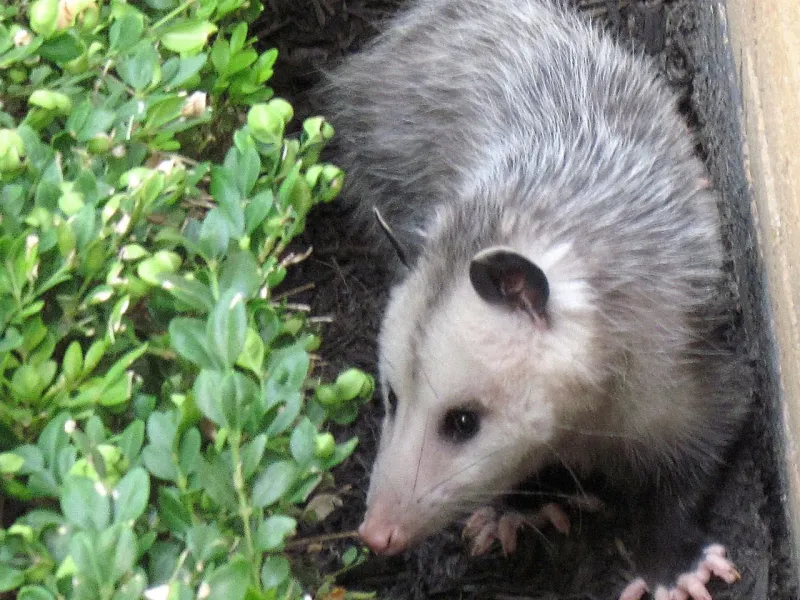
Raccoons and deer can flatten a garden in one night. Opossums usually do not.
They prefer fallen produce, bugs, and scraps over fresh, growing plants. Your hydrangeas, clematis, and petunias are rarely on the menu.
An opossum may take a ripe tomato now and then. If that worries you, pick ripe fruit daily and the problem usually stays small.
13. Seed Spreading
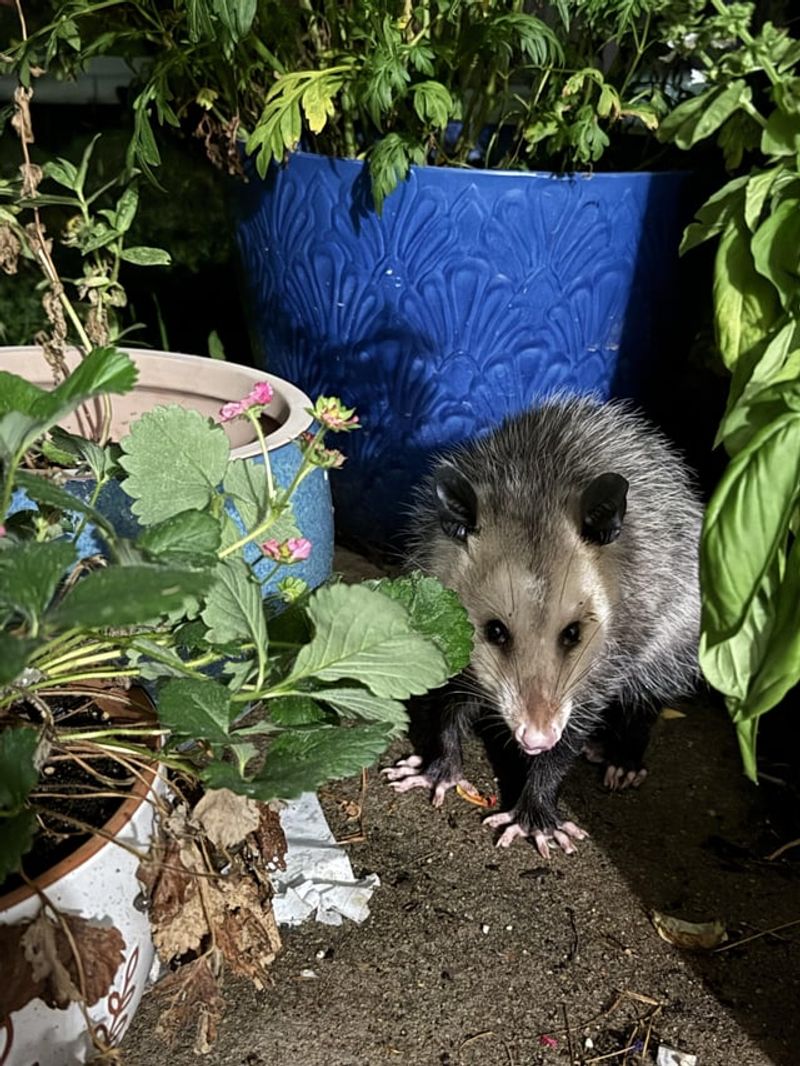
Wild blackberries, persimmons, and pokeweed berries all disappear into hungry opossums in late summer and fall.
The seeds pass through and land elsewhere, sometimes far from the parent plant. That helps native shrubs and berries spread naturally.
If you love a wilder corner with native plants for pollinators, your opossum is quietly planting for you.
14. Soil and Compost Shuffling
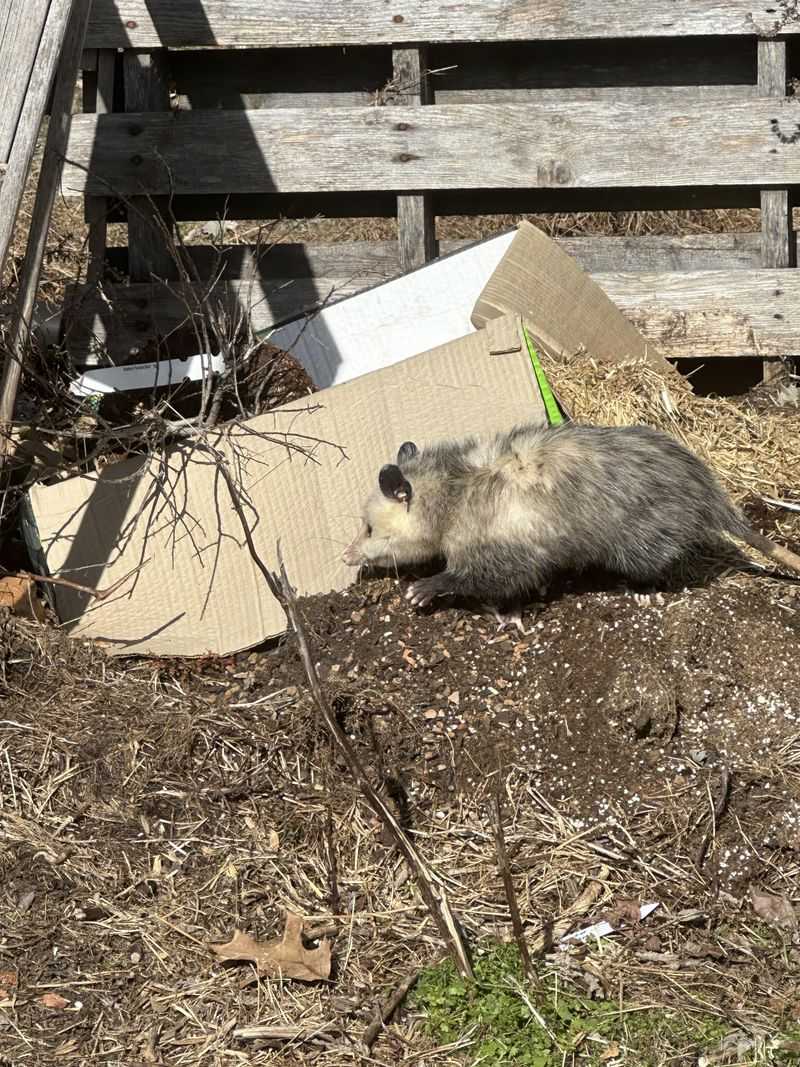
Leaf piles and compost bins are opossum magnets. As they root around for insects, they stir up the top layer.
That light mixing can help spread beneficial fungi and microbes through leaf litter. Healthy soil life supports stronger roots for everything from tomatoes to hydrangeas.
Keep meat and dairy out of your compost, and the opossum stays a helper instead of a nuisance.
15. Fewer Pesticides Needed
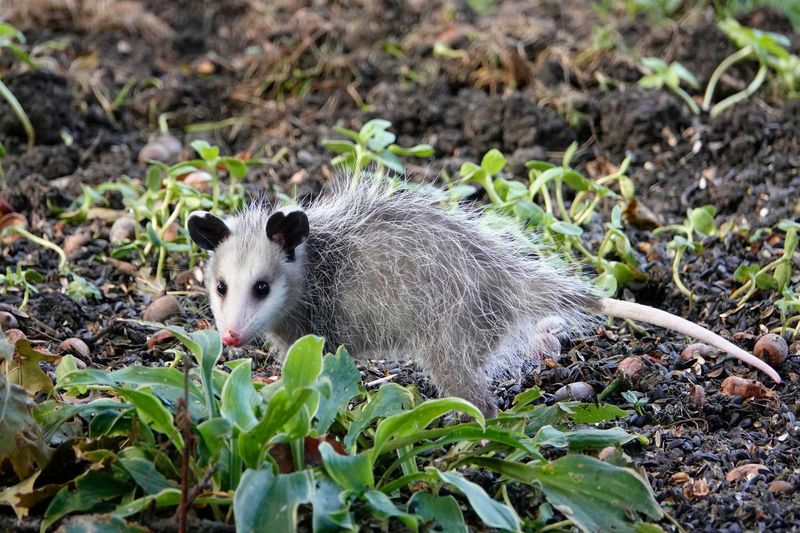
Add it all up and the picture gets clear. Slugs, beetles, grubs, roaches, and ticks all take a hit when an opossum lives nearby.
That can mean fewer sprays on your roses and tomatoes. Less pesticide also protects bees, butterflies, and birds that help your garden thrive.
So next time you see those beady eyes on the porch, maybe just turn off the light and let it work. Your garden may thank you.