
Crabgrass Can Set Thousands of Seeds Before Fall Ends: What to Do Now to Limit Spring Trouble
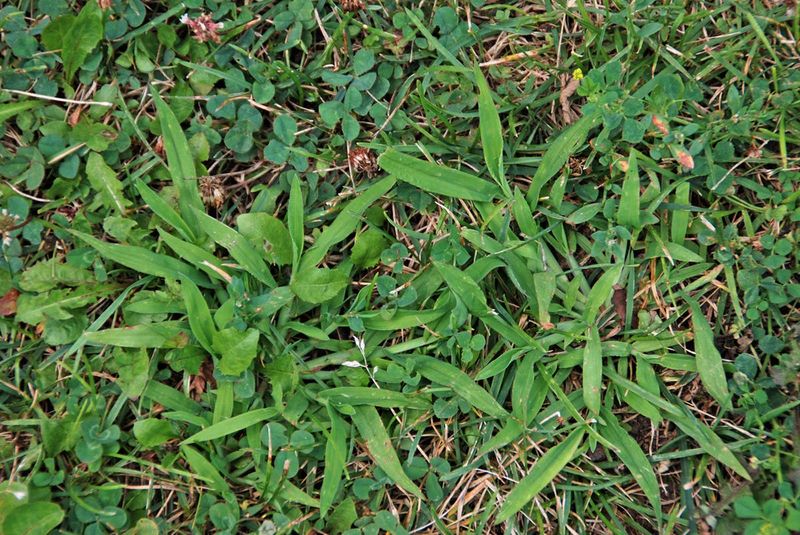
Those tan, sprawling crabgrass patches in your lawn may look finished once the weather cools. But a mature plant can make thousands of seeds, and what you do with it now can affect how much new seed reaches your soil.
Not every plant or seed turns into next year’s problem, so a quick lawn check can tell you where to focus. Here is how to sort out what still matters and what is already done.
Crabgrass can set seed before frost
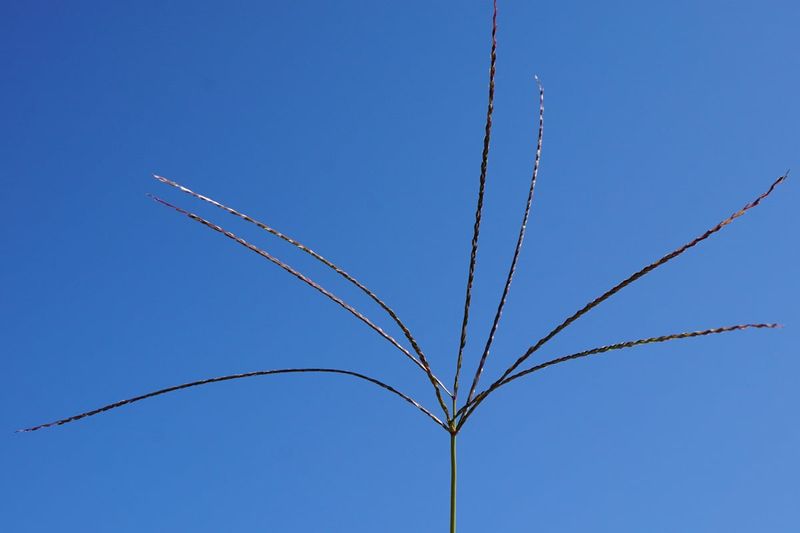
Crabgrass is a summer annual. It sprouts in spring, grows through the heat, and dies when frost arrives.
Along the way it sends up seedheads, usually from summer into fall, as described in Penn State Extension’s crabgrass profile.
Here is the part many people miss. The plant does not wait until it is dying to make seed.
By the time a patch turns brown or purple after cool nights, it may already have made seed, and some of that seed may already be on the ground.
You will often hear that one plant can make thousands of seeds. That number describes what a large, healthy plant could produce, not what every plant does.
University of Minnesota Extension gives a high-end figure of 150,000 seeds per plant, while other sources stick with the more cautious word thousands. Small, stunted plants in a dense lawn will make far fewer.
Seeds then wait, and most germinate in spring once the soil warms. Iowa State Extension notes the same pattern.
So the real question this fall is not whether the plant is dying. It is whether seed is still on the plant or already gone.
Check whether the plant has dispersed seed
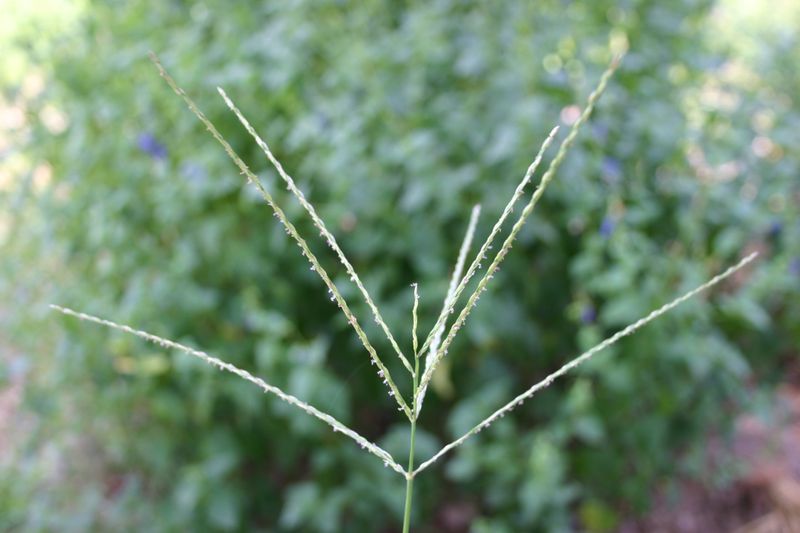
Walk your lawn and look closely at the crabgrass you find. Some plants may still be green, with no seedheads yet.
Others will show those narrow, fingerlike seed spikes, and a few will already look bare and spent.
Plants that have not set seed are the best targets. Iowa State Extension advises removing crabgrass before it sets seed, because that keeps new seed out of the soil.
Once seedheads have formed and dried, that window is closing or closed.
For mature plants still carrying seedheads, spraying is a poor bet. Illinois Extension warns that treating a mature, seed-bearing annual may not stop it from dropping seed.
A late spray also carries label rules and can harm the grass you want to keep.
A gentler approach is to pull the plant by hand and bag it. Slide a hand under the seedheads, lift the whole clump with its roots, and drop it straight into a bag so seed does not scatter as you walk.
Skip the compost pile, and do not shake the plant.
Be realistic, too. Not every plant can still be stopped.
If seedheads look empty or the plant is flat and brown, the seed may already be in the soil.
Cleanup cannot retrieve seed already in the soil
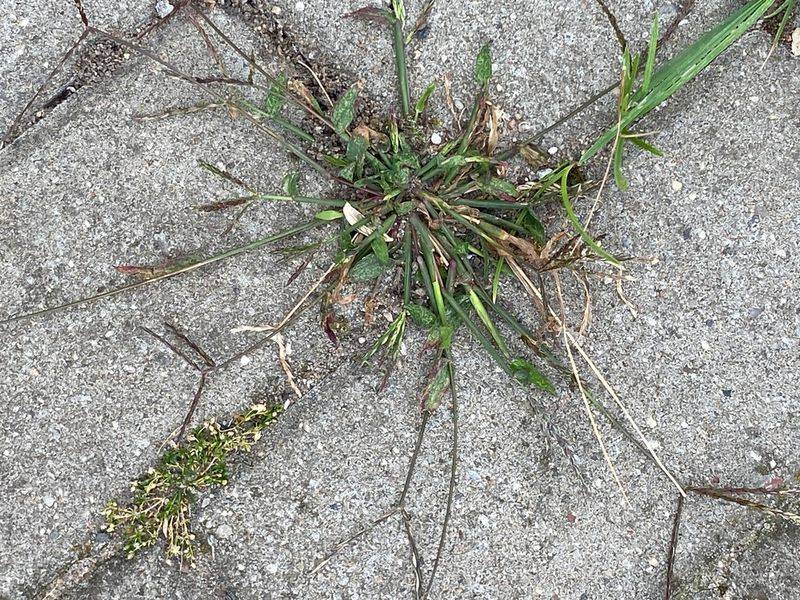
A dead plant and its seed are two separate things. Once seed has fallen, it lives in the soil whether or not you remove the plant that made it.
Raking up brown crabgrass in late fall will tidy the lawn, but it cannot bring that seed back.
Hand-pulling also has a limit. Iowa State Extension notes that pulling does not stop seed already in the ground from germinating.
Pulling helps only when it keeps new seed from being added.
It helps to keep the risk in proportion. Making seed is one step.
Seed must then stay viable, then germinate, then survive to become an established plant. Many seeds fail somewhere along the way, which is why seed counts do not predict how many seedlings you will get.
Soil seed does not last forever either. One peer-reviewed study of summer annual turf weeds buried crabgrass seed for three years and found viability fell to zero under its test conditions.
That result will not match every lawn, so treat it as a hint rather than a promise.
The dying plant itself does not cause a spring outbreak. What matters is the seed it left, and your lawn’s conditions next year.
Help turf compete with crabgrass
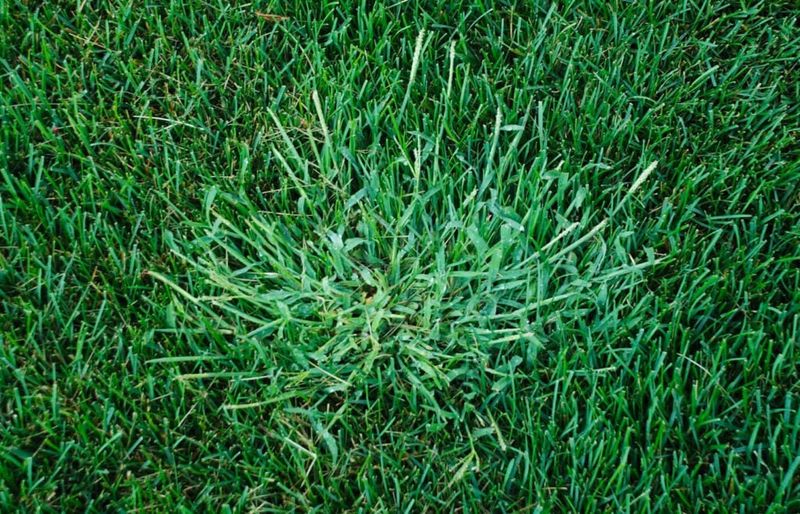
Crabgrass needs sunlight and open soil to sprout. A thick lawn shades the ground and leaves little room for it.
That makes turf care one of the most practical, low-cost steps you can take.
Mowing height is a good place to start. For many cool-season lawns, around three inches is a common guide, and Illinois Extension’s crabgrass guidance supports keeping grass taller rather than cutting it short.
Your own grass type may do best at a different height, so check what suits your species.
Avoid scalping. Cutting the lawn very low exposes bare soil and lets light reach the ground, which is exactly what crabgrass seedlings want.
Sharp mower blades and a steady schedule help keep the grass healthy.
Then look at the thin spots. Compacted soil, heavy shade, and worn paths often have weak turf, and crabgrass tends to move in there first.
Aerating compacted areas, fixing drainage, and overseeding at the right time can thicken those patches. Penn State Extension also points to strong, dense turf as a base for crabgrass management.
None of this will wipe out crabgrass for good. But a lawn that is full and healthy gives seedlings a harder time, and that can mean fewer plants to deal with next summer.
Time any spring pre-emergent to your lawn plans
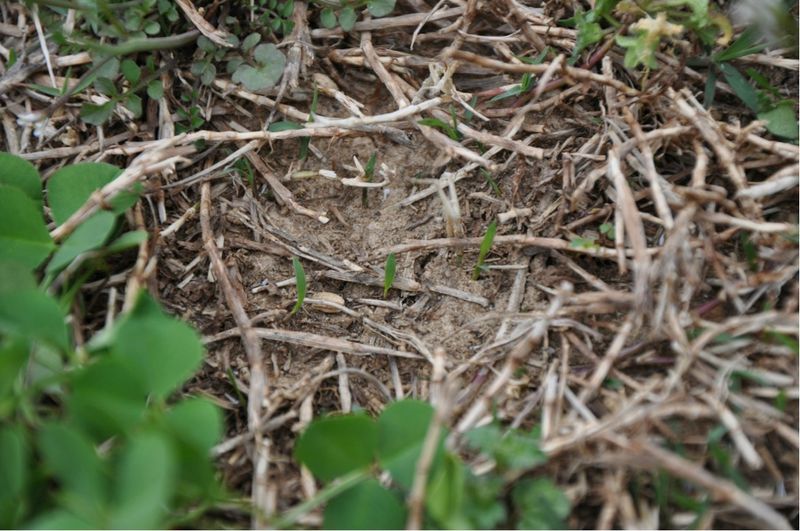
A pre-emergent herbicide works only before crabgrass seed germinates. It does not kill plants that are already up.
Applying it too late means it misses the window, and applying it far too early may mean it wears off before germination ends.
So when is the right moment? There is no single date for the whole country.
Crabgrass sprouts as the soil warms, and extension guidance commonly points to soil temperatures around 55 to 60 degrees Fahrenheit for several days in a row. Local weather swings the timing from year to year, so watch your own soil rather than the calendar.
Illinois Extension explains this approach, and your local extension office can share regional timing.
Overseeding is the big tradeoff. Some pre-emergents can interfere with germinating lawn grass seed, not just crabgrass.
If you plan to seed bare spots in spring, read the label carefully for restrictions and decide which job comes first.
Always follow the product label for rates, timing, and the grass types it is safe on. Iowa State Extension also notes that corn gluten meal has mixed results and may work better after repeated use, so it is not a reliable one-season fix.
Choose your next step based on what you see
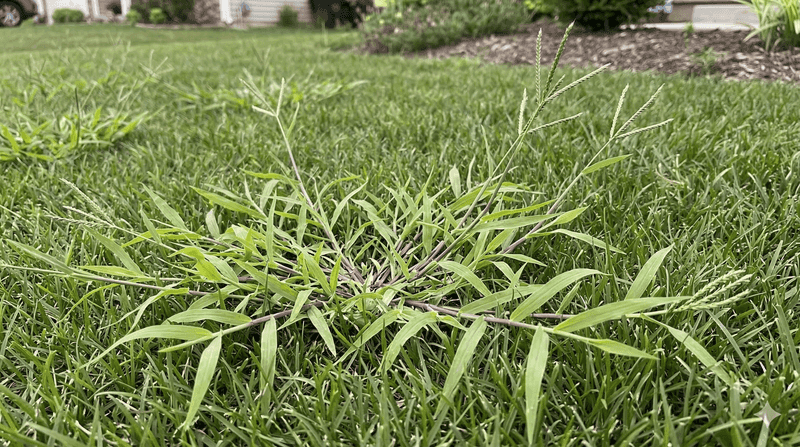
Let what you see in the lawn guide your move. If crabgrass still has seedheads that have not scattered, pull the plants and bag them, as Iowa State Extension suggests removing them before seed spreads.
If seed has already dropped, accept that cleanup cannot retrieve it and put your energy into thicker turf.
Next spring, match any pre-emergent to your lawn and to any seeding plans, and follow the label, as Illinois Extension advises.
A few minutes of honest looking now beats guessing in April.