
Dandelion Root Has a Documented Culinary Use: Roasting It for a Coffee-Like Drink
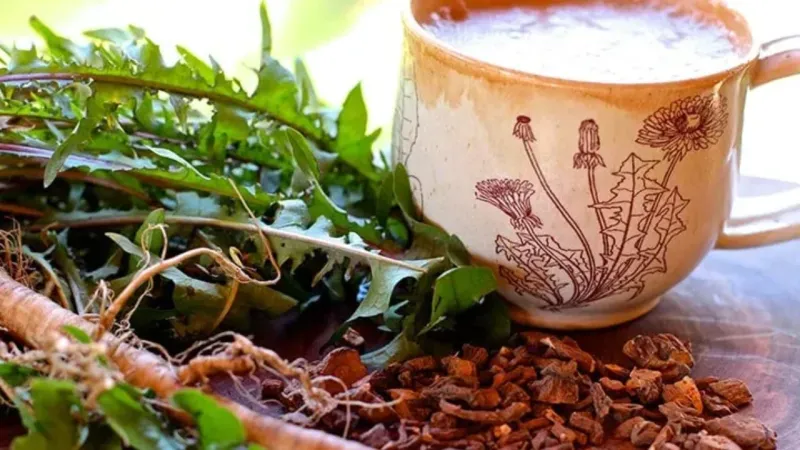
That yellow-flowered weed in your lawn has a root with a surprising kitchen use. People roast it to make a drink that tastes a bit like coffee.
The root also holds a storage sugar called inulin. Before you grab a shovel, it helps to know what is solid fact, what is hype, and what safety steps come first.
Why dandelion root earns a second look
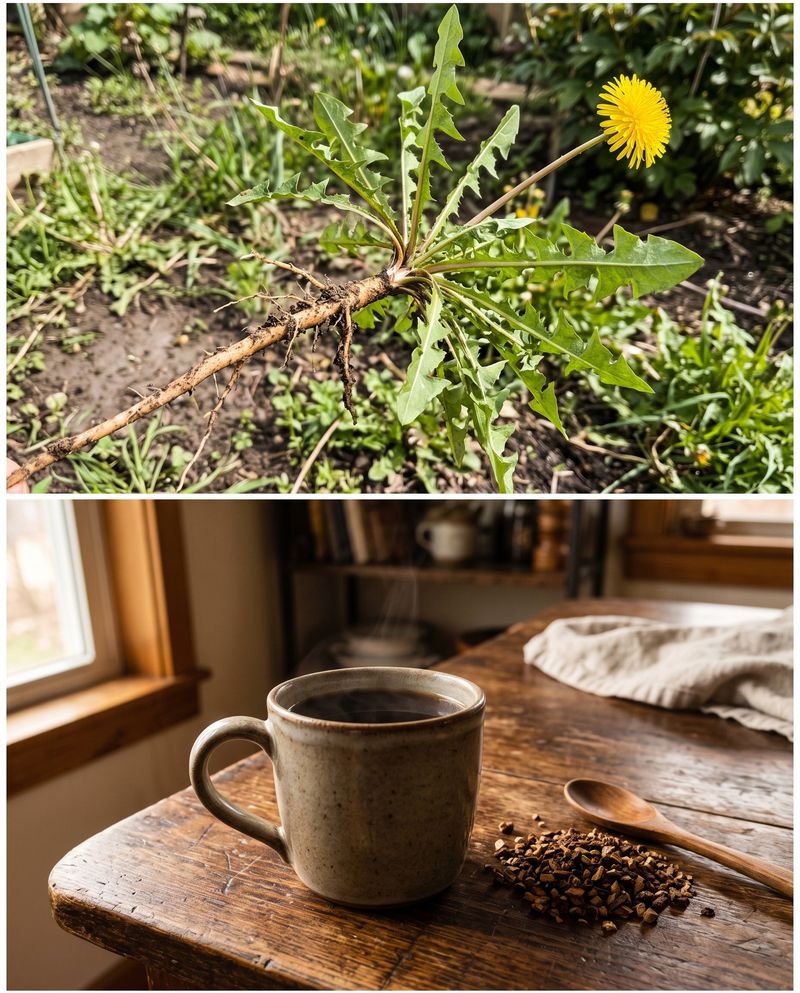
The plant most likely behind this question is common dandelion (Taraxacum officinale). It is the familiar lawn weed with yellow flowers and jagged leaves.
Other weeds can look similar, so think of this as the likely suspect, not a guarantee for every weed you pull.
Underground, the dandelion has a thick taproot, and that root has a real kitchen use. According to Oregon State University Extension, dandelion roots are sometimes roasted to make a coffee-like drink.
Roots are also used in tea or pickled. Notice the wording: coffee-like, not coffee.
The roasted root has no relation to the coffee plant, and it should not be treated as a stand-in with proven health effects.
Roasting turns a bitter, woody root into something people sip. That is a practical use, and it is the reason the root deserves a look before it lands in the compost bin.
Keep in mind that a useful root is not the same as a root that beats every other part of the plant. Leaves and flowers have food uses too, which the next section covers.
The root also contains inulin, a carbohydrate the plant stores as a food reserve, as described by PROSEA. Think of it as the plant’s pantry, tucked below the soil line.
That detail explains what the root holds, but it does not tell us what the root does for a person who consumes it. We will separate those two ideas shortly.
If you are curious, the sensible plan is simple: learn to identify the plant, pick a clean site, and treat the root as one interesting ingredient among several. Nothing here needs a special purchase, just patience and a careful eye.
The whole plant has uses
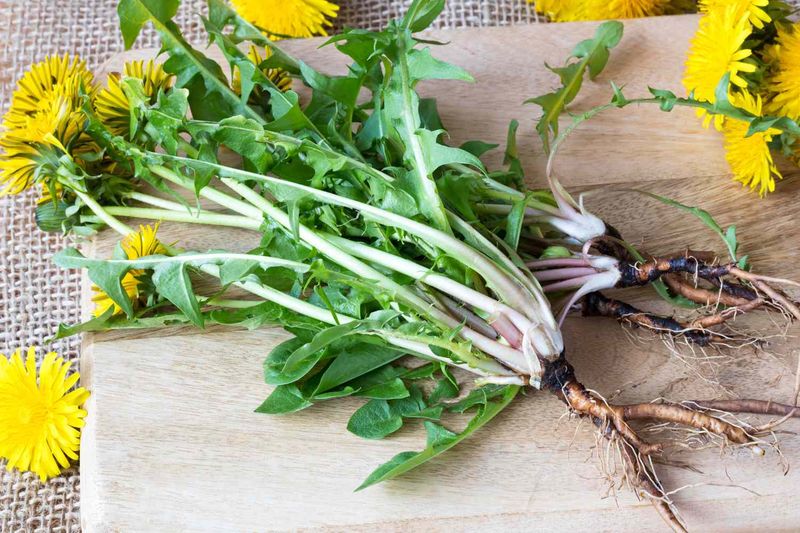
Ask what part of a dandelion is worth using, and the answer depends on what you want to make. Leaves, flowers, and roots all show up in food.
No source ranks them from best to worst.
Dandelion leaves can be eaten raw or cooked, as noted by Oregon State University Extension. Many people find them bitter, so they often get mixed with milder greens or cooked to soften the edge.
Young leaves tend to be less sharp than older ones.
The flowers have culinary uses as well. Utah State University Extension lists dandelion among edible urban weeds, and the bright petals can add color to dishes.
A salad gardener might care most about leaves. Someone who wants a roasted, coffee-like mug would head underground for the root.
This is why a claim that one part wins overall falls apart. Value depends on the job.
For a crisp spring salad, leaves make sense. For a toasty drink, the root is the one with a documented use.
For a pop of yellow on a plate, flowers fit.
Here is a practical way to decide: pick the dish first, then the plant part. That keeps you from digging up a deep root when a handful of leaves would do, or the reverse.
It also keeps expectations realistic, since every part is a food ingredient, not a shortcut to anything else.
Does inulin make the root medicinal?
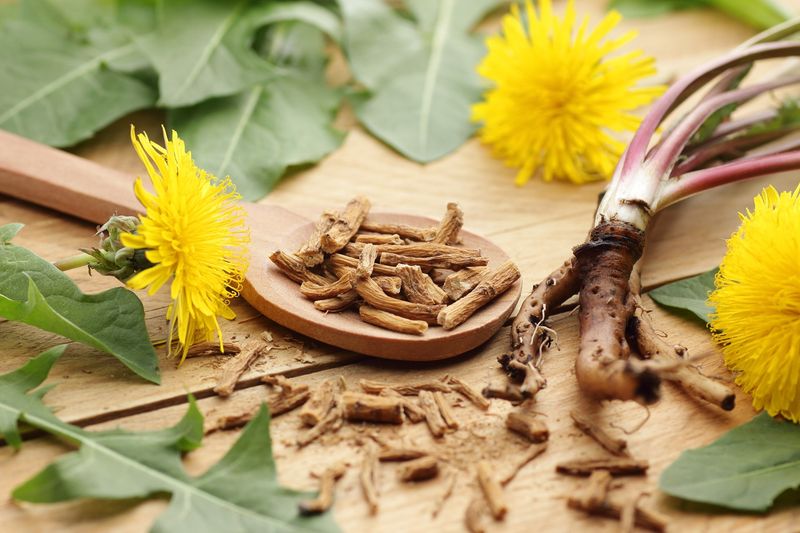
Inulin is a real part of the story. PROSEA reports that dandelion root contains inulin, a carbohydrate the plant stores as a food reserve.
Plants tuck energy into roots, much like a squirrel stashes nuts.
Finding a compound in a root is a different thing from proving a benefit in people. Knowing what the root contains does not show what happens after someone eats or drinks it.
So the root should not be called a proven prebiotic or a gut treatment.
The National Center for Complementary and Integrative Health (NCCIH) says research on dandelion in people is very limited. It also finds no compelling scientific evidence that dandelion treats any health condition.
That covers claims about detox, liver problems, diabetes, cancer, and weight loss.
Traditional use and lab findings are interesting, but they are not the same as clinical proof. A plant can have a long history of folk use and still lack solid human studies.
Amounts matter too. NCCIH considers amounts commonly found in food likely safe, but less is known about larger supplemental amounts.
It also notes possible interactions with medications and uncertainty about use above food amounts during pregnancy or breastfeeding. If you take medicine or have a health condition, talk with a health professional before using dandelion beyond ordinary food portions.
A yellow flower alone is not enough to identify it
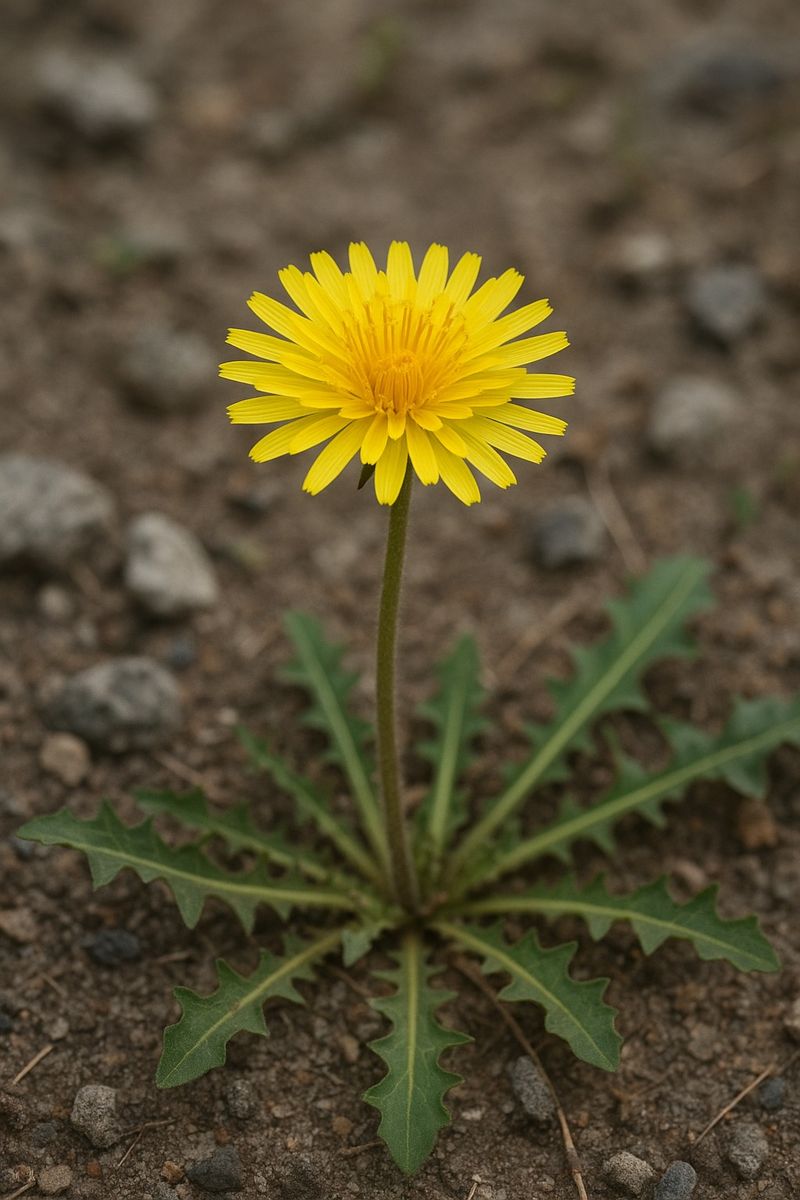
Plenty of yellow flowers pop up in lawns each spring, and several look a lot like dandelions at a glance. Getting the name right comes before any thought of eating.
Common dandelion grows from a basal rosette, meaning the leaves fan out from the base close to the ground. According to NC State Extension, the leaves are lobed, and the yellow flower heads sit on hollow stalks.
The University of Minnesota Extension describes the same rosette habit.
Here is a quick check you can do outdoors: look for one flower head per stalk, a stalk that is hollow, and leaves that all start at the base with no leaves along the stem. If any of those clues is missing, stop and reconsider.
Similar-looking plants exist, so a casual resemblance is not enough. A list of general features can point you in a direction, but it cannot certify an uncertain plant as safe to eat.
If you have any doubt, leave it out of the kitchen.
Photograph the plant in several stages, from rosette to bloom, and compare it with extension descriptions or ask a local extension office for help. Confident identification is a skill built over seasons, not a single glance.
A taproot changes what pulling means
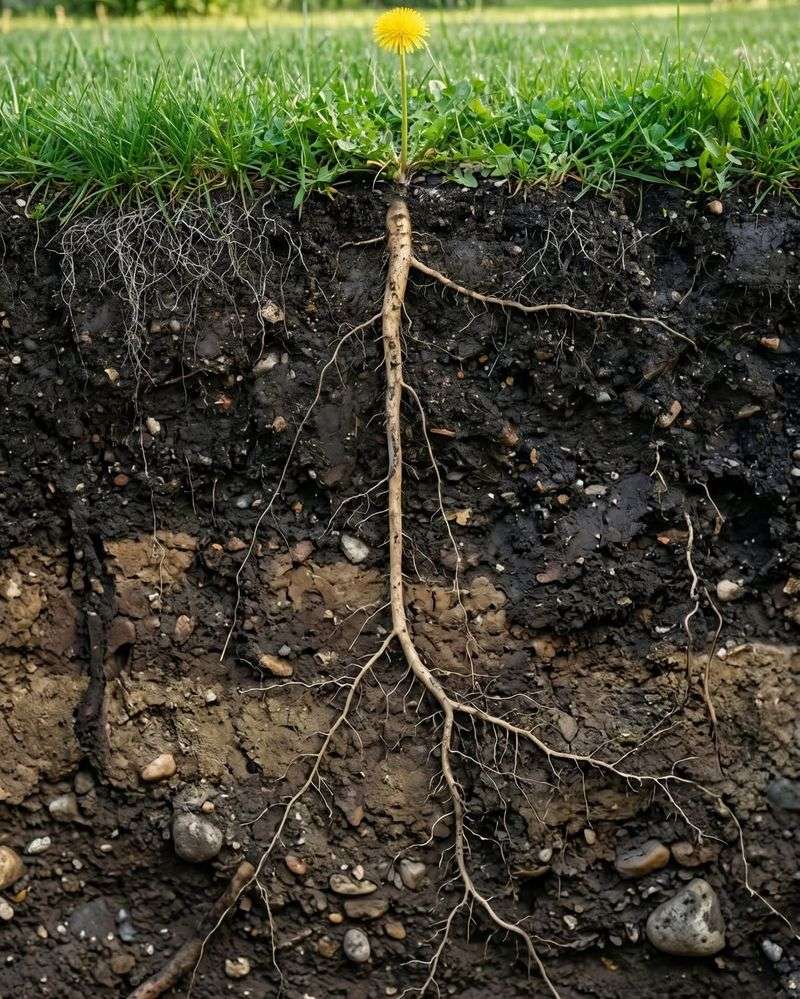
Anyone who has yanked a dandelion and felt the leaves tear off knows the root usually stays behind. That is the taproot at work.
Oregon State University Extension reports that roots commonly reach 6 to 18 inches deep or more.
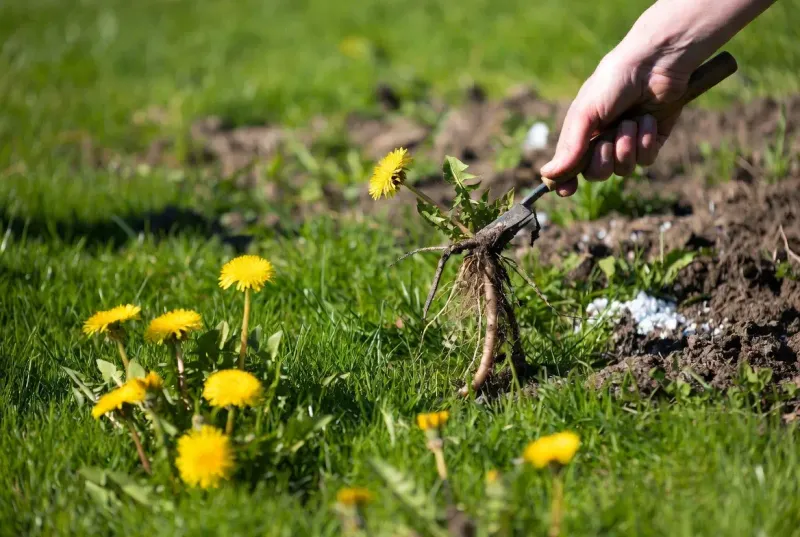
Because of that depth, harvesting the root means digging, not pulling. A long, narrow digging tool and moist soil help, and you may need to loosen a wide area around the plant.
Expect it to take time and a few broken roots along the way.
The same structure matters for weed control. University of Wisconsin-Madison Extension notes that root pieces left in the ground can regrow.
Digging one up for the kitchen may remove that plant, but a snapped fragment can send up a new rosette.
One more caution: a dandelion you yank out of the lawn is not automatically food. Where it grew and whether you are sure of its identity still decide that.
Pulling is a weeding step, and harvesting is a separate, slower job.
If you want roots to use, choose a few plants from a spot you trust and dig them deliberately. If you only want them gone, dig deep and check the hole for leftover pieces.
Harvest site matters as much as washing
Before a dandelion goes in a basket, two things need to be settled: you must be sure what it is, and you must be sure where it grew. Skipping either one is where trouble starts.
Oregon State University Extension advises against eating dandelions that have been sprayed with herbicides or that grow near roads. Utah State University Extension likewise says to verify uncertain identification and make sure the plant is pesticide-free.
If you do not know a lawn’s spray history, such as a neighbor’s treatment or a past lawn service, treat it as unknown and skip it.
Washing is still worth doing, but it has limits. The FDA says washing produce under running water reduces bacteria but does not eliminate them.
Scrub roots well to clear soil, since they come straight out of the ground.
Washing also cannot prove a plant is free of pesticides or environmental contamination. The FDA’s page on chemical contaminants and pesticides is a reminder that these concerns are separate from germs.
A rinse is a handling step, not a safety guarantee.
A good rule of thumb: a clean site comes first, and washing comes second. A yard you manage yourself, with no sprays and away from road traffic, is a far better source than a patch you walked past.
Treat the root as an ingredient, not a cure
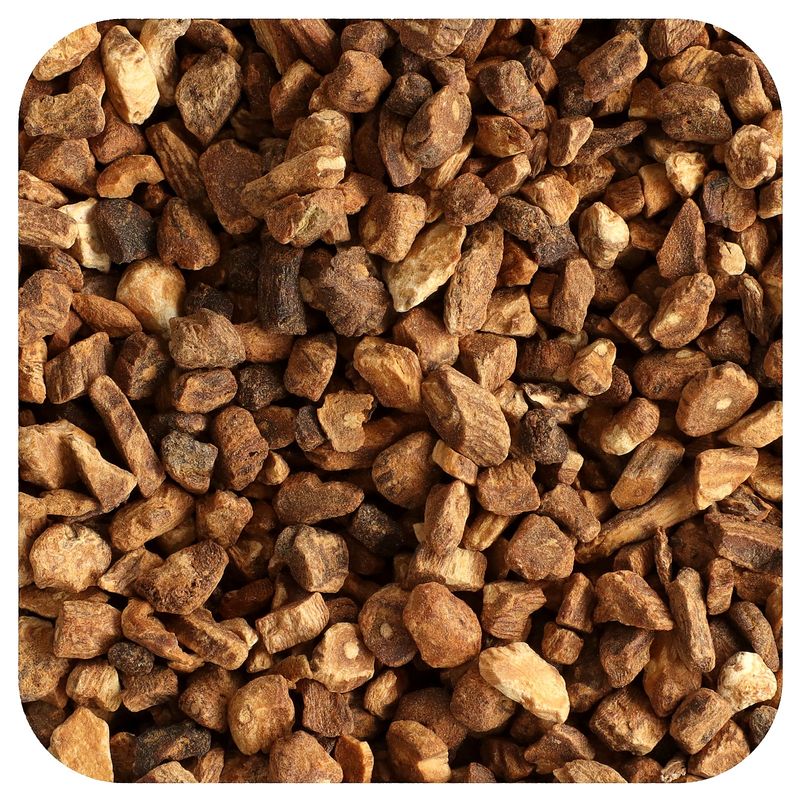
So, is the dandelion root worth digging? As an ingredient, it can be.
Oregon State University Extension documents roasting it for a coffee-like drink, and PROSEA reports it contains inulin. Neither fact makes it the plant’s top part, since leaves and flowers have uses too.
As for health, NCCIH finds no compelling evidence that dandelion treats any condition. Eat only a plant you have identified with confidence, from a site you know is clean.
The humble weed is a fine kitchen curiosity, and that is plenty.