
Deer Nibbling Your Shrubs Bare Every Winter? 15 Plants They Walk Right Past
You go out on a cold morning and find your shrubs chewed down to bare twigs, with hoof prints in the snow. Deer get hungry in winter, and a garden full of tasty plants looks like a free buffet to them.
The good news is that some plants have smells, textures, or bitter tastes that deer usually skip. Here are 15 tough picks that can help your yard look full and green, even after the deer come by.
1. Boxwood
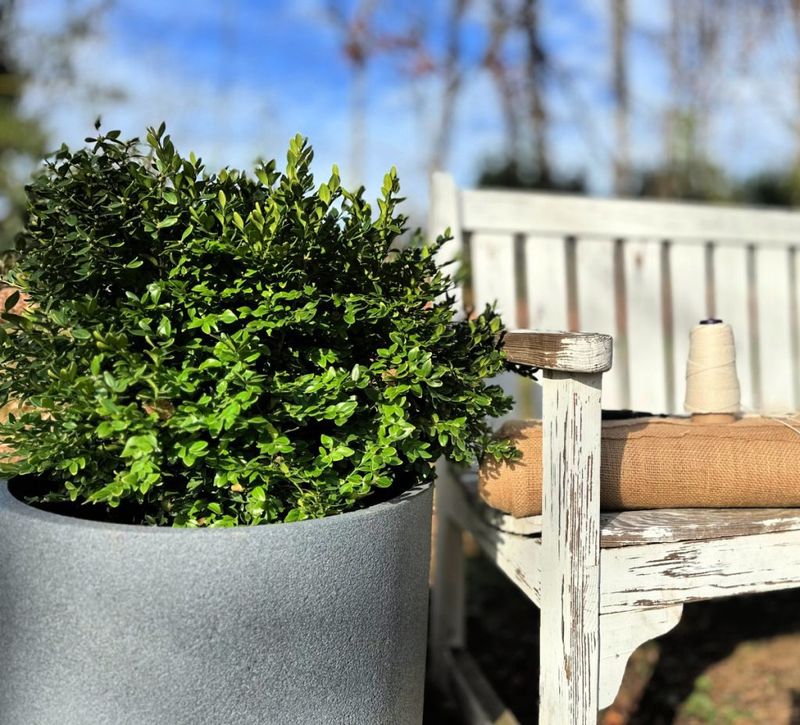
Picture a row of shrubs still green and tidy in February while the arborvitae next door looks stripped. Boxwood pulls that off year after year.
Its small, leathery leaves carry a bitter compound that deer find unpleasant.
Boxwood holds its shape through winter, so it keeps your yard looking finished when everything else goes bare. Plant it along walkways or as a low hedge in front of plants deer love.
One tip: wrap young boxwoods in burlap in windy spots. Winter burn, not deer, is the bigger threat to this shrub.
2. Lavender
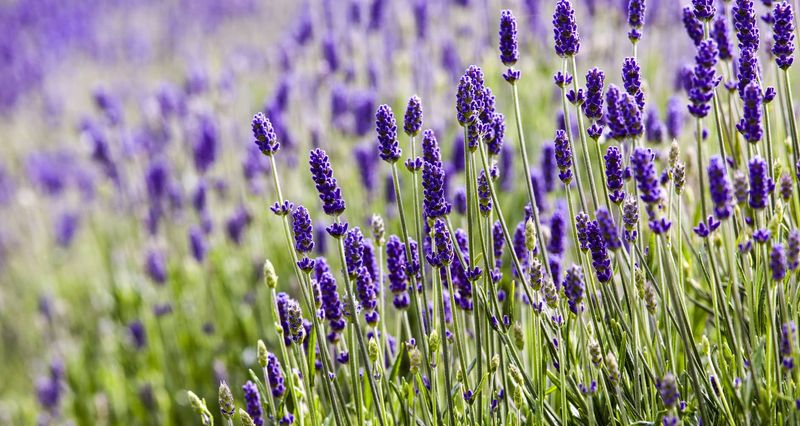
Brush your hand across lavender and your fingers smell sweet for an hour. To a deer, that same scent is a loud warning sign.
Strong oils in the leaves can overwhelm their sensitive noses, so they tend to move on.
Lavender likes sun and sandy, well-drained soil. Soggy winter ground hurts it far more than any animal does.
Skip heavy fall pruning. Leave the woody base alone until new growth shows in spring, then trim lightly.
3. Russian Sage
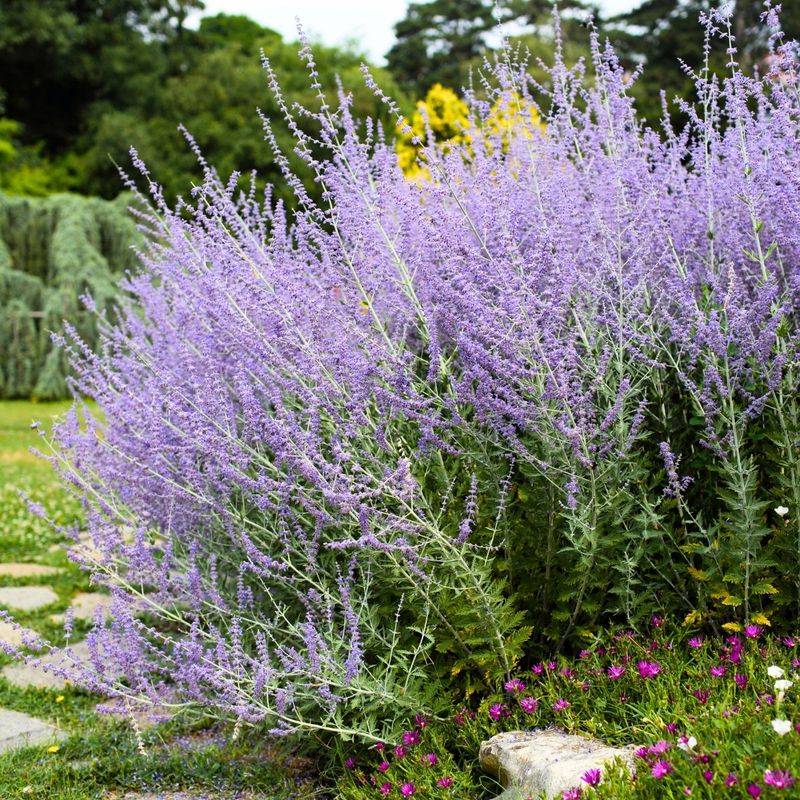
Few plants look this good doing absolutely nothing. Russian sage leaves silvery stems standing all winter, and frost on them can look like spun glass.
The fuzzy, aromatic leaves may be why deer reliably pass it by. Many gardeners in deer country call it one of the safest bets in the whole perennial aisle.
Leave the stems up until early spring for winter interest. Then cut them back to about a foot tall, and fresh growth will push out fast.
4. Catmint
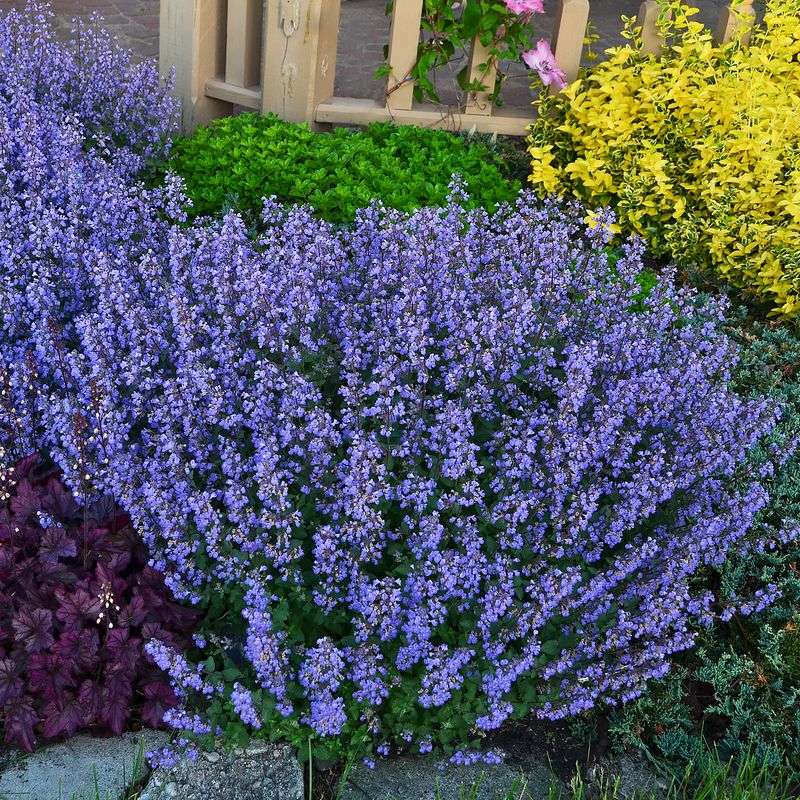
Your cat might roll around in it, but deer would rather not. Catmint has soft, fuzzy leaves with a minty smell, and that combo can make it a poor snack.
It forms neat, billowy mounds that soften the edge of a bed. Bees flock to the blue flowers from late spring on.
Shear it back by half after the first flush of blooms. You will often get a second round of flowers, and the plant stays tidy going into fall.
5. Peony
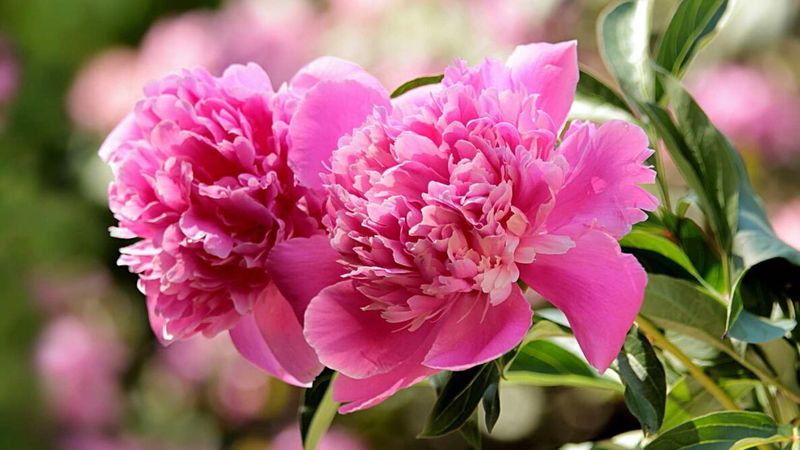
Grandma’s peonies may have outlived three houses, and deer probably left them alone too. These old-fashioned perennials are generally not favored by deer, likely due to their tough leaves and bitter taste.
Peonies die back to the ground in fall, so there is nothing for deer to chew on in winter anyway. In spring, the big blooms return like clockwork.
Plant the crown no more than two inches deep. Bury it deeper and your peony may sulk for years without flowering.
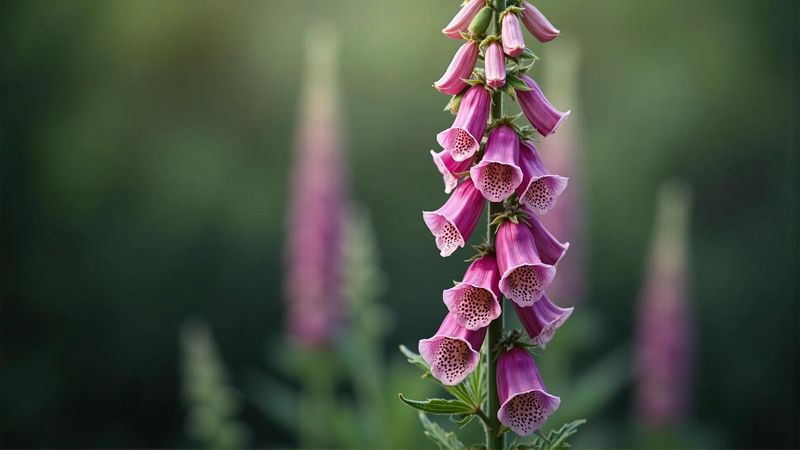
6. Foxglove
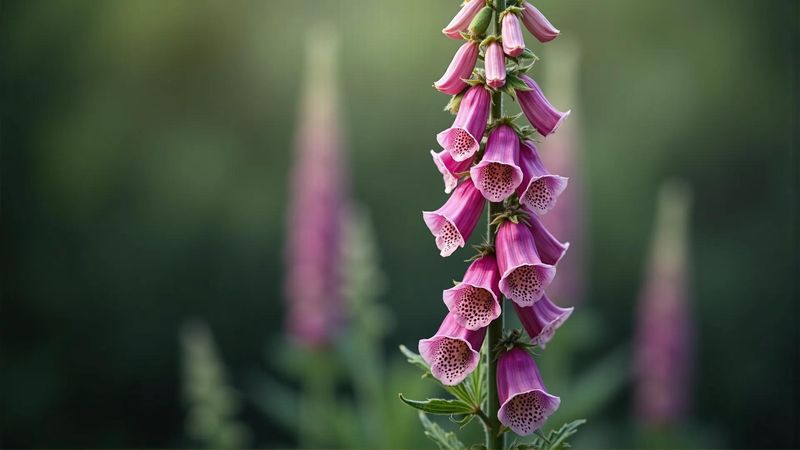
Foxglove is beautiful, and it is also poisonous. Deer seem to know it.
Every part of the plant contains compounds that make it unpalatable and unsafe to eat.
The tall spotted spires look great at the back of a partly shady bed. Most foxgloves bloom in their second year, then drop seed for the next batch.
Keep it away from spots where kids or pets snack on plants. Wear gloves when you handle it, just to be safe.
7. Spicebush
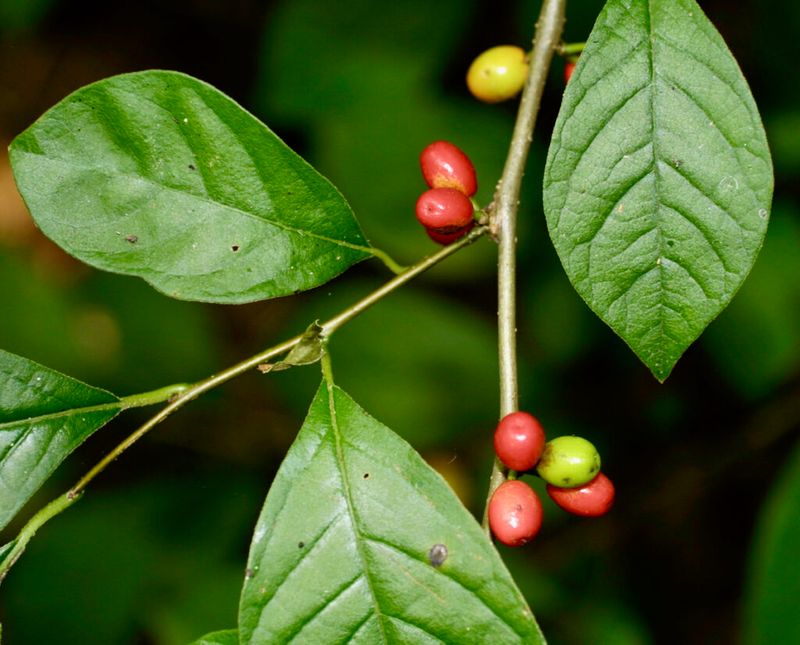
Scratch a twig and sniff. That spicy, lemony smell is your spicebush saying keep out.
Deer tend to avoid its aromatic leaves, twigs, and bitter foliage.
As a native shrub, spicebush feeds wildlife you actually want, including spicebush swallowtail butterflies. Its leaves turn bright butter yellow in fall.
It handles shade and damp soil well. That makes it a smart fix for a soggy corner where other shrubs struggle.
8. Winterberry Holly
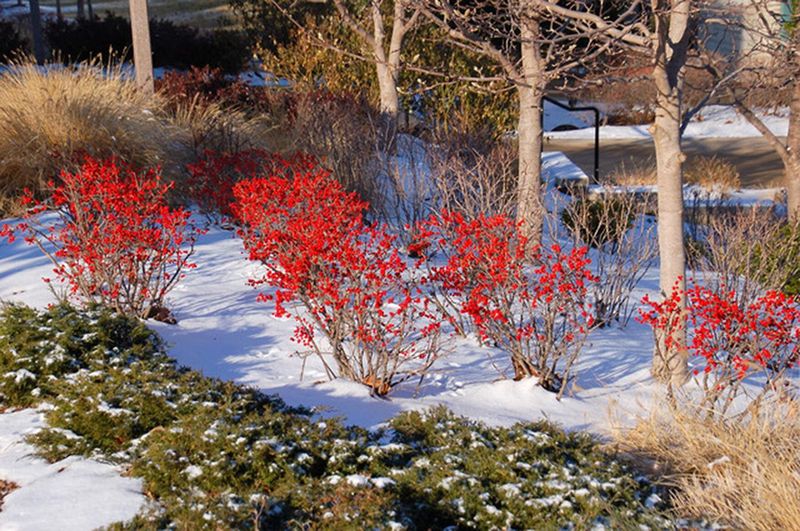
When the leaves drop, winterberry holly puts on its real show. Bare branches covered in bright red berries glow against snow like holiday lights.
Its tough texture can help it hold up to browsing deer better than many shrubs. Birds love the berries in late winter.
Here is the catch: you need a male plant nearby for berries. One male for every five or so females usually does the job.
9. Ninebark
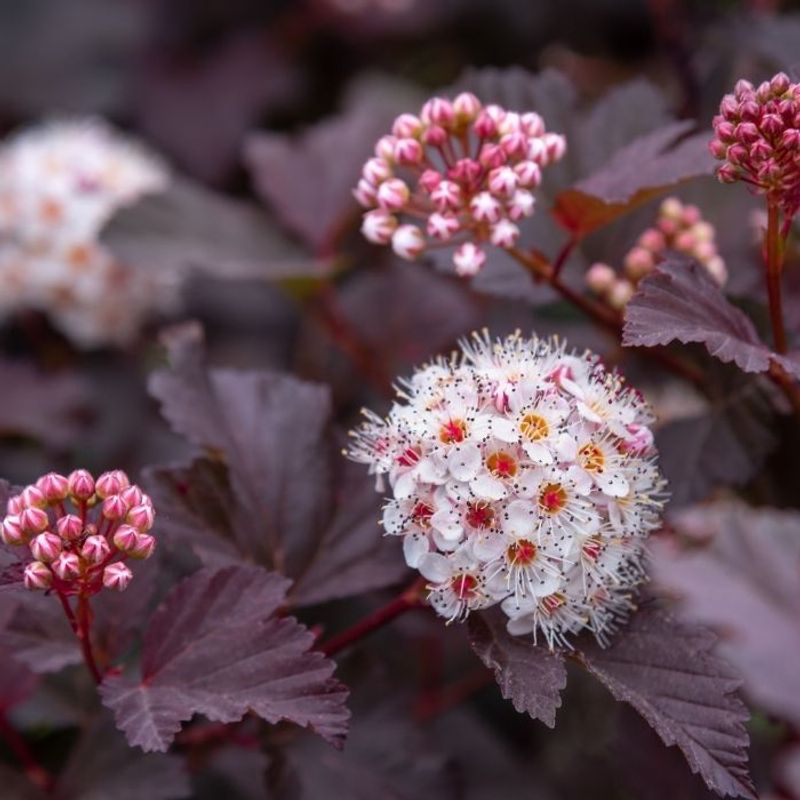
Ninebark got its name from peeling bark that seems to have nine layers. That rough, shaggy look carries over into the plant’s texture, and deer typically bypass it.
Newer types come with deep purple, gold, or copper leaves. They add bold color without the fuss of fancier shrubs.
It is tough, native, and cold hardy. Prune right after its spring flowers fade to keep it shapely.
10. Lilac
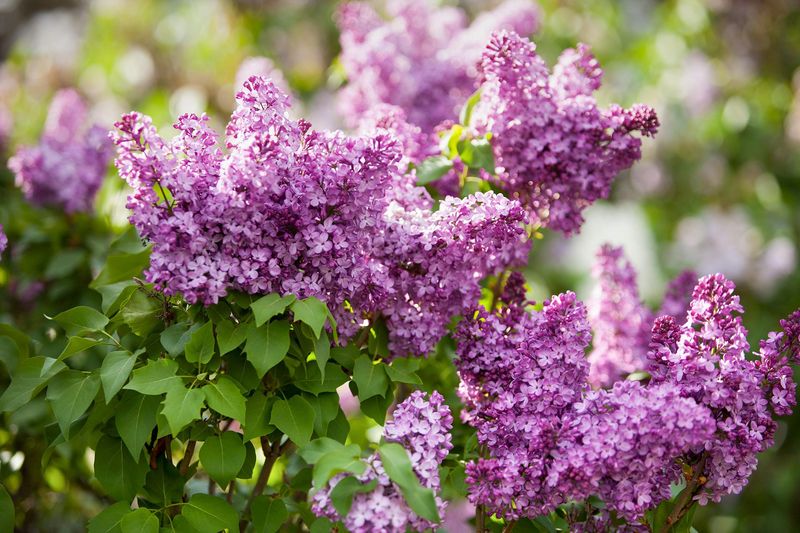
Ask anyone over 60 about lilacs and they will tell you about the bush by their childhood porch. Lucky for you, deer seldom graze on these sweet-smelling shrubs.
Lilacs set next year’s flower buds right after blooming. So if your lilac stopped flowering, late pruning is the usual cause, not the deer.
Give it full sun and trim only within a few weeks after blooms fade.
11. Spirea
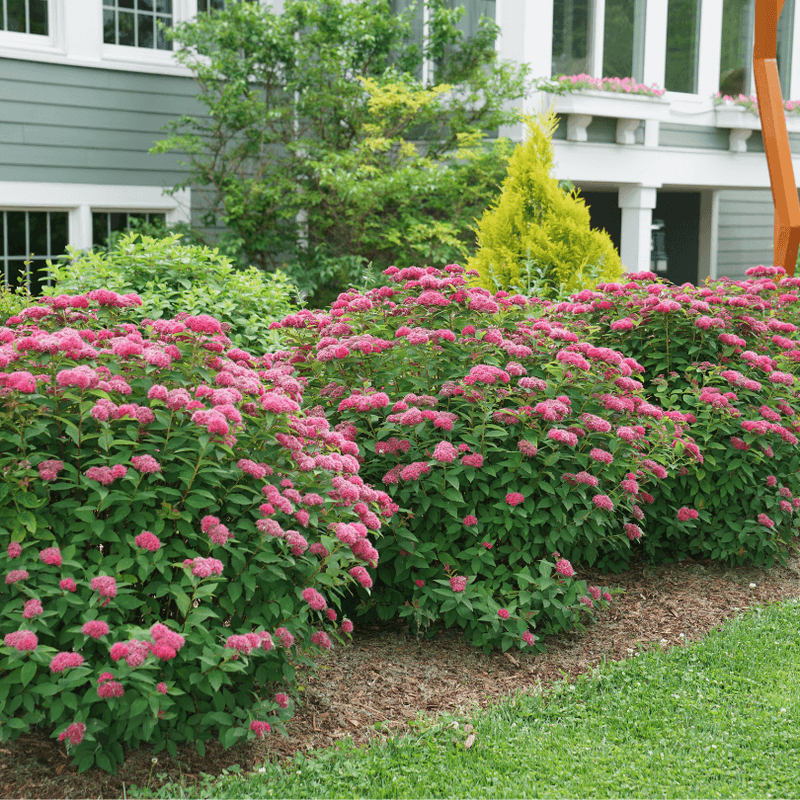
Spirea is the dependable neighbor of the shrub world. It blooms, it stays compact, and deer generally leave it alone.
Some kinds explode with white sprays in spring, while others carry pink clusters through summer. Many have colorful leaves too.
Shear summer-blooming types after flowers fade for a second bloom. It is an easy pick if you want low effort and high payoff.
12. Japanese Andromeda
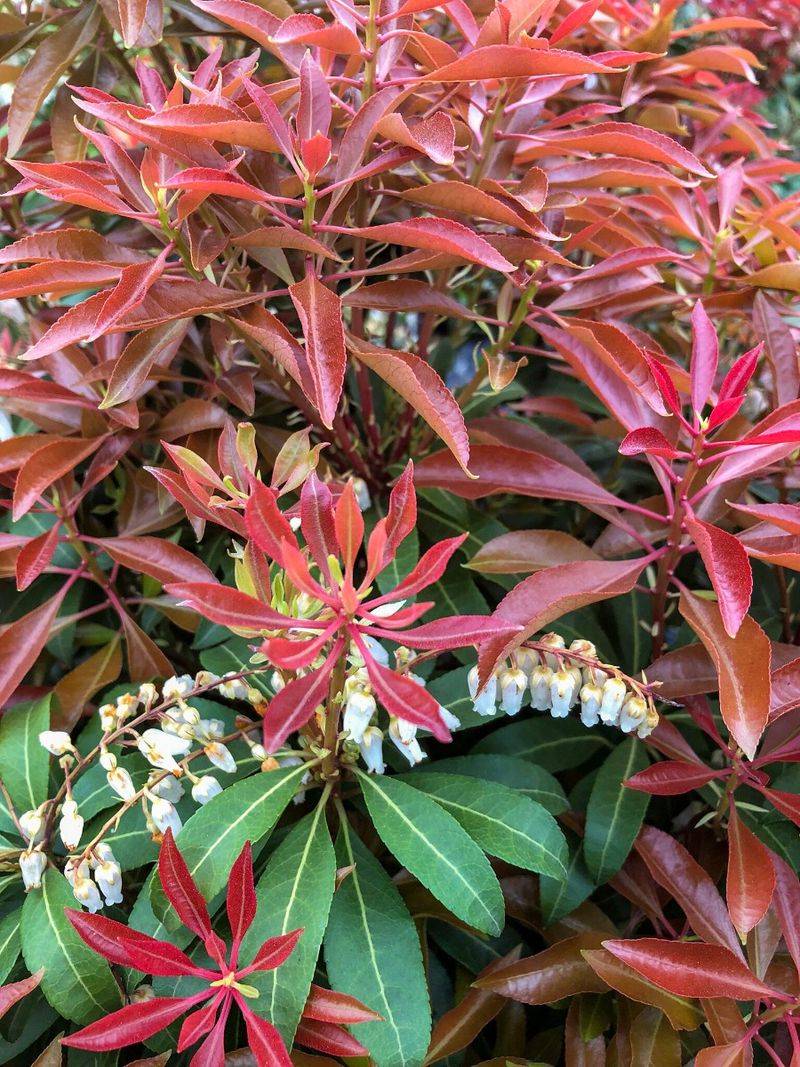
In early spring, Japanese andromeda hangs strings of tiny white bells while its new leaves flash red. It feels like a gift during gray weather.
This broad-leaf evergreen is considered reliably deer resistant, partly because its leaves are toxic. It keeps its foliage all winter, giving your yard needed green.
Plant it in partial shade with acidic soil, like you would an azalea. It is a strong swap for azaleas that deer keep eating.
13. American Holly
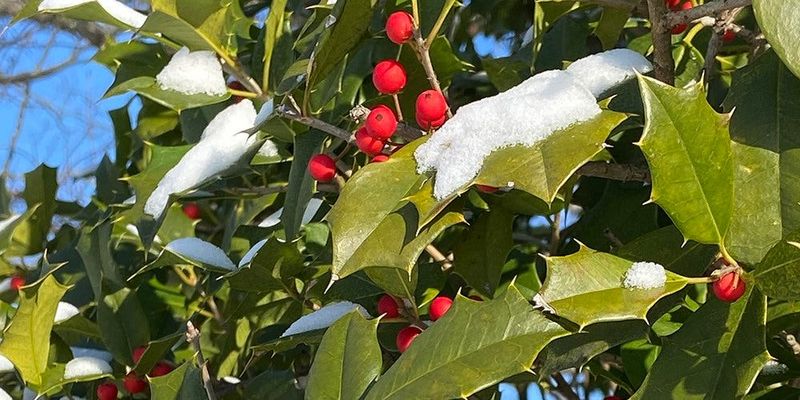
Try grabbing a holly leaf barehanded, and you will learn fast why deer avoid it. Those spiny, evergreen leaves make for a painful mouthful.
American holly grows into a handsome tree, staying green all winter. Females produce red berries if a male grows nearby.
Give it room, since it can grow quite tall over time. It works well as a privacy screen in deer country.
14. Bluebeard
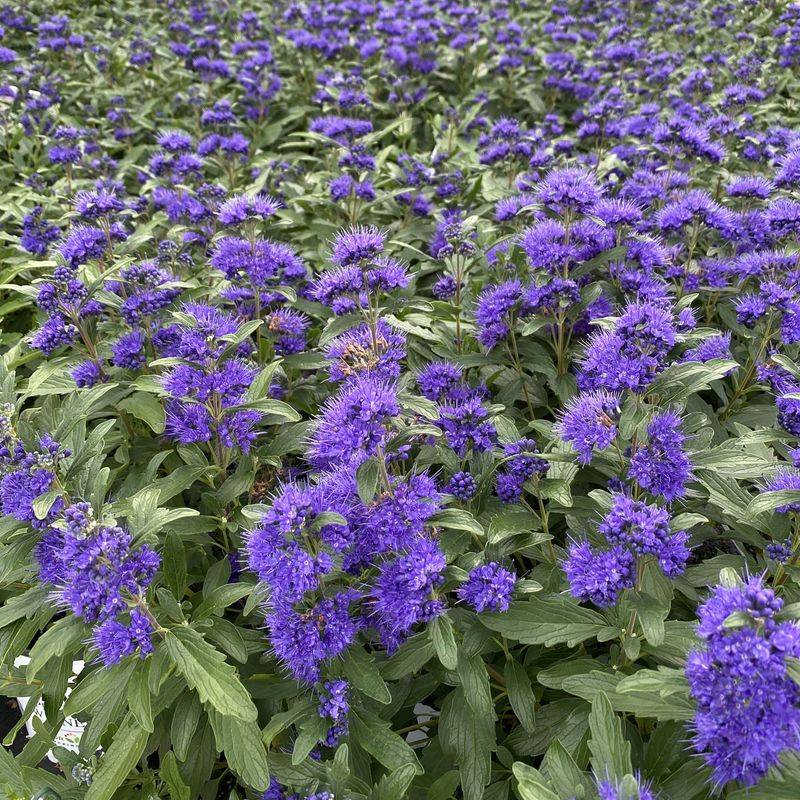
Late summer can feel like a lull in the garden, but bluebeard waits for exactly that moment. It bursts into bright blue blooms that bees adore.
Its fragrant gray-green leaves are known for deer resistance. It stays a compact size that fits small yards.
Cut it back hard in early spring. It blooms on new wood, so a firm trim means more flowers.
15. Mexican Orange
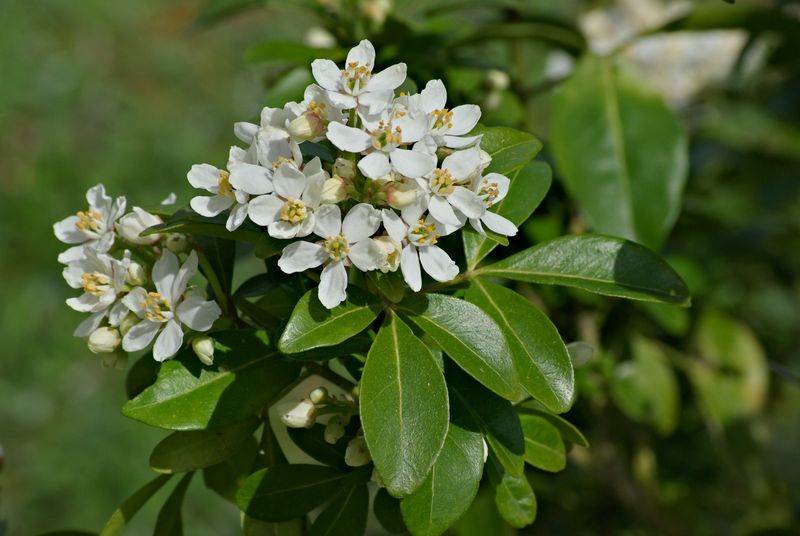
Crush a leaf of Mexican orange and you get a sharp citrus smell. That pungent aroma may help deter deer.
Its glossy evergreen leaves and white, sweetly scented spring flowers make it a polished choice. It does best in milder US regions, roughly zones 7 to 10.
Plant it in a sheltered spot with good drainage. In colder areas, stick with hollies or boxwood.