
Do Opossums Really Eat Thousands of Ticks? What the Research Says About Your Nighttime Yard Visitor
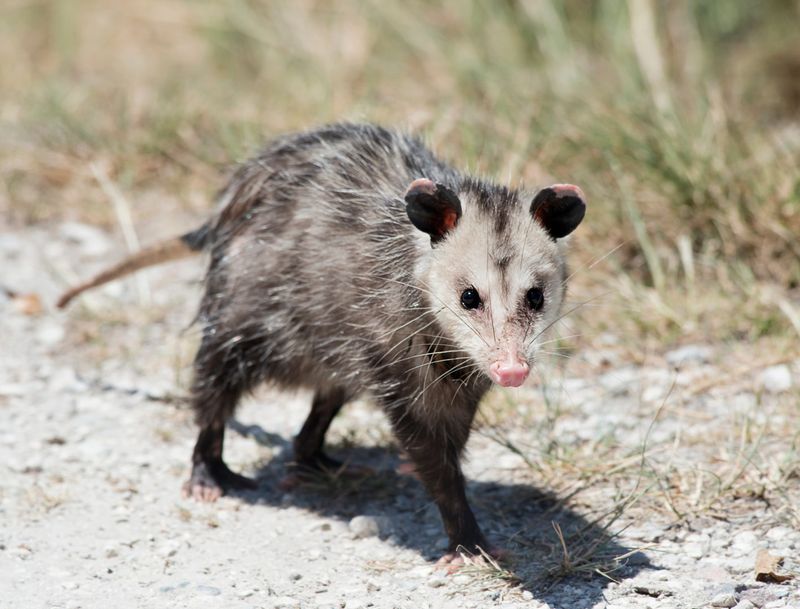
You flip on the porch light and spot an opossum waddling along the fence. Maybe you have heard it is a secret tick-eating hero.
The real story is more interesting, and a bit more complicated, than the popular claim. Here is what scientists actually measured, and what it means for keeping your own yard and family safe.
Where did the thousands-of-ticks claim come from?
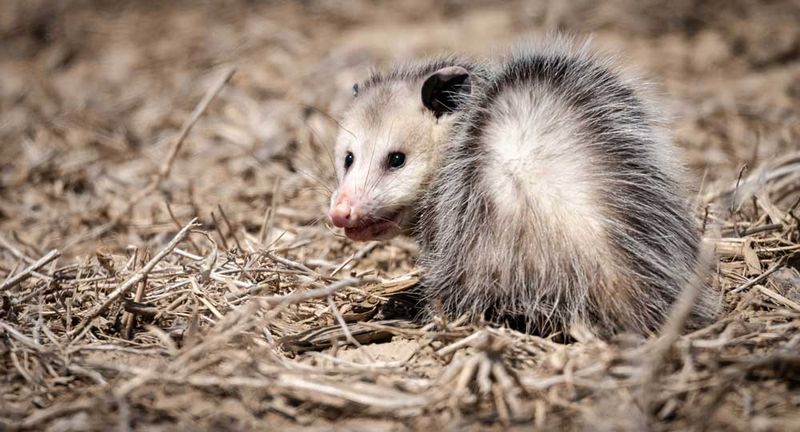
Plenty of garden articles repeat the idea that one opossum eats thousands of ticks a season. If you trace that number back, it leads to a 2009 study in Proceedings of the Royal Society B.
The number is real, but it does not mean what the internet says it means.
The researchers worked at a study area in upstate New York. They estimated how many larval blacklegged ticks were around during the seasonal peak, then combined that with what they saw in the lab.
Their calculation suggested an opossum might encounter more than 5,500 larval ticks per week during that peak.
Notice the wording: encounter, not eat. Nobody counted thousands of ticks in the stomach of a wild opossum.
Nobody tallied a full season of meals, either.
The figure also belongs to one place and one moment. It is not a national average, and it is not a count from backyard opossums.
It is a modeled estimate for a peak week at a single site.
That is why the claim in many headlines, that an opossum quietly eats thousands of ticks every season, goes further than the science does. Keep that limit in mind as we look at how the estimate was built, because the details explain why a good headline number can still be a shaky promise for your garden.
None of this makes the opossum a villain or a hero. It simply means the number was borrowed from a calculation and then repeated until it sounded like a measured fact.
The original experiment measured feeding success, not a backyard cleanup
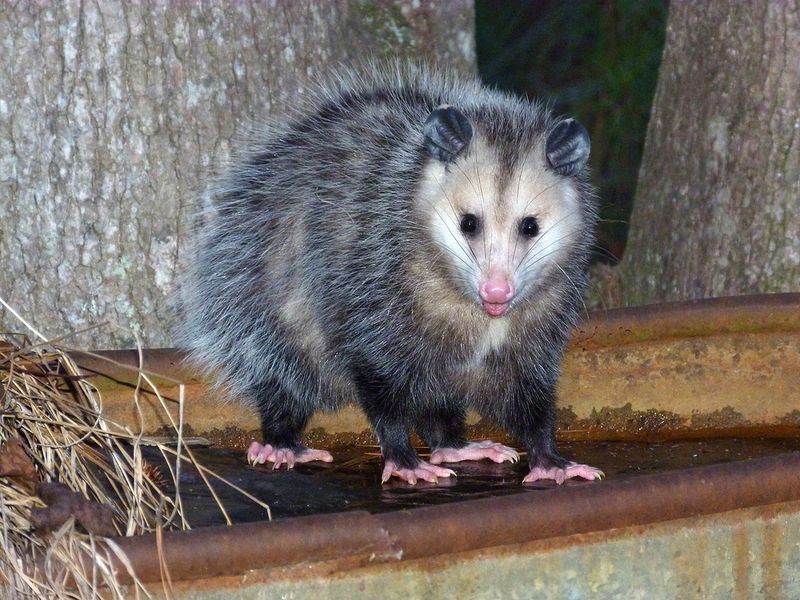
Picture a lab, not a garden. In the 2009 work, researchers used captured animals and placed larval ticks on them.
Then they counted how many of those larvae managed to feed and drop off successfully.
On the tested opossums, just 3.5% of the placed larvae fed successfully. On white-footed mice, nearly half did.
That gap is striking, and it is what got people talking.
So where did the rest go? The researchers noticed that many ticks were never recovered from the animals or their enclosures.
They inferred that a good share had been swallowed while the opossums groomed themselves.
That word, inferred, matters. The team did not watch each tick get eaten.
They reasoned from the missing ones.
The findings also stay tied to their setting. They describe larval blacklegged ticks, the animals tested, and the study conditions.
A 3.5% feeding rate should not be stretched to every tick species, every life stage, or every encounter in the wild.
The authors also reported that opossums were poor carriers of the Lyme disease bacterium in their experiment. That is a finding about how particular ticks and hosts interact.
It is not proof that the opossum strolling past your tomato bed lowers your chance of a tick bite.
In other words, the experiment measured how well ticks feed on a host. It never measured a backyard cleanup.
A later diet study found no tick remains
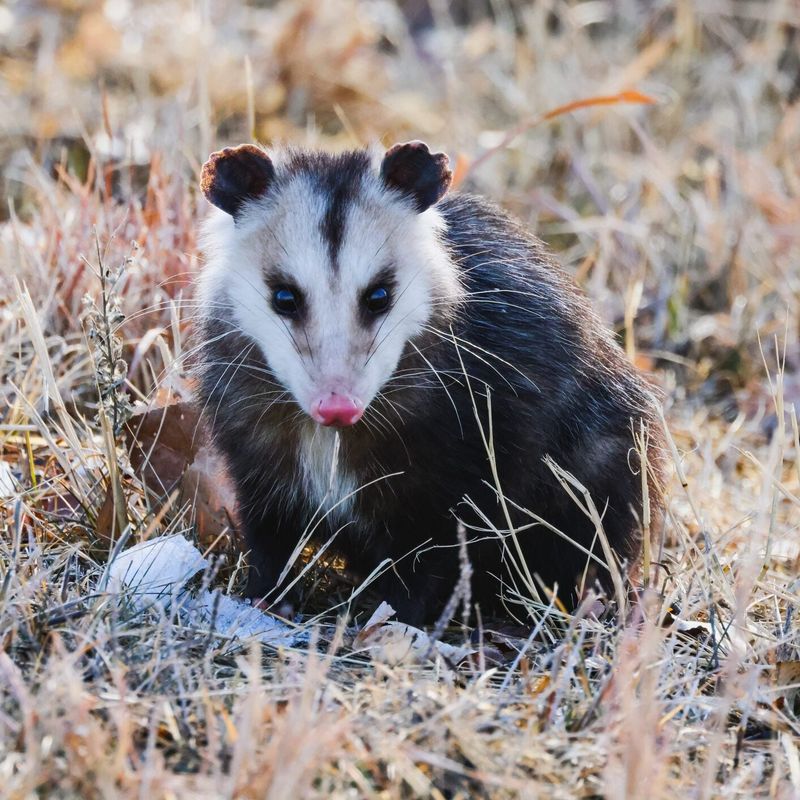
Science tends to double-check itself, and this claim got a second look. In 2021, researchers published a study that asked whether Virginia opossums really act as ecological traps for ticks.
They wanted to see whether lab observations held up in real wildlife.
The team examined stomach contents from 32 wild Virginia opossums in central Illinois. They found no ticks and no tick parts.
They also reviewed 23 published opossum diet studies, and none of those reported ticks either.
From that, the authors concluded that ticks are not a preferred food for opossums. Opossums eat a wide mix of items, including fruit, insects, worms, and carrion, and ticks did not show up as a regular part of the menu.
This challenges the popular story. If an opossum were swallowing thousands of ticks, you might expect at least some tick remains to turn up in stomachs.
Still, the result has limits. Finding nothing in 32 stomachs does not prove that an opossum never swallows a tick while grooming.
A tiny tick could be digested quickly, and a small sample cannot rule out every possibility.
The fair reading is a middle one. The popular claim looks far less solid than it first seemed, but the door is not completely shut on an occasional accidental meal.
A visiting opossum is not dependable tick control
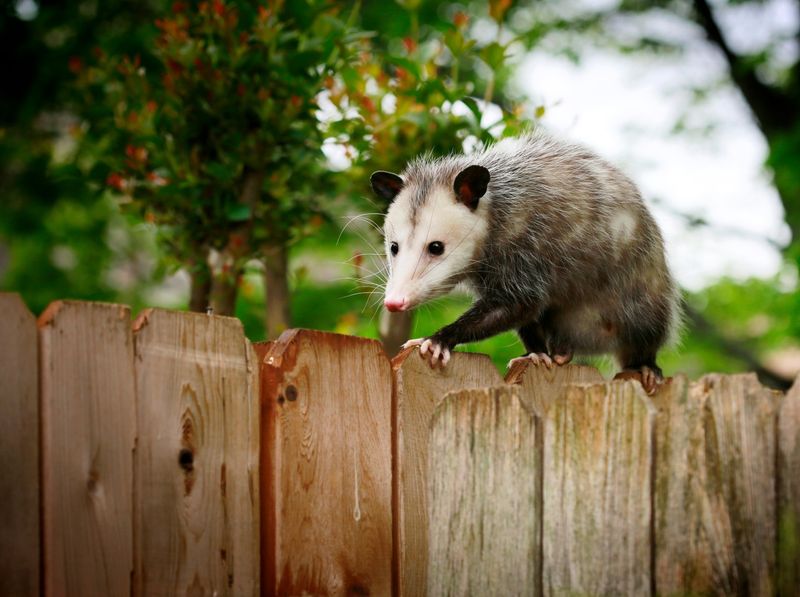
Here is the practical takeaway for your garden. Indiana’s Department of Natural Resources describes a cautious middle ground: an opossum may eat a tick it comes across while grooming, but it does not actively forage for ticks.
That is very different from a pest-control service. An occasional swallowed tick is a possible side effect of grooming, not a job the animal performs on your behalf.
It also helps to separate two ideas. One is that an opossum might eat a tick now and then.
The other is that having one around lowers the number of ticks in your yard or cuts your risk of illness.
The studies we have looked at, including the 2009 experiment and the 2021 diet study, do not show either of those results for a homeowner. They do not demonstrate fewer ticks in a particular yard, and they do not show a lower chance of tick-borne disease.
So if an opossum wanders through on a summer night, enjoy the sighting. Then keep doing your usual tick prevention, because that plan works the same whether or not a wild visitor comes by.
Think of the opossum as a neighbor passing through, not a tool in your gardening kit.
Reduce tick habitat around the places you use
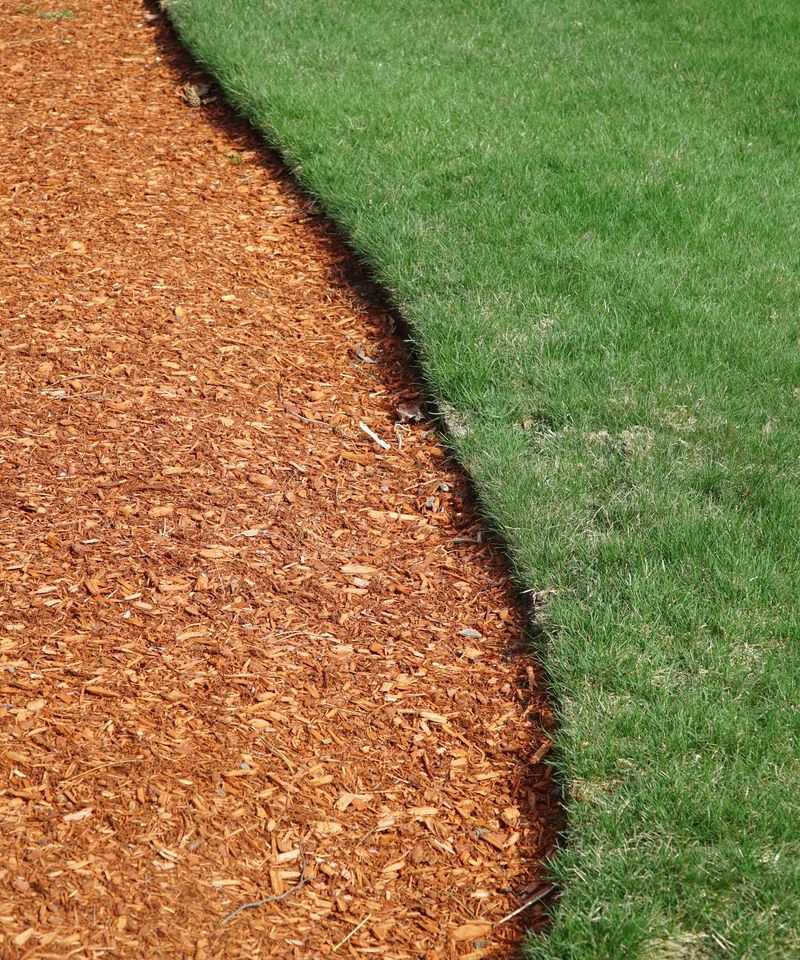
If you want fewer ticks near your tomatoes and hydrangeas, work on the yard itself. CDC guidance on preventing tick bites lays out simple habitat steps that do not depend on any wildlife visit.
Start by removing leaf litter, which gives ticks cool, damp places to hide. Clear tall grass and brush near your house and along lawn edges.
Mow regularly so the grass stays short where you walk and work.
Next, think about the line where your lawn meets the woods. CDC suggests considering a 3-foot barrier of wood chips or gravel between the two.
It gives ticks a dry, open strip that is harder to cross, and it reminds you where the tick zone begins.
A good habit is to do a quick edge check each spring and fall. Look at the corners behind the compost bin, the shady spot under shrubs, and the border near the fence, since those places collect leaves fast.
What about sprays? CDC says pesticides can reduce ticks in treated areas, but they should not be relied on alone to prevent infection.
If you choose one, follow the product label closely and check local guidance first.
Habitat care is not glamorous, but it is the kind of work that pays off all season.
Keep checking for ticks even if opossums visit
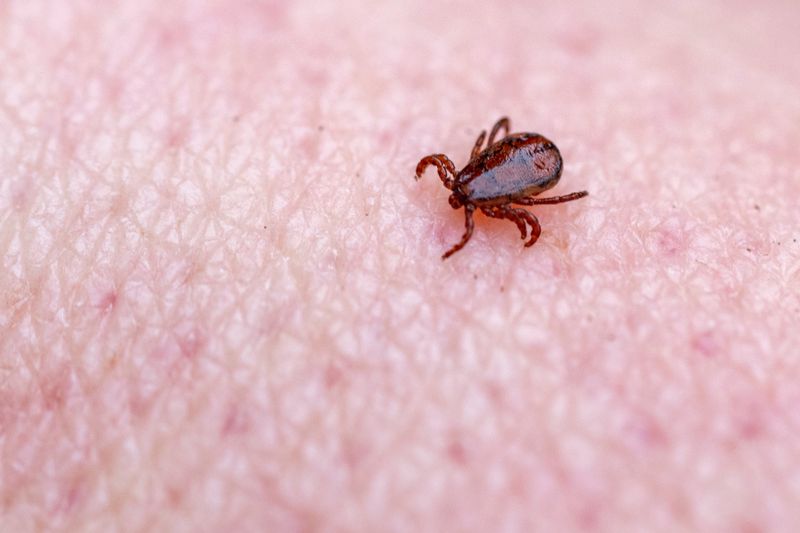
Your own habits count just as much as your yard layout. Where possible, skip brushy or wooded spots with high grass and leaf litter, since those are prime tick territory.
Use an appropriate repellent when you do head out, as described in the same CDC tick-prevention guidance.
After time outdoors, check yourself, your kids, and your pets. Pay attention to warm, tucked-away spots like the scalp, behind the knees, underarms, and the waistband.
A shower soon after coming inside makes the check easier.
If you find a tick attached, act promptly. CDC’s advice for after a tick bite is to use tweezers, grasp the tick close to the skin, and pull upward with steady pressure.
Clean the bite area and your hands afterward. If you develop a rash or fever in the days or weeks that follow, let a healthcare provider know about the bite.
Some old tricks are best left alone. Do not use heat, petroleum jelly, or nail polish on a tick.
They are not recommended and only delay proper removal.
These steps work the same whether an opossum visited last night or never crossed your lawn at all. That is the beauty of a routine you can count on.
Let the opossum pass, and keep your prevention plan
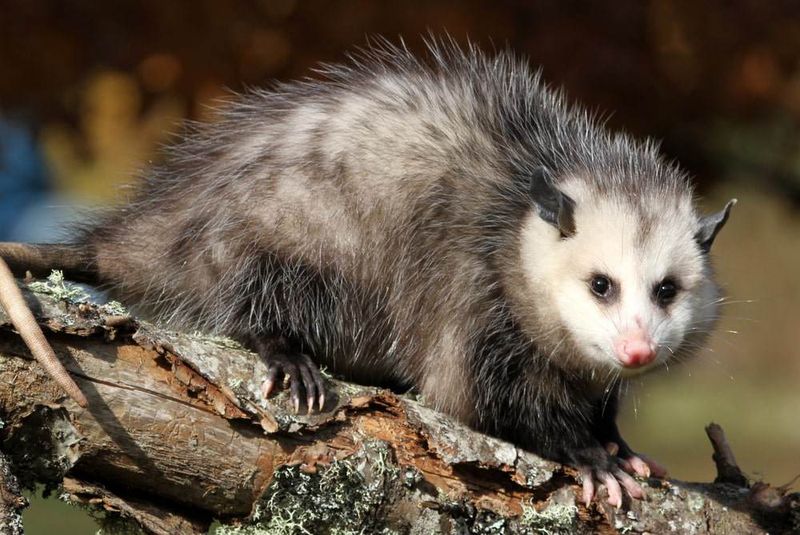
When you spot an opossum after dark, the kindest move is to give it room. Keep your distance, do not try to handle it, and do not set out food hoping it will patrol for ticks.
Florida’s wildlife agency explains that feeding wildlife can lead to unwanted animal interactions.
Opossums are usually shy and prefer to slip away or even play dead when stressed. Bring pets inside at night, and secure trash and pet food so your yard is less of a magnet.
If a wild animal bites or scratches you, wash the area promptly with soap and water. Then contact a healthcare provider or your local health department for guidance on medical care and rabies risk.
CDC rabies prevention information also recommends keeping away from wildlife.
That is really all there is to it. Tidy your yard edges, check yourself for ticks, and let the wildlife go about its night.
The opossum may be a pleasant bit of backyard nature, but the tick plan is yours to keep.