
Don’t Blame The Nectar – These 11 Spots In Your Yard Keep Hummingbirds Away From Your Feeder
You mixed the perfect sugar water, hung a bright red feeder, and waited all week, but not a single hummingbird showed up. Before you dump that nectar, take a walk around your yard.
Where your feeder hangs, and what surrounds it, often matters more than what is inside it. A few small changes can turn a lonely feeder into the busiest spot in your garden.
1. Deep Inside Dense Shrubs
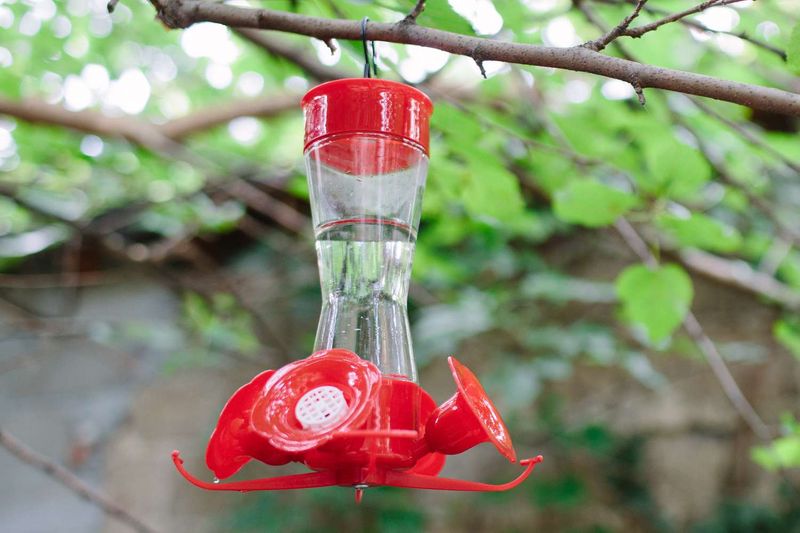
Picture walking into a dark alley to grab a snack. You would probably skip it, and hummingbirds feel the same way about a feeder buried in thick bushes.
Dense shrubs give cats, snakes, and even praying mantises a perfect place to hide and wait. A hummingbird hovering at the ports can’t see danger coming, so it simply avoids the spot.
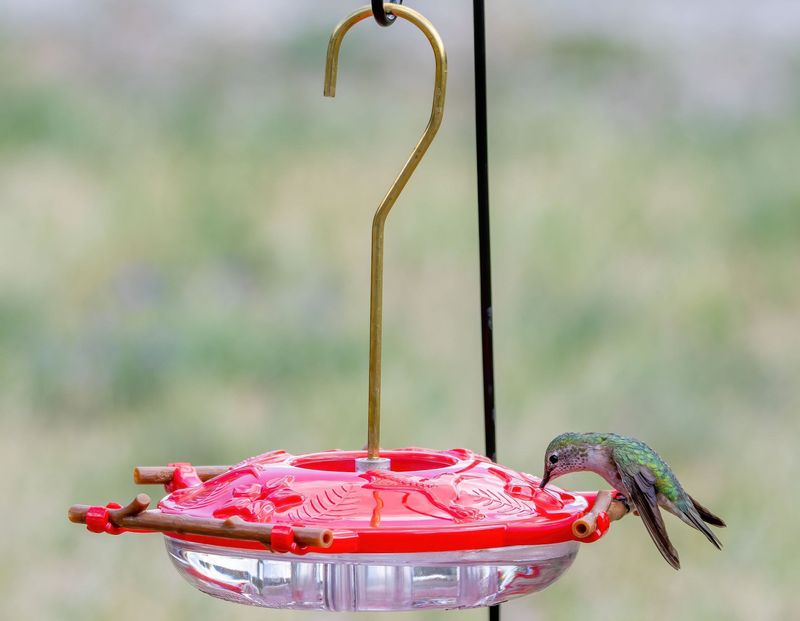
The fix is easy. Move the feeder out to the edge of the shrub, or hang it on a shepherd’s hook a few feet away so birds get a clear view while still having leaves nearby.
2. The Spot That Bakes in Afternoon Sun
Sugar water left in blazing sun turns sour fast, sometimes in a single hot afternoon. Fermented nectar can cloud up, smell off, and even make birds sick.
Hummingbirds are picky tasters. One sip of spoiled nectar and they may cross your feeder off their route for days.
Look for a spot with morning sun and afternoon shade, like the east side of a tree or under a porch overhang. In peak summer, change nectar every one to two days no matter where it hangs.
3. Wide-Open Lawn With No Cover
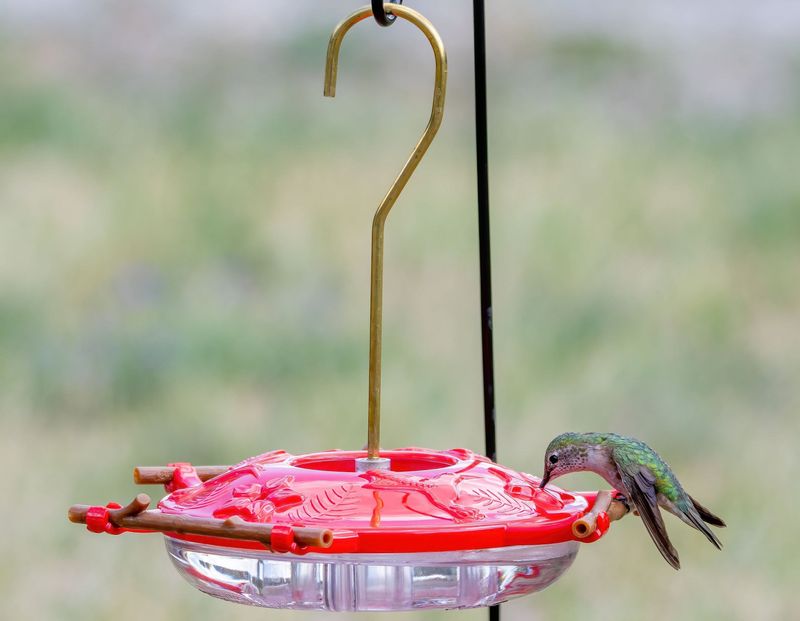
Here’s the tricky part: hummingbirds want a clear view, but they also want an escape hatch. A feeder in the middle of a bare lawn gives them the first and none of the second.
Hawks and other birds can spot a tiny hummer out in the open. Without a tree or tall shrub close by, the bird feels exposed every second it feeds.
Aim for cover about 10 to 15 feet from the feeder. A small tree, a tall hydrangea, or a trellis covered in clematis can give birds the safety net they need.
4. Next to the Back Door
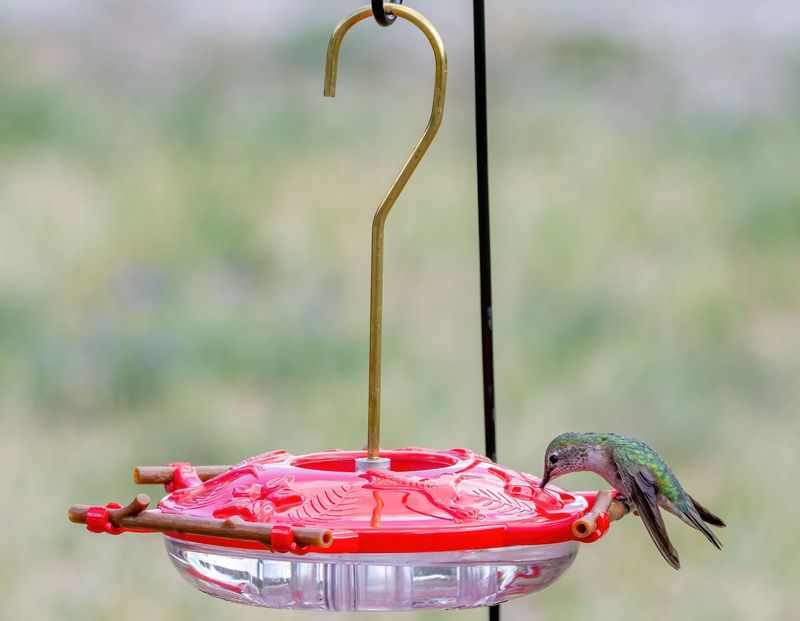
Kids racing out the screen door, the dog barking at squirrels, the grill lid clanging. To a bird that weighs less than a nickel, that is a lot of noise.
Feeders right beside doors, busy walkways, or play areas get interrupted constantly. Some brave hummers will adjust, but shy newcomers usually won’t stick around long enough to learn your routine.
Try shifting the feeder just 10 or 15 feet to a quieter corner where you can still watch from a window. Once birds are visiting regularly, you can inch it closer over a few weeks.
5. The Feeder You Forgot to Scrub
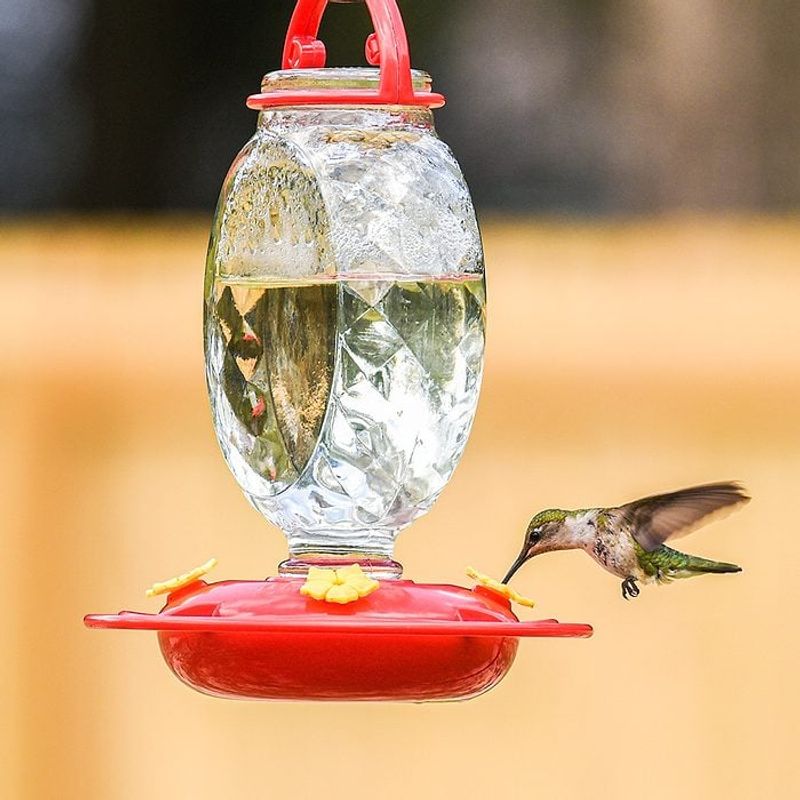
Did you know hummingbirds remember individual feeders from year to year? That great memory works against you when a feeder goes moldy.
Black specks around the ports or cloudy nectar are warning signs. Birds that find a dirty feeder often skip it and remember to keep skipping it.
In hot weather, clean every one to three days with hot water and a bottle brush. Skip the soap residue, rinse well, and soak in a mild vinegar solution if mold shows up.
6. A Single Feeder Guarded by a Bully
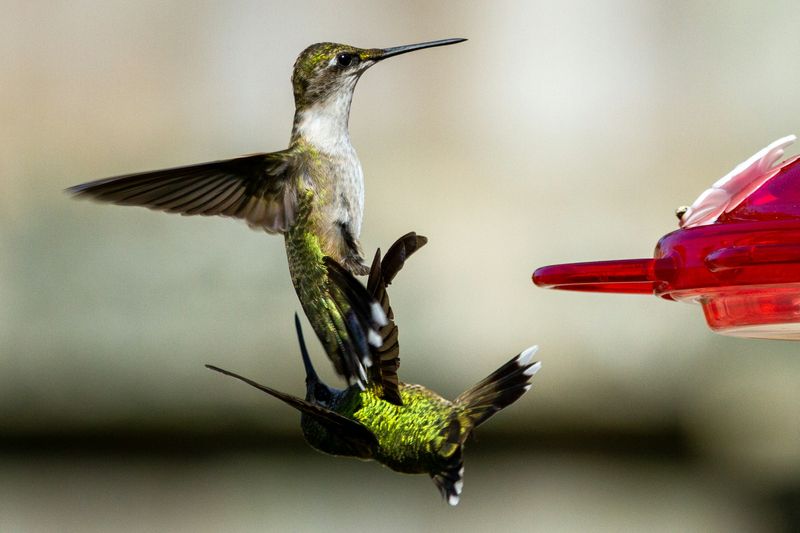
Every neighborhood seems to have one. A tiny, feisty male perches near the only feeder and dive-bombs anyone else who comes close.
Hummingbirds are fiercely territorial, so one bossy bird can make your yard look empty even when plenty of others are nearby. You might think nobody visits, when really one bird is keeping the crowd away.
Hang a second or third feeder out of sight of the first, ideally around a corner of the house. The bully can’t guard them all, and the rest of the flock finally gets a turn.
7. The Ant and Wasp Highway
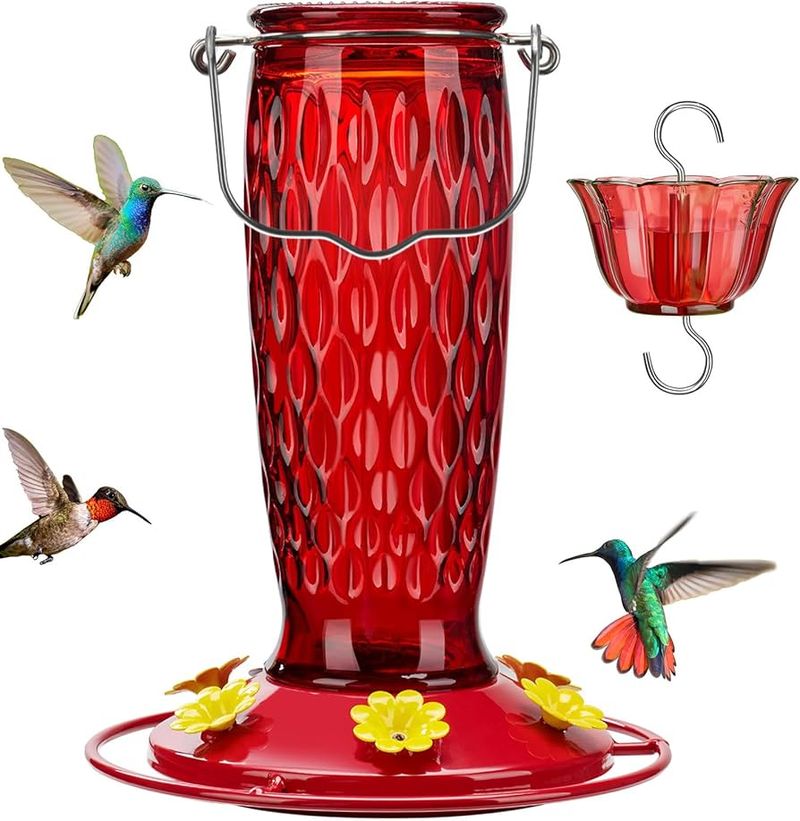
Ants marching down the hanger. Yellow jackets crowding every port.
Your feeder has become an insect buffet, and hummingbirds want no part of it.
Wasps can block the ports and even sting, while ants drown in the nectar and spoil it.
An ant moat hung above the feeder stops crawlers cold. Saucer-style feeders keep nectar out of reach of bees and wasps, and wiping up drips helps too.
8. Nowhere to Perch Nearby
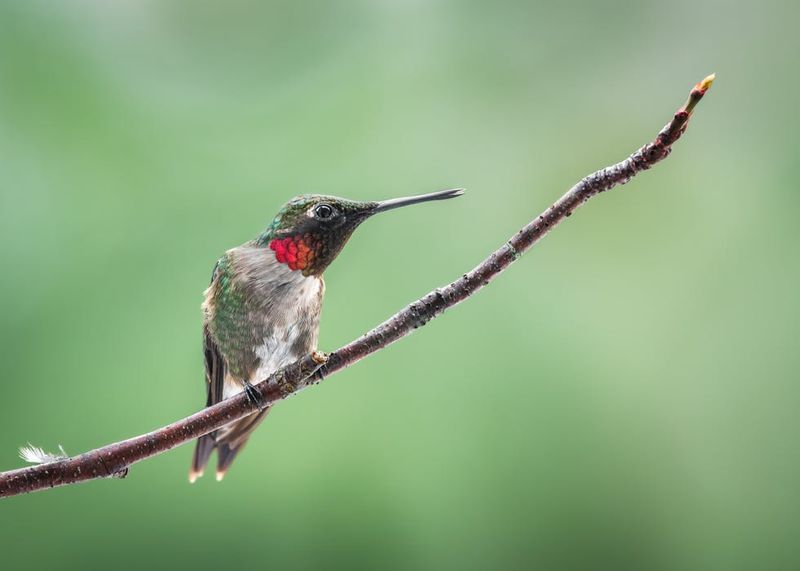
For all their buzzing, hummingbirds spend a surprising amount of their day sitting still. They rest, digest, and keep watch from thin twigs and wires.
A yard with no small branches near the feeder gives them nowhere to take a break. They may feed once and leave rather than settle in.
Leave a few thin dead twigs on a nearby shrub, or add a small trellis. Bare branches on a tomato cage or clematis support can work nicely as perches.
9. Flower Beds Treated With Pesticides
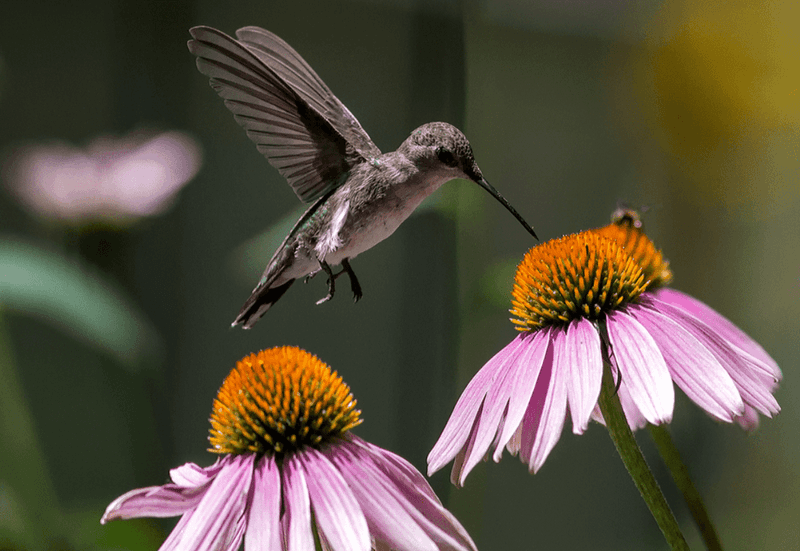
Most people don’t realize hummingbirds eat bugs. Gnats, aphids, and tiny spiders give them the protein they need, especially when raising babies.
Spraying insecticides on your petunias or roses can wipe out that food source. Some chemicals may also harm the birds directly.
Try hand-picking pests or using a strong spray of water first. A garden with a few bugs is a garden hummingbirds may want to call home.
10. A Yard Without Blooms
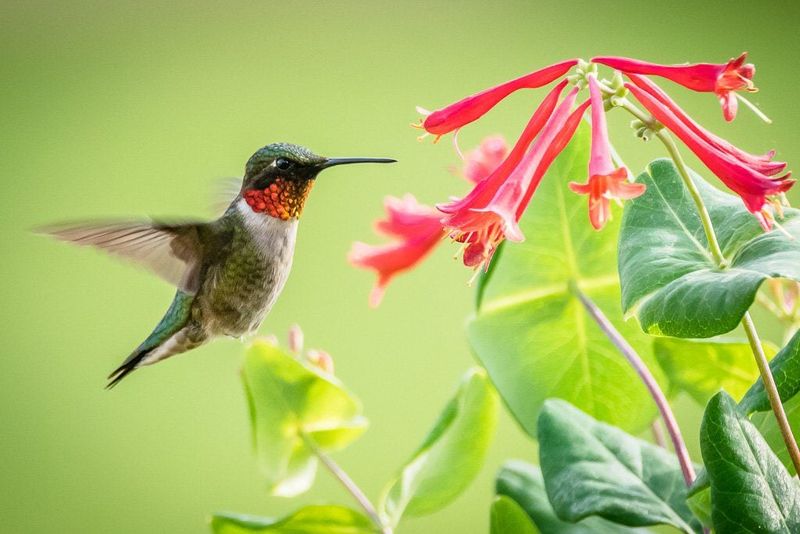
A feeder alone is like a gas station in the desert. Birds may stop, but they are looking for a whole neighborhood of food.
Tubular flowers act like billboards that tell passing hummers your yard is worth exploring. Petunias, salvia, bee balm, fuchsia, and trumpet honeysuckle are favorites.
Plant a few near the feeder, and stagger bloom times so something flowers from spring into fall. Deadheading petunias keeps that color coming longer.
11. Where the Neighborhood Cat Lounges
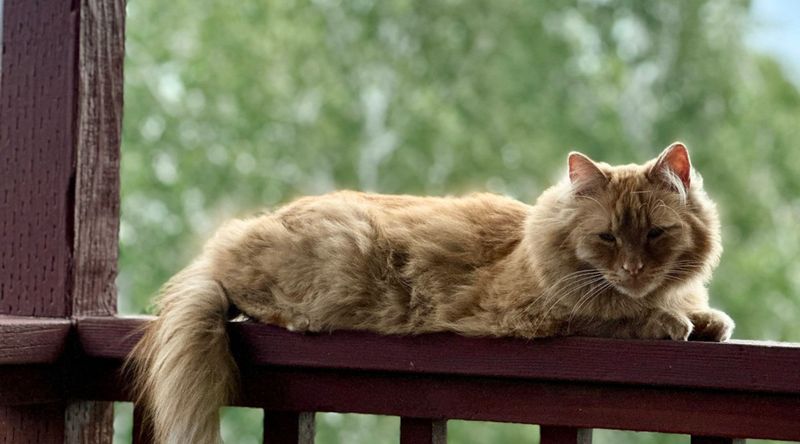
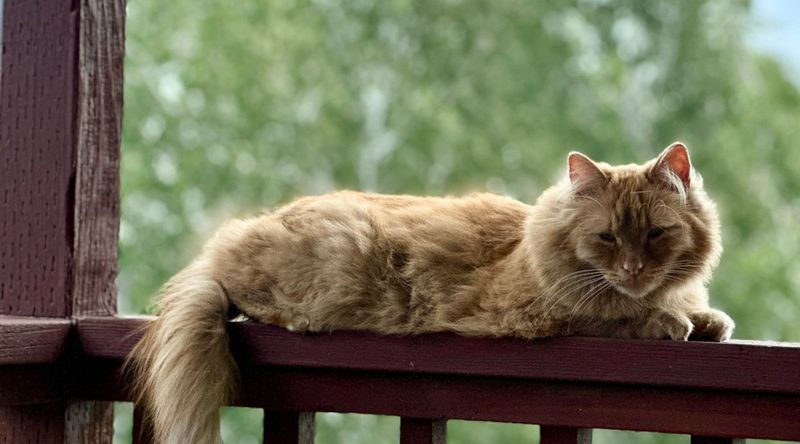
That sweet cat napping under your bench? To a hummingbird, it is the biggest threat in the yard.
Cats are skilled hunters and can leap surprisingly high. Birds that sense a cat nearby often stay away from feeders and flowers alike.
Hang feeders at least five feet high and away from fences or benches cats can climb. Keeping your own cat indoors may help too.
Fix a few of these spots, and your feeder may soon be the liveliest place in the yard.