
Don’t Dig Out Your Overgrown Lilac Yet – 11 Simple Steps That Bring Back Its Spring Flowers

Your lilac used to fill the yard with purple flowers and sweet perfume, but now it is a tall, tangled bush with plenty of leaves and hardly any blooms. Before you grab a shovel, take a breath, because most lilacs that stop flowering are not dying at all.
They usually need better timing, more sun, or a smart trim. Here are 11 simple steps that can coax those fragrant spring flowers back.
1. Prune Right After the Flowers Fade
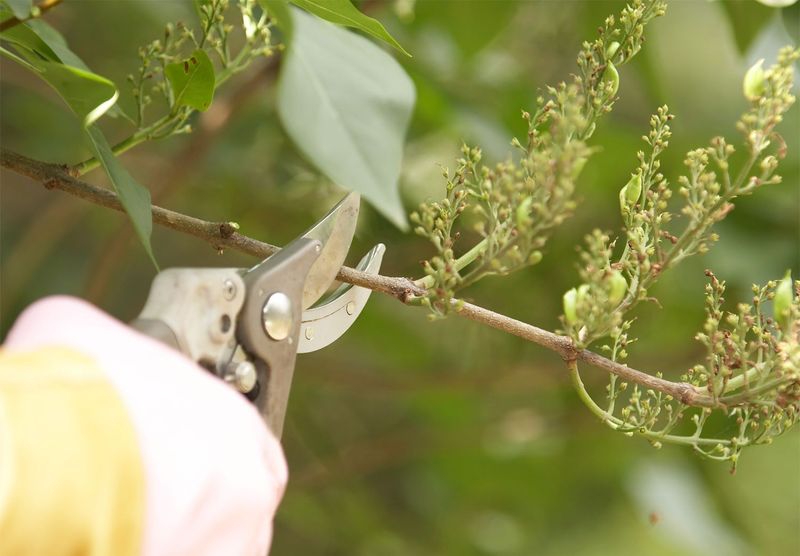
Here is the mistake behind more flowerless lilacs than any other: pruning at the wrong time. Lilacs set next spring’s flower buds on old wood, meaning the stems that grew the year before.
Those buds start forming in summer, not long after the current blooms drop.
So if you trim in fall, late winter, or early spring, you are snipping off next year’s flowers before they ever open. It feels like tidying up, but it quietly wipes out the show.
The fix is simple. Mark your calendar for the week or two after your lilac finishes blooming, usually late spring or early summer depending on where you live.
Do your shaping and trimming then, and leave the shrub alone the rest of the year.
2. Deadhead the Spent Blooms
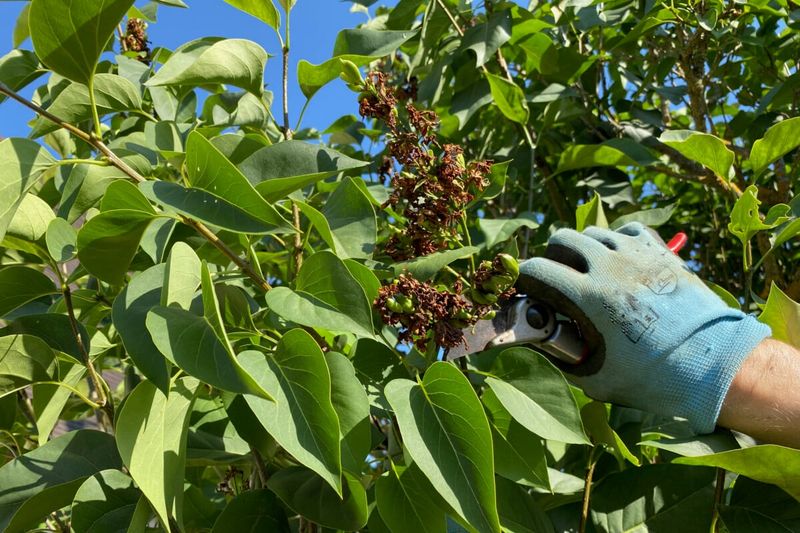
Picture those crispy brown flower clusters hanging on your lilac in June. They look tired, and they are also busy making seeds, which takes energy your shrub could use elsewhere.
Snip each faded cluster back to the first set of leaves below it. Be careful not to cut deeper, since the small buds forming just below are where next year’s flowers come from.
On a big, overgrown bush you may not reach every cluster, and that is fine. Getting the ones within arm’s length still helps, and the shrub looks tidier for the rest of summer.
3. Give It at Least Six Hours of Sun

Lilacs are sun lovers, plain and simple. They need at least six hours of direct sunlight a day to pack on flower buds.
Many lilacs were planted in full sun decades ago. Then a neighbor’s oak grew up, a fence went in, or a shed appeared, and slowly the light disappeared.
You may even notice the sunny side of the bush blooms while the shady side stays green.
Spend a day checking where the shadows fall. If a tree limb is the culprit, trimming it back may let enough light through.
If the spot is just too shady, a young lilac can be moved in early fall or early spring to a brighter location.
4. Keep Lawn Fertilizer Away

Ever notice your lilac looks greener and fuller than ever, yet barely flowers? That combination often points to too much nitrogen.
Nitrogen pushes leafy growth. Lawn fertilizer is loaded with it, and when you feed the grass around your lilac, its roots soak up a share too.
The result is a happy, leafy bush that forgets to bloom.
Lilacs are light eaters and usually need little or no fertilizer. Keep lawn feed several feet from the shrub.
If a soil test shows a real need, use a small amount of a balanced or bloom-focused fertilizer instead.
5. Try Three-Year Renewal Pruning

Think of renewal pruning as a slow makeover. Instead of shocking the plant, you swap out the oldest wood bit by bit while the shrub keeps flowering.
Each year for three years, cut about one-third of the thickest, oldest stems right down to the ground. Many experts suggest doing this in late winter while the plant is dormant, accepting a small loss of blooms, or right after flowering if you want to save more of them.
By year three, the whole shrub is made of younger, stronger stems. Those fresh canes grow at a more reachable height and tend to bloom far better than the old, woody giants they replaced.
6. Consider a Hard Renovation Cut

Sometimes a lilac is so tall and tangled that a gentle approach feels pointless. For tough, healthy old shrubs, there is a bolder option.
In late winter, while the plant is dormant, cut every stem back to 6 to 12 inches above the ground. Lilacs have strong root systems and usually send up a flush of new shoots by summer.
Here is the honest catch: you will likely lose flowers for at least a year or two, maybe longer. Choose this route only if you can be patient, and then thin the new shoots to keep the strongest ones.
7. Do a Little Maintenance Pruning Every Year
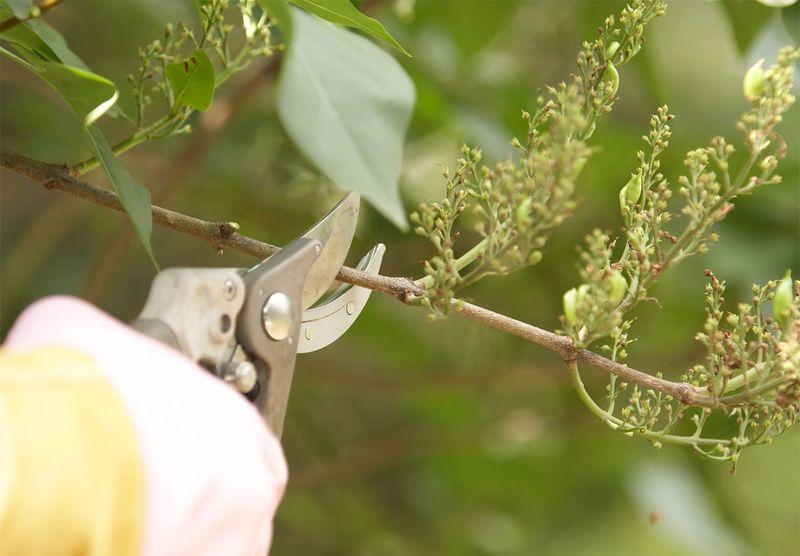
Once your lilac is back on track, a small yearly trim keeps it from sliding into a jungle again. It takes maybe twenty minutes.
After bloom, remove dead, broken, or diseased branches first. Then thin out skinny, weak stems crowding the middle, which lets sunlight and air reach the center and may help reduce problems like powdery mildew.
A good target is around 10 to 12 main stems, each 1 to 2 inches thick, with a mix of ages. Just avoid removing more than one-third of the plant in a single season.
8. Manage the Suckers
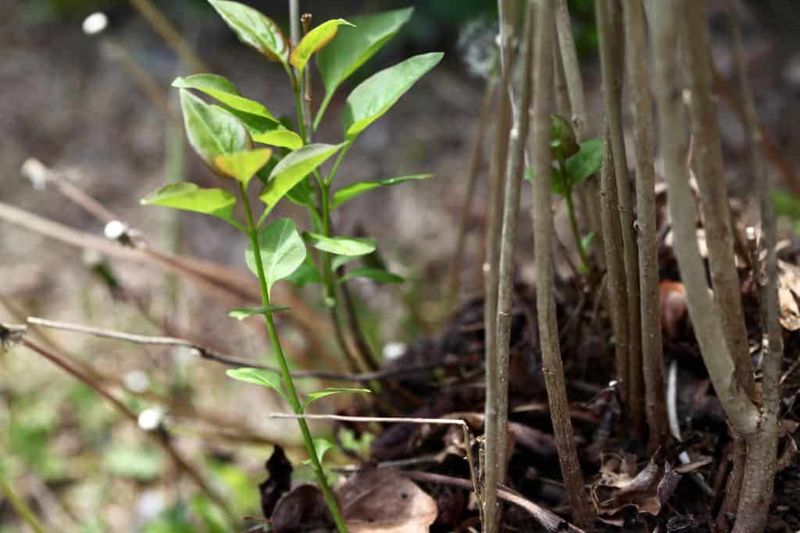
Lilacs love to spread. Look at the base of an old shrub and you will probably find a small forest of shoots popping up from the soil.
Those suckers pull water and nutrients away from the main stems. Cut the weak ones off right at soil level.
Here is a handy trick, though. Keep a few of the strongest, best-placed suckers to grow into future main stems.
They become free replacements when you remove old trunks during renewal pruning.
9. Check for Soggy Soil

Lilacs hate wet feet. Roots sitting in soggy, waterlogged soil struggle to breathe, and a stressed plant rarely puts energy into flowers.
Try a quick test. Dig a hole about a foot deep near the shrub, fill it with water, and see how long it takes to drain.
If water is still standing hours later, drainage is likely part of the problem.
Mixing compost into the surrounding soil over time can help. Also check that downspouts or sprinklers are not soaking the area.
For younger lilacs in truly soggy spots, moving them to higher ground may be the best rescue.
10. Water Deeply During Dry Spells

Mature lilacs can handle some drought, which is part of why old farmhouse lilacs survive for generations. Still, summer is when next year’s buds form, and a long dry stretch can leave fewer of them.
Aim for about an inch of water a week from rain and watering combined. A slow, deep soak at the base once a week beats a quick daily sprinkle.
A few inches of mulch spread around the root zone, kept off the trunks, helps hold moisture in. Newly planted lilacs need the most attention while their roots settle in.
11. Give Young Lilacs Time
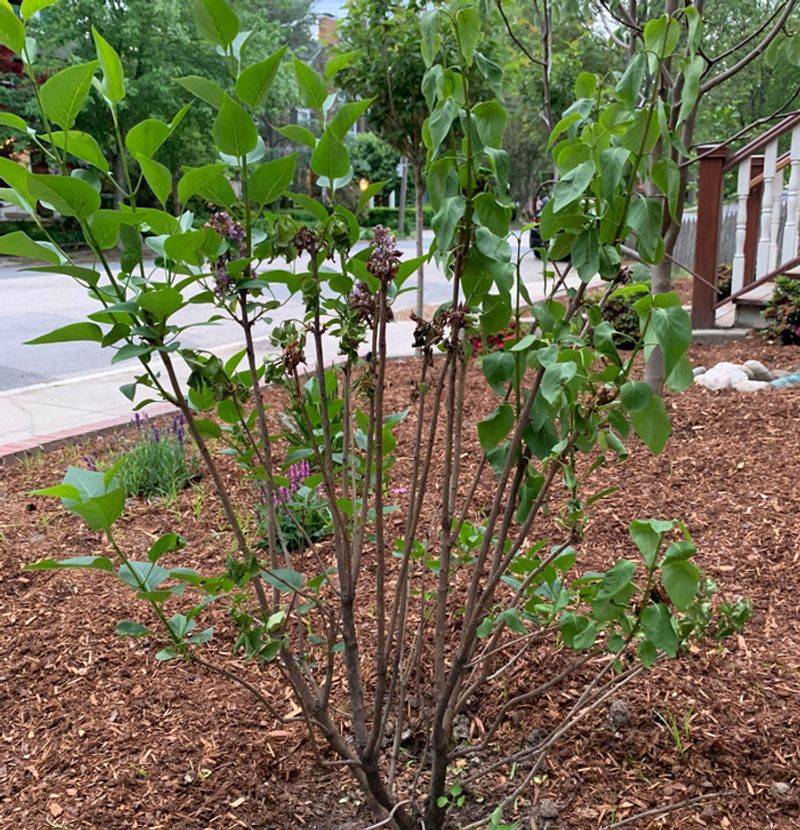
Fun fact: some lilac bushes planted in the 1700s at colonial homes in New England are still blooming today. Lilacs play a long game, and young ones often take their time.
A newly planted lilac may need three or four years to settle in before flowering heavily. During that stretch it is building roots, not putting on a show.
If your shrub is young, the steps above still matter. Give it sun, skip the lawn fertilizer, prune only after bloom, and let patience do the rest.