
Don’t Let Frost Take Your Green Tomatoes: Here’s How To Ripen Suitable Fruit Indoors
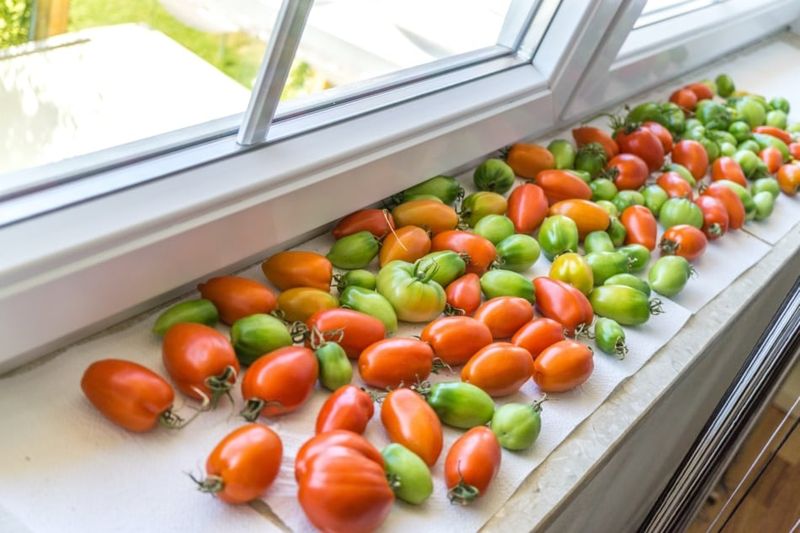
Frost is coming, and your tomato plants are still loaded with green fruit. Maybe you even topped your plants to push them along, and now you are wondering if all that effort will pay off.
You can save a good share of that harvest with a simple pick-and-ripen routine. Here is how to do it, and how to be honest about which tomatoes will make it.
Topping cannot promise a ripe harvest
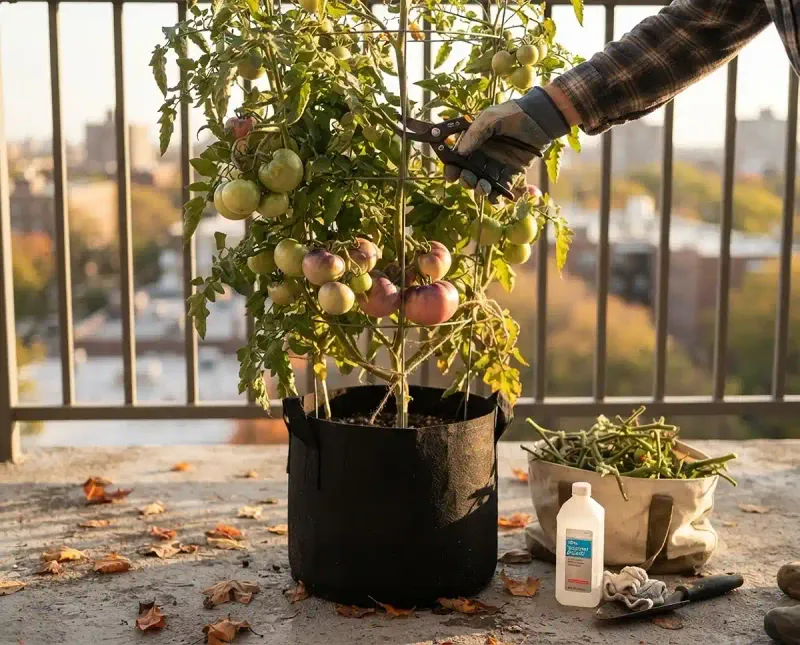
If you topped your tomato plants this fall, good work, but the green fruit hanging there still needs a plan. Topping means cutting off the growing tip of a vine so the plant stops pushing out new shoots.
Iowa State Extension says this can be useful late in the season for indeterminate tomatoes, since it limits new growth and encourages the fruit already on the plant to develop.
That is a helpful nudge, not a guarantee. Topping does not ensure that every remaining tomato will mature before frost arrives.
Tiny fruit set in the last few weeks simply may not have enough time, no matter what you trim.
Type matters too. Indeterminate plants keep growing and flowering all season, so they are the ones that suit topping.
Iowa State warns against topping determinate varieties, which grow to a set size and ripen in a shorter window, because it can reduce your yield. If you are not sure which kind you have, leave the shears in the shed.
So whether or not you topped, the next step is the same. Plan to pick, sort, and bring in the fruit that has a real chance of finishing indoors.
Pick before a killing frost
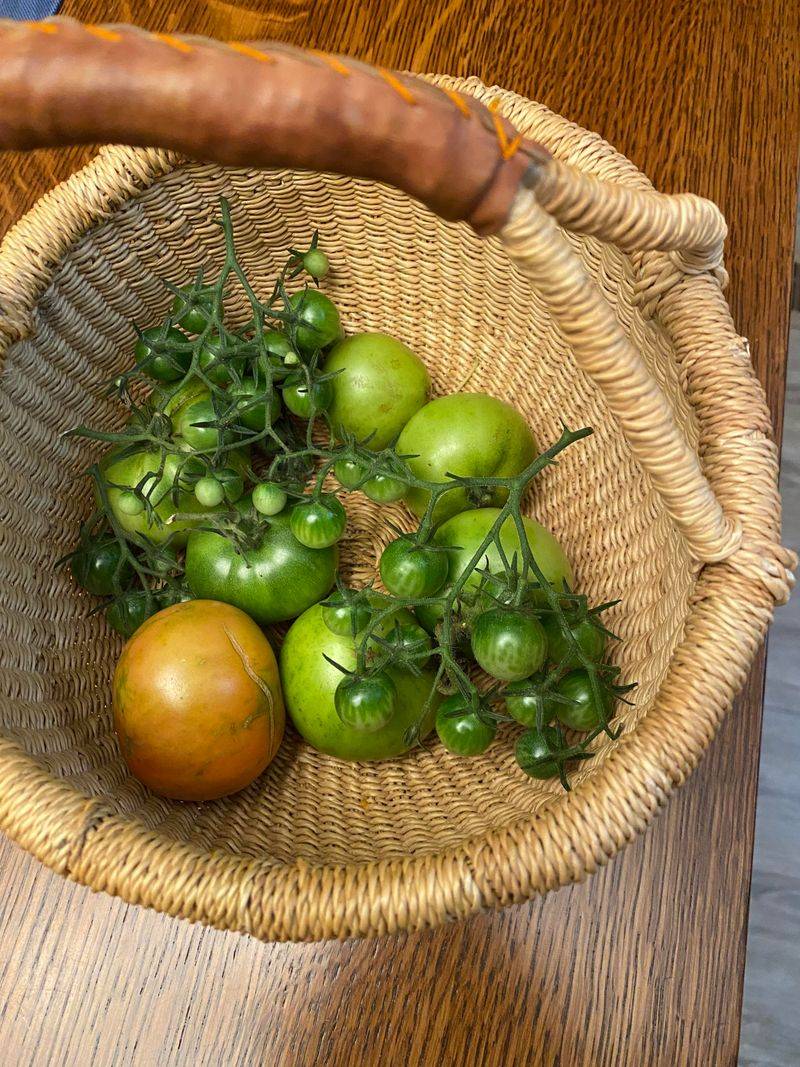
Your first job is simple: bring the fruit in before a killing frost, not after. A killing frost is cold enough to blacken and kill tender plants, and waiting to see what survives outside is a gamble that rarely pays off.
University of Connecticut Extension also recommends picking ahead of frost.
You may come across a tip to start harvesting when the forecast dips below 50°F for a day or two. That advice comes from University of Alaska Fairbanks Cooperative Extension, a source writing for a very cold climate.
It is a handy rule of thumb there, but it is not a universal cutoff for gardeners everywhere.
A better habit is to watch your own forecast. When a frost warning shows up in your area, or nights are trending close to freezing, set aside an afternoon for the harvest.
In a milder region you may have weeks to spare, while a northern gardener may have only days.
Bring a basket or shallow box, and handle the fruit gently so it does not bruise. Snip or twist the tomatoes off with a bit of stem if you can.
Then head inside and get ready to sort, because not every tomato you pick will be a good candidate for ripening.
Which green tomatoes have a chance?
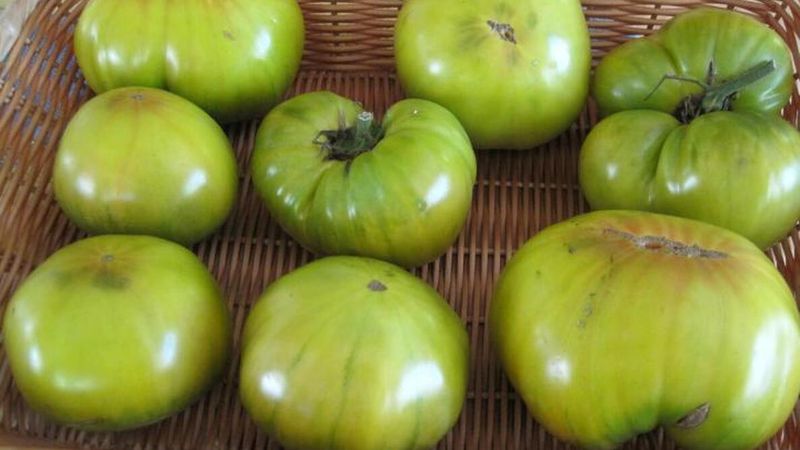
Sorting is where you save yourself the most disappointment. The best candidates are full-sized, mature-green tomatoes.
They often look glossy and pale or whitish green, and some show a light star or streak at the blossom end, the spot opposite the stem. University of Minnesota Extension describes this kind of fruit as the one most likely to ripen off the vine.
Fruit that has already started to blush pink or yellow is an even stronger pick. Those tomatoes have begun the change, so they have a better chance of finishing well.
Set them in your first group.
Now look for the long shots. Tomatoes that are uniformly dark green and dull or matte, especially small ones, may be too immature to ripen satisfactorily.
Colorado State University Extension notes that very green fruit may stay poor in quality even if it eventually softens.
Color is a helpful clue, not a promise. A pale, shiny tomato can still disappoint, and a dark one may surprise you.
Think of your sorting as improving the odds, then let the tomatoes show you what they can do.
Warmth matters more than sunlight
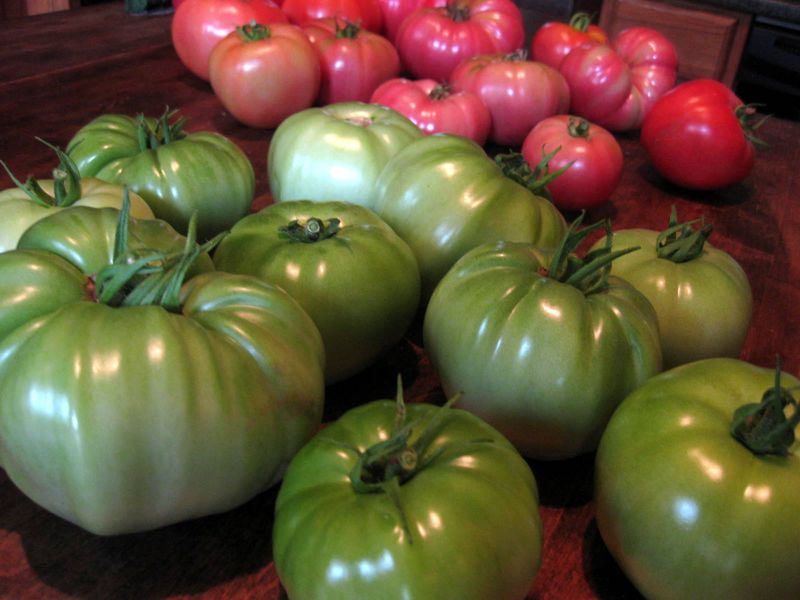
Here is a relief for anyone without a sunny windowsill: tomatoes do not need light to ripen indoors. What they want is warmth.
Colorado State University Extension points out that light is not required for the process.
Set up a shallow box, tray, or countertop spot and lay the tomatoes in a single layer. Leave a little space between them so air can move around each one.
Crowded fruit traps moisture, and that invites rot.
Temperature controls the pace. Guidance from Illinois Extension and Penn State Extension points to roughly 65 to 70°F for faster ripening, while cooler spots slow things down.
Neither is wrong, so choose based on how quickly you want the fruit.
Do keep ripening fruit away from temperatures below 50°F. A chilly garage or the refrigerator can stall ripening and hurt quality.
A spare room, a pantry shelf, or a kitchen corner usually works nicely.
Check the fruit every few days
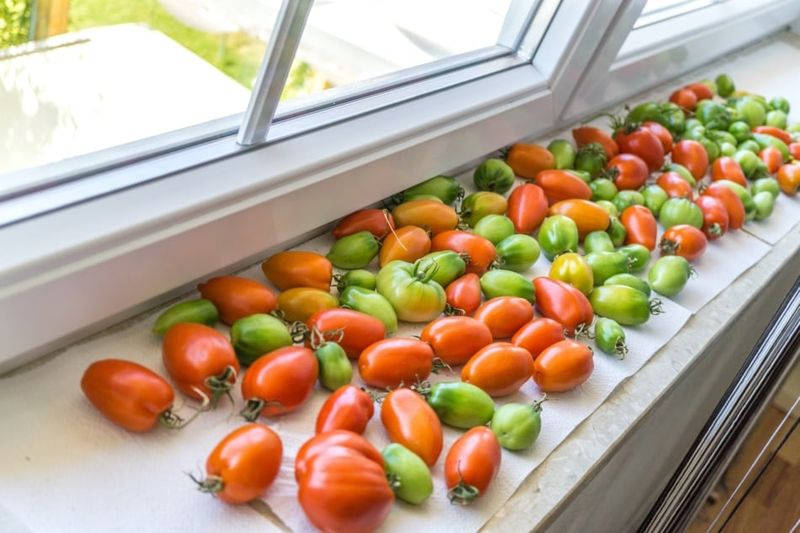
Once your tomatoes are settled, a quick look every few days keeps the batch healthy. Pick up each fruit and check for soft spots, mold, or wrinkles.
Colorado State University Extension advises removing tomatoes as they ripen or if they start to decay, which protects the rest of the tray.
Ripe fruit can go to the counter for eating, or into the fridge if you cannot use it right away. Toss anything that is clearly rotting.
One bad tomato can spoil its neighbors quickly.
There is an optional trick, too. Ripening tomatoes give off ethylene, a natural gas that UC Davis postharvest specialists describe as part of how tomatoes ripen, so a ripe or blushing tomato left among the others may nudge them along.
Think of it as a small boost, not a fix for fruit that was picked too green.
Also keep the air moving around the tray. University of Missouri Extension covers harvest and storage of vegetables, and good airflow is part of keeping stored produce in good shape.
Sorting through the batch takes only a minute, and it saves fruit you worked hard to grow.
Some green tomatoes are better used green

Some tomatoes will never make it to a rosy finish, and that is okay. Very immature fruit may stay hard, taste flat, or turn mealy even when it does change color.
Colorado State University Extension notes that quality can suffer with tomatoes that were picked too early.
Even the ones that ripen well may not taste like a tomato that finished on a healthy vine. University of Minnesota Extension says tomatoes ripened off the plant are generally lower in quality.
They are still handy for sandwiches, sauces, and soups when fresh garden fruit is long gone.
For the leftovers that stay stubbornly green, try recipes made for green tomatoes. Fried green tomatoes, green tomato salsa, relish, and chutney are classic choices.
Firm, fully sized fruit tends to work best, while tiny ones may not suit every dish.
Let the tomatoes tell you what they are ready for. Use the ones that soften and color up for fresh eating, and give the rest a new job in the kitchen.
Follow tested directions if you can green tomatoes
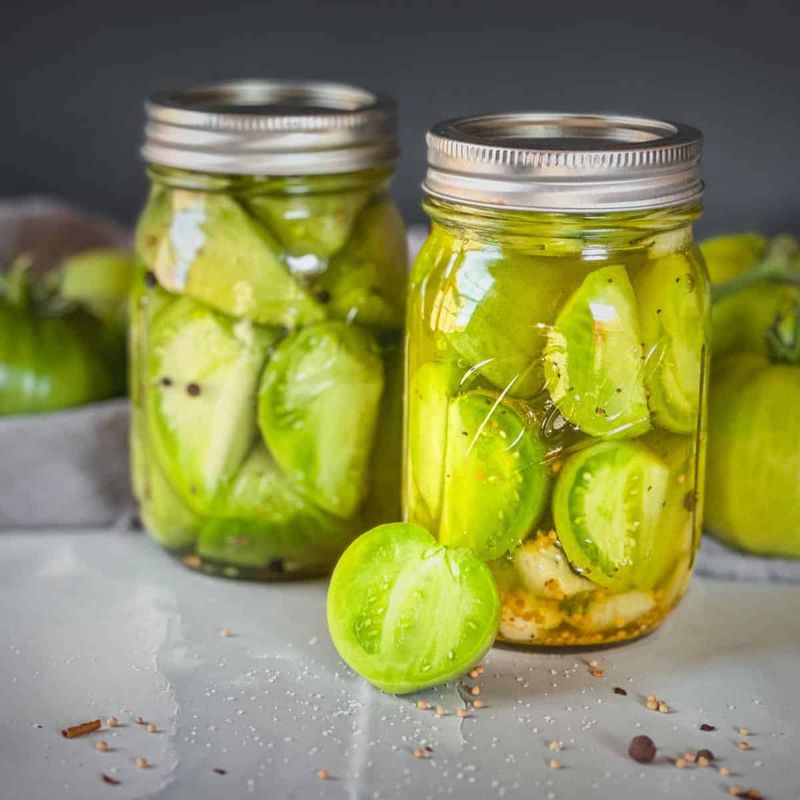
If you plan to can your green tomatoes, safety rules matter more than ever. Do not can tomatoes taken from dead or frost-killed vines.
University of Minnesota Extension also advises against canning damaged tomatoes.
Green tomatoes are not a shortcut. The National Center for Home Food Preservation says to follow a tested recipe, including its acidification directions, even for unripe tomatoes.
Skipping the added acid or improvising amounts can leave jars unsafe.
This warning is about canning only. It does not mean every tomato that met a chilly night is automatically unsafe to eat fresh.
Just cut away or discard fruit that looks damaged or decayed.
When in doubt, choose a recipe from a trusted, tested source and follow it exactly. Canning is one place where creativity belongs on the sidelines.
Save the fruit that is ready to finish
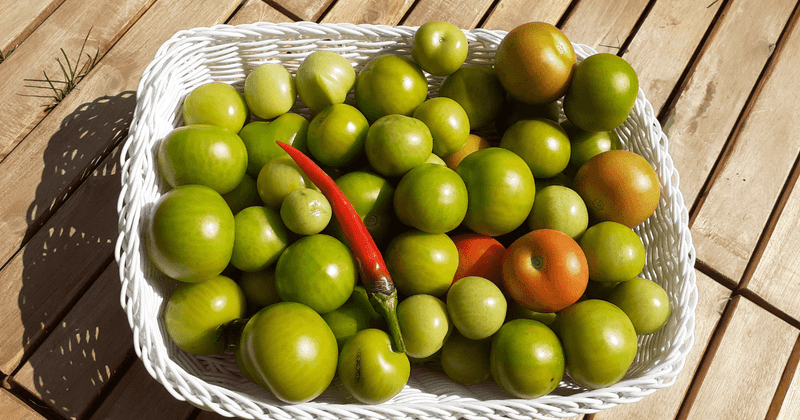
Pick before a killing frost, choose mature or blushing fruit first, and check your tray often. Tips from Colorado State and Alaska Fairbanks Extension back this routine.
It will not rescue every tomato, and that is fine. Saving part of the harvest still beats losing all of it to one cold night.