
Don’t Plant These Troublemakers Too Close To Your Tomatoes (They Quietly Wreck Your Harvest)
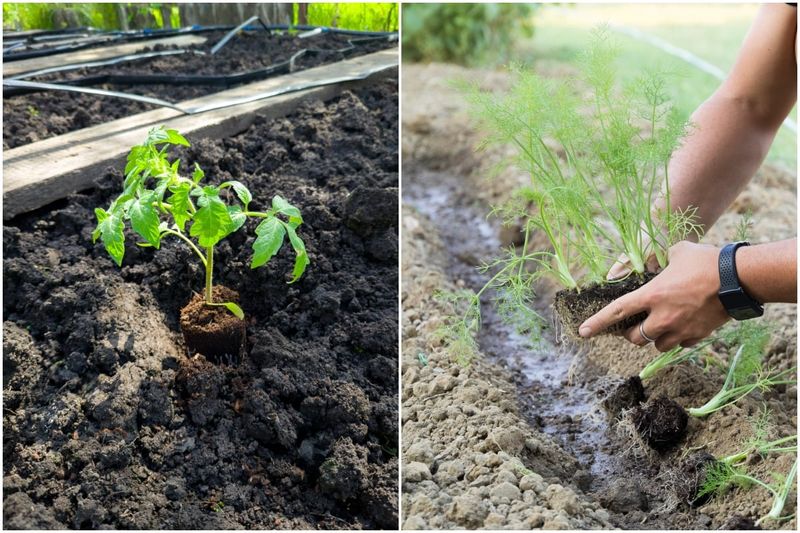
Your tomato plants work hard all summer, but the wrong neighbors can quietly sabotage them before you ever taste a ripe fruit. Some plants steal water and nutrients, others invite pests and disease, and a few release chemicals that stunt tomato roots without leaving an obvious clue.
Knowing which plants to keep at a distance can save your harvest and a lot of frustration. Here are eight troublemakers to plant far away from your tomatoes.
1. Brassicas (Cabbage, Broccoli, and Kale)
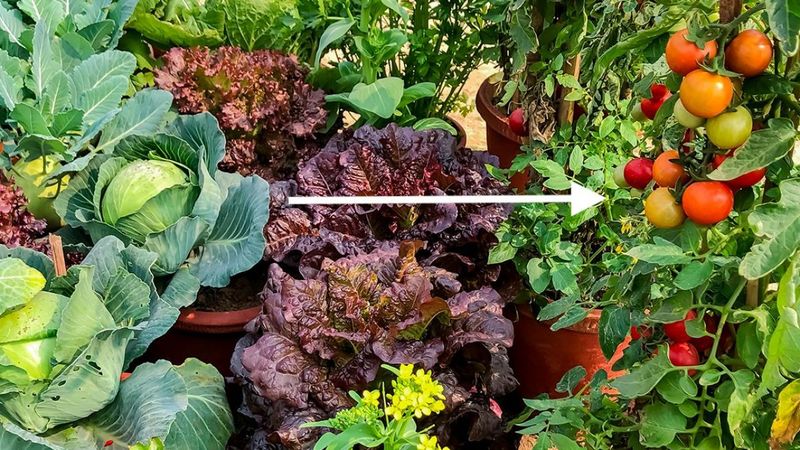
Picture two hungry eaters fighting over the same plate, and you have the tomato-and-cabbage problem in a nutshell. Brassicas like broccoli, cauliflower, and kale are heavy feeders that gulp down nitrogen and other nutrients at a fast clip.
When you tuck them next to your tomatoes, both plants end up short on the fuel they need. Your tomatoes may grow slower, set fewer flowers, and give you smaller fruit than you expected.
There is also a soil chemistry issue at play. Brassicas can change the balance of the surrounding soil in ways tomatoes simply do not enjoy, which may slow their growth even further.
Give this crowd their own bed a few feet away. Your tomatoes will have room to feed without a constant tug-of-war, and your cabbages will bulk up nicely on their own.
2. Fennel
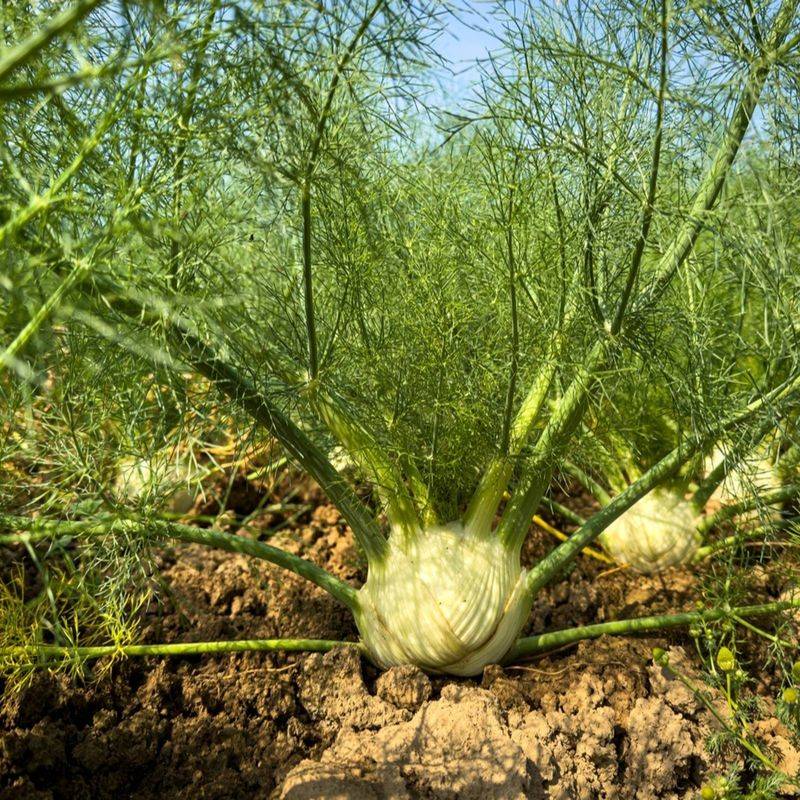
Fennel has a reputation among gardeners as the plant almost nobody wants as a neighbor, and tomatoes are no exception. Its roots release chemicals into the soil that can slow or stunt the growth of nearby plants, a sneaky trick known as allelopathy.
What makes fennel especially frustrating is how quietly it works. You will not see it attacking your tomatoes, but you may notice weaker stems, sluggish growth, and a disappointing harvest with no obvious cause.
Because of this, fennel is best kept off in its own corner or grown in a separate container far from your other crops. That way its licorice-scented fronds can flavor your kitchen without hurting anything.
If you love fennel, do not give it up. Just treat it like the loner it is and let your tomatoes flourish somewhere else.
3. Potatoes
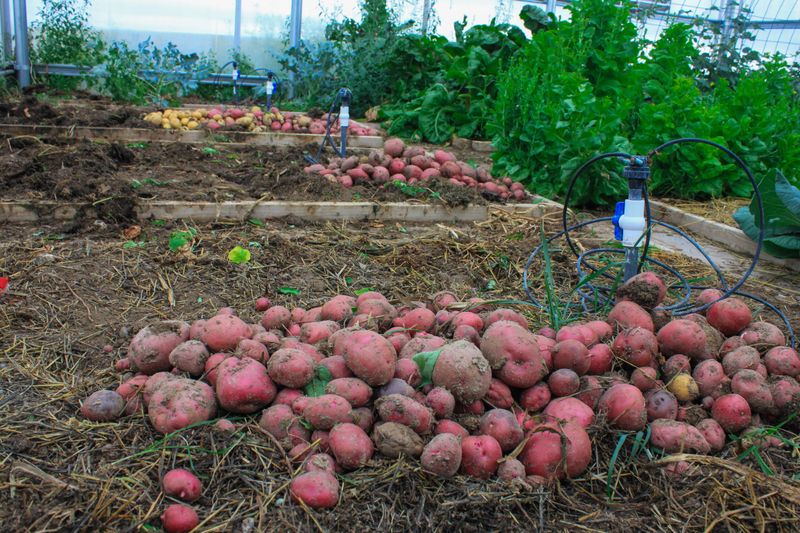
Cousins do not always make good neighbors, and tomatoes and potatoes are close relatives in the nightshade family. Because they share so much DNA, they also share the same enemies, including the dreaded blight that can wipe out both crops in a matter of days.
When you plant them side by side, a disease that lands on one can spread straight to the other. Early blight and late blight both love this setup, and a single infected plant can take down your whole patch.
Digging up potatoes is another hidden danger. As you turn the soil to harvest tubers, you can nick tomato roots and expose them to fungus lurking underground.
Keep these two apart by a good stretch of garden, and rotate where you plant them each year. A little distance goes a long way toward keeping blight from hopping between them.
4. Corn

Towering corn stalks look impressive, but for tomatoes they can turn into a wall of trouble. As corn shoots up, it throws long shadows over shorter plants, and tomatoes need plenty of sun to ripen sweet and red.
Shade is not the only issue. Corn and tomatoes are both targets of the corn earworm, which is the very same pest known as the tomato fruitworm.
Plant them together and you basically roll out a buffet for it.
These pests chew into ears of corn and burrow into tomato fruit, ruining both at once. A shared bed makes it easy for them to move from one crop to the next without missing a meal.
Plant corn on the north side of the garden or in a separate block so it does not steal light or attract trouble. Your tomatoes will soak up the sun they crave and dodge a hungry visitor.
5. Dill (Once It Matures)
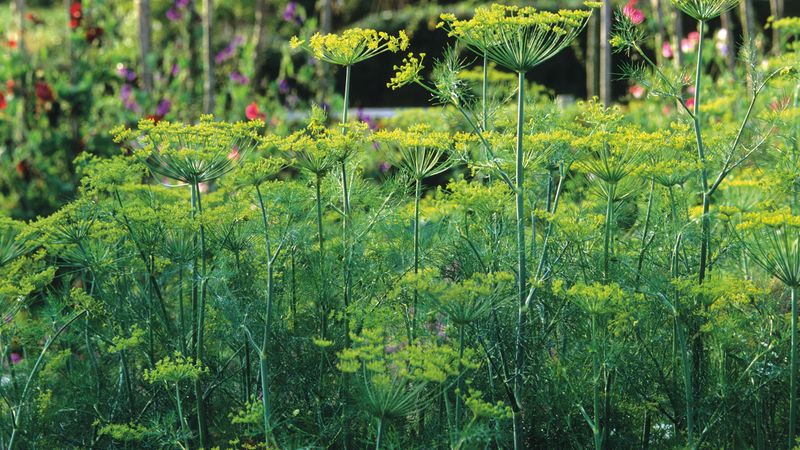
Here is a plant with a split personality. Young dill can actually help tomatoes by attracting helpful insects, but let it grow up and flower, and the friendship falls apart fast.
Mature dill releases compounds that can stunt tomato growth and interfere with how they develop. What started as a good buddy quietly becomes a drag on your plants once it bolts.
The tricky part is timing. Gardeners plant dill for its early benefits, forget about it, and then wonder why their tomatoes look tired later in the season.
If you want dill in the garden, harvest it young and pull it before it flowers, or grow it in a pot set well away from your tomato rows. That keeps the good side of dill without letting the troublemaker show up.
6. Walnut Trees (Especially Black Walnut)
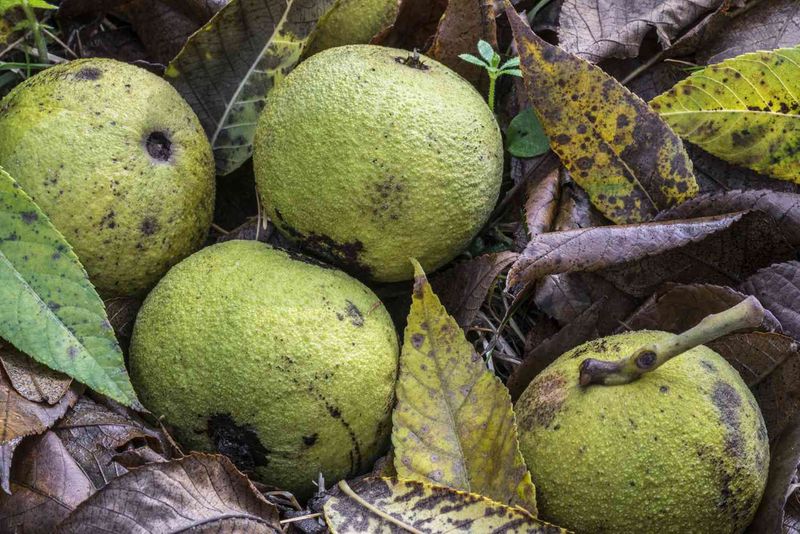
Few garden neighbors are as sneaky as the black walnut tree. It produces a natural chemical called juglone that seeps out of its roots, leaves, and hulls, poisoning the soil for many plants around it.
Tomatoes are especially sensitive to juglone. Plants growing within the reach of a walnut’s roots can suddenly wilt, yellow, and die even when you water and feed them perfectly.
What makes this one so maddening is that the tree can be dozens of feet away and still cause harm. The roots spread wide, and the toxin can linger in the soil long after fallen leaves and nuts break down.
Plant your tomatoes far from any walnut, ideally in raised beds with fresh soil if a tree looms nearby. When a healthy plant mysteriously collapses, a hidden walnut is often the culprit.
7. Peppers
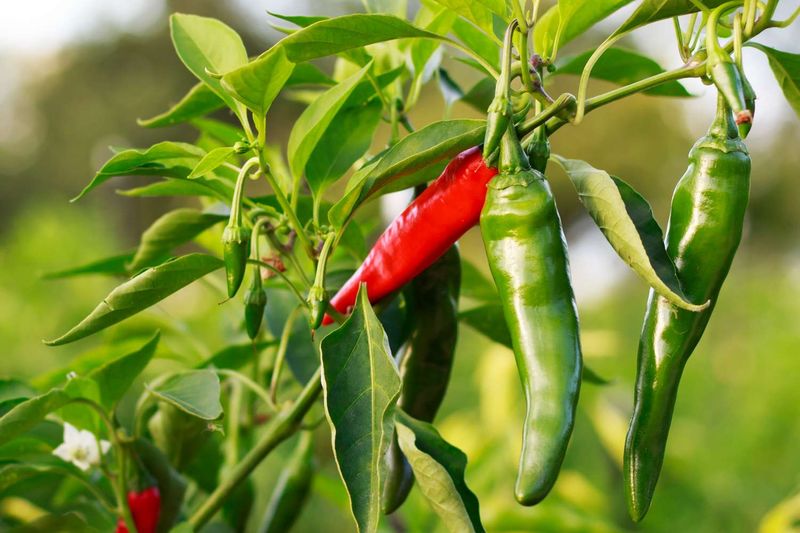
It seems natural to plant peppers and tomatoes together since they end up in the same salsa bowl. The problem is that they belong to the same nightshade family and catch the same diseases with ease.
Both are prey to blights, bacterial spot, and mosaic viruses. Set them side by side and an outbreak in one can sweep through the other before you notice anything is wrong.
They also compete for the exact same nutrients since their needs overlap so closely. When they grow shoulder to shoulder, neither gets everything it wants from the soil.
If space is tight, at least rotate their spots from year to year and avoid crowding them in one bed. A bit of breathing room helps both plants stay stronger and less likely to share an illness.
8. Mint
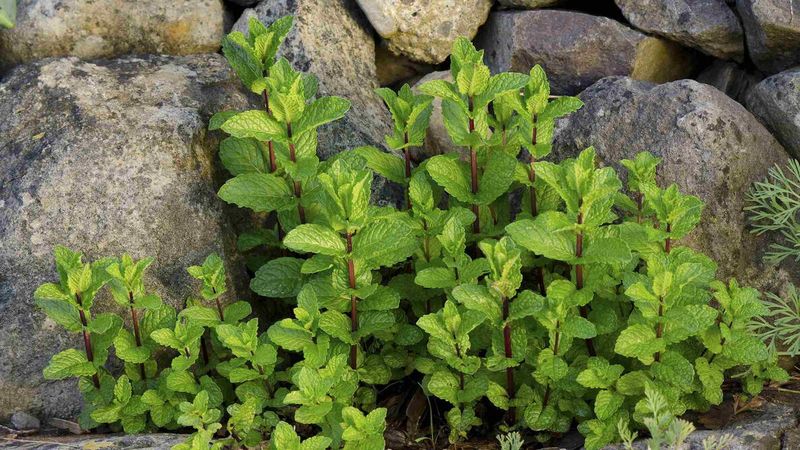
Mint smells wonderful and makes great tea, but in the garden it behaves like a bully that never stops growing. Its roots spread underground in fast-running runners that pop up everywhere and choke out nearby plants.
Turn your back for a few weeks and mint will muscle into your tomato patch, stealing water, nutrients, and root space. Your tomatoes end up crowded and hungry while the mint keeps marching on.
Pulling it out rarely works, since even a small piece of leftover root can sprout a whole new plant. Once it takes over a bed, evicting it becomes a serious chore.
The safe move is to keep mint locked in a pot or a buried container so its roots cannot escape. Enjoy the fresh sprigs in your kitchen while your tomatoes grow in peace.