
Don’t Rake Those Acorns Into The Trash – 9 Ways Your Yard Actually Puts Them To Work
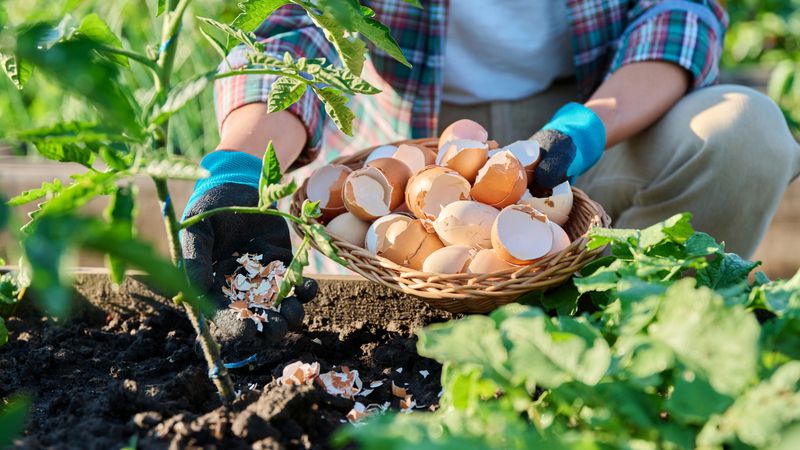
Every fall, oak trees drop thousands of acorns, and most of us sweep them into trash bags without a second thought. That pile is actually free mulch, compost fuel, wildlife food, and even future shade trees.
Once you know a few simple tricks, those crunchy little nuts can help your blueberries, azaleas, tomatoes, and raised beds. Here are nine ways to put them to work before they hit the curb.
1. Crushed Acorn Mulch
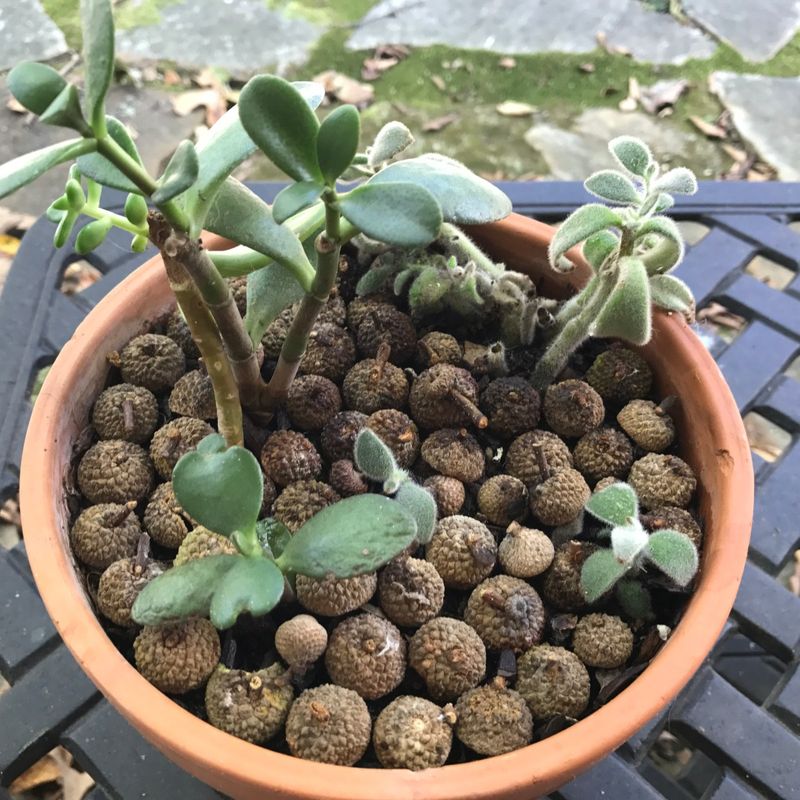
Picture a free bag of mulch landing on your lawn every October. That is basically what a busy oak tree hands you.
Crushed acorns spread around plants can help soil hold moisture and may slow down weeds.
The key word is crushed. Whole acorns roll around, attract squirrels, and break down slowly, so run them over with a mower or stomp them inside a feed sack first.
Broken pieces settle into a neat layer and start releasing nutrients as they decay.
Acorns carry tannins, which can nudge soil toward the acidic side over time. Blueberries and many fruit trees tend to enjoy that, but go light around fussy plants.
A thin layer, an inch or so, is plenty.
2. Carbon Boost for Your Compost Pile
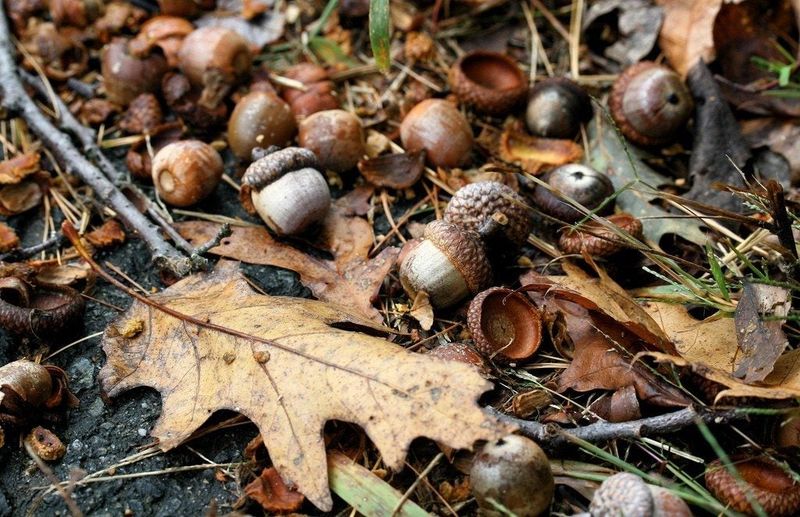
Compost piles get grumpy when they have too many grass clippings and kitchen scraps. They turn slimy and smelly.
Acorns fix that by adding carbon, the brown ingredient that balances all those greens.
Whole acorns, though, can sit in a bin for years like tiny stubborn rocks. Crack or grind them before tossing them in.
A mulching mower, a hammer, or even driving over a tarp-covered pile in the driveway does the job.
Worried about tannins ending up in the vegetable patch? Soak the crushed acorns in a bucket of water for a day or two, then dump the brown water away from your plants.
That simple step leaches out some of the bitterness before the acorns join the mix.
3. A Winter Buffet for Wildlife

Blue jays have planted more oak forests than any forester ever has. They bury acorns by the hundreds and forget plenty of them.
Your yard can join that old partnership.
Acorns are loaded with fats, carbs, and protein, which helps squirrels, chipmunks, woodpeckers, deer, and wild turkeys fatten up before cold weather. Instead of bagging them, scoop them into a back corner or a brushy, naturalized spot away from the house.
Keep that feeding zone well away from garden beds and the foundation. A huge pile near your porch can invite mice and rats, which is not the kind of visitor anyone wants.
Distance keeps the wild guests happy and your tomato beds safe.
4. Slow, Gentle Soil Acidifier
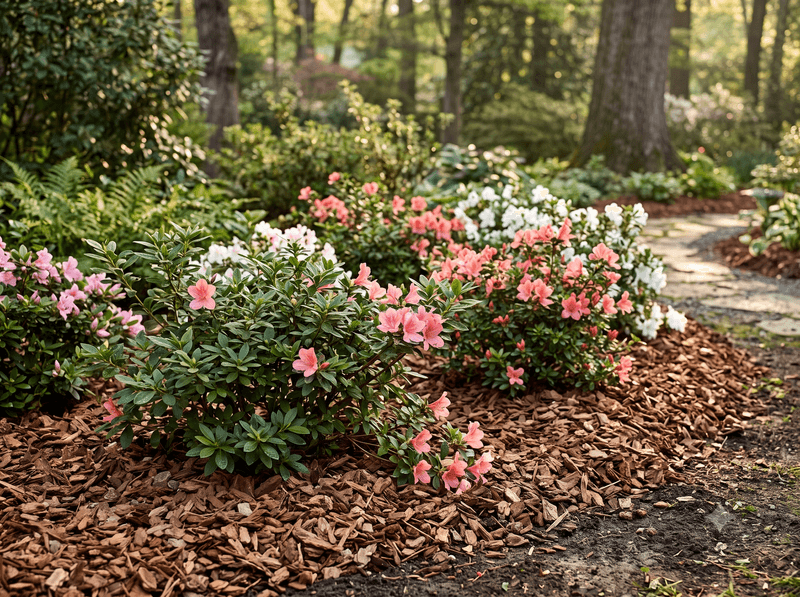
Ever notice how azaleas seem to thrive under oak trees in old neighborhoods? Part of that story is the steady trickle of tannins from leaves and acorns dropping year after year.
If your yard leans alkaline, working acorn bits into beds around azaleas, rhododendrons, and blueberries may help lower pH a little. Hydrangea fans in particular watch soil acidity, since it can shift some bloom colors toward blue.
Patience is the price here. Real pH change from acorns happens slowly, often over many seasons, and depends on your soil and rainfall.
Treat it as a bonus, and use a cheap soil test if you need faster, measurable results.
5. Prickly Slug and Snail Barrier
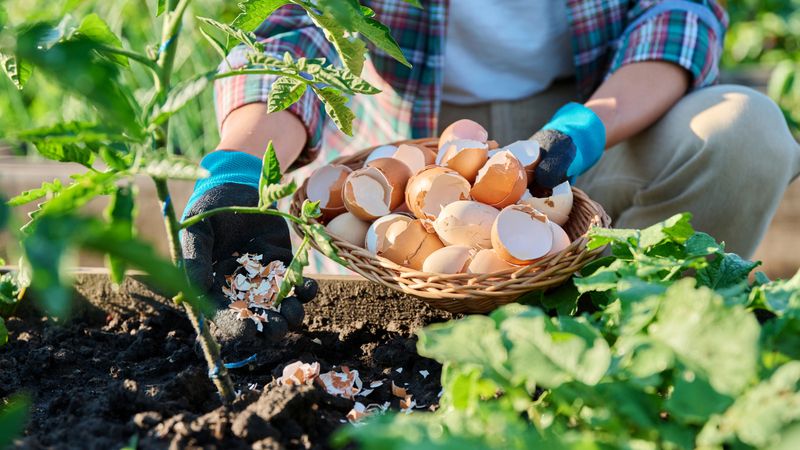
Slugs hate rough roads. Their soft, slimy bodies avoid scratchy surfaces, and crushed acorn shells make a surprisingly jagged path.
Sprinkle a ring of broken shells and spiky caps around hostas, lettuce, petunias, or young tomato transplants. The sharp edges may help discourage slugs and snails from crawling up to munch on leaves.
It will not stop every hungry slug, especially after a heavy rain softens things. Still, it costs nothing, uses no chemicals, and pairs nicely with hand-picking at dusk.
Refresh the ring every few weeks so it stays crunchy.
6. Free Baby Oak Trees
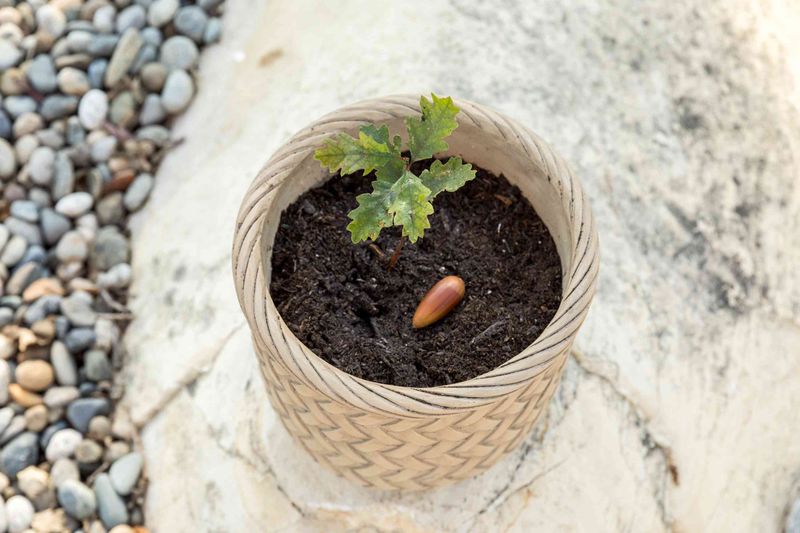
Every mighty oak once rolled across someone’s lawn. Growing your own is easier than most people think, and it is a fun project with kids.
Only about a third of acorns are healthy enough to sprout, so plant several times more than you want. Drop them in a bucket of water first and toss the floaters, which are usually duds.
Bury the keepers about 2 to 3 inches deep in pots or a protected spot.
Red oak acorns usually need a cold winter rest before they wake up, so leave them outdoors or tuck them in the fridge for a few months. White oak acorns often sprout right away.
Fun fact: forgotten acorns in flower beds will sprout too, so pull those surprise seedlings early.
7. Homemade Potting Mix Ingredient
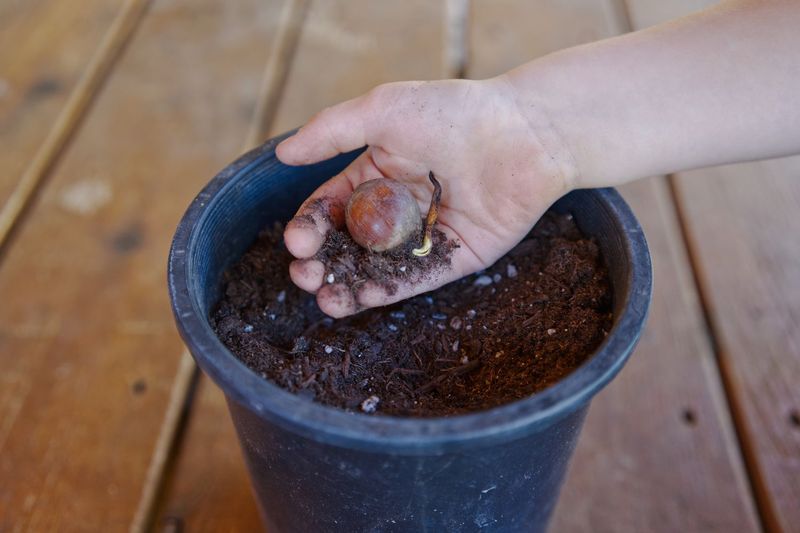
Got a mulching mower? Then you already own an acorn grinder.
Set the blade a bit high, run it over piles of acorns, and let the bagger scoop up the chopped bits.
That coarse, dirt-like material can be aged in a pile or bin for a season, then mixed into homemade potting soil. It adds organic matter and helps loosen heavy mixes.
Keep it to a small share of the blend, roughly a quarter or less.
Fresh ground acorns can be a bit rich in tannins for seedlings, so let them mellow first. By spring, that rough mash turns into something your geraniums and container herbs can happily root into.
8. Rustic Porch and Home Decor
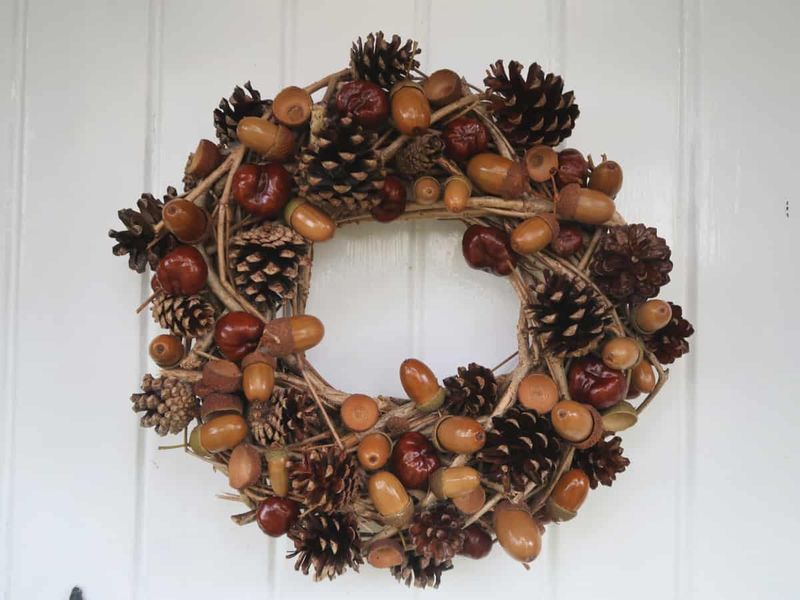
Grandma’s fall centerpiece probably had a bowl of acorns in it, and for good reason. They are charming, sturdy, and completely free.
Glue them onto wreaths, string them into garlands, or fill a glass jar for the porch table. Kids love painting the caps in bright colors for simple ornaments.
Before anything comes indoors, bake the acorns on a sheet pan at about 200 degrees F for 2 to 3 hours. That dries them out and kills hidden weevil larvae, so you do not find tiny worms crawling across the mantel in November.
9. Raised Bed Filler With Hugelkultur
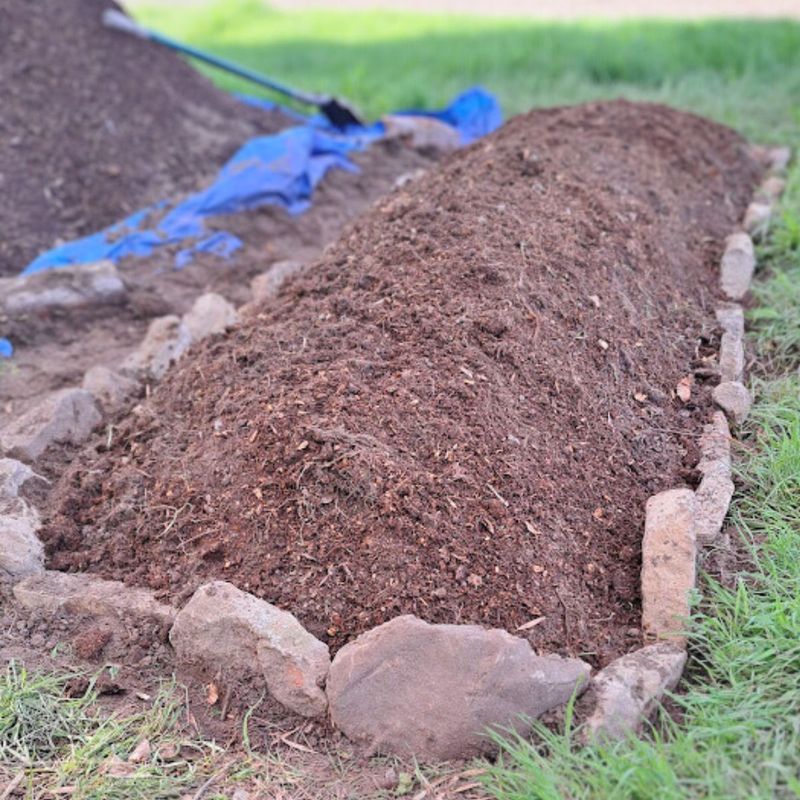
Filling a tall raised bed with bagged soil can cost a small fortune. Hugelkultur, an old German method, fills the bottom with logs, sticks, and leaves that rot slowly and feed the bed for years.
Acorns slip right into the gaps between those bigger pieces. Crush them first so they break down faster, then layer them with leaves and grass clippings before topping with a good layer of soil.
As everything decays, the bed gains nutrients and holds water better, which tomatoes and peppers appreciate in hot summers. Expect the soil to settle a few inches the first year, so add a fresh top layer next spring.