
Dwarf Yaupon Holly in a Pot: A Possible Evergreen Choice for North Carolina Entries Outside Defensible Space
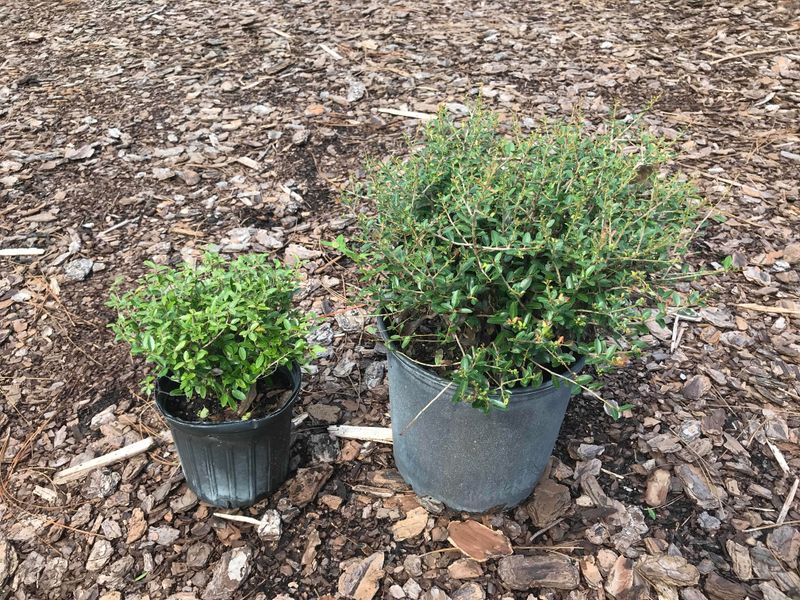
A pot of green at the door can make a yard feel finished, even in the dead of winter. Dwarf yaupon holly is an evergreen shrub that many North Carolina gardeners consider for this job.
It has real strengths, but it also comes with limits on size, winter care, and fire safety. Here is how to decide if it fits your spot.
Dwarf yaupon holly is a conditional evergreen choice
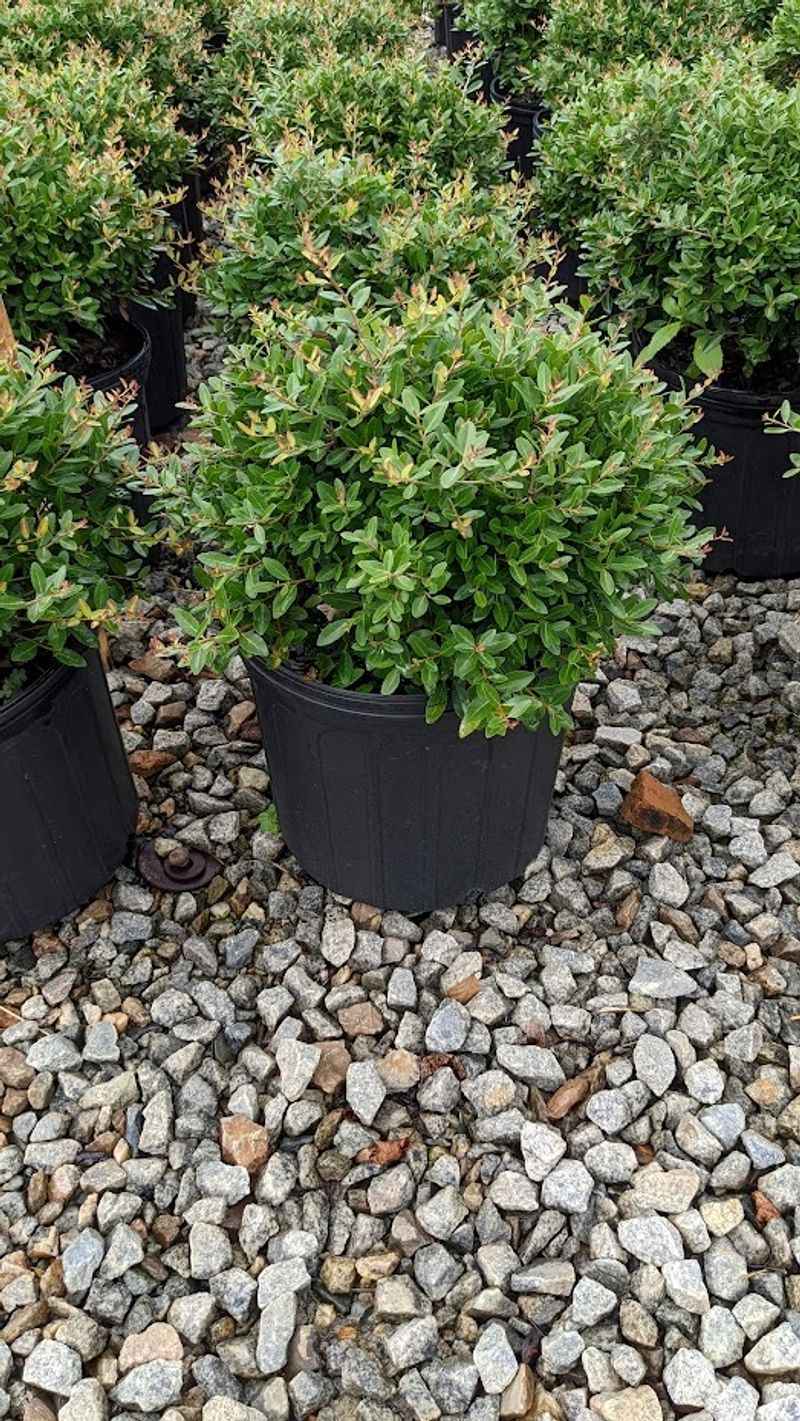
Picture a small-leaved, rounded shrub that stays green while the maples around it go bare. That is dwarf yaupon holly (Ilex vomitoria ‘Dwarf’, also sold as ‘Nana’).
NC State Extension describes it as an evergreen, compact shrub that grows in full sun or partial shade.
The same profile lists resistance to drought, salt spray, and deer browsing. Those traits make it a promising candidate for gardeners on the coast who deal with salty wind, or for anyone tired of deer nibbling their pots.
Still, resistance is not the same as indestructible, and the plant will still want sensible watering and attention.
Keeping its leaves all year also does not mean a potted plant will look its best in every season. A shrub in a container faces more swings in root temperature and moisture than one planted in the ground.
NC State’s container gardening guidance points out that potted roots are less insulated, which matters during cold snaps.
Three questions decide whether this plant belongs at your entry. How big will it get, how will you protect it in winter, and is the spot safe from a fire standpoint?
The next sections take each one in turn, so you can decide with clear eyes rather than a nursery tag alone.
‘Dwarf’ still means a substantial shrub
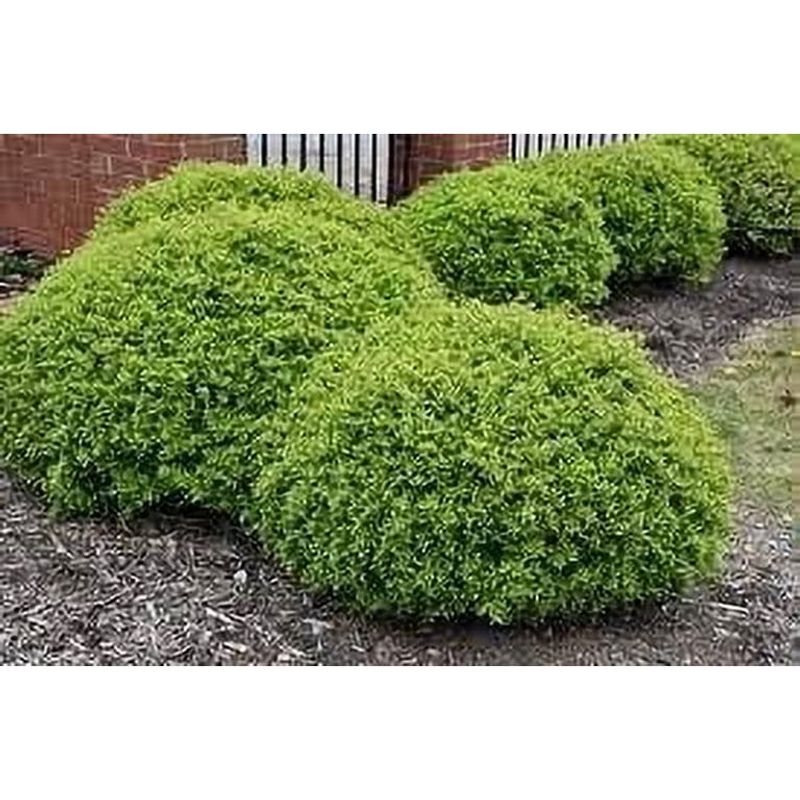
The word dwarf can be misleading. NC State lists the mature size at about 3 to 5 feet tall and 3 to 6 feet wide.
That is a full-sized shrub, not a tabletop plant.
A young plant in a 3-gallon nursery pot looks tidy, but give it a few seasons and it will fill a much bigger container. Measure your entry before you buy.
Leave room for the plant to spread, and expect to prune now and then, since dwarf does not mean maintenance-free.
Labels add another wrinkle. ‘Dwarf’ (also called ‘Nana’) is not the same cultivar as ‘Schilling’s Dwarf’, which is also called ‘Stokes Dwarf’. NC State notes that nurseries have sometimes mixed these names up.
The two even differ in sex. The original ‘Dwarf’ is identified as female, while ‘Schilling’s Dwarf’ is male.
Read the tag, ask the nursery which cultivar you are getting, and check the expected mature size instead of assuming everything sold as dwarf yaupon is interchangeable.
Choose a roomy pot with good drainage
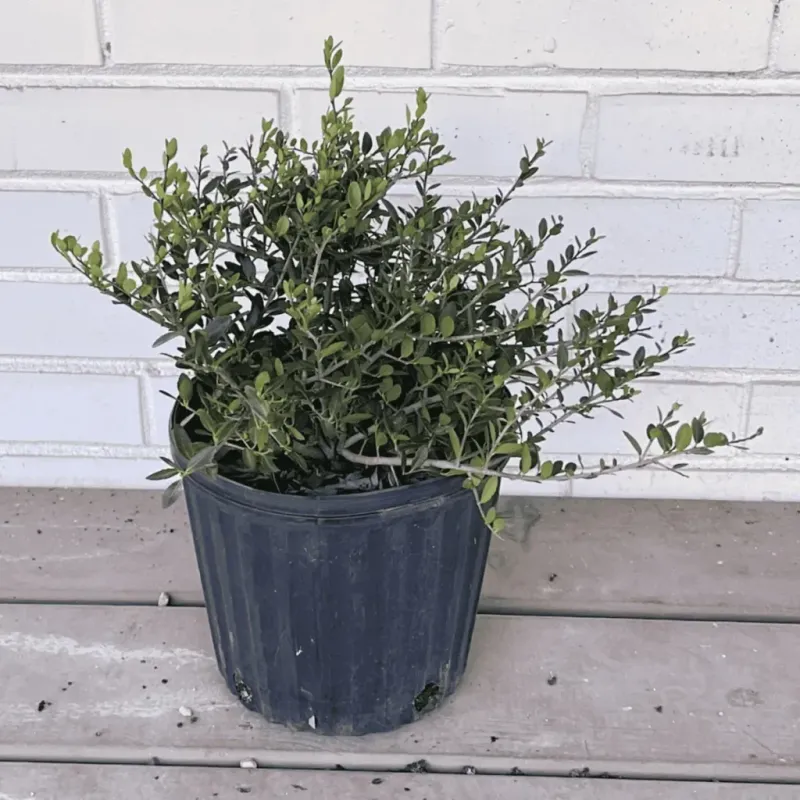
Start with the hole in the bottom. Dwarf yaupon likes well-drained soil, and NC State warns that waterlogged roots can develop root rot.
Pick a container with drainage holes and fill it with a potting mix that lets extra water escape.
Size matters too. The Extension Gardener Handbook notes that larger pots dry out less quickly than small ones.
A roomy container gives the roots a steadier environment and means fewer rescue waterings in July.
Color is worth a thought as well. Dark pots sitting in full sun can heat the root zone and dry the mix faster.
A lighter-colored pot, or one placed where it gets some afternoon relief, can ease that stress.
The plant itself takes full sun or partial shade, so you have some freedom with placement. Before watering, push a finger a couple of inches into the mix.
If it feels damp, wait, because soggy roots are a bigger risk than a slightly dry pot.
North Carolina location changes the native-plant story
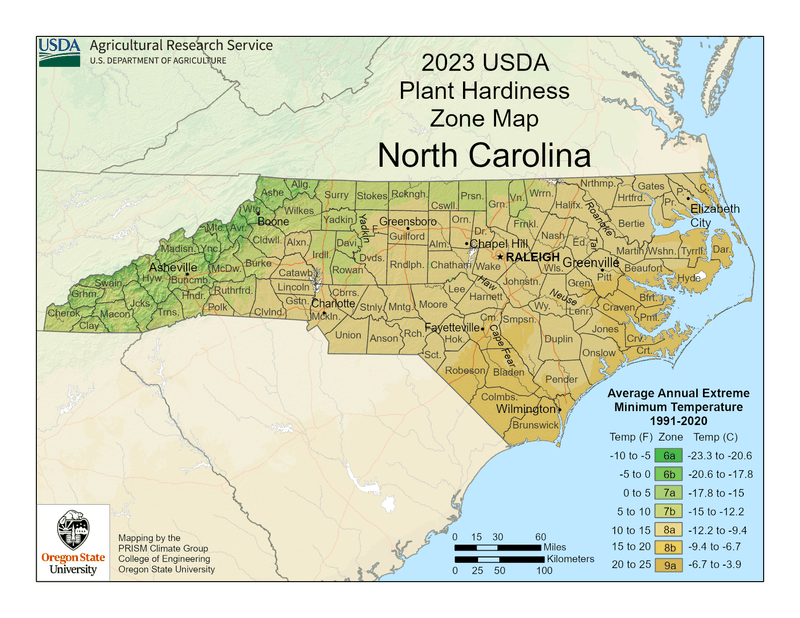
Yaupon is a native, but not everywhere in the state. NC State’s species profile lists it as native in the Coastal Plain and Piedmont, and it does not list the Mountains.
Gardeners in the high country should not assume it belongs in their landscape the same way.
The dwarf cultivar’s profile lists hardiness zones 7a to 9b. You can look up the zone for your own address on the USDA Plant Hardiness Zone Map.
Here is the catch. The map reflects average annual extreme minimum temperatures, not what a pot does to a root ball.
A zone number tells you about the air, while roots in a container sit exposed on all sides.
So a Piedmont or coastal gardener may be well within the range, and a mountain gardener may be pushing it. Either way, treat the zone as a starting point, not a promise.
Protect container roots during cold spells
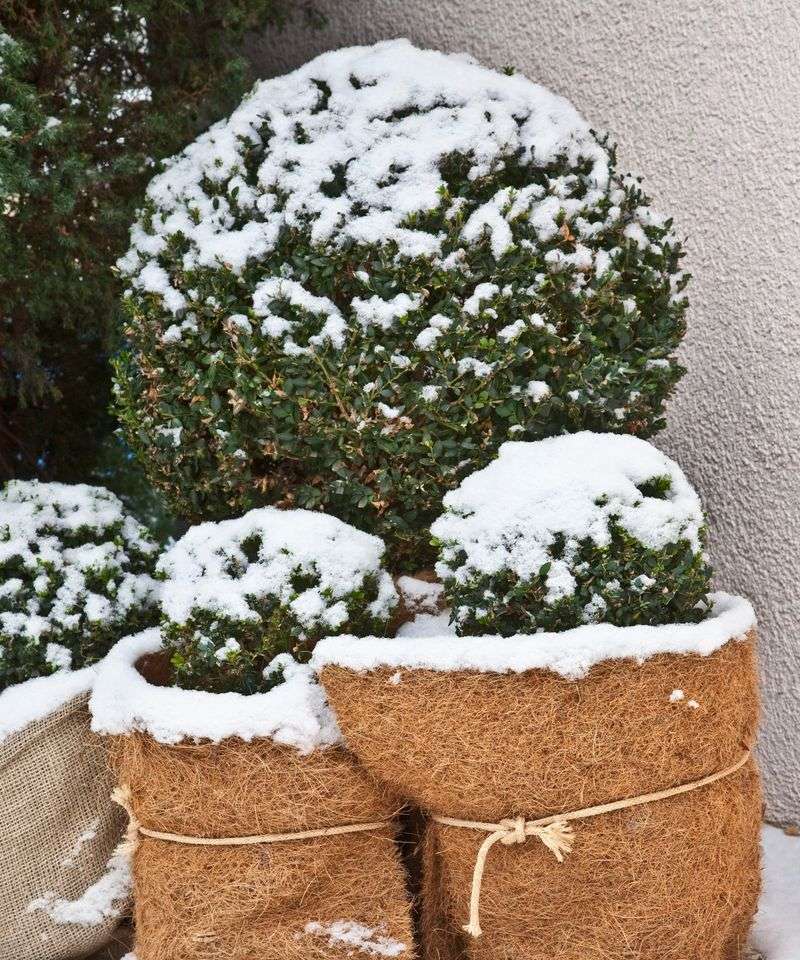
In the ground, soil wraps around roots and cushions them from sudden drops. In a pot, cold reaches the roots from every side.
NC State’s container guidance says container-grown plants may need more protection than a hardiness map suggests.
When a hard freeze is coming, move the pot to a sheltered spot, such as against a protected wall or into an unheated garage. If moving it is not possible, insulate the container.
Wrapping the pot or grouping it with others can help buffer the roots.
Do not forget water. Check the potting mix, and water when it is dry and temperatures are above freezing.
Evergreen leaves keep losing moisture in winter, so a bone-dry pot can cause trouble even in the cold.
NC State’s winter preparation advice for nursery plants offers more background on getting container plants ready. These steps may be needed in some years and not others, and they cannot guarantee survival through every freeze.
Watch the forecast and keep a plan handy.
Check fire safety before choosing an entry location

This is the biggest qualifier of all. NC State gives dwarf yaupon a high flammability rating and advises against planting it within a home’s defensible space.
Defensible space is the buffer around a house that is kept free of fuel that could carry fire to the walls.
Putting the shrub in a pot does not erase that concern. A container beside the front door is still right against the house.
If your entry falls within defensible space, this is not the plant for that spot.
Take a walk around your property and ask where that zone begins. This matters most in wooded or fire-prone settings, but it is smart to check wherever you live.
If the doorstep is inside the zone, look for a different location farther from the house, or choose a different plant.
Dwarf yaupon can still be a fine shrub in the right place. It is just not an automatic front-porch pick, and the safest choice is the one that keeps fire risk low.
Expect flowers, but do not count on berries
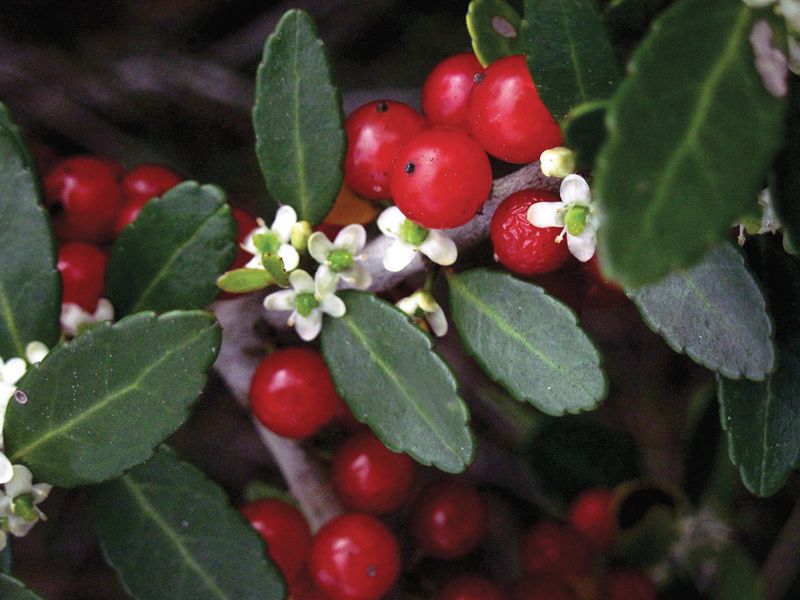
Spring brings small blooms that bees visit. NC State notes that yaupon flowers attract bees, so a potted plant can offer a little something for pollinators near your door.
Berries are another story. The ‘Dwarf’ cultivar produces fruit infrequently, so it is not a good pick if red berries are your goal.
Do not buy it expecting a winter feast for birds.
Yaupon plants are also either male or female. Only females can bear fruit, and they usually need a male nearby for pollination.
One dwarf plant on its own should not be expected to produce berries.
Treat the flowers as a modest bonus, and appreciate the plant mainly for its evergreen leaves and tidy shape. If wildlife value is your top priority, plan around that goal separately, and keep your expectations for this particular cultivar realistic.
Match the plant to the site before buying
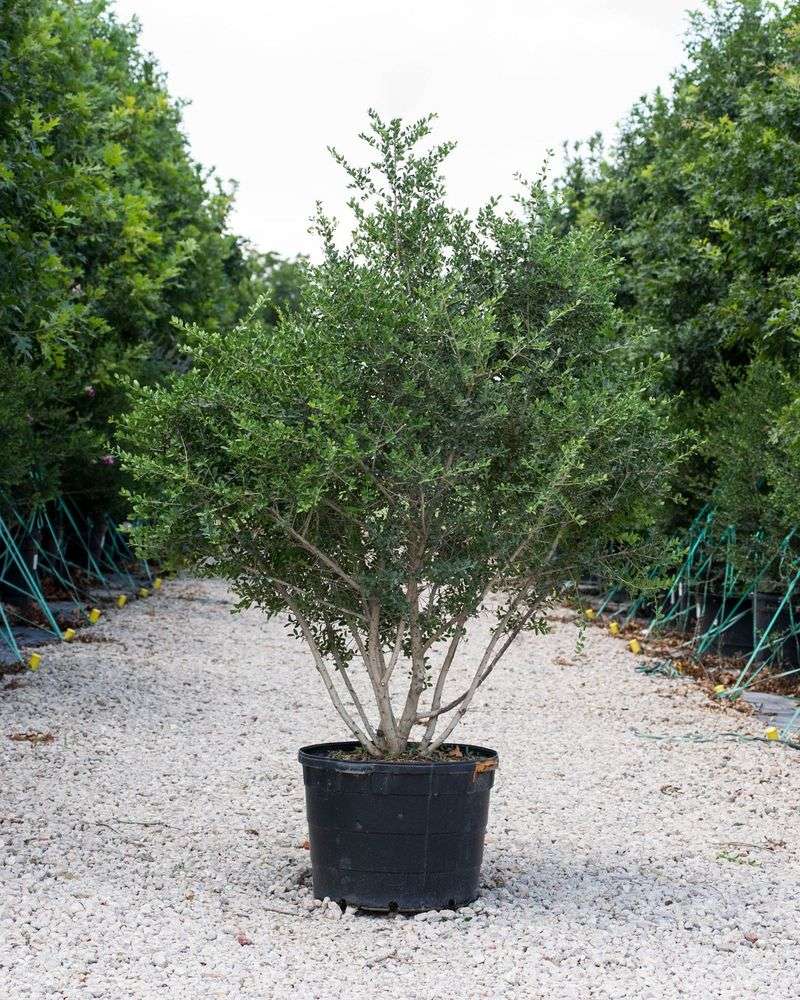
Dwarf yaupon makes sense when the pieces line up. You have room for a shrub that reaches several feet, a pot with good drainage, a location in its regional range, a plan for winter cold, and a spot outside defensible space.
Before you buy, confirm the cultivar on the label and the mature size NC State lists. Then review the container care basics so you are ready for the first cold snap.
A good plant in the wrong place is still the wrong plant, so let the site decide.