
Fall Is The Best Time To Plant These North Carolina Natives That Smother Weeds Under Your Shade Trees
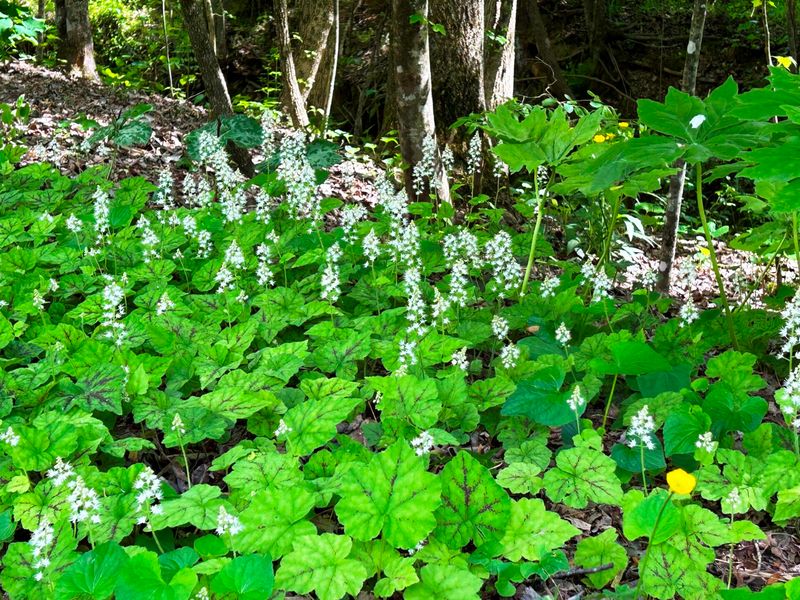
That bare, weedy dirt under your shade trees does not have to stay that way. Fall is actually the perfect time to tuck in North Carolina native groundcovers, because cooler air and steady rain help their roots settle before summer heat hits.
These tough little plants spread into a living carpet that chokes out weeds and gives back to box turtles, bees, and butterflies. Here are eight NC natives that do the heavy lifting for you.
1. Allegheny Spurge (Pachysandra procumbens)
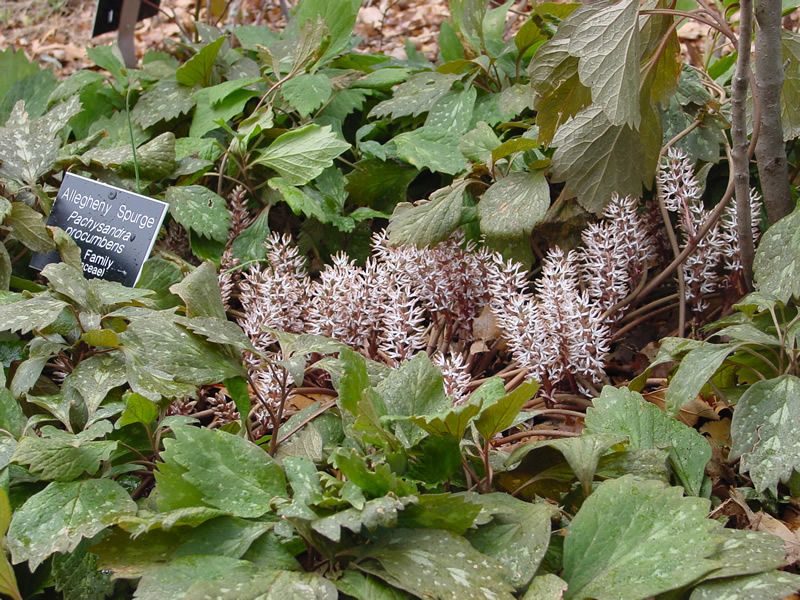
If you have ever been tempted by the invasive Japanese pachysandra at a big-box store, meet its far better-behaved cousin. Allegheny spurge is the native version, and it earns its spot by giving you dense, year-round cover without ever plotting to take over the neighborhood.
The leaves carry a soft mottled pattern that looks almost hand-painted, and they hold their color through winter. Because it grows slowly and knits together tightly, weed seeds simply cannot find a gap to sprout.
It shrugs off deep shade and even handles the less-acidic soils that trip up other plants. In late winter, before much else is awake, it pushes out fragrant white flowers that smell wonderful on a mild day.
Plant it this fall and you are swapping a problem plant for a native that pulls its weight under your trees.
2. Wild Ginger (Asarum canadense)
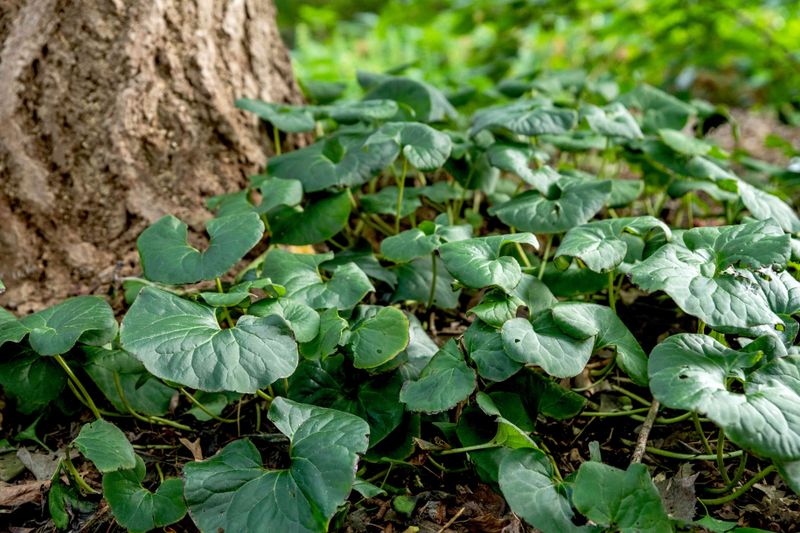
Few groundcovers put on a show quite like wild ginger, with its broad, heart-shaped leaves overlapping into a solid green blanket. Once that mat fills in, sunlight never touches the soil below, so weed seeds stay stuck in the dark where they belong.
It likes part to full shade and steady moisture, making it a natural fit for those damp, tricky spots near tree roots. There is a wildlife bonus too: it serves as a larval host for the pipevine swallowtail butterfly and offers cool shelter that box turtles love to rest under.
Want an evergreen twist? Our native Hexastylis heartleaf gingers stay green through winter and bring the same weed-smothering habit.
Either way, you are building a patch of woodland floor that feels genuinely North Carolinian.
3. Green-and-Gold (Chrysogonum virginianum)
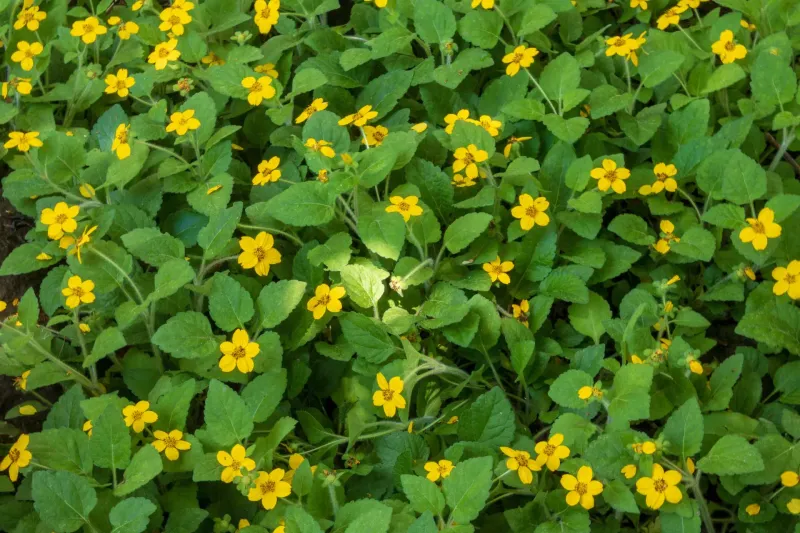
Cheerful little yellow stars scattered across low green foliage give green-and-gold instant curb appeal, but its real value is how it works while you relax. It spreads into an evergreen mat that keeps the ground covered and the weeds frustrated.
Deer tend to walk right past it, which is a gift if hungry visitors treat your yard like a salad bar. Meanwhile, its blooms roll out a welcome mat for native pollinators looking for an easy meal.
It is happiest in part sun to part shade and does not fuss over average to dry soil, so those slightly drier edges under your trees suit it fine. Tuck it in this fall and let it settle before the busy spring bloom season arrives.
4. Creeping Phlox (Phlox stolonifera)
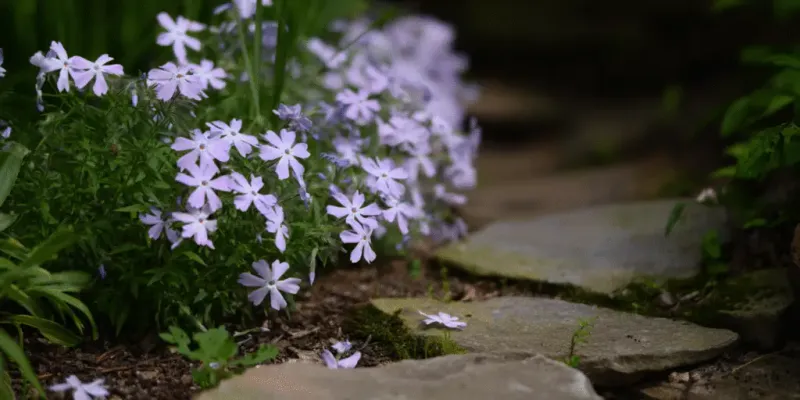
Come early spring, creeping phlox lights up the shady floor with a wash of pink and lavender right when hungry pollinators need it most. Those early blooms feed bees, butterflies, and even hummingbirds during that lean stretch when other nectar is hard to find.
Across the Piedmont and mountain regions, this species spreads eagerly through dappled shade, weaving a low mat that leaves weeds little room to move in. It even tolerates light foot traffic, so a stray step off the path will not undo your work.
Plant it in fall and the roots get a head start, setting the stage for that generous spring flower display. It is proof that a weed-smothering groundcover can also be one of the prettiest things in your yard.
5. Foamflower (Tiarella cordifolia)
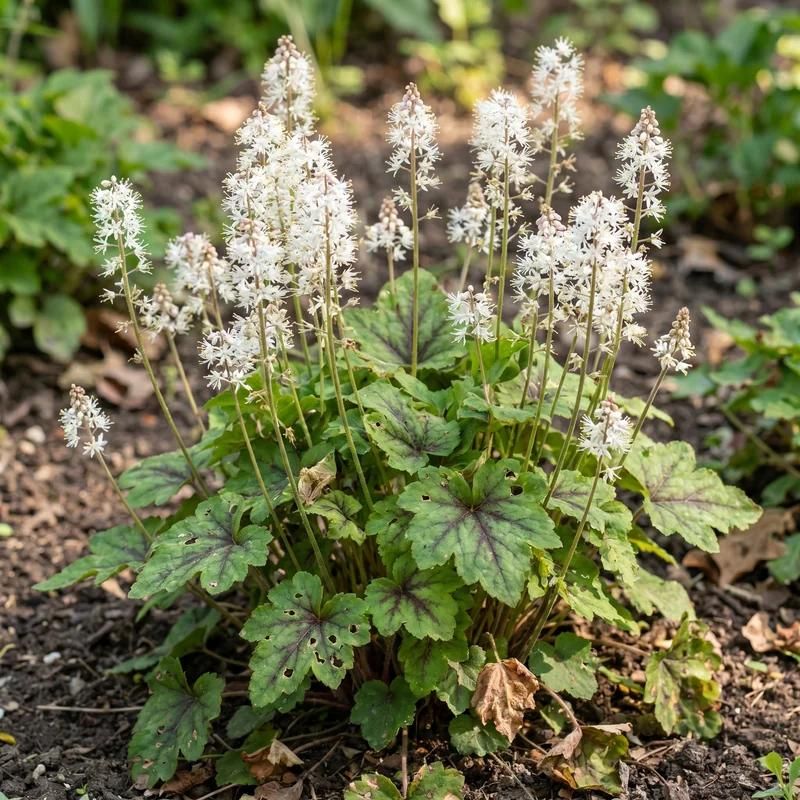
Delicate spires of frothy white flowers float above lobed leaves in spring, and that airy look is exactly how foamflower got its name. Underneath all that softness, though, is a workhorse that spreads into a tidy semi-evergreen carpet.
Built for our native woodland shade gardens, it thrives in the humus-rich soil that collects under mature trees. The dense foliage does the quiet job of keeping bare dirt covered so weeds never get a foothold.
Its flowers also draw in early native bees, adding a pollinator perk to the good looks. If you want a groundcover that feels like it belongs in a proper North Carolina forest, this one fits right in.
6. Autumn Fern
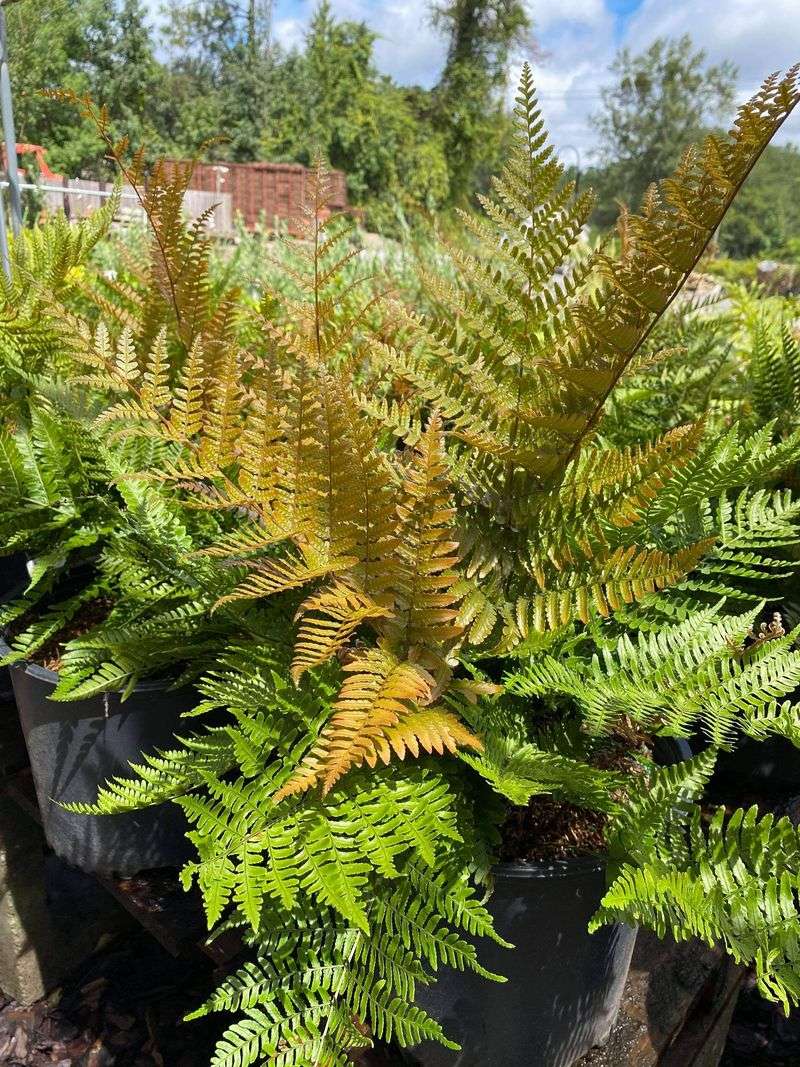
Got a stubborn dry shady corner where nothing seems to survive? Autumn fern is the reliable answer, known for handling both deep shade and drought once it settles in.
The show-stopper is its new growth, which unfurls in warm coppery tones before mellowing into a rich, satisfying green. That color shift gives you seasonal interest without any extra effort on your part.
As a semi-evergreen, it holds its texture through much of the year, and its arching fronds spread out to shade the soil and block weeds. For those challenging spots right under a thirsty tree, this fern quietly gets the job done.
7. Partridgeberry (Mitchella repens)
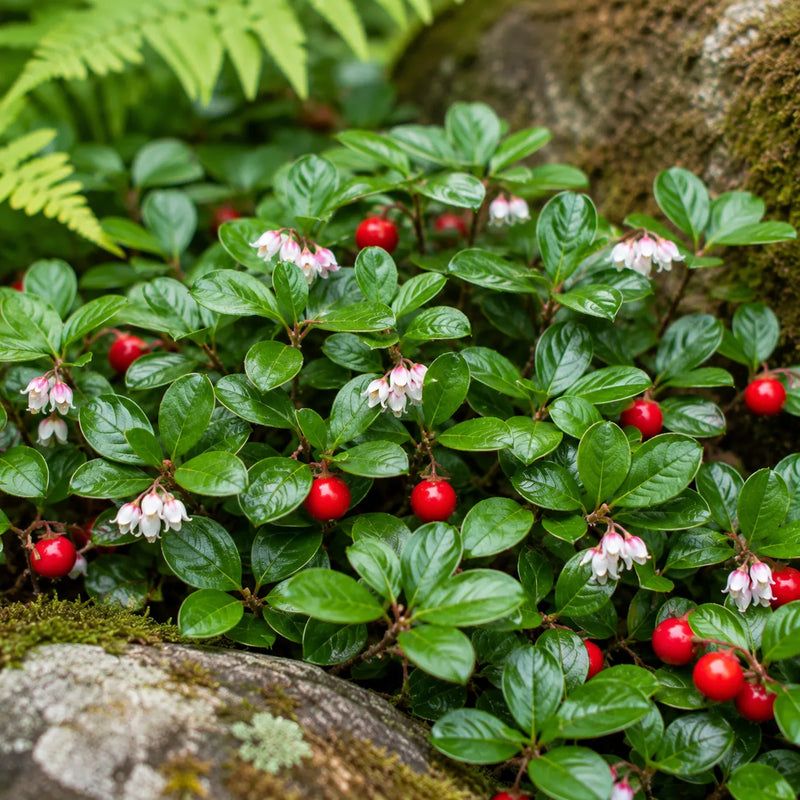
Bright red berries clinging to a low creeping vine make partridgeberry feel like a hidden treasure on the forest floor. What is remarkable is that those berries can hang on for a full year, offering a splash of color and a snack for wildlife across the seasons.
It prefers mostly shade and the acidic soil that naturally builds up beneath pines and oaks, so many NC yards already have the conditions it craves. As it creeps along, it forms a fine-textured mat that keeps the ground occupied and weeds discouraged.
Its tiny paired white flowers are a subtle charm in early summer. For a native that hugs the ground and rewards a closer look, partridgeberry is hard to beat.
8. Swap Out The Invaders: English Ivy, Vinca, and Spreading Liriope
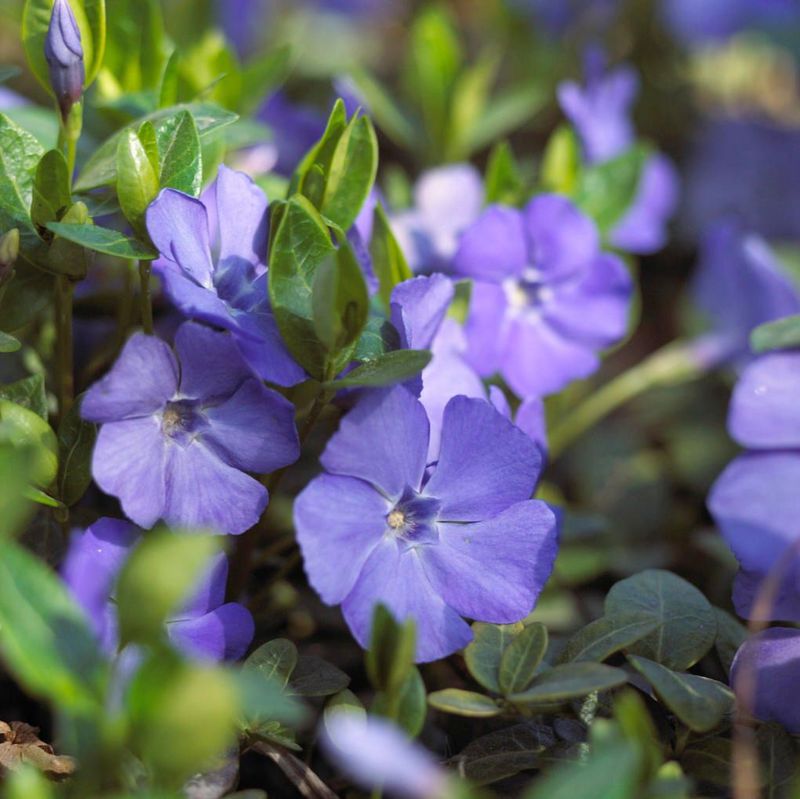
Here is the piece most weekend gardeners miss: the plants often sold as easy shade fillers are the very ones causing trouble. English ivy, vinca or periwinkle, and spreading liriope (Liriope spicata) all escape into our woods, smother native plants, and climb trees they eventually weaken.
The good news is that every native on this list gives you a direct, better-behaved replacement. Pull the ivy off your trunk this fall, dig out those runaway liriope clumps, and drop in wild ginger, foamflower, or Allegheny spurge instead.
You get the same weed-blocking cover without the guilt of feeding an invasion. Better still, you hand box turtles, native bees, and swallowtail butterflies a habitat they can actually use.
Being a good steward of your own patch of North Carolina starts with what you choose to plant under your trees.