
Fig Tree Full of Hard Green Figs? How To Tell What’s Close to Ripe and What To Expect Before Frost
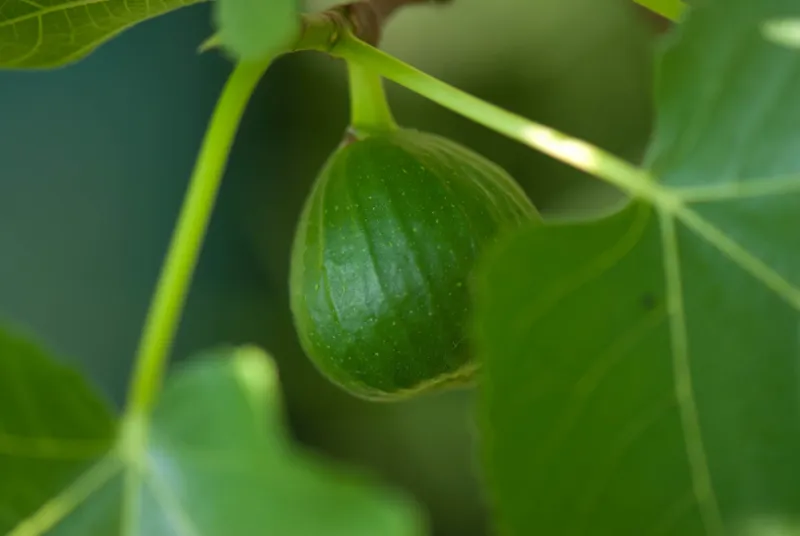
Your fig tree is loaded with fruit, but most of it is still hard and green, and the nights are getting cooler. That sinking feeling is common, and it does not mean you did something wrong.
Some figs are closer to ripe than they look, and some will not make it this year. Here is how to tell the difference and what to do next.
Color Isn’t a Reliable Ripeness Test
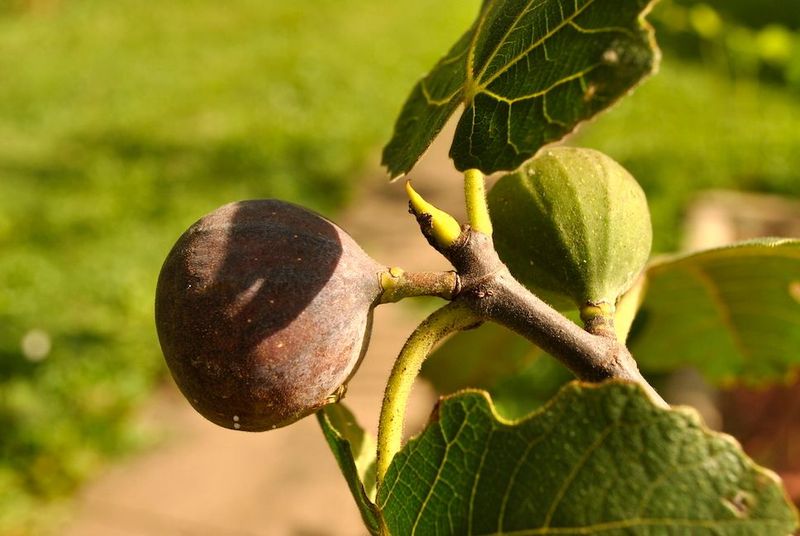
Walk out to your tree and you may be tempted to pick anything that looks purple or brown. Skin color is a shaky guide, because ripe figs come in green, yellow, bronze, and deep purple depending on the variety.
A green fig can be fully ripe, and a darker one can still be a few days away.
Look at the whole fruit instead. UC IPM harvesting guidance points to a ripe fig that is soft, hangs or droops on its stem, and comes off the branch easily.
If you have to tug, twist, or fight it, the fig is probably not ready.
Check the stem end too. If a small tear leaks milky sap, the fruit is not fully ripe yet, and the sap is one reason unripe figs taste harsh.
A fig that is soft, bent over, and sap-free is your best candidate for eating.
Now sort your crop. Figs that are firm as a pebble, upright, and stubborn on the branch are clearly unripe.
Figs that are starting to give under gentle pressure, show some color change for your variety, and are beginning to tip downward are close. Extension notes such as this Virginia Tech guide describe the same fruit-feel approach.
A gentle squeeze each day or two will teach you more than any color chart. Your thumb gets good at this quickly, and it keeps you from picking fruit that was never going to sweeten.
Can a Picked Fig Still Ripen?
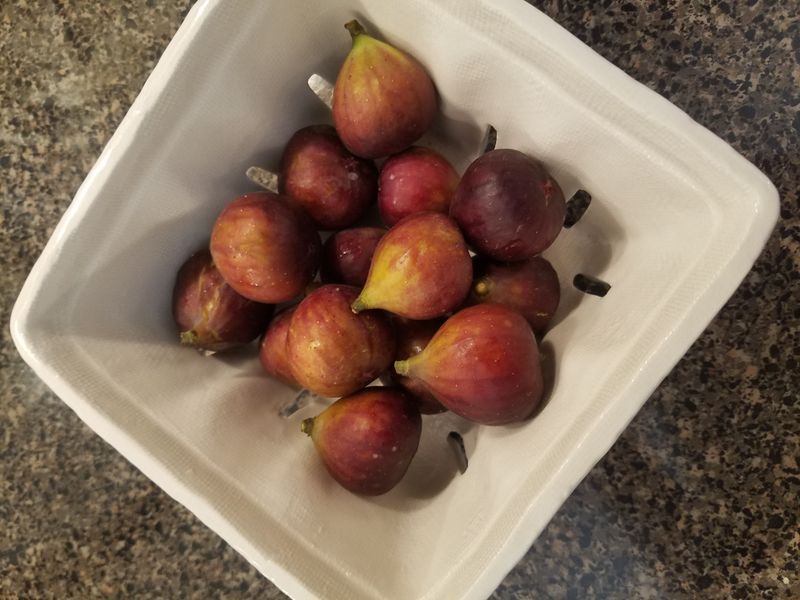
Sometimes, but only for figs that are already well along. University of Maryland Extension notes that fruit which has started to color and soften may keep softening and get a little sweeter at room temperature in a dry place.
Think of it as a small finishing step, not a rescue.
Hard, green figs are a different story. Fruit picked at that stage generally does not finish ripening off the tree.
Fig fruit can take up to two months to ripen on the branch, and a few days on the counter cannot replace that time.
You may hear that figs ripen after picking. That claim is too broad.
Figs do produce ethylene, a natural ripening gas, but a peer-reviewed study on fig ripening found that figs harvested before ripening begins do not reach good ripe quality afterward.
If you want to try the counter method, pick only the figs that are coloring and giving a bit under your thumb. Lay them in a single layer in a dry spot, and check them daily.
Do not expect them to taste like a fig that hung on the tree until fully ripe, since tree-ripened fruit usually wins on sweetness and flavor.
Extension writers such as Clemson’s home garden team also stress letting figs ripen on the plant when you can. Leave the rest hanging and give them time.
A Realistic Late-Season Care Plan
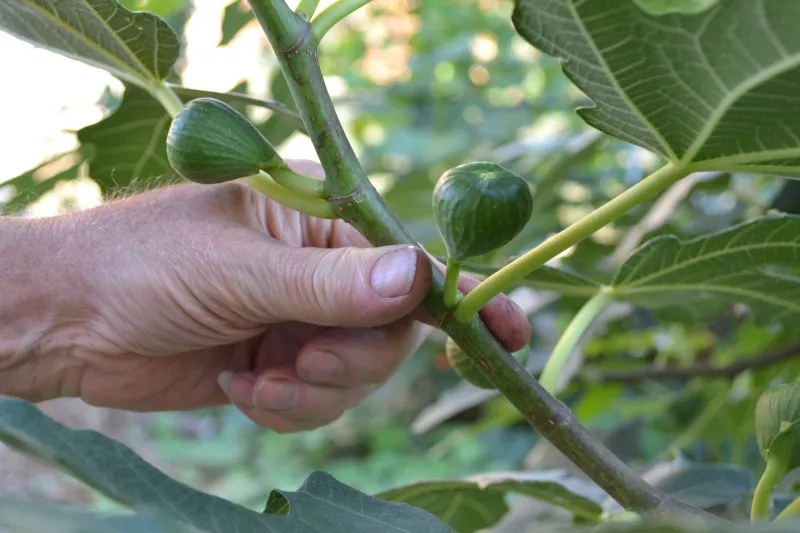
Here is the candid part: nothing you do this week will make hard green figs sweet in a hurry. What you can do is keep the tree comfortable so fruit that is already close has the best shot at finishing.
Water regularly and appropriately. Maryland Extension lists drought among the stresses linked to poor ripening, so do not hold back water hoping to concentrate sweetness.
That idea is a myth, and it can set the fruit back. For in-ground trees, a deep soak during dry spells is usually enough.
Potted figs need a little more care. Check the soil with your finger before watering, and water when the top inch or two feels dry.
Keep the pot from staying soggy all the time, since constantly wet soil is as unhelpful as drought. Guidance such as UGA Extension’s home garden fig publication also warns against going heavy on fertilizer, so skip extra feeding now.
What about pruning, stripping leaves, or pinching shoot tips? These are often passed around as last-minute tricks, but they are not proven ways to ripen this year’s crop.
Pruning advice, like the RHS fig pruning guide, is tied to specific times of year, not a late-fall emergency. Leave the leaves on, since they feed the fruit that is still ripening.
Then pick what is soft and wait on the rest.
Why the Season May Be Running Out
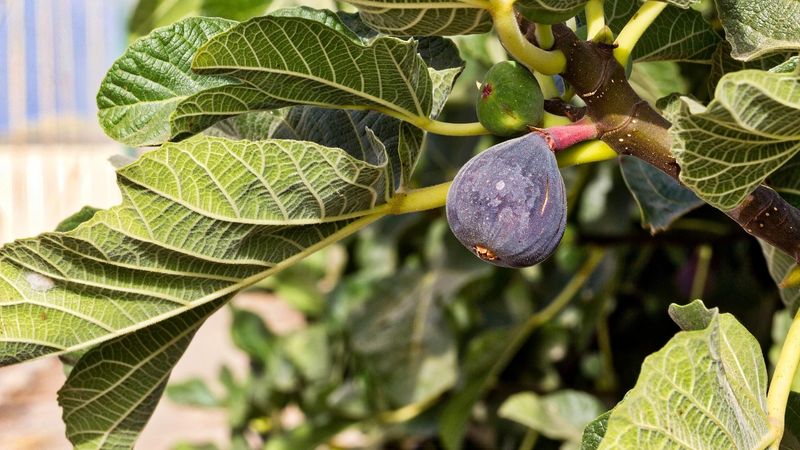
Plenty of healthy trees still carry green figs this late, and it is not always your fault. Several things set the pace, and many are outside your control.
Cultivar matters most. Some varieties ripen early and some need a long, warm season, so a late type in a cooler area may simply run out of time.
Climate and the fruiting crop matter as well. The main crop commonly ripens from late summer until first frost in some regions, but local seasons differ, as Rutgers Cooperative Extension explains.
That is why there is no single national deadline you can mark on a calendar.
Growing conditions can slow things down too. Maryland Extension ties poor or delayed ripening to drought, too little sun, and a short growing season.
Excess fertilizer, especially nitrogen, can push leafy growth over fruit, a point also raised in UGA’s home garden fig guidance.
Use that as a checklist for next year rather than a reason to blame yourself. Was the tree in full sun?
Did it dry out in midsummer? Did you feed it heavily?
A quick note in your garden journal now can help you adjust.
Also ask your neighbors, who may know your local variety and rhythm better than any guide. Their trees tell you what is normal where you live.
Frost Changes the Fruit Outlook, Not the Tree’s Hardiness
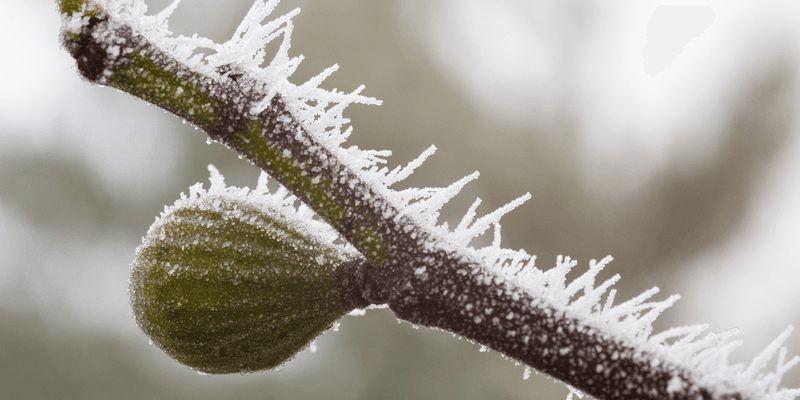
Frost can end the fruit season even when the tree itself is fine. Those are two separate questions, and mixing them up leads to false hope.
Once a frost arrives, fruit still green and hard on the branch is usually done for the year. A dormant fig can often tolerate colder winter temperatures, but how cold depends on the cultivar and conditions, according to Rutgers Cooperative Extension.
That hardiness says nothing about whether the figs will survive a frost or ever sweeten.
Hardiness also varies with the type of tree and where it grows. UF/IFAS Extension’s fig publication covers how cold affects figs, and the takeaway is that cold tolerance is a tree-level trait, not a promise for the fruit.
So watch your forecast, not a date. Your first frost might come in October in one yard and December in another.
If a cold night is coming, harvest any fig that is soft and drooping, since it will do better inside than in the cold.
Do not waste energy covering the tree to coax green figs along. A cover might shield them on one night, but it will not make hard fruit ripen.
Save your effort for protecting the tree for winter if your climate calls for it.
Hard green figs at frost time are disappointing, but they are not a sign your tree is in trouble.
After a Hard Frost, Switch to Winter Cleanup
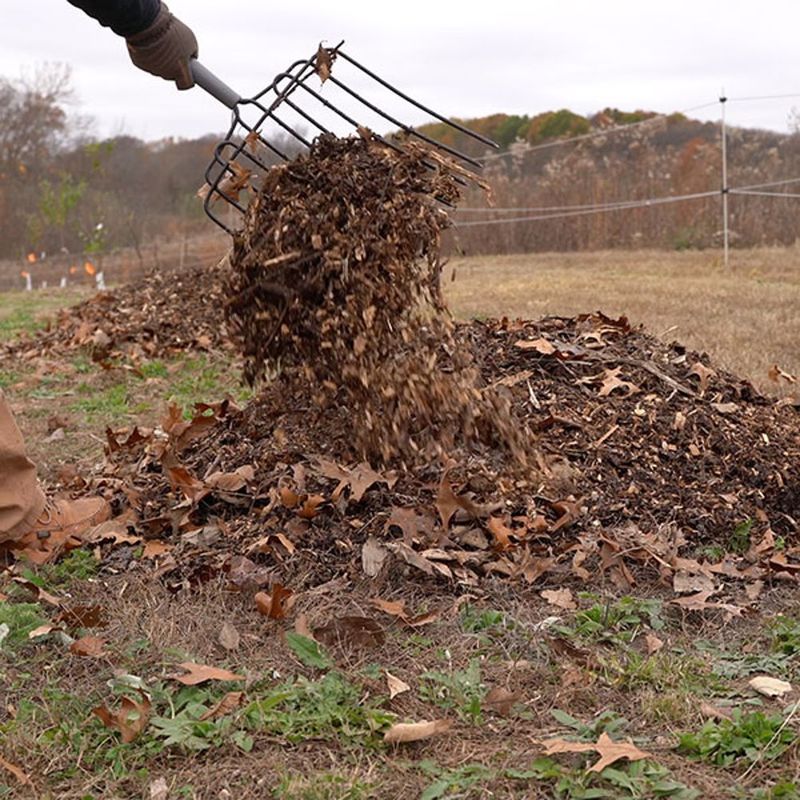
Once a hard frost has hit, the season is over, and the job changes. Penn State Extension advises removing remaining leaves and unripe figs after a hard frost.
Treat this as winter cleanup, not a way to ripen anything.
Wear gloves and long sleeves while you work. Fig sap can irritate skin, according to NC State Extension, and a cut stem or torn fruit will leak it.
Wash any splashes off right away.
Put the fallen fruit and leaves in the compost or trash rather than leaving them under the tree.
Any fig that was already soft and coloring can still get a short counter finish indoors, but hard green ones are not likely to turn sweet in a hurry.
Next year, the tree will give you another chance, and the figs you did not get are really just a head start on the lessons.