
How A Nearby Perch May Help Birds Find Rose Aphids – And What Else You Need To Know
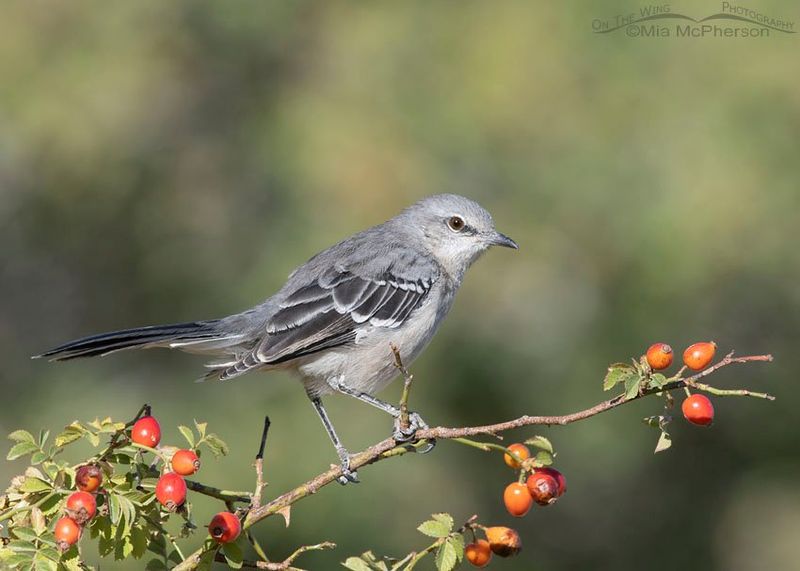
Tiny green or pink aphids clustering on your rose buds and new shoots can feel like an emergency, but roses handle low numbers better than most gardeners expect. The real problem starts when those clusters grow fast, distorting leaves and damaging buds before anything can stop them.
Some gardeners are turning to birds as a natural helper, and while that instinct is sound, the details matter a lot more than a catchy headline suggests.
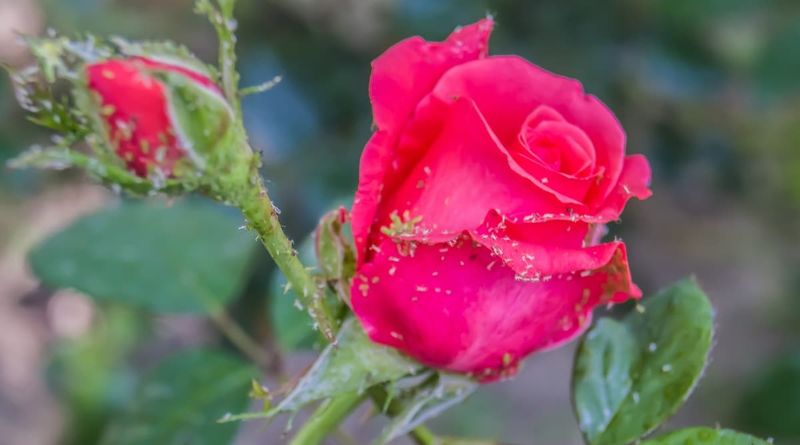
Aphids become a rose problem when new growth starts to suffer
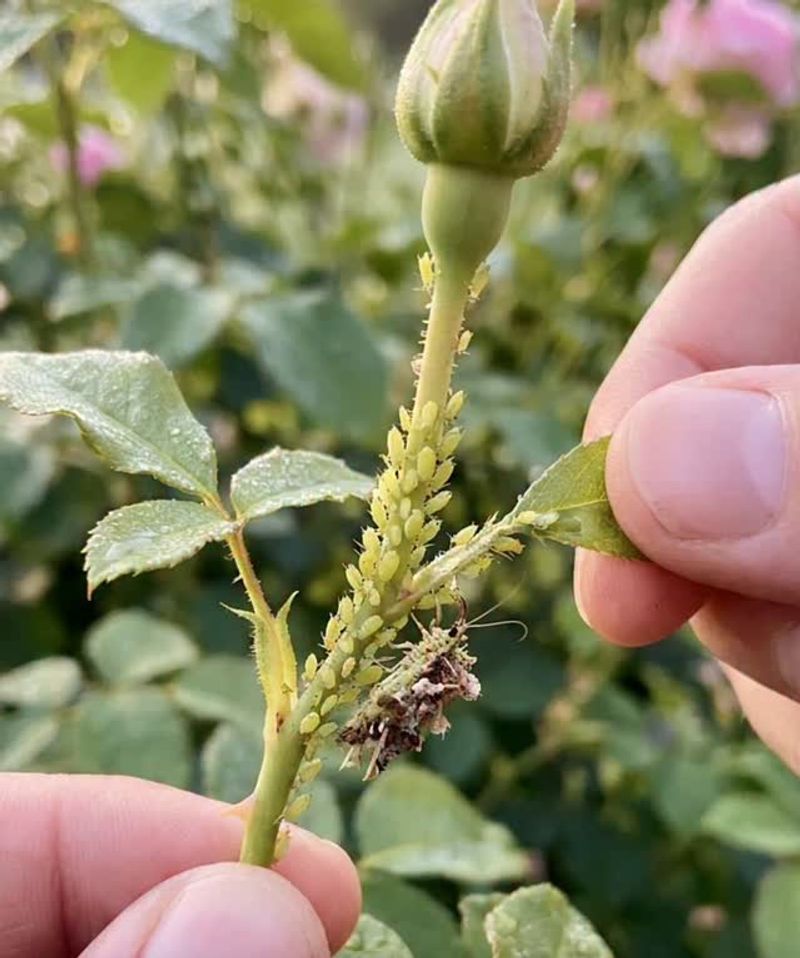
Rose aphids have a talent for finding the most vulnerable parts of the plant first. Soft new shoots and flower buds are their preferred targets because the tissue is tender and full of sap.
A few insects hanging around the base of a bud rarely cause a crisis, but when numbers climb quickly, the signs become hard to miss.
Distorted or curled young leaves are one of the clearest warnings. Buds that fail to open normally, or that look pinched and stunted, often have a heavy aphid load hidden inside.
Prolonged feeding also produces honeydew, a sticky liquid that coats leaves and stems and creates the dark, powdery coating called sooty mold. University of Minnesota Extension’s rose aphid guide notes that this buildup can interfere with photosynthesis and make plants look far worse than the aphid feeding alone would suggest.
Ants are another reliable clue. They actively protect aphid colonies in exchange for honeydew, so a trail of ants marching up a rose cane is often a sign that an aphid population is already established.
Sooty mold and ant activity together mean the infestation has passed the “ignore it” threshold.
The key decision point is plant damage, not insect presence. UC IPM’s aphid management guidance explains that low to moderate aphid numbers frequently cause little lasting harm, especially on otherwise healthy, well-watered roses.
Respond when you see distorted growth, injured buds, or a population that is visibly doubling every few days. Spotting three aphids on a cane is not a signal to act; watching new growth curl and blacken is.
The 9,000 figure belongs to caterpillars, not rose aphids
Before building a bird habitat plan around a specific number, it helps to know where that number actually came from. The widely shared claim that birds clear 9,000 aphids a week from a rose garden traces back to a real piece of research, but the research says something quite different from what the headline promises.
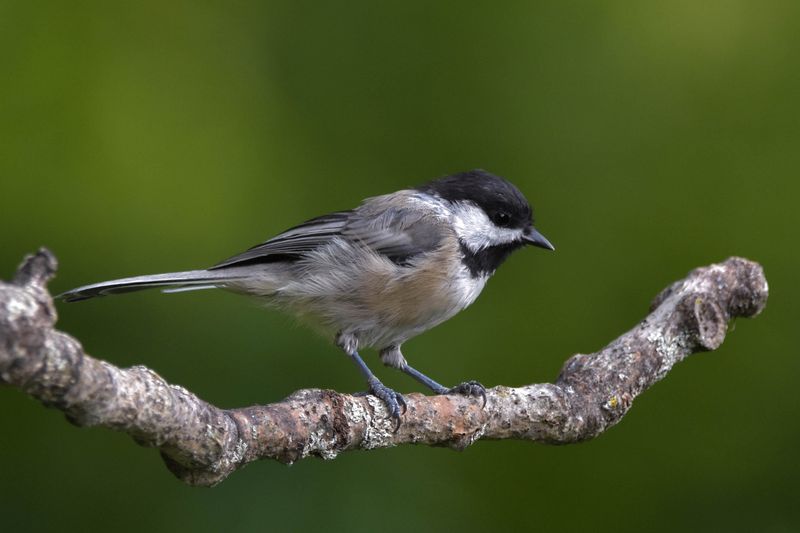
Penn State Extension’s article on caterpillars and native plants explains that one pair of Carolina Chickadees may deliver roughly 6,000 to 9,000 caterpillars to their nestlings during a single 16-to-18-day nesting period. Those are caterpillars, not aphids.
The prey comes from whatever insects the birds can find across their entire territory, not specifically from a rose bush. And the timeframe is a nesting period measured in weeks, not a weekly removal rate that repeats all season.
University of Illinois Extension’s breakdown of the chickadee caterpillar figure reinforces the point: the statistic highlights how much native-insect prey a breeding pair needs to raise young successfully. It was never meant to describe aphid removal from ornamental plants, and it cannot be converted into a promised weekly cleanup rate by swapping one insect name for another.
The narrower lesson that survives the correction is still worth keeping. Small insect-eating birds do collect impressive quantities of prey, and that appetite can work in a gardener’s favor.
A perch near the rose bed may make it slightly easier for birds already using your yard to notice and pick through the canopy. That is a reasonable, low-cost experiment.
Promising a specific number tied to a specific pest is not something the evidence can support.
Which birds can search a rose canopy?
Not every bird that visits a yard will poke around inside a rose bush looking for soft-bodied insects. Foraging behavior is the deciding factor, and it varies considerably from one species to the next.
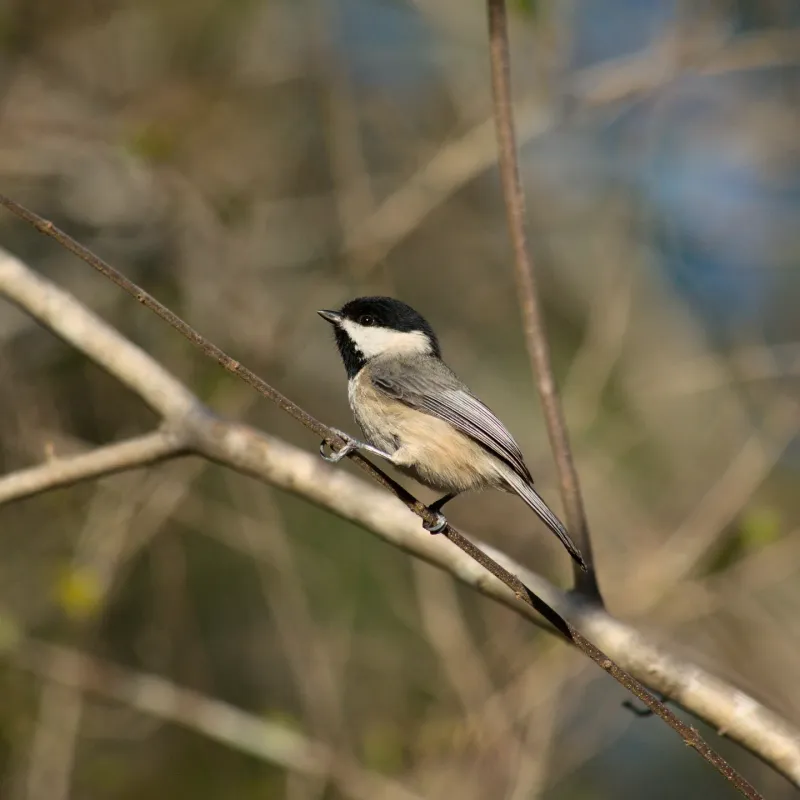
Carolina Chickadees are among the most useful birds for canopy-level pest searching. Cornell Lab’s Carolina Chickadee life history describes them as eating mostly insects and spiders outside of winter, with a habit of picking through foliage, bark, and branch tips for prey.
Their small size lets them maneuver through dense canes and work the undersides of leaves where aphids often congregate. Tufted Titmice share a similar profile: they forage actively through vegetation and eat mainly insects, making them reasonable candidates for the same kind of canopy work.
Cornell’s Tufted Titmouse guide notes that they often join mixed flocks with chickadees, so attracting one species may bring the other along.
House Wrens, according to Cornell’s life history account, forage through shrubs and low branches for insects and spiders, which puts them well within range of a rose bed. They are energetic foragers and tend to work close to cover, so nearby shrubs genuinely help.
Eastern Bluebirds are a different case. Cornell’s Eastern Bluebird profile explains that they typically hunt from exposed perches and drop to the ground to capture prey.
That hunting style suits open lawns and meadow edges far better than the interior of a rose canopy. A bluebird box near the rose bed may attract a beautiful tenant, but expecting that bird to pick aphids from your buds oversells the relationship.
Chickadees, titmice, and wrens are the better candidates for the job, and they all benefit more from layered shrub habitat than from a single open perch.
A perch works best as one access point within living habitat
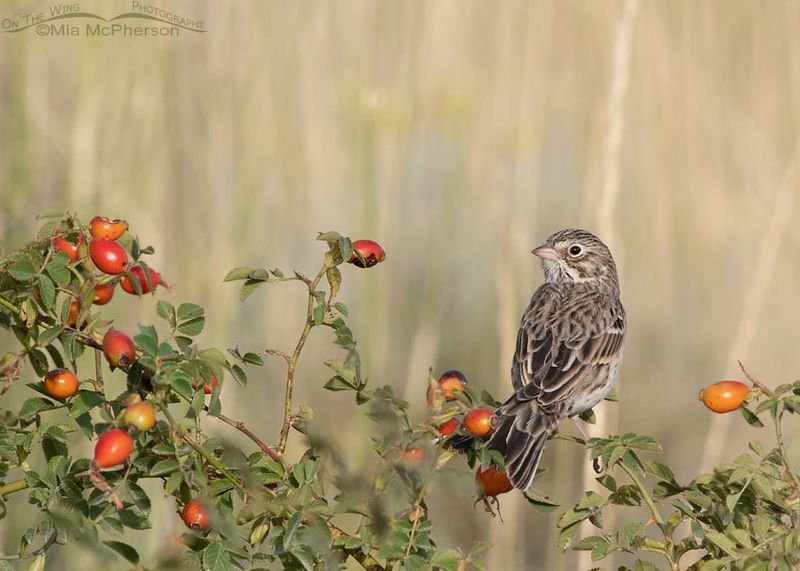
A bare stick pushed into the ground next to your roses is not without value, but it is the smallest possible piece of a much larger puzzle. Think of a perch as a landing pad that makes the rose bed slightly more accessible to birds already moving through the yard.
Whether any bird uses it depends on what else is nearby.
U.S. Fish and Wildlife Service guidance on backyard birds consistently points to layered native plants, shrubs, trees, nesting sites, fresh water, and insect-rich habitat as the elements that actually draw insectivorous birds to a yard and keep them there.
A perch can serve as one access point within that system, but it cannot substitute for the system itself. Chickadees, titmice, and wrens all need dense shrubs for shelter and escape cover, and they need a reliable supply of insects that extends well beyond any single rose bed.
Virginia Department of Wildlife Resources’ shrub habitat article makes a practical point that often gets skipped: shrubs provide food, nesting cover, and escape routes that trees and perennial beds alone cannot replicate. Planting even a few native shrubs within a reasonable distance of the rose bed gives foliage-gleaning birds somewhere to retreat, roost, and breed.
That residency is what produces consistent foraging visits, not a single wooden branch.
For the perch itself, an untreated natural branch, a trellis crosspiece, or a stable garden stake placed near but not pressed into the rose canopy is a reasonable starting point. University of Florida IFAS research on attracting birds to managed landscapes supports providing usable perching opportunities as part of a broader habitat plan, without specifying a required height, diameter, or guaranteed result.
Skip the pressure-treated or painted wood; birds may avoid it, and chemical residues can leach into the soil. Supplemental seed at a feeder may attract birds to the general area, but UC ANR’s guide on attracting insect-eating birds is clear that seed does not substitute for the insect-rich vegetation that makes a yard genuinely useful to small insectivores.
Treat the perch as one modest experiment within a living habitat, not as a standalone solution.
Bird effects depend on the wider food web
Expecting birds to deliver a predictable aphid count week after week assumes a level of consistency that field research simply does not show. What studies actually find is that bird effects on pest populations range from genuinely helpful to nearly undetectable, and sometimes run in the wrong direction entirely.
On the positive side, a cider-orchard study on birds as suppliers of pest control found greater aphid outbreaks and more shoot damage on branches from which birds were excluded compared to branches they could access freely. That result supports the general idea that bird access can reduce some pest pressure in certain settings.
A broader review of avian pest control in agricultural systems confirms that birds can meaningfully suppress some pest populations, particularly in orchards and tree crops where foraging conditions suit them.
The picture gets more complicated in vegetable and ornamental settings. A cabbage-field study found little overall bird effect on aphid control, suggesting that crop type, canopy structure, and local bird community all shape the outcome.
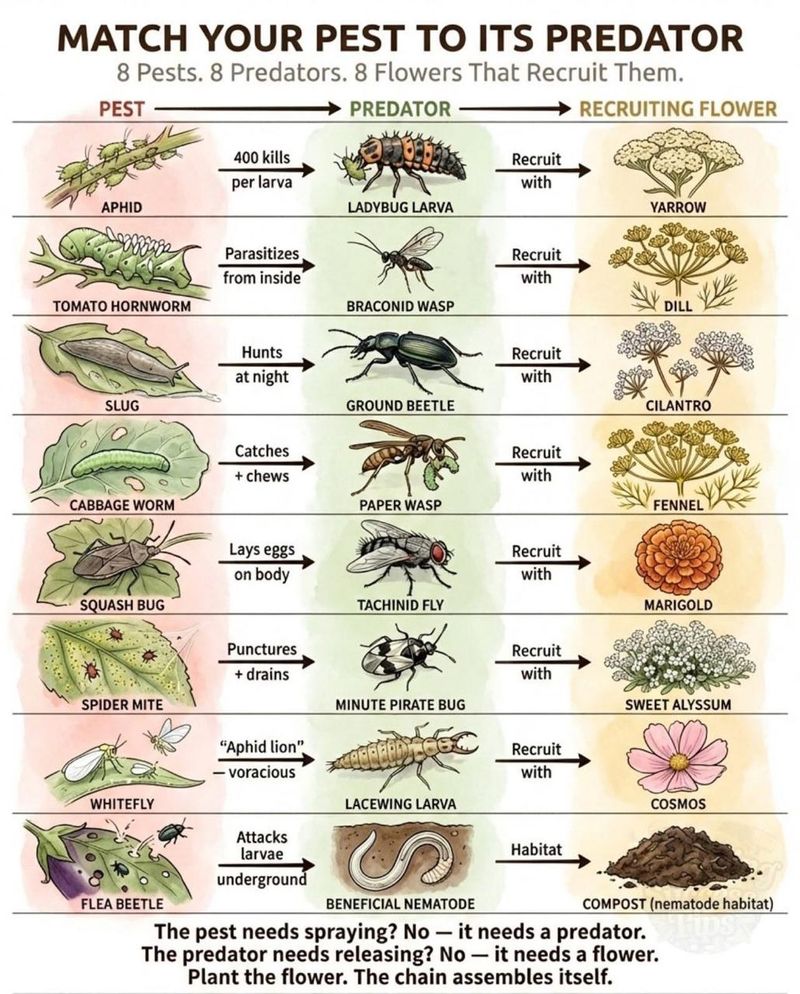
Research on sparrows and aphid predator communities found that sparrows sometimes disrupted aphid control by consuming hoverfly larvae and lady beetles, which are themselves efficient aphid predators. In other words, a bird visiting your rose bed might eat a beneficial insect instead of an aphid, and that trade-off is not always a net gain.
A Journal of Integrated Pest Management review of biological control interactions frames this well: bird abundance, prey density, season, landscape complexity, and interactions among multiple predator groups all influence whether birds suppress or inadvertently undermine pest control in a given situation. The practical takeaway is that birds belong in an integrated pest management plan as one variable, context-dependent component.
They may contribute meaningfully in some yards and seasons, contribute very little in others, and occasionally complicate the picture by reducing the beneficial insects doing the quiet, consistent work nearby.
Treat active damage while the habitat experiment develops
Setting up a perch and planting native shrubs are worthwhile long-term investments, but neither one rescues a rose that is actively losing ground to a heavy aphid infestation. When buds are distorting and new growth is curling, a practical response is needed right now, not after the local chickadee population discovers your new habitat.
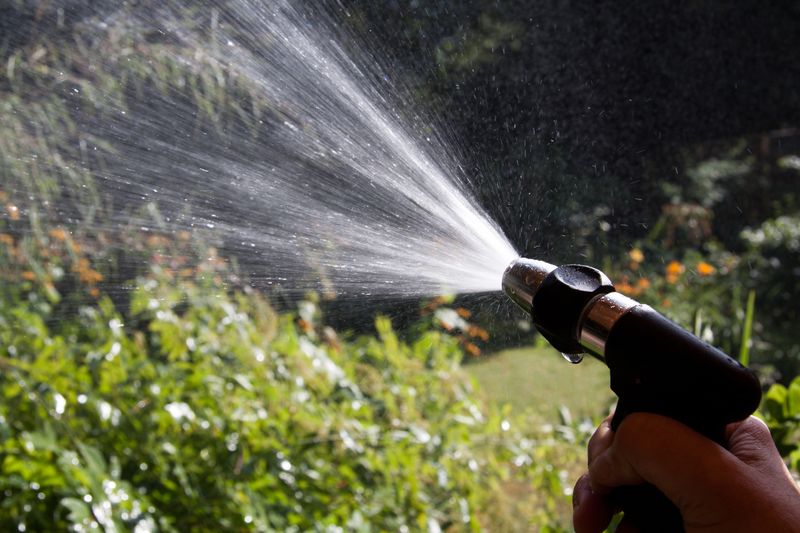
Start with water. A strong stream from a garden hose directed at infested stems and buds can knock off a large portion of the aphid population in a single pass.
Apply it early in the morning so foliage has time to dry before evening, which reduces the risk of fungal problems. UC IPM’s rose pest management guide recommends this approach for sturdy roses as a first-line response that causes no harm to the plant and leaves beneficial insects largely intact.
If water alone is not enough, a commercially formulated insecticidal soap or horticultural oil is the next reasonable step, provided the product label specifically permits use on roses. Oregon State Extension’s guide to low-risk aphid strategies explains that these products work by direct contact, so thorough coverage of stems, buds, and the undersides of leaves matters more than the volume sprayed.
Repeat applications, timed according to label directions, are usually necessary because any aphids that escape the first treatment will reproduce quickly.
Avoid homemade dish-soap mixtures. Household detergents are not formulated for plant safety and can damage rose foliage, particularly in hot weather.
Penn State Extension’s ornamental aphid guide and UC IPM both caution against broad-spectrum insecticides and unnecessary systemic products, which can harm lady beetles, lacewing larvae, syrphid-fly larvae, and parasitoid wasps alongside the aphids.
Check for ants before and after any treatment. UC IPM’s rose pest notes explain that ants actively guard aphid colonies from natural enemies in exchange for honeydew, so controlling ant access with sticky barriers or label-approved baits can dramatically improve how well your existing beneficial insect community performs.
Penn State’s guide to conserving natural enemies is a useful reference for identifying the small, soft-bodied larvae and wasps that may already be working the rose bed on your behalf.
Measure the rose, not an imaginary bird quota
Place your perch, retain whatever native shrubs or layered plants are already growing nearby, and then pay attention to the rose itself rather than counting bird visits. Check new growth and buds every few days during the growing season.
Healthy, unfurling leaves and buds that open normally are the real measure of progress; a robin landing on your perch post is not.
Success looks like a functioning natural-enemy community: small larvae on the undersides of leaves, parasitized aphids that look pale and papery, and a population that levels off on its own before causing serious damage. U.S.
Fish and Wildlife Service backyard bird guidance and USDA NRCS habitat guidance both emphasize that a yard supporting diverse wildlife is the goal, not a yard engineered around one pest-removal target.
If you add a feeder or birdbath to encourage birds, maintenance is not optional. Audubon’s feeder hygiene guidance calls for regular cleaning, prompt removal of spoiled seed, and taking feeders down temporarily if sick birds appear near them.
A dirty feeder can spread disease through a local bird population faster than any aphid colony spreads through a rose bed. Keep cats away from the yard as much as possible, reduce window-collision hazards with film or screens, and avoid applying pesticides to plants or soil in ways that contaminate the insects birds depend on.
Audubon’s spring bird safety advice covers these points in practical detail. A yard that is genuinely safe and hospitable for small insectivores will do more for your roses over a full season than any single perch ever could on its own.