
If A Crow Watches You From The Fence, Here’s The Learned-Threat Memory It’s Quietly Keeping On You
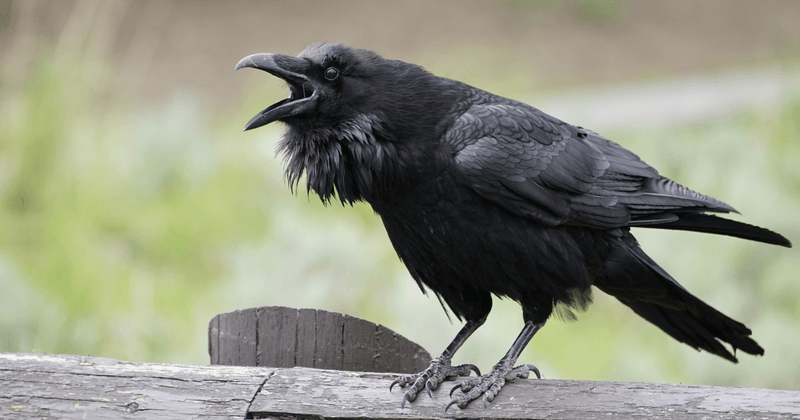
Crows are one of the smartest birds in North American backyards, and when one locks eyes with you from a fence post, it’s hard not to wonder what’s going on behind those sharp black eyes. Research shows that American crows can actually learn to recognize specific people and remember dangerous encounters for years.
But what that fence-side stare really means is more complicated than a simple grudge, and understanding it can change how you see every crow in your neighborhood.
A Fence-Side Stare Is Not Proof That a Crow Knows You
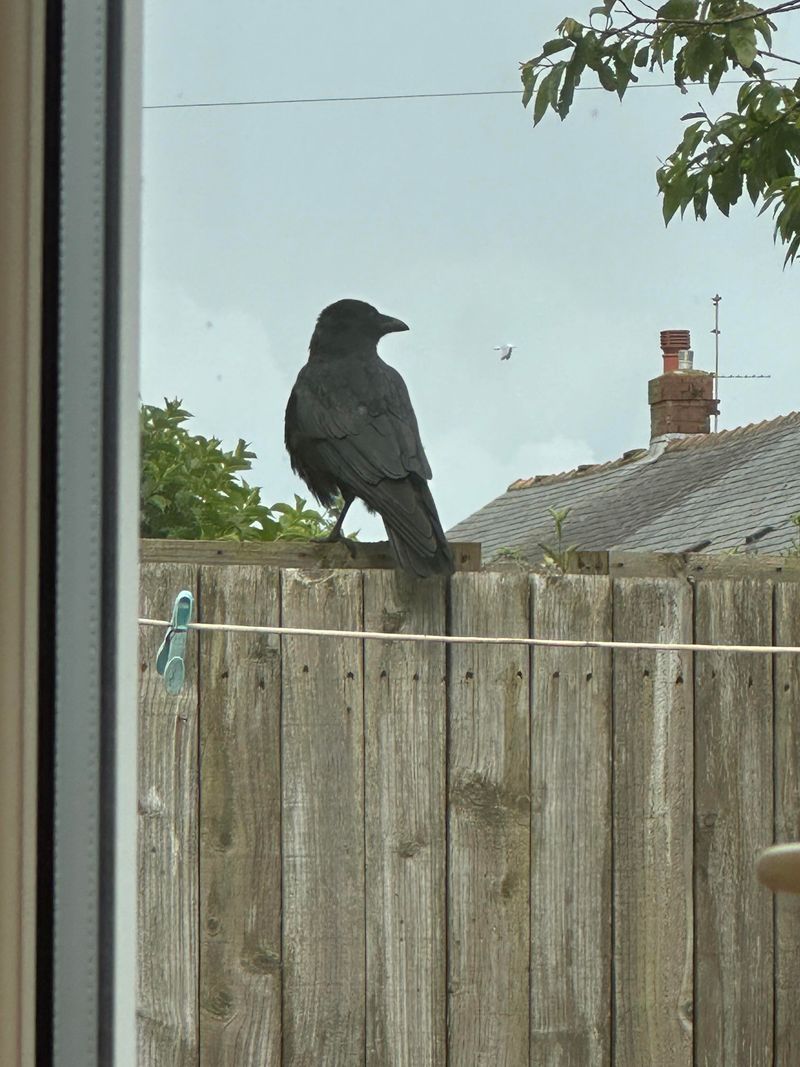
Plenty of people have felt it: you step outside, and a crow on the fence turns its head and watches you with that steady, unblinking focus that makes the moment feel oddly personal. Before drawing any conclusions from that stare, though, it helps to know what else could explain it.
American crows are highly social birds that live and move in family groups. Cornell Lab of Ornithology’s American Crow life history describes how crows cooperate in raising young, share lookout duties, and regularly monitor their surroundings as a group.
A crow sitting on your fence may simply be doing its turn as a sentinel, watching for food, keeping track of nearby family members, or sizing up whether your yard holds anything worth eating.
During breeding season, that watchful posture can also mean a nest is somewhere close by. Crows will quietly track movement near a nest or a fledgling on the ground, and what looks like personal attention is often just parental caution.
None of this means recognition is impossible. The research covered in later sections shows that crows genuinely can learn to distinguish specific people.
The point here is that a single glance from a fence post does not confirm it. Vigilance, foraging decisions, social monitoring, and nest defense all produce the same fence-side stare, and no backyard observer can tell which one is happening from the outside.
Starting with that honest uncertainty matters because it keeps the rest of the story accurate. The controlled experiments that revealed crow recognition involved specific conditions, distinctive cues, and repeated encounters, not one quiet morning in a garden.
The fence is a good place to start watching, but the research is where the real explanation lives.
The Experiments Show Learned Recognition, Especially After Danger
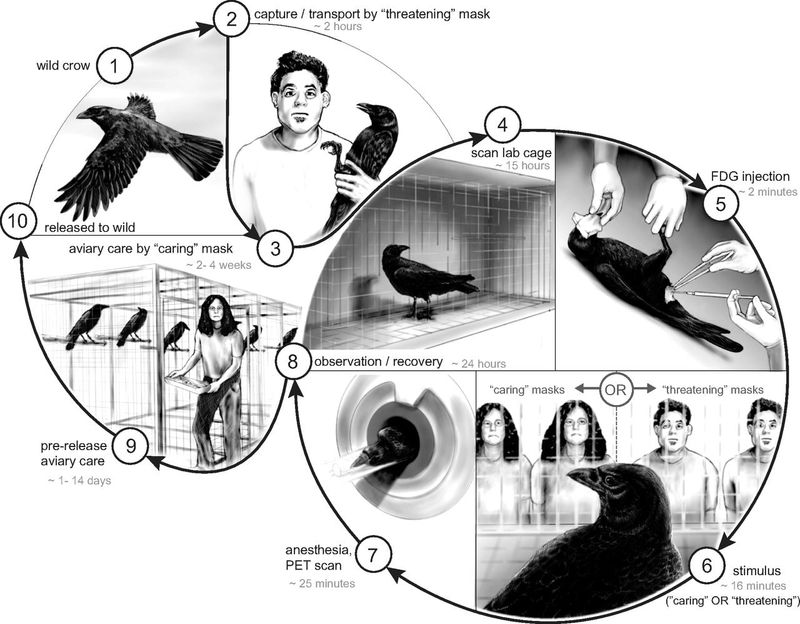
The most striking evidence for crow recognition came out of the University of Washington, where researchers wanted to know whether crows could learn to identify a specific person and hold onto that association. To test this cleanly, they used a distinctive latex mask during wild crow captures so the birds would associate that particular face with a threatening encounter, not the researchers’ ordinary appearance.
What happened next was striking. Crows that had been captured while researchers wore the mask later scolded and mobbed anyone wearing that same mask on campus, while largely ignoring people wearing a different mask.
Brain imaging research published in PNAS followed up on those field results and found that familiar threatening and caring human faces activated connected visual, decision-making, and emotional-processing regions in crow brains, showing that the birds were doing something more than simple shape recognition.
That neural activity is genuinely interesting, but it does not mean crows experience human emotions or make moral judgments about people. Brain regions lighting up in response to a learned cue tells us that a crow has formed an association, not that it feels resentment, plans revenge, or keeps a personal file on someone.
Separate research using a controlled danger assessment found that crows respond differently to a range of perceived threats, with distinct neural patterns for different kinds of danger. That study on crow danger assessment supports the idea that crows can sort threats into categories and respond selectively, rather than treating all unfamiliar things the same way.
Taken together, the evidence supports this: American crows can discriminate among human identity cues, form learned associations between a specific person and a threatening event, and carry those associations forward in a way that shapes future behavior. That is a real and remarkable cognitive ability.
What the research does not show is that crows process faces exactly as humans do, or that every encounter with a person gets filed away with equal weight.
What the Crow Remembers Is Narrower Than “Everything You Did”
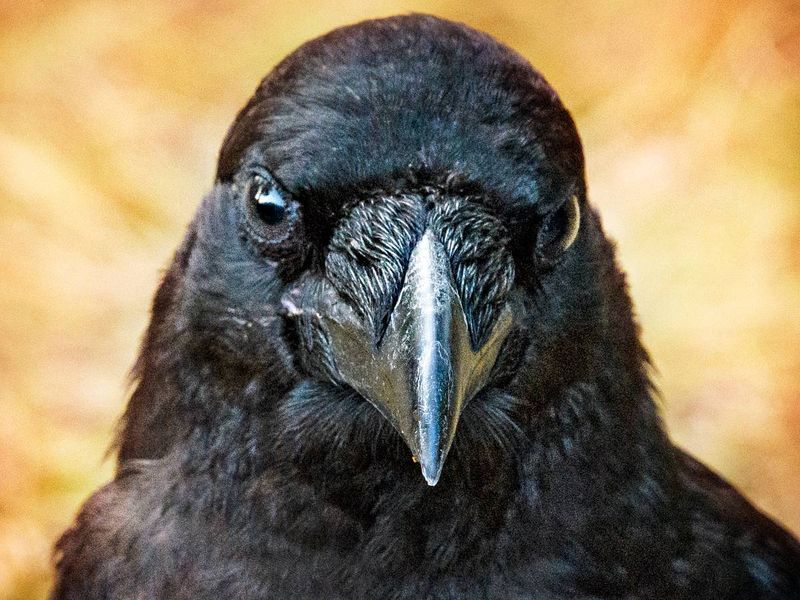
One of the most repeated claims about crow memory is that they remember human faces for 17 years. That number sounds specific enough to feel scientific, but it does not come from a face-memory experiment.
The 17-year figure traces back to the oldest recorded wild American crow, a longevity record, not a validated measure of how long a crow holds onto a memory of a specific person.
The actual field result is more modest and still impressive. The scolding response to the dangerous mask in American crow field research persisted for at least approximately 2.7 years after the original capture event.
That is a long time for a bird to maintain a learned association with a particular identity cue, and it is the strongest documented result for this species. Claiming 17 years stretches well beyond what the experiments actually showed.
The memory is also narrower in scope than popular retellings suggest. The studies tested specific learned associations, especially a distinctive threatening mask worn during capture.
They did not track every interaction a crow had with a homeowner across months or seasons. Saying a crow “remembers everything you did” overstates the evidence considerably.
There is also a subtler point worth making about what “face” actually means in this context. Research on carrion crows found that their recognition did not show the same face-inversion effect seen in humans, where turning a face upside down disrupts recognition dramatically.
That face-inversion study suggests that crows may rely on local facial features or other visual cues rather than processing a whole face the way humans do. So when researchers say crows recognize a “face,” they may really mean a cluster of distinctive visual information that a crow has learned to associate with a particular experience.
For a backyard homeowner, the practical takeaway is this: a crow that had a genuinely threatening encounter with a specific person can likely hold that association for years, but an ordinary morning of yard work probably does not leave the same kind of durable mark.
A Crow’s Warning Can Travel Through the Family Group
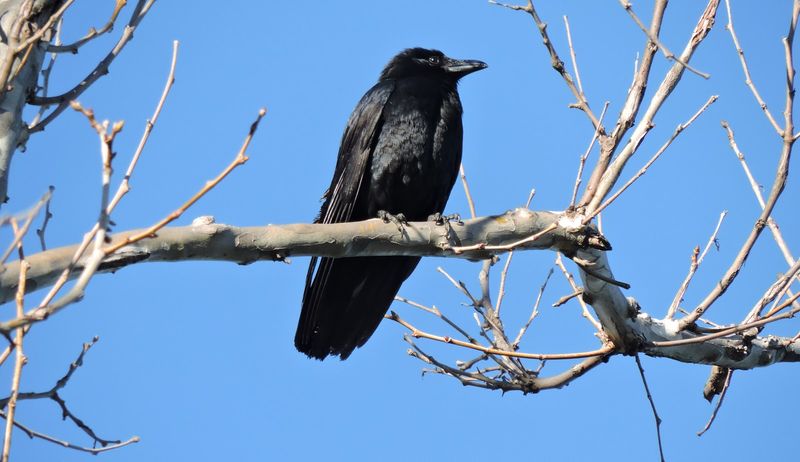
When a crow learns that a particular person is dangerous, the information does not always stay with just that one bird. Social learning is a well-documented part of crow behavior, and it means a single threatening encounter can ripple outward through a family group in ways that feel, from the outside, like the whole neighborhood suddenly knows your name.
Research on social learning in American crows found that juvenile crows who watched adults react to the dangerous mask later responded to that same mask themselves, even though the juveniles had never experienced the capture. They picked up the alarm response by observing their parents’ behavior, not by being told anything directly.
The mechanism is observation, not communication in any human sense of the word.
This matters for understanding what happens when scolding, gathering, and mobbing break out in a backyard. Those behaviors are defensive responses, sometimes described as antipredator behavior in the research, and they can involve multiple birds very quickly because the family group is paying attention to each other.
A crow that sounds an alarm draws others in, and those others respond to both the caller and the target.
What the research does not show is that every crow in a neighborhood receives a precise account of one specific person. The experiments demonstrated transmission through observation of mobbing or parental alarm behavior.
There is no evidence of a verbal description passing between birds or a neighborhood-wide database updating in real time.
The duration of socially learned responses is also an open question. The approximately 2.7-year persistence documented in the American crow scolding field study applies to directly learned associations.
Whether a response acquired through watching another crow lasts for an equivalent period has not been established by the available research. The social network is real; its long-term reach is still being mapped.
Kindness May Matter, but the Research Does Not Prove a Favor Ledger
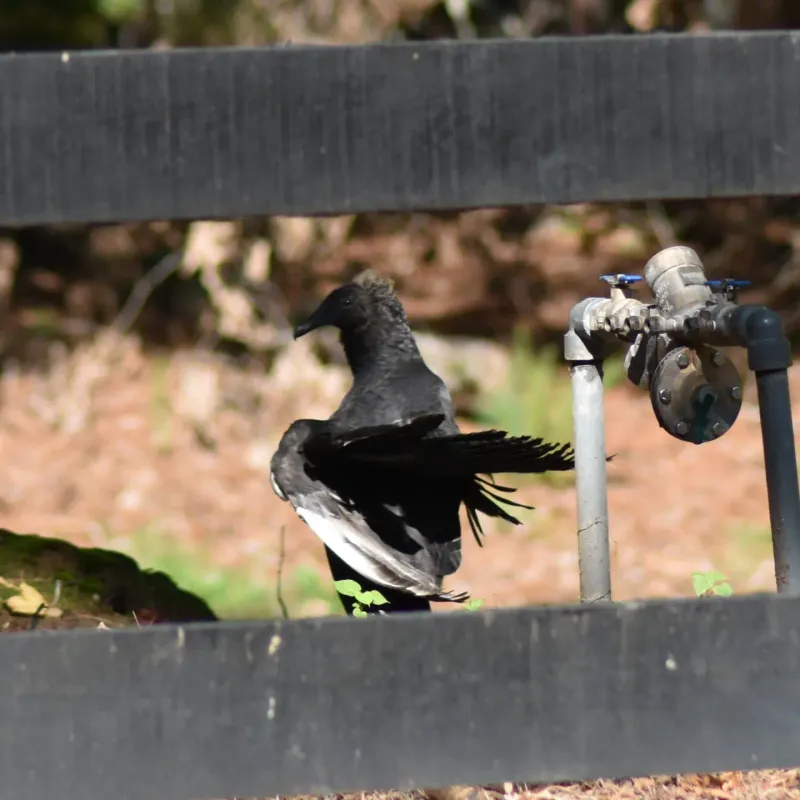
Popular crow stories often frame the birds as keeping a perfectly balanced ledger: you feed them, they bring you gifts; you harm them, they make your mornings miserable. The kindness side of that story is appealing, but it rests on much thinner evidence than the threat side.
Captive research has shown that crows can distinguish between a threatening and a caring human context. Studies on how crow brains assess a diversity of natural dangers support the idea that crows form different learned associations depending on the nature of an experience.
A crow that was handled by a person wearing one mask and fed by a person wearing another did respond differently to each. So learned associations with caring contexts are not impossible.
The gap is in how durable and face-specific those associations are in the wild, under ordinary backyard conditions. The evidence that crows form long-lasting, identity-specific memories is strongest for salient, alarming events like capture and handling.
Leaving seed on a railing is a much quieter signal, and the research does not establish that a wild crow files it away under a specific person’s identity the way a threatening encounter gets filed.
Thinking of a crow as a neighborhood historian who remembers your every kindness is a vivid and enjoyable way to see the birds. Used as clearly labeled imagination, it does no harm.
The brain imaging findings do show that familiar human faces, both threatening and caring, engage connected processing regions in crow brains, which is genuinely consistent with the idea that positive associations form. But consistency is not confirmation, and the controlled experiments tested specific cues under specific conditions, not the full texture of a homeowner’s relationship with a backyard crow across a season.
The honest version of the kindness claim is this: crows can likely associate certain people with safe or rewarding experiences, but calling that a gratitude record or a favor ledger goes beyond what the research actually demonstrates. Treat the neighborhood-historian idea as a useful metaphor, not a proven fact.
How to Read the Reaction Without Escalating It
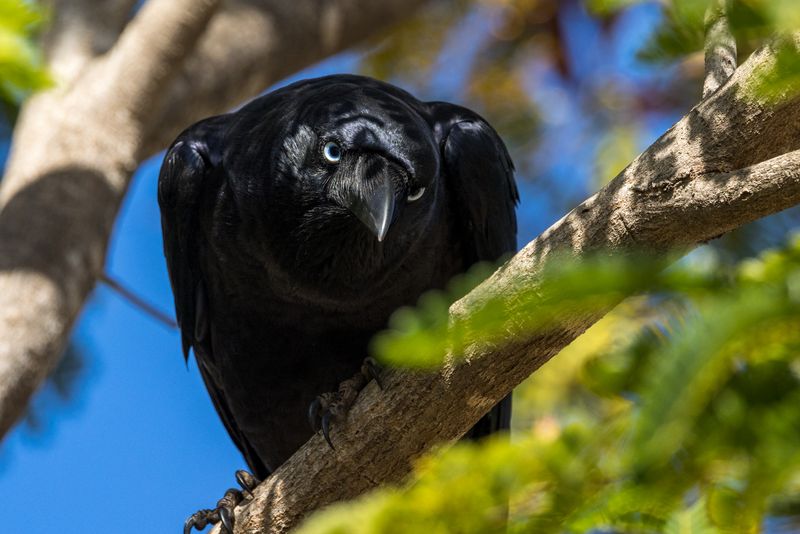
Watching crows from your own yard can be genuinely rewarding, and the main thing that keeps it pleasant is distance. Crows that feel crowded, cornered, or repeatedly approached near a nest or a fledgling will shift from curious to defensive quickly, and that shift can bring more birds into the situation than the original interaction warranted.
Cornell Lab’s crow life history notes that crows are cooperative breeders, meaning helpers from earlier broods often assist in defending a nest. During breeding season, what looks like a personal response from multiple birds may actually be a family defending its young, not a coordinated reaction to one specific person.
Recognizing that distinction makes the behavior less alarming and more understandable.
Scolding, gathering, and avoidance are all defensive responses in the crow’s behavioral toolkit, not signs of malice or revenge. If a crow scolds you from a branch, moving away calmly and giving the area more space is the most effective response.
Attempting to stare back, wave arms, or test whether the bird recognizes you tends to extend the interaction and can make the crow more agitated, not less.
Feeding crows to build trust is a tempting idea, but USDA Wildlife Services advises against feeding wildlife for practical reasons: concentrated animals spread disease more easily, habituated birds lose their natural wariness and can become a nuisance, and food sources create dependency and attract other wildlife you may not want in the yard. The goal of earning a crow’s trust through food is understandable, but the method carries real costs that outweigh the social experiment.
Quiet observation from inside or from a comfortable distance, without approaching the bird or the nest area, is the safest and most respectful way to learn what the crow in your yard is actually doing.
Reducing Crow Conflict Starts With the Yard, Not the Bird

When crow activity becomes a genuine problem, the most effective first step has nothing to do with the birds themselves. Crows are drawn to yards by food, and removing what attracts them is more reliable than any attempt to confront or scare individual birds away.
Start with the basics: secure trash cans with locking lids, keep compost bins tightly closed, bring pet food indoors after feeding time, and pick up fallen fruit or seed that accumulates under feeders or trees. USDA APHIS Wildlife Services describes integrated management as combining habitat modification, physical barriers, repellents, and scare devices, and it consistently puts attractant removal first because it addresses the reason crows are there rather than just displacing them temporarily.
Physical exclusion works well for specific areas. Netting over garden beds, fruit trees, or compost bins can prevent access without harming birds.
Reflective tape, predator decoys, and noise deterrents can reduce crow use of a particular spot, though crows are smart enough to habituate to static deterrents over time, so rotating or combining methods works better than relying on one.
Actions to avoid include throwing objects at birds, striking at them, using poison, or attempting casual trapping. Beyond the practical problem that throwing things at crows can escalate their defensive behavior and injure them, there are legal considerations worth understanding.
American crows are native migratory birds covered by the Migratory Bird Treaty Act of 1918, which generally protects them and their nests. Active nests containing eggs or dependent young carry additional protections, as outlined in U.S.
Fish and Wildlife Service guidance on bird nests. Federal depredation orders and state rules do create limited exceptions for documented conflicts, but those pathways involve permits and professional oversight, not backyard improvisation.
For serious or persistent conflicts, contacting your state wildlife agency or a qualified wildlife professional is the right move. They can assess the situation, explain what options are lawful in your state, and help you pursue a migratory bird depredation permit if the situation genuinely warrants one.
Most backyard crow problems, though, resolve with consistent attractant management before reaching that point.
The Crow May Remember a Threat, but the Fence Is Not a Confession
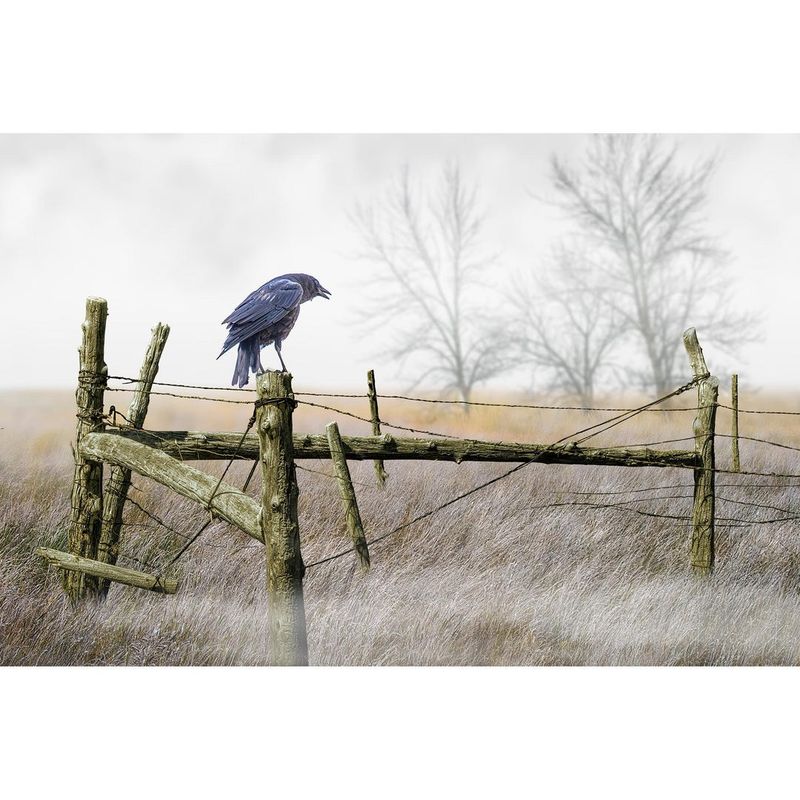
Pulling the threads together leads to a clear but carefully bounded conclusion. American crows can learn to recognize specific human identity cues and associate them with threatening experiences.
Directly learned threat responses in field research persisted for at least approximately 2.7 years, which is the strongest documented result for this species. That persistence finding applies to associations formed through direct experience, not to responses picked up by watching other crows.
Social learning research showed that juveniles acquired alarm responses by observing adults, which means a threatening encounter can spread through a family group. Whether that socially acquired response lasts for an equivalent multi-year period has not been established.
The network exists; its long-term durability is a separate and still-open question.
“Grudge” is a useful shorthand for learned defensive behavior, nothing more. It captures the durability and selectivity of the crow’s response without requiring the bird to feel resentment or harbor intentions.
Used that way, it is a fair metaphor. Taken literally, it overstates what behavioral research can actually show about a bird’s inner life.
The brain imaging findings are fascinating, but a crow watching you from a fence has not confessed to anything. The safest response is the simplest one: observe quietly from a distance, give nesting families space, remove attractants, and avoid provoking birds.
What the crow is really keeping track of may be less about you specifically and more about whether your yard is worth watching, which, in crow terms, is actually a compliment.