
If The Same Few Birds Are All That Visit Your Feeder, Here Are 13 Foods That Bring In A Whole New Crowd
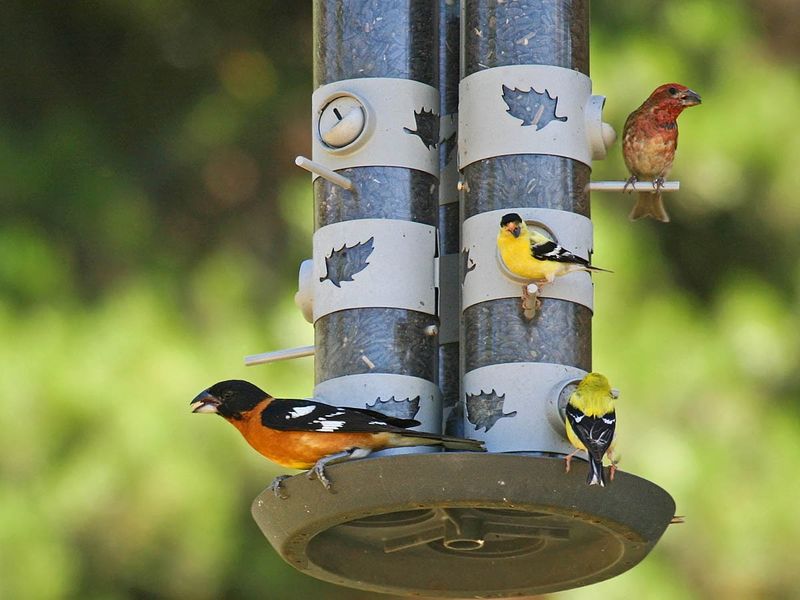
If your feeder only draws the same handful of birds every morning, the fix might be sitting in your pantry. Different birds crave different foods, so swapping or adding just one new item can pull in species you have never seen before.
The list below walks you through 13 foods that each attract a fresh set of visitors. Try one this week and watch your backyard fill up with new colors and songs.
1. Black Oil Sunflower Seeds
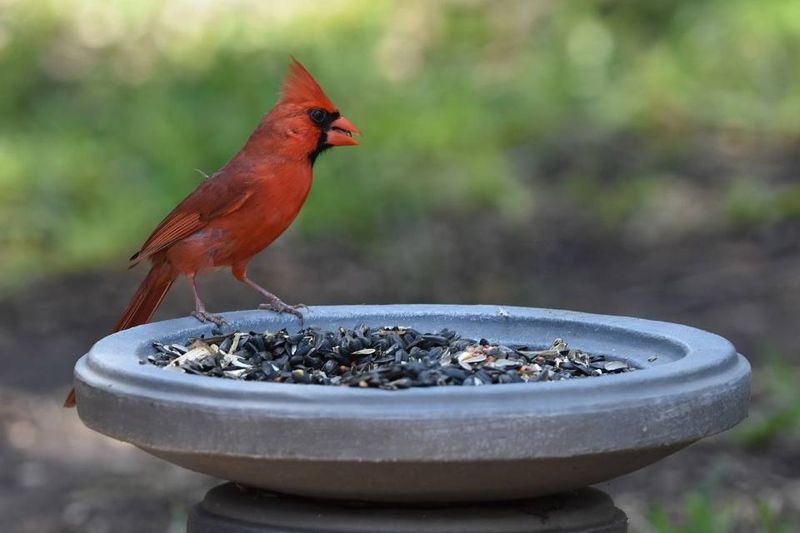
Think of black oil sunflower seeds as the crowd-pleaser that almost never fails. Their high oil content packs in energy, and the thin shells crack open easily, so birds with all kinds of beak sizes can dig right in.
Because so many species love them, you will likely see cardinals, finches, blue jays, chickadees, nuthatches, and sparrows show up together. If you only stock one seed, this is the one that opens the door to the widest variety.
Fun tidbit: the black shells hold more meat inside than the striped kind, which is exactly why the birds prefer them.
2. Nyjer (Thistle) Seeds
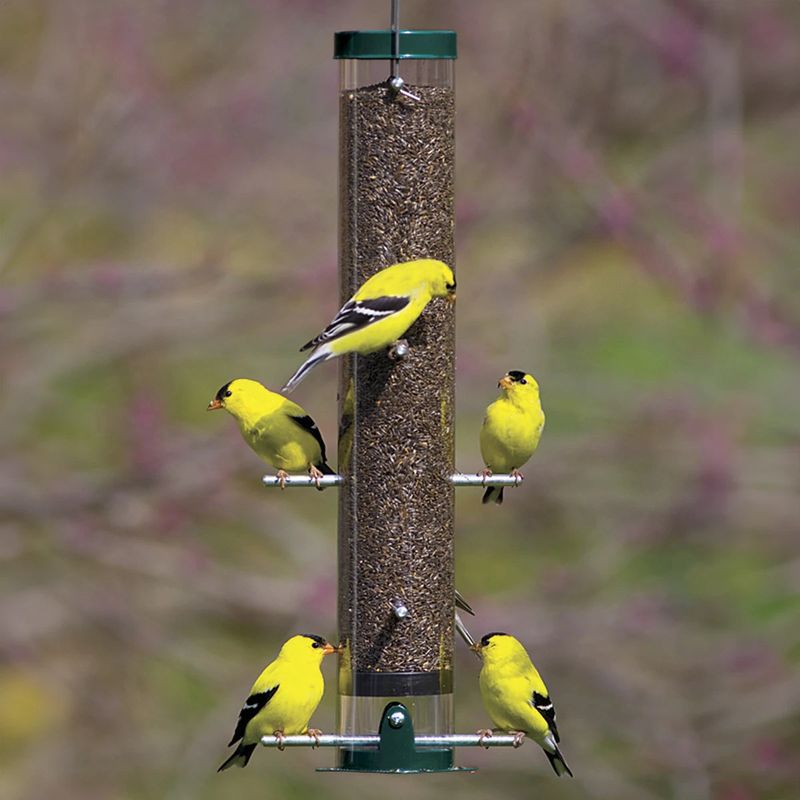
Got a soft spot for those flashes of yellow that dart around in summer? Nyjer seed is your ticket to a goldfinch party.
The tiny black seeds are made for birds with small, pointed beaks, which is why American goldfinches and house finches flock to them while bigger, bossier birds mostly leave them alone. You will want a special mesh or thistle feeder since the seeds are small enough to spill through regular ports.
Keep the seed fresh, because Nyjer can dry out and lose its appeal. When it is fresh, though, few offerings pack a feeder with color quite like this one.
3. Safflower Seeds
Tired of squirrels emptying your feeder before the birds get a chance? Safflower might be the quiet hero you need.
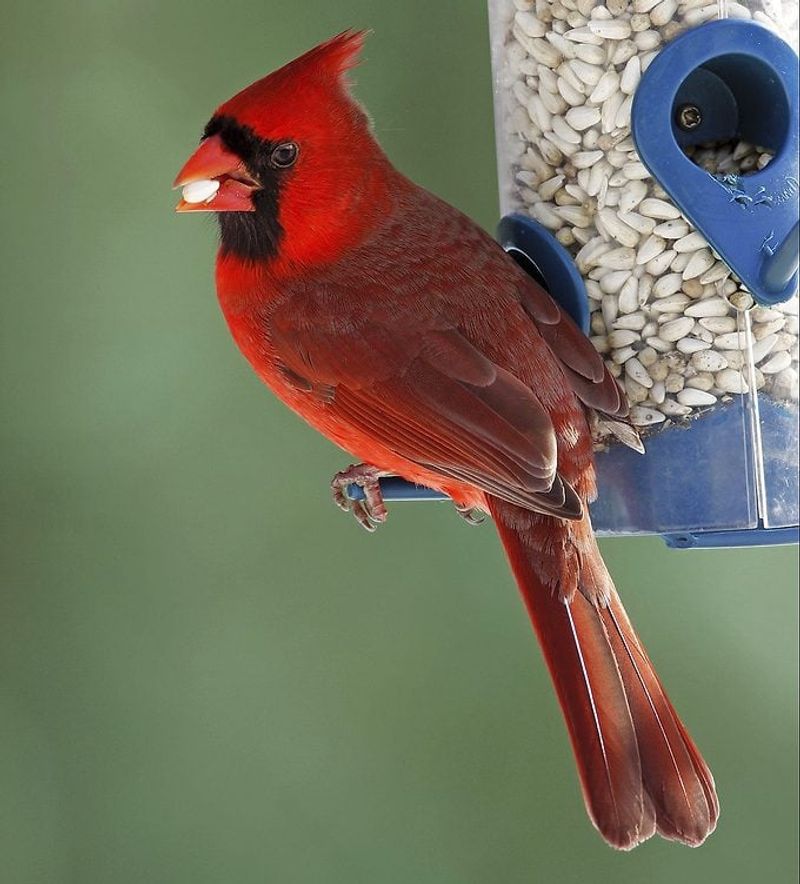
These little white seeds have a slightly bitter taste that squirrels and blackbirds usually turn their noses up at, which means less thievery and more peace at the feeder. Cardinals, on the other hand, absolutely adore them and will visit again and again.
Because it filters out some of the pushier visitors, safflower gives shyer birds room to feed without getting bullied off the perch.
4. Suet
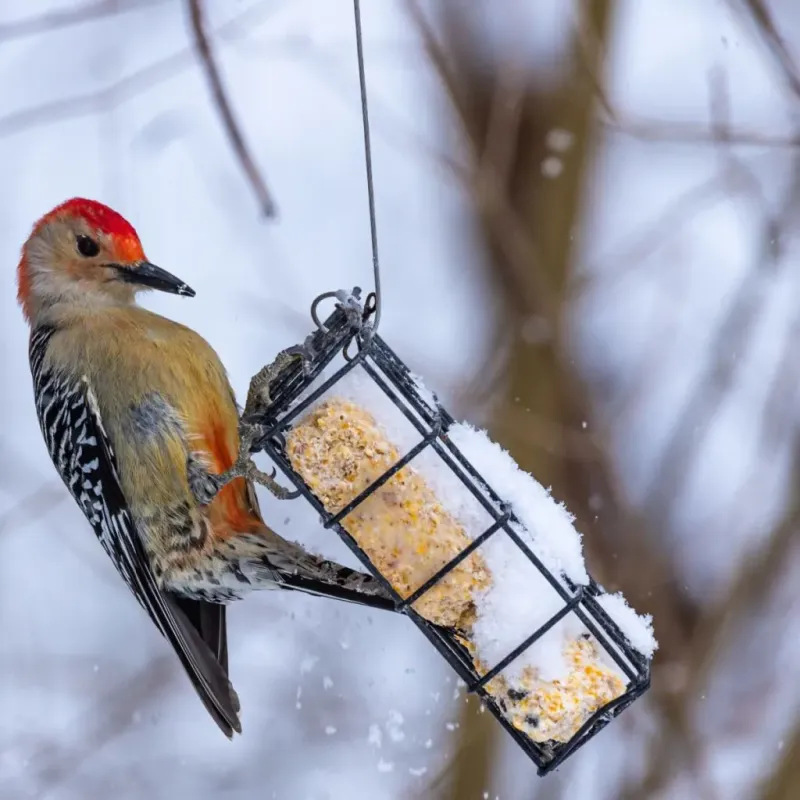
When the weather turns cold and bugs disappear, suet becomes a lifeline. Made from animal fat, it delivers a burst of energy that helps birds stay warm through chilly nights.
It is a favorite of insect-eaters who might normally skip a seed feeder entirely, so hanging a suet cage can bring in woodpeckers, wrens, chickadees, nuthatches, and titmice.
Suet works all year, but it truly shines in cooler months. On very hot days, look for no-melt blends so it stays firm instead of turning greasy.
5. Fresh Fruit
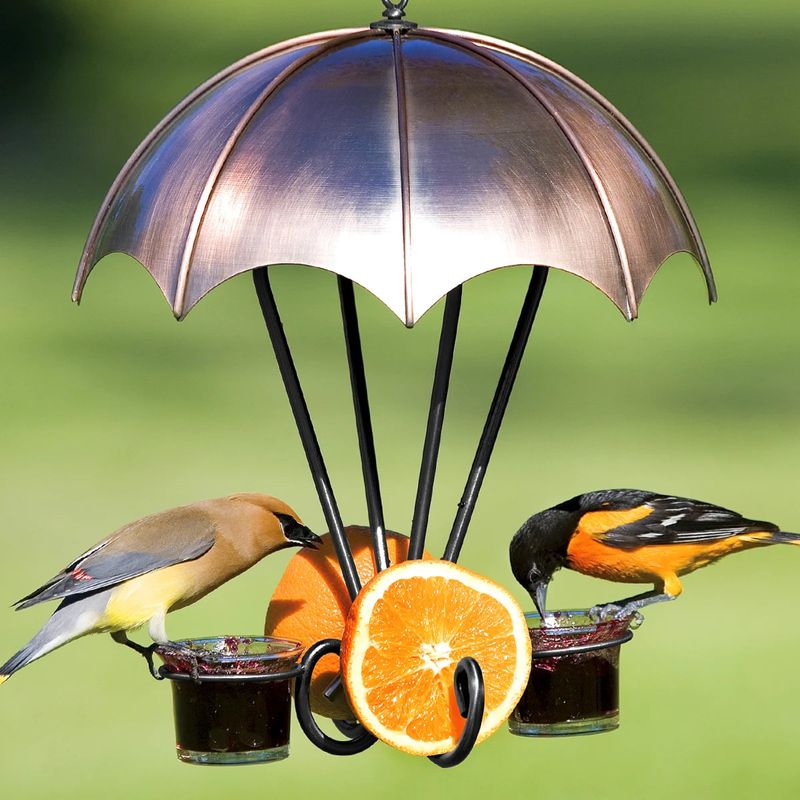
Some birds barely glance at seeds but cannot resist a juicy piece of fruit. Setting out orange halves, apple slices, or a handful of berries can lure in visitors that seed feeders never reach.
Cedar waxwings and gray catbirds are two of the more exciting guests that fruit tends to attract. Simply spear the pieces on a nail, a branch, or a special fruit feeder and let the sweetness do the work.
Swap out old fruit before it spoils, especially in warm weather, to keep your fruit station fresh and inviting.
6. Grape Jelly
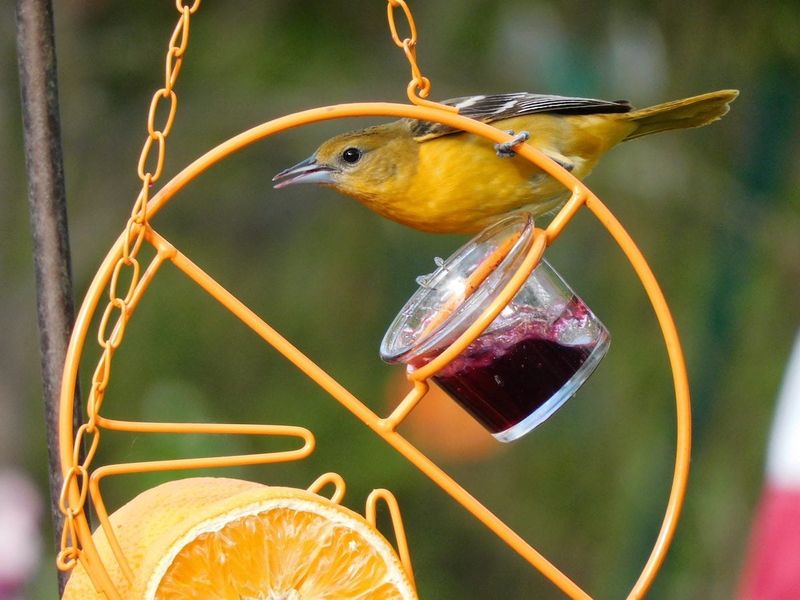
Here is a treat that feels almost too simple to work: a spoonful of grape jelly.
Baltimore orioles go wild for it, and offering some during spring migration can turn a plain feeder into a magnet for these stunning orange-and-black birds. A shallow dish or a cup on an oriole feeder is all you need.
Put out just a small amount at a time so it does not sit and spoil, and enjoy the show when the orioles find it. Few foods reward you with such a splash of color for so little effort.
7. Nectar
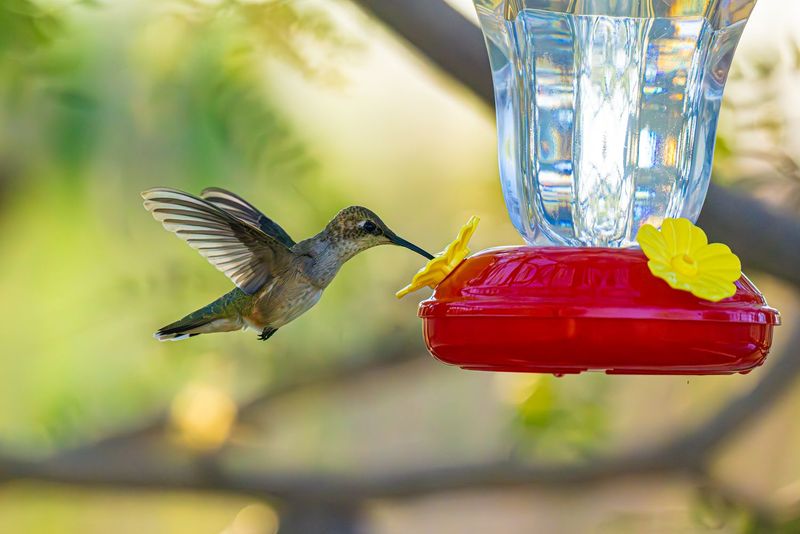
Want to add a little magic to your yard? Nothing quite matches the buzz of a hummingbird zipping up to a nectar feeder.
A simple homemade solution of one part sugar to four parts water in a dedicated hummingbird feeder is all it takes to draw these tiny, dazzling flyers. Skip the red dye; the red parts of the feeder are plenty to catch their eye.
Clean the feeder every few days in hot weather so the nectar stays fresh and safe. Do that, and you may find hummingbirds returning like clockwork.
8. Whole Peanuts (in-shell)
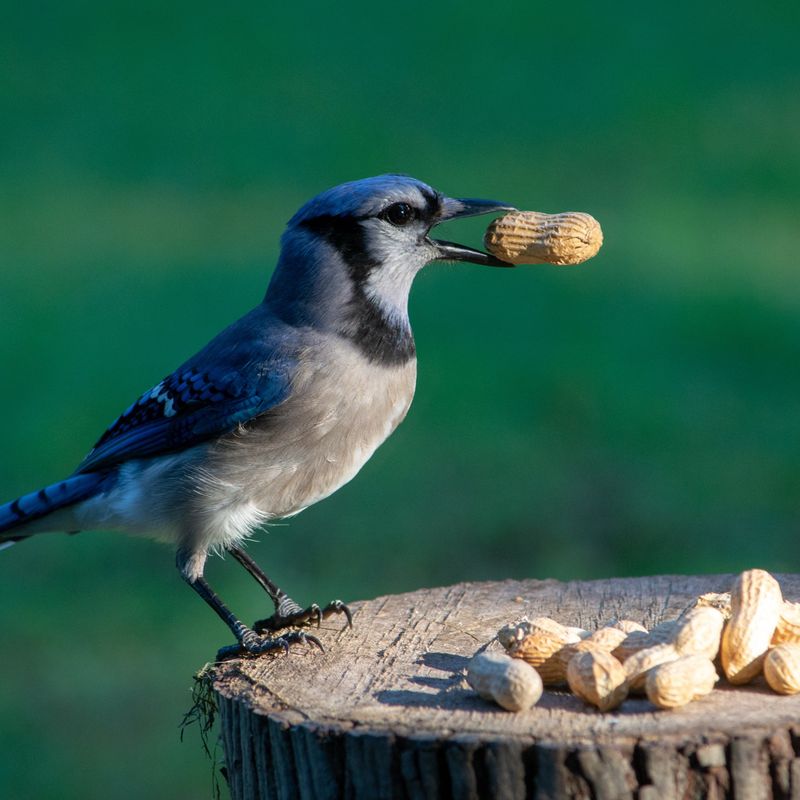
Larger birds love a good challenge, and whole peanuts in the shell give them exactly that.
Blue jays are the headliners here, often flying off with a peanut clutched in their beaks, but woodpeckers, nuthatches, and titmice also enjoy working the nuts out of the shells. Always use unsalted peanuts meant for wildlife, since salt is harmful to birds.
Watching a jay puzzle out how to carry off the biggest peanut is half the fun. A dedicated peanut feeder or a simple tray keeps the game going all day.
9. Peanut Hearts/Pick-outs
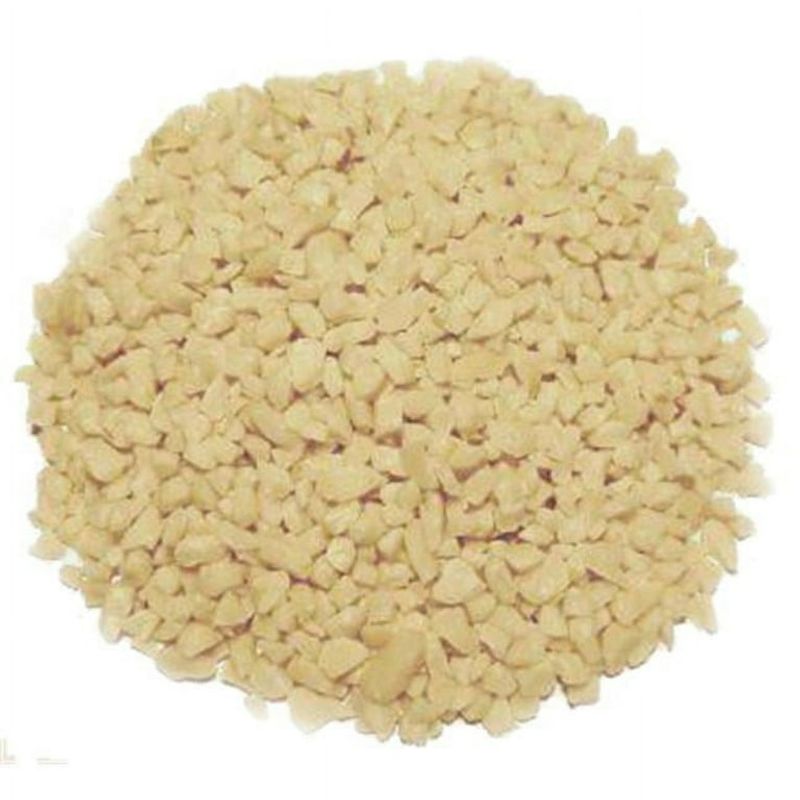
Not every bird can wrestle open a shell, and that is where shelled peanut pieces come in handy.
These bite-sized bits, sometimes called peanut hearts or pick-outs, are easy for smaller birds to grab and swallow. Woodpeckers and other nut-loving species happily clean them up, and the smaller size means less waste on the ground.
Offer them in a mesh feeder or mix them into your regular blend for an extra protein boost. It is a small change that quietly widens your guest list.
10. Dried Mealworms
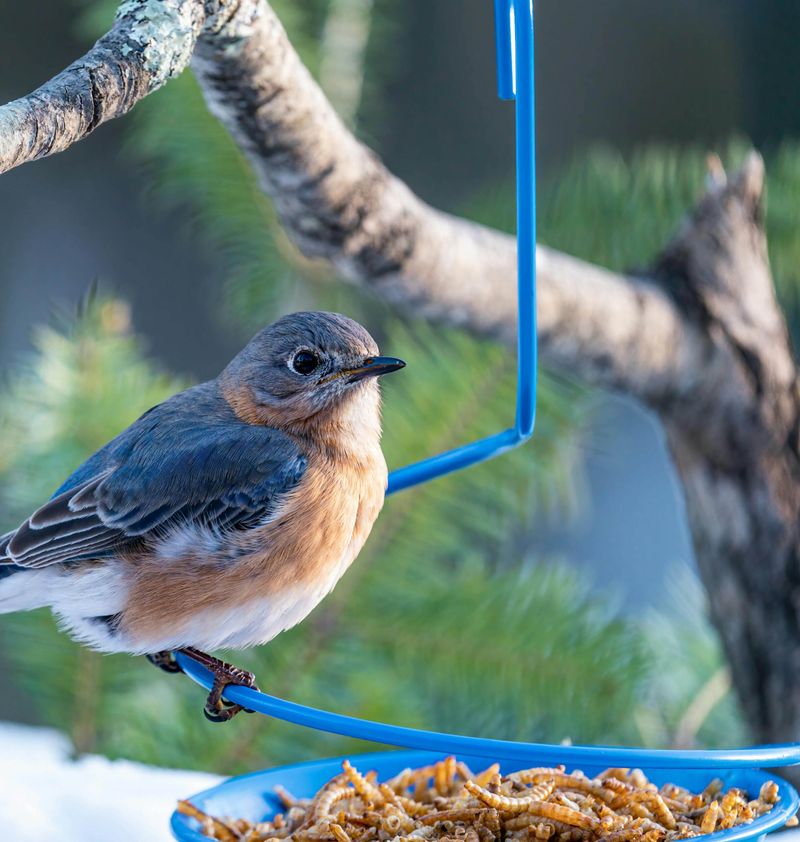
Mealworms might make you squirm, but to many birds they are pure protein gold.
Dried mealworms pull in insect-eating birds that often ignore seed feeders entirely, and some visitors show a real fondness for them. They are especially useful during nesting season when parents are hunting extra protein for their chicks.
Set them out in a small dish or tray so birds can spot them easily. A little rehydrating with warm water can make them even more tempting on a busy morning.
11. Cracked Corn
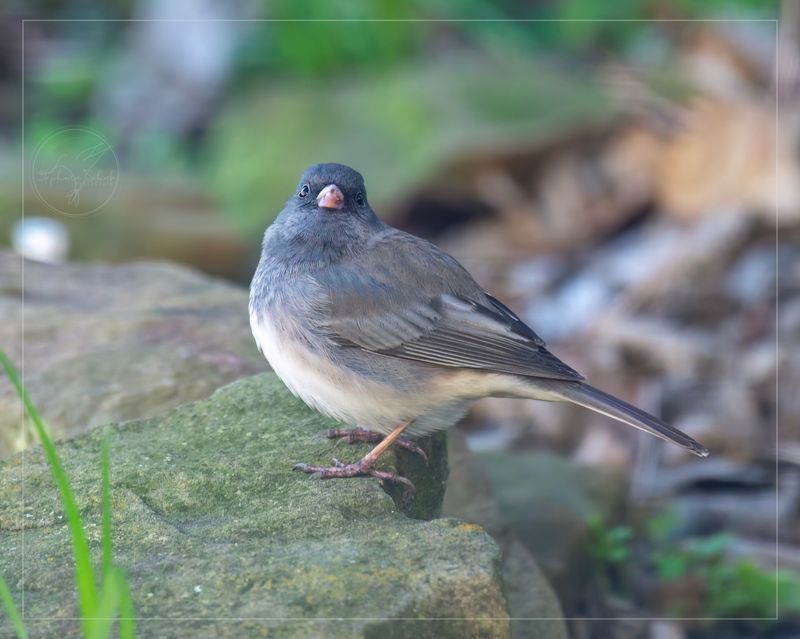
Down at ground level, a whole different crowd likes to dine, and cracked corn speaks their language.
Sparrows and juncos, both happy foragers on the ground, gather up these broken kernels with real enthusiasm. It is an inexpensive way to feed a lot of birds, which makes it a common ingredient in many seed mixes.
Scatter it on a low platform or a clean patch of ground rather than a hanging feeder. Keep the amount reasonable so leftovers do not attract unwanted critters.
12. Millet
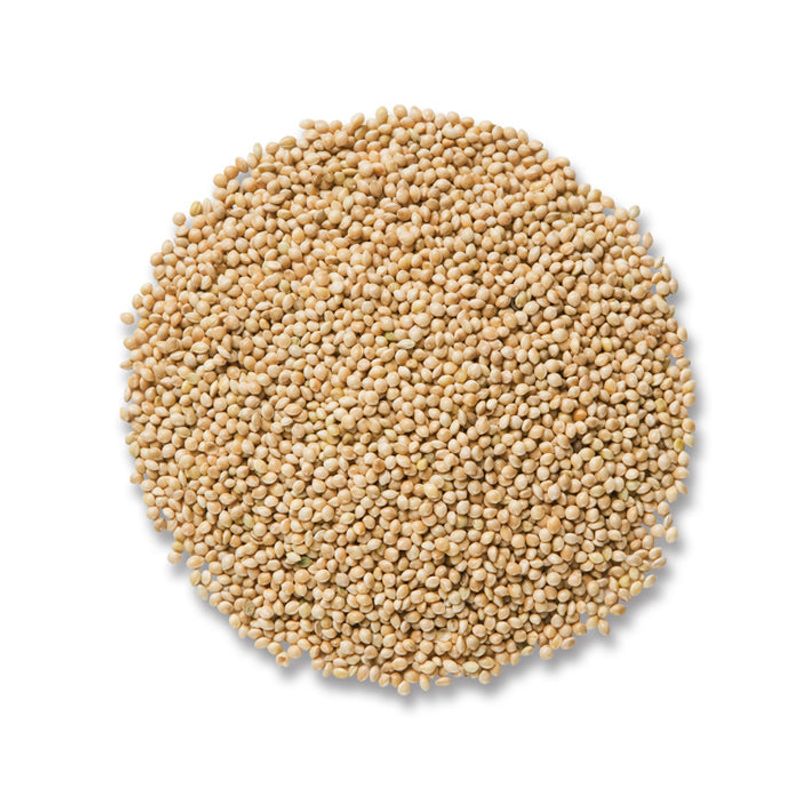
Small seeds suit small ground-feeders, and millet fits that bill perfectly.
The tiny round grains are a top pick for sparrows and juncos that prefer to eat near the ground rather than cling to a hanging feeder. You will often find millet already mixed into commercial birdseed blends, though offering it on its own targets these ground-lovers directly.
Spread it on a low tray or the ground and let the foragers do their thing. It rounds out your menu for the birds that rarely bother with the perches up above.
13. Peanut Butter Mixed with Cornmeal
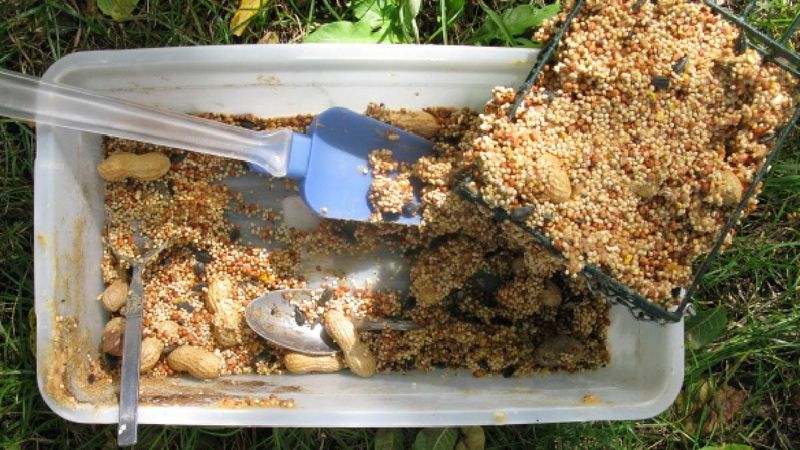
When summer heat threatens to melt your suet, a homemade peanut butter blend saves the day.
Mix one part peanut butter with five parts cornmeal, then stuff it into log holes or press it onto a pinecone for a warm-weather protein snack. The cornmeal keeps it from getting too sticky, which helps the birds eat it safely.
Woodpeckers, chickadees, and titmice all come around for this DIY treat. It is a fun project that costs almost nothing and keeps your feeder busy even on the hottest days.